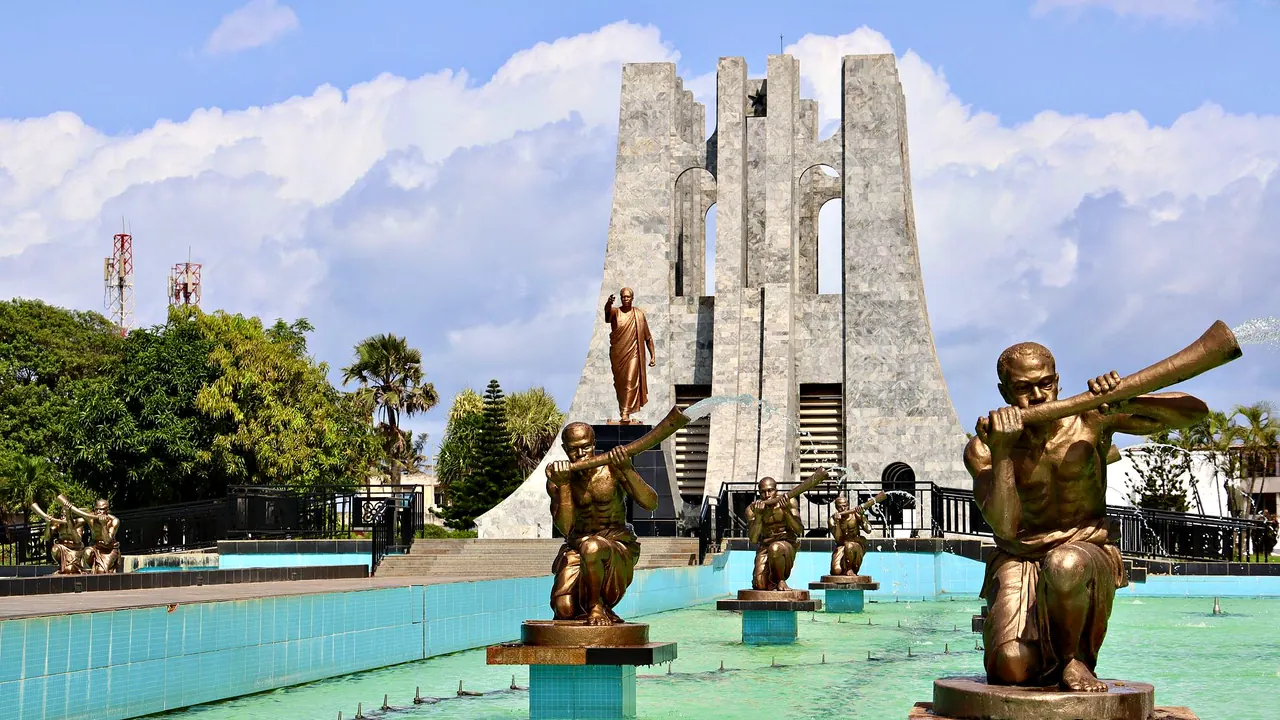
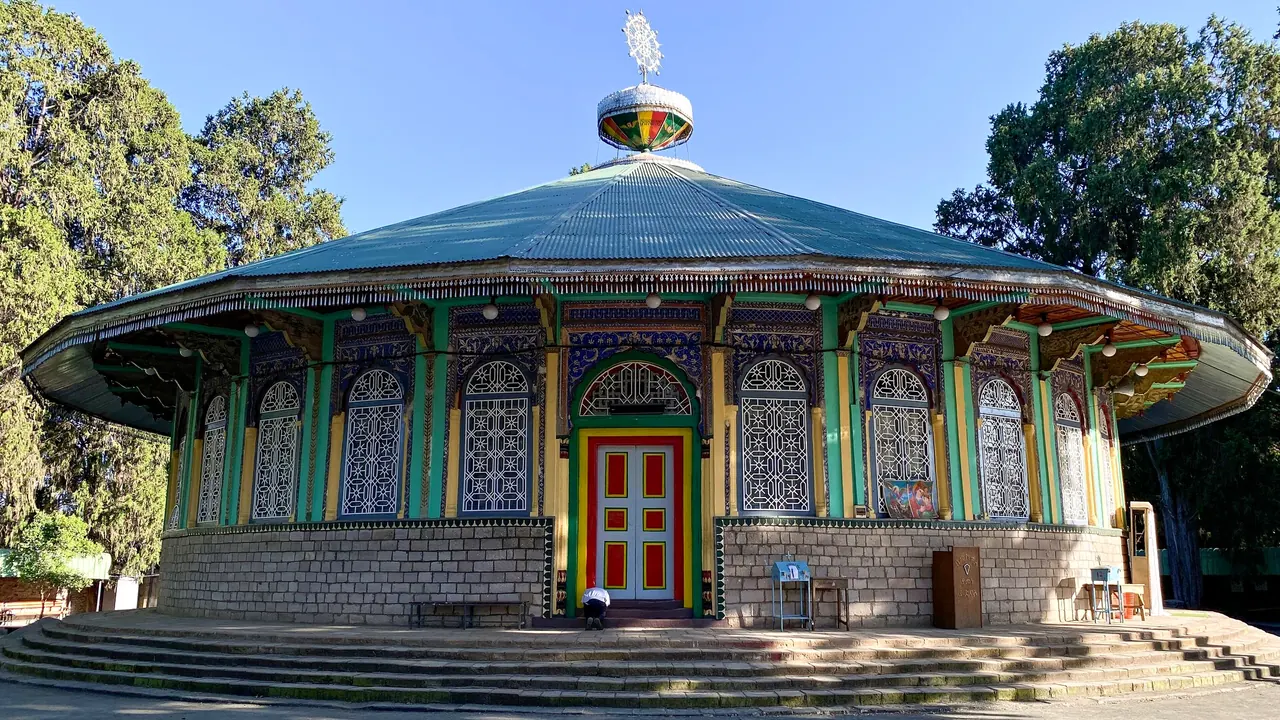
Photos: Accra by Ana Kenk, Pexels License; Addis Ababa by ProtoplasmaKid, CC BY 4.0, cropped.
Accra or Addis Ababa?
Our verdict in twelve categories, each scored against the same fixed benchmark cities, and the climate month by month, so you can choose for your trip.
Choose Accra for
- beaches
- nightlife
- families
Accra is the choice for travellers who want warmth, the sea and a long night out. The Atlantic is never far, the beach villages west of town make easy escapes, and the city's Afrobeats clubs and rooftop bars give it the stronger social life of the two, above all in December. It suits a trip built around people, music and the coast more than one built around sights.
Choose Addis Ababa for
- prices
- nature and the outdoors
- culture and sights
Travellers drawn to history, food and highland scenery will get more from Addis Ababa. Its museums go deeper, from early human fossils to imperial palaces, the injera and coffee culture is among the most distinctive in Africa, and the hills, gorges and holy sites within a drive outdo anything around Accra. Day to day it is also the cheaper city, provided you are happy with local guesthouses and eateries.
Scoreboard
Twelve categories on one fixed scale from 0 to 100. The shaded stretch is the gap between the two.
Your match
Pick a travel style or drag the sliders, and both match scores follow your weighting.
Too close to call, 2 points apart
Wins on beaches and nightlife with your weighting.
Wins on prices and nature and the outdoors with your weighting.
What matters to you?
Category by category
What the scores mean for a trip.
Beaches & swimming
Accra has a coastline, which already settles the matter, though its city beaches are rough. Heavy surf, rip currents and litter make Labadi more a place for drumming and weekend crowds than for swimming. The calmer sand is out of town, at Bojo on its sandbar, Kokrobite and further east at Prampram and Ada.
Addis Ababa sits high on a plateau with no sea anywhere near, so swimming means a hotel pool. The crater lakes at Bishoftu make a pleasant waterside weekend, but nobody comes for lake bathing, and beach time belongs on another leg of the trip.
Food & drink
Addis Ababa has the more distinctive table. Shared platters of injera with doro wat, tibs and kitfo, vegan fasting-day spreads of shiro and lentils, and tej poured from flasks make every meal feel particular to the place. The ritual of the coffee ceremony, in the country where coffee began, adds something Accra cannot match.
Accra's cooking is hearty and best found on the street and in chop bars: waakye in the morning, kelewele under lanterns at night, jollof, banku and grilled tilapia by the sea. Both cities have little beyond their own cuisine, with Lebanese food in Accra and Italian-era macchiatos in Addis filling the gaps.
Culture & sights
Addis Ababa has more to fill the days. The fossils of Lucy, the Ethnological Museum in Haile Selassie's former palace, Menelik II's palace compound and the coronation church up on Entoto cover deep prehistory and imperial Ethiopia. The Red Terror museum covers the Derg years.
Accra's story is narrower and more recent: the Nkrumah mausoleum, Independence Square and the Du Bois Centre on independence and Pan-Africanism, with the forts of Jamestown and Osu Castle recalling the colonial coast. Its museums are thin, and the painted fantasy coffins of Teshie are the most memorable modern touch. Both cities take two or three days, but Addis fills them more fully.
Nightlife
Accra is the better city for a night out. Evenings run from roadside grills to rooftop bars in Osu and Labone, then on to Afrobeats and amapiano clubs well past midnight, with beach parties at Labadi and Kokrobite. In December the returning diaspora turns the whole city into a month-long party.
Addis Ababa's club scene is smaller, centred on the Bole lounges at weekends and rougher bars in Kazanchis and Piazza, and it goes quiet midweek. Its best nights are built around live music rather than dancing until dawn.
Nature & outdoors
Addis Ababa has much the better landscape on its doorstep. The eucalyptus hills of Entoto rise straight from the city for walks and runs, Menagesha Suba has old juniper forest with colobus monkeys, and the Blue Nile gorge near Debre Libanos has gelada monkeys on the cliff edges. The mild highland air makes being outdoors pleasant.
Accra is flat, hot and built up, so nature means leaving it: Achimota Forest for shade, the cooler ridge at Aburi, baboons and caves at Shai Hills, and boat trips on Lake Volta at Akosombo.
Day trips
From Addis Ababa, a driver can reach serious sights within a day. These are the monastery of Debre Libanos and its old bridge over the gorge, the carved stelae of Tiya, the rock-hewn church of Adadi Mariam and the prehistoric site at Melka Kunture, with Bishoftu's lakes for an easier day.
Accra's most important outing, the slave-trade castles of Cape Coast and Elmina, is about three hours away and works better as an overnight. Closer in, the bead-makers of Krobo, the woodcarvers of Aburi and the river towns of Akosombo and Ada Foah are pleasant but modest. In both cities the country's highlights lie further away, Lalibela by air and the Ashanti heartland by a long road.
Good for families
Neither city is built for children, though both welcome them warmly. The difference is in the kind of strain. In Accra it is heat, rough surf and the need for malaria precautions, balanced by sand to play on, hotel pools and air-conditioned mall play areas.
In Addis Ababa it is the altitude, which tires small children at first, and food hygiene. The palace park's lions and the open Entoto hills are the easy outings. Accra suits older children who like markets and drumming, while Addis works best as a short stopover.
Getting around
Accra has no metro or tram, so visitors depend on ride-hailing and taxis, which are easy to find but slow in traffic. The trotro minibuses go everywhere, but you only learn their routes by asking. You can walk around parts of Osu and Jamestown, but beyond them broken pavements, open drains and the midday heat make getting around on foot hard work.
Addis Ababa is a little easier. Its light rail runs on two lines across the city but misses most of the sights, so ride-hailing, metered taxis and hired drivers fill the gaps. The hills and the long distances between landmarks mean you can't walk from one to the next, and rush hour slows everything.
Shopping & style
The two are about even, and both are market cities with little luxury. Accra's speciality is cloth: wax prints from Makola, kente and carvings at the Arts Centre, and fabric taken to a tailor to be made up within days, with a few Ghanaian designers in Osu.
Addis Ababa has Merkato, a vast and disorienting market best tackled with a guide. Its things to take home are handwoven cotton shawls from Shiro Meda, Orthodox crosses, religious paintings and a bag of freshly roasted coffee.
Affordability
Addis Ababa is the cheaper city. Local meals, coffee, transport and museum entries cost very little, and a traveller using guesthouses spends hardly anything.
Accra is reasonable for street food, beer and ride-hailing, but reliable hotels are pricey for West Africa and prices rise in December. Both share the same catch, as international-standard rooms and expat restaurants are dear in Bole and Osu alike, and so is hiring a driver.
Live music & performing arts
In Accra, most music happens away from a stage. You'll hear church choirs, drumming on Labadi beach, highlife band nights in bars and garden venues, and Afrobeats and hiplife stars filling arenas in the December concert season. Chale Wote brings performance and painting to the streets of Jamestown once a year. The ship-shaped National Theatre stages dance, drama and the national symphony, though its programmes are irregular.
Addis Ababa has the edge because of an evening in an azmari bet in Kazanchis or Piazza, where a singer with the one-stringed masinko makes up teasing verses about the audience, foreigners included. A handful of clubs still play Ethio-jazz live, and cultural restaurants put on eskista dancing over dinner. Its theatres, Hager Fikir among them, work mostly in Amharic, and with no classical season, an orchestral concert is more likely in Accra.
Wellness & relaxation
Addis Ababa offers a little more, as it grew up around the Filwoha hot springs, whose mineral baths are still used. A long coffee ceremony or a hotel garden gives some calm, and the Bishoftu lake resorts are an hour away.
Accra has no bathing tradition and is hot and noisy, so rest means a hotel spa or a night away in the beach lodges of Kokrobite or the cooler Aburi hills.
When should you go?
Pick your month. The climate figures are measured averages, not a forecast.
Accra in July
Addis Ababa in July
Daytime high, °C
Rainfall in the month, mm
Temperature and rainfall are climate normals, averaged over the years shown. Accra: 1991-2020 normals, Accra (5.9 km from centre). Addis Ababa: 1991-2020 normals, Addis Ababa (7.8 km from centre).
Accra is hot all year, with highs in the low thirties, so the rain matters more than the temperature when you pick your dates. The main rains build from April and peak in June at about 167mm. A shorter wet spell returns in October. November to February is the dry, sunny stretch and the best time for the beach, with the sea around 28°C, though the midday heat makes long walks tiring. In July and August the air is a little easier for the streets, but skies are greyer and the water cools to about 23°C.
Addis Ababa never gets uncomfortably hot, because its altitude holds daytime highs at 26°C or below, so walking is pleasant in any month. Its problem is the long rainy season from June to September, when July and August are very wet, close to 298mm in August, and the sun rarely shows. October to February is dry, clear and sunny. That makes November to February the season that suits both cities, with Addis good for days outdoors and Accra for the coast.
Which traveller are you?
For a beach and sun trip, Accra is the only real option. It has warm Atlantic water, the canoe crossing to Bojo and surf-and-reggae Kokrobite under an hour away. Landlocked Addis Ababa offers hotel pools and crater-lake resorts but no swimming worth planning around.
On a trip on a tight budget, Addis Ababa goes further. Injera, macchiatos, minibus rides and museum entries cost very little. In Accra street food is cheap too, but comfortable rooms are expensive for the region, and prices climb in December.
On a culture and arts trip, Addis Ababa gives more to see and hear. There is Lucy at the National Museum, Haile Selassie's palace, and the Entoto churches, then evenings of azmari singing and Ethio-jazz. Accra's independence monuments and Jamestown forts make for a shorter, thinner programme.
Before you go
| Measure | Accra | Addis Ababa |
|---|---|---|
| Official language | English | Amharic |
| Currency | Ghana Cedi (GHS) | Ethiopian Birr (ETB) |
| Sockets | G230 V, 50 Hz | CEFJL220 V, 50 Hz |
| Driving side | Right | Right |
| Time zone | UTC | UTC+3 |
| Emergency number | 999 | 911 |
| Elevation | 61 m | 2,355 m |
| Main airport | Kotoka International Airport (ACC)6 km from centre36 non-stop destinations | Addis Ababa Bole International Airport (ADD)8 km from centre137 non-stop destinations |
| Public holidays this year | 11 days | 10 days |
By the numbers
| Measure | Accra | Addis Ababa |
|---|---|---|
| City population | 1,782,150 | 5,704,000 |
| People per km² | 10,301 | 10,824 |
| Museums within 10 km | 3 | 7 |
| UNESCO World Heritage sites within 50 km | 1 | 1 |
| Swim season, months above 21 °C | 12 months | - |
Where else could you go?
Every comparison below shares a destination with this one, so you can follow Accra or Addis Ababa somewhere new.
- Nairobivs Addis Ababa
- Arushavs Addis Ababa
- Kigalivs Addis Ababa
- Dakarvs Accra
- Cairovs Addis Ababa
- Casablancavs Accra