Photos: Big Sky by Greg Gjerdingen, CC BY 2.0, cropped; Rapid City by w_lemay, CC BY-SA 2.0, cropped.
Big Sky or Rapid City?
Our verdict in twelve categories, each scored against the same fixed benchmark cities, and the climate month by month, so you can choose for your trip.
Choose Big Sky for
- nature and the outdoors
- wellness
- getting around
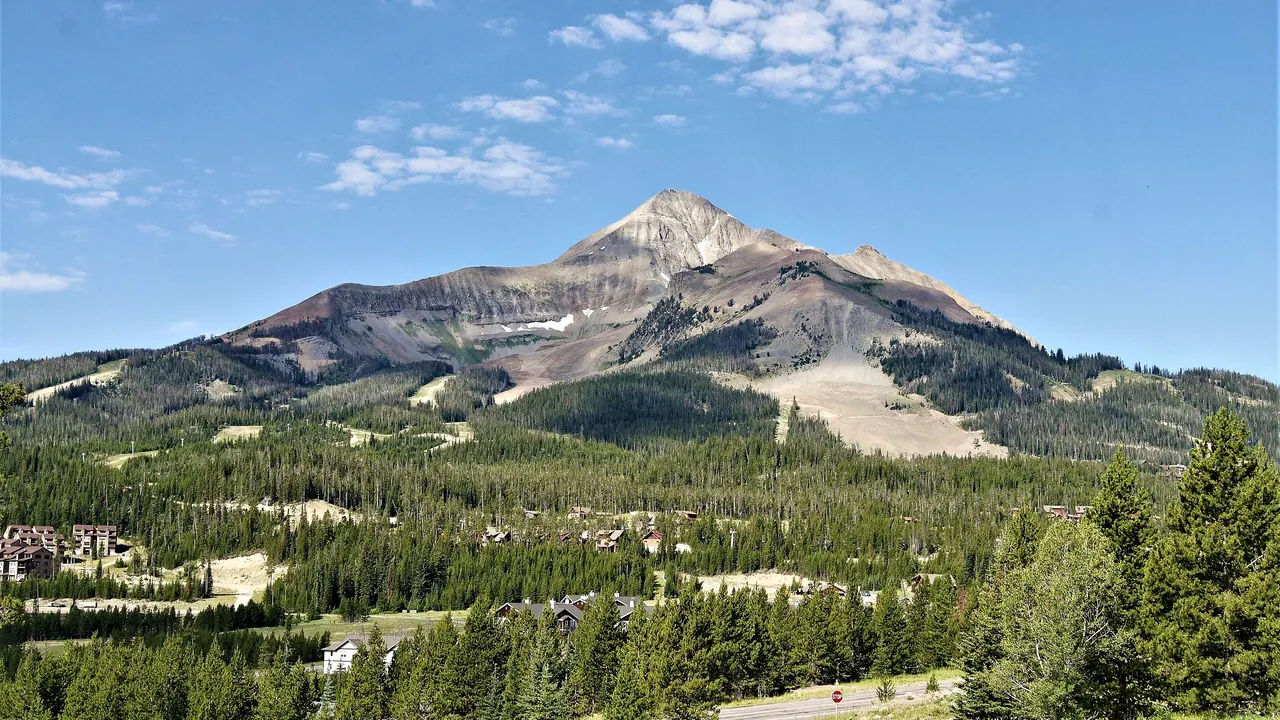
Big Sky is the choice for a mountain vacation in the full sense: a long ski week under Lone Peak in winter, or summer days on the trails of the Spanish Peaks with Yellowstone's geysers and wolves within reach. It is also the better place to unwind with a lodge spa and a hot tub under the stars. It suits travellers who want the mountain itself and are ready to pay well for it, because almost everything else is thin.
Choose Rapid City for
- prices
- day trips
- culture and sights
Rapid City makes more sense as a base for a road trip with a lot to see. Mount Rushmore, Custer State Park's bison, the caves, the Badlands and Deadwood all lie within a short drive, and a vacation here costs far less. Families and anyone who likes to fill each day with a different sight will get more from it, as long as they don't mind long hours in the car.
Scoreboard
Twelve categories on one fixed scale from 0 to 100. The shaded stretch is the gap between the two.
Your match
Pick a travel style or drag the sliders, and both match scores follow your weighting.
Wins on nature and the outdoors and wellness with your weighting.
Wins on prices and day trips with your weighting.
What matters to you?
Category by category
What the scores mean for a trip.
Beaches & swimming
Neither city has a beach, but Rapid City at least offers a proper swim. Sheridan Lake, Pactola Reservoir and Sylvan Lake lie in the pines within half an hour, with small sandy or gravel shores and water that warms to around 20°C in high summer.
Big Sky has nothing like that. The Gallatin River stays cold and fast even in July, so cooling off there usually means a hotel pool or a paddle at a riverbank picnic.
Food & drink
Both serve hearty meat-heavy food, and Rapid City comes out slightly ahead because it has more local character and a little more range. Chislic, Indian tacos on Lakota fry bread and bison burgers give it a regional identity. A cluster of brewpubs and more ambitious kitchens around Main Street, plus wineries in the hills, adds some choice.
Big Sky's eating is resort dining spread across its villages: elk, trout, Montana beef and big ski breakfasts, with a few lodge kitchens aiming higher. The choice is narrower and the bills are steeper, and some places cut their hours between seasons.
Culture & sights
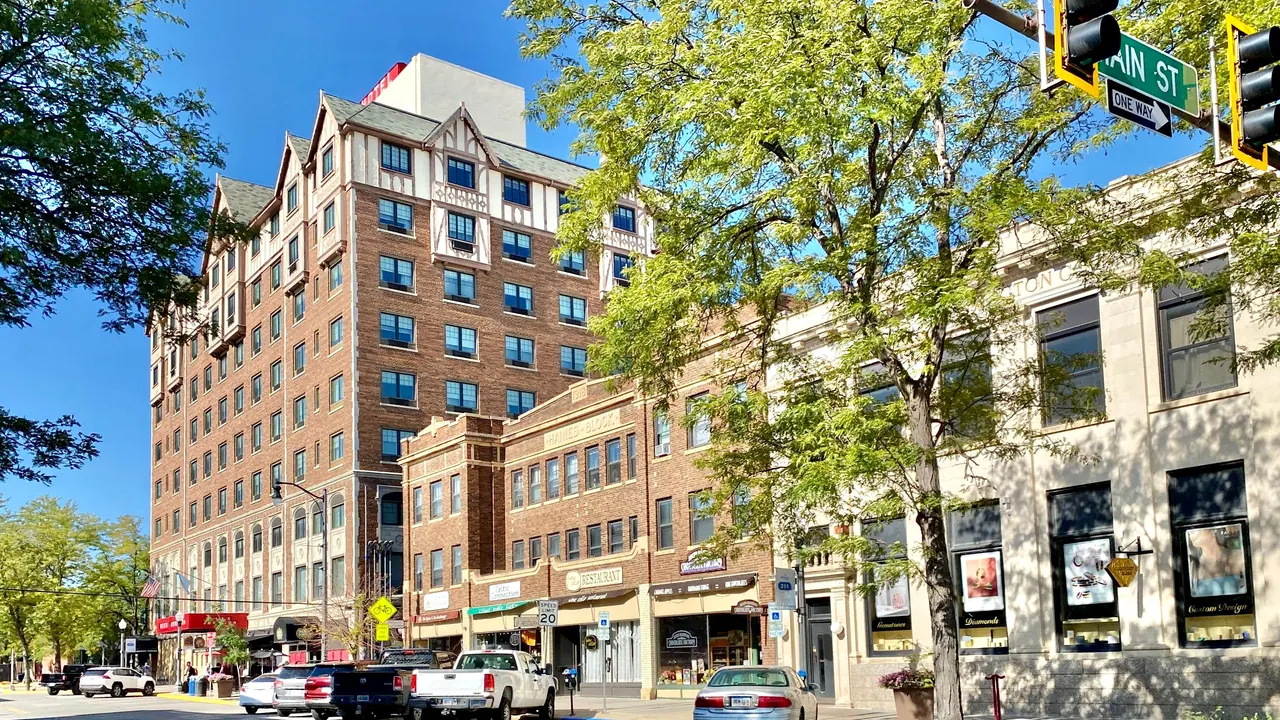
Rapid City has more to see. The bronze presidents on the downtown street corners make an easy walk, and the Journey Museum covers Lakota history and the gold rush. The School of Mines fossil collection and the Cold War aircraft at the Air and Space Museum add a couple of solid rainy-day visits.
Big Sky was built as a ski resort from the 1970s on, and its only real heritage is the pair of log cabins at Crail Ranch in Meadow Village. Anyone who wants museums there has to drive to Bozeman.
Nightlife
Evenings are short in both places, and the difference is mostly the setting. In Big Sky it is après-ski: boots on the sunny decks at the base of the lifts in Mountain Village, then a tavern or an old canyon saloon. In spring and autumn the resort goes almost silent.
Rapid City's going out happens in downtown brewpubs, sports bars and country-music bars around Main Street Square, and these are open all year. In early August the Sturgis rally makes the whole region loud and late.
Nature & outdoors
Big Sky is the stronger outdoor destination. Lone Peak rises to 3,403m above one of North America's largest ski areas, and summer opens the Spanish Peaks and the Lee Metcalf Wilderness. Yellowstone lies about an hour south, and rafting and fly fishing on the Gallatin fill whatever time is left.
The Black Hills around Rapid City are excellent in a gentler way, with granite spires on the Needles Highway, the bison herd in Custer State Park, Wind Cave and the Badlands. The landscape is lower and more varied, and there is only a small ski area near Lead.
Day trips
This is where Rapid City clearly pulls ahead. Mount Rushmore is half an hour away and the Crazy Horse Memorial a little beyond it. Deadwood's gold-rush streets, the Mammoth Site at Hot Springs and the Minuteman Missile silo out on the prairie mean every day can have a different destination.
From Big Sky, most outings head into the landscape. Bozeman's Museum of the Rockies is the main town trip, and the gold-rush boardwalks of Virginia City are two hours away.
Good for families
Rapid City has been a family road-trip destination for generations, and it has more for children: a reptile park, a drive-through wildlife park, Storybook Island, the concrete dinosaurs, cave tours and digs at the Mammoth Site.
Big Sky works well for outdoorsy families, with a gentle ski school in winter and zip lines and ropes courses at the base area in summer. Mountain Village sits at about 2,300m, though, which can tire small children at first, and there is little to do indoors when the weather turns.
Getting around
Big Sky is a little easier without a car once you arrive. A free bus runs along the road between Meadow Village, Town Center and Mountain Village, and slopeside lodgings let you ski straight to the lifts. You still need wheels for Yellowstone, and the canyon road calls for care in winter.
In Rapid City a car is essential from the start, because the city buses don't reach Mount Rushmore or the parks. The upside is that driving there is easy, and the scenic roads through the hills are part of the trip.
Shopping & style
Neither is a shopping destination, but Rapid City has things worth bringing home. Black Hills gold jewellery with its grape-leaf designs is the local speciality, and downtown galleries sell Lakota quillwork, beadwork and star quilts alongside Western boots.
In Big Sky, shopping means ski and fishing gear and a few wildlife art galleries, and serious shoppers drive to Bozeman.
Affordability
In Big Sky the money goes on the mountain. A winter week adds up through slopeside rooms, lift passes and ski school, and steep restaurant bills and guided fishing keep a summer trip costly too, though summer and the shoulder seasons cost noticeably less than the ski months. Staying down the canyon or in Bozeman saves money, but it means more driving.
Rapid City is much cheaper, with reasonable motels, casual meals and plenty of free sights such as Dinosaur Park. A hire car, fuel and park entry fees are extras you can't avoid. Rooms cost most at the height of summer and above all in the week of the Sturgis rally in early August, so its expensive season falls at the opposite end of the year from Big Sky's ski peak. Late spring and early autumn are the cheapest times to go.
Live music & performing arts
The two are evenly matched and modest, but the programmes differ. Big Sky's small arts centre in Meadow Village books chamber music and touring acts in winter, and summer brings free concerts on the Town Center lawn and a short classical festival.
Rapid City has a symphony orchestra and touring Broadway shows and rodeos at the civic centre. Its most distinctive offerings are the playhouse in the pines of Custer State Park and the large autumn powwow.
Wellness & relaxation
Big Sky is the better place to relax. The big lodges have full spas built around sore ski legs, and an evening in a hot tub on the deck under a starry sky is part of most stays.
Rapid City has little spa culture in town. Its draw is the historic spring-fed pool at Hot Springs, about an hour south, where bathers have come since the 1890s.
When should you go?
Pick your month. The climate figures are measured averages, not a forecast.
Big Sky in July
Rapid City in July
Daytime high, °C
Rainfall in the month, mm
Where the figures come from
Big Sky has no weather station within reach, so its figures come from a gridded climate model rather than a measured record, and read a broad area rather than the city itself.
Temperature and rainfall are climate normals, averaged over the years shown. Big Sky: 2001-2020 normals, NASA POWER reanalysis grid, no weather station within 90 km. Rapid City: 1991-2020 (sunshine 1981-2010) normals, Rapid City Regional Airport (14.7 km from centre).
Big Sky has two separate seasons. Snow covers the mountain from late autumn to April, and midwinter days stay well below freezing, around -4°C, which is fine for skiing and too cold for anything slow. Summer is short. July and August reach about 26°C and are the months for hiking, rafting and Yellowstone. Late spring is the wettest stretch, with about 83mm in May, and the trails are often still muddy or under snow then.
Rapid City is warmer and sunnier all year. July climbs to around 31°C under long clear days, which suits lake swims more than hot walks to the sights. Late May and June bring the heaviest rain. September is the gentlest month for driving through the hills, warm and dry. Winters there are very dry but cold, and with highs only a few degrees above freezing it is a quiet time to visit, with no big ski draw of the kind Big Sky has.
Which traveller are you?
For an outdoors trip, Big Sky has the bigger mountain. Lone Peak's high, steep ski terrain, the wilderness trails in summer, fly fishing on the Gallatin and Yellowstone an hour away add up to an alpine vacation that the lower Black Hills can't quite match.
On a family trip with children, Rapid City is the easier pick. Dinosaur Park, Storybook Island, cave tours, gold panning and bison in Custer State Park keep children busy, and motels with pools are everywhere. Big Sky's altitude and lack of rainy-day options make it harder going.
On a tight budget, Rapid City wins easily. Motels and casual meals are reasonable and many sights are free, while Big Sky is among the costliest resorts in the West once lift passes, slopeside rooms and restaurant meals are added up.
Before you go
| Measure | Big Sky | Rapid City |
|---|---|---|
| Currency | US Dollar (USD) | US Dollar (USD) |
| Sockets | AB120 V, 60 Hz | AB120 V, 60 Hz |
| Driving side | Right | Right |
| Time zone | UTC-7, UTC-6 in summer | UTC-7, UTC-6 in summer |
| Emergency number | 911 | 911 |
| Elevation | 2,200 m | 985 m |
| Main airport | Bozeman Yellowstone International Airport (BZN)59 km from centre27 non-stop destinations | Rapid City Regional Airport (RAP)14 km from centre8 non-stop destinations |
| Public holidays this year | 12 days | 12 days |
By the numbers
| Measure | Big Sky | Rapid City |
|---|---|---|
| City population | 3,591 | 74,703 |
| People per km² | 12 | - |
| Museums within 10 km | 0 | 1 |
| UNESCO World Heritage sites within 50 km | 0 | 0 |
Where else could you go?
Every comparison below shares a destination with this one, so you can follow Big Sky or Rapid City somewhere new.
- Jackson Holevs Big Sky
- Sun Valleyvs Big Sky
- Whitefishvs Big Sky
- Estes Parkvs Rapid City
- Bouldervs Rapid City
- Steamboat Springsvs Rapid City