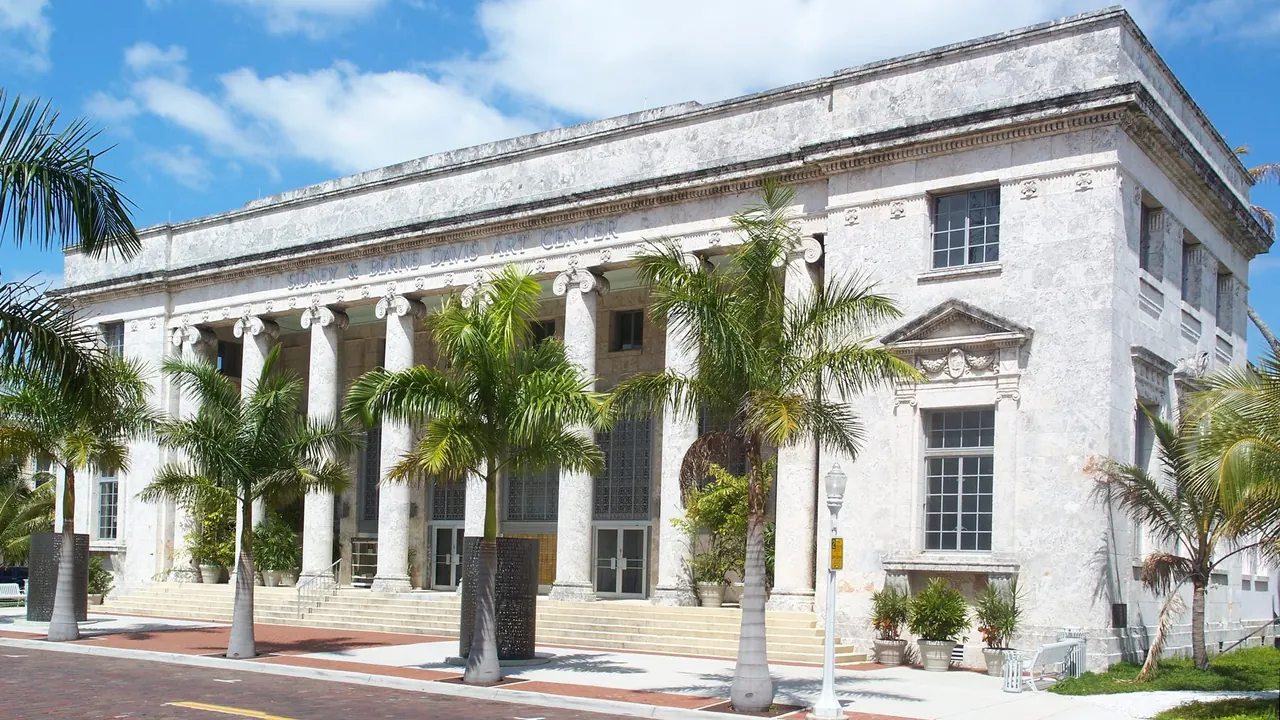
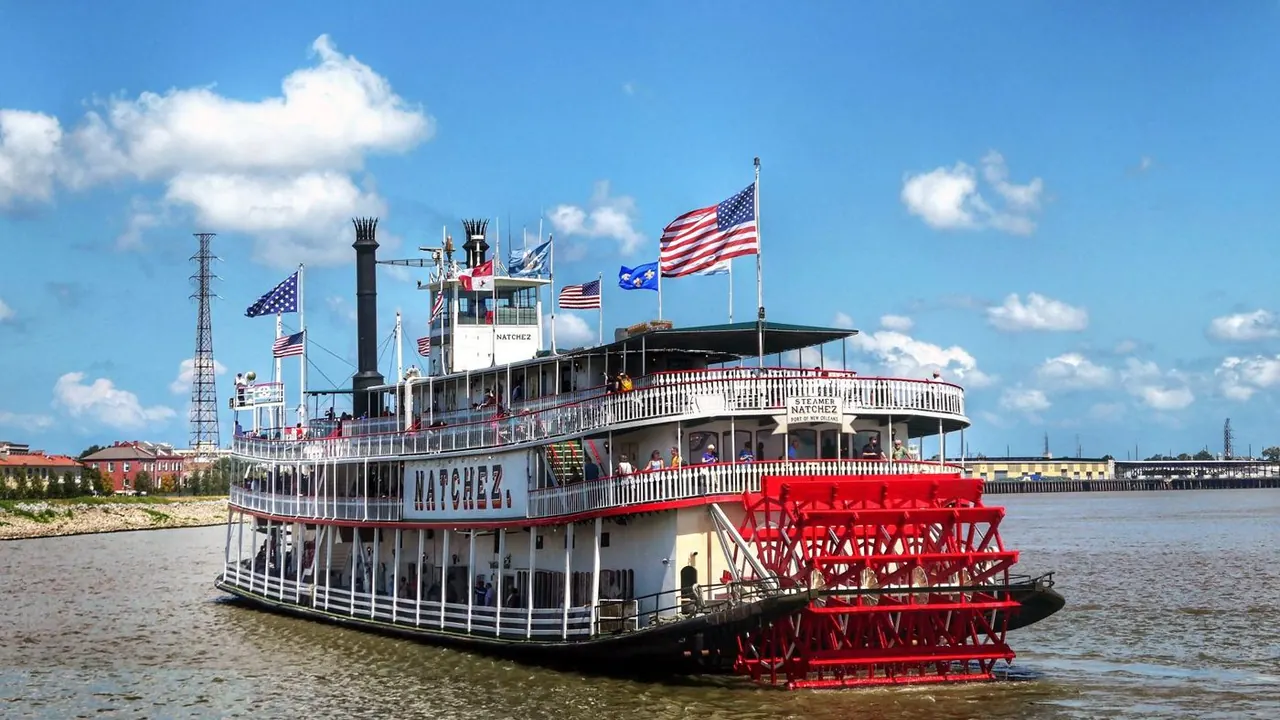
Photos: Fort Myers by Ebyabe, CC BY-SA 3.0, cropped; New Orleans by Bernard Spragg, CC0.
Fort Myers or New Orleans?
Our verdict in twelve categories, each scored against the same fixed benchmark cities, and the climate month by month, so you can choose for your trip.
Choose Fort Myers for
- beaches
- nature and the outdoors
- wellness
Fort Myers suits a slow winter escape built around the Gulf: calm, shallow water on the barrier islands, shell-hunting on Sanibel, wading birds at Ding Darling and quiet evenings. It works best for families with young children and for couples who want sand, sun and wildlife and don't mind driving everywhere.
Choose New Orleans for
- nightlife
- food and drink
- live music and the arts
Travellers who want a city to get to know should pick New Orleans. Creole and Cajun cooking, jazz on Frenchmen Street, the balconies and courtyards of the French Quarter and nights with no closing time give it far more to do on foot. Anyone hoping to swim in the sea will be disappointed, though.
Scoreboard
Twelve categories on one fixed scale from 0 to 100. The shaded stretch is the gap between the two.
Your match
Pick a travel style or drag the sliders, and both match scores follow your weighting.
Wins on beaches and nature and the outdoors with your weighting.
Wins on nightlife and food and drink with your weighting.
What matters to you?
Category by category
What the scores mean for a trip.
Beaches & swimming
This is where the two differ most. Fort Myers has the barrier islands within an hour's drive: busy Fort Myers Beach with its wide pale sand, quieter Lovers Key and Bonita Beach, and Sanibel and Captiva for shelling. The water at all of them is calm and shallow enough for children.
New Orleans sits between a lake and a working river, and nobody swims in either. The closest sand is on the Mississippi coast around Bay St. Louis, where the water is warm but shallow and murky. For most visitors a swim means the hotel pool.
Food & drink
New Orleans is one of the few American cities with a cuisine entirely its own. Creole and Cajun dishes are served in French Quarter dining rooms that are more than a century old and in neighbourhood po'boy shops, and the Sazerac and serious cocktail bars are part of the meal. The seasons shape the menu too, with crawfish in spring and oysters in the cooler months.
Fort Myers eats simply by the water: grouper sandwiches, peel-and-eat shrimp and stone crab on a deck at sunset. Away from the River District and Sanibel, the choice narrows to chains along the highways.
Culture & sights
New Orleans has several days of sightseeing. There are the iron balconies and courtyards of the French Quarter around Jackson Square and the Cabildo, the mansions of the Garden District, the above-ground tombs and the National WWII Museum. Even so, the streets count for more than the museums.
In Fort Myers the Edison and Ford Winter Estates, with their riverside homes, laboratory and gardens, are the one major sight. Add the brick streets of the River District and the palm-lined drive along McGregor Boulevard, and the city is seen in a day.
Nightlife
After dark, New Orleans pulls far ahead. There is no closing time and you can carry drinks along the street, so evenings drift from the neon of Bourbon Street to the music bars of Frenchmen Street and the dive bars of the Bywater. Late at night, watch for pickpockets on Bourbon Street.
Fort Myers winds down early. Most of what goes on is a few pubs and rooftop bars in the River District, a monthly art walk and the sunset crowds by the pier on Fort Myers Beach. Spring break livens things up for a while in March.
Nature & outdoors
Both lie in flat, wet country, but Fort Myers makes more of it. The Ding Darling refuge on Sanibel is a first-rate place for roseate spoonbills and herons, and Corkscrew Swamp has a boardwalk through old-growth cypress. The mangrove tunnels of the Great Calusa Blueway are made for kayaks, and manatees and dolphins appear in winter.
New Orleans has swamp tours past alligators within the hour, the boardwalks of the Barataria Preserve, and the live oaks and lagoons of City Park. That is enough for a morning or two rather than a whole trip.
Day trips
The two are evenly matched for outings, but the outings are different in kind. From Fort Myers they are coastal and easy-going: Naples and its pier, the island villages of Sanibel, Captiva and Boca Grande, and Sarasota's Ringling museum for culture, all by car.
From New Orleans the outings carry more history. The main one is the River Road plantations, where the Whitney tells the story of the people enslaved there. There is also Baton Rouge with its capitol, and the Cajun dance halls around Lafayette at the limit of a day's drive.
Good for families
Fort Myers is the easier choice with young children, mostly because of the water. It has shallow Gulf beaches without surf, shell-hunting on Sanibel and gentle kayak trips, with resort pools for the in-between hours. It has no zoo or aquarium, though, and every outing is by car.
New Orleans has the attractions Fort Myers lacks: the Audubon Zoo, the riverfront aquarium, and the children's museum and carousel in City Park, plus streetcar rides and Mardi Gras parades. Against that, parents have to keep away from Bourbon Street and from some areas after dark.
Getting around
New Orleans can mostly be done without a car. The French Quarter, the Marigny and the Warehouse District are walkable, and the St. Charles streetcar runs out through the Garden District. It is slow, and ride-hailing fills the gaps.
Fort Myers cannot be done without one. The beaches, Sanibel and the nature reserves are spread across a low-density county with sparse buses, and in winter traffic over the bridges to the islands backs up badly.
Shopping & style
Shopping in New Orleans has a character of its own. There are antique dealers and galleries on Royal Street, a long run of boutiques and vintage shops along Magazine Street, and Mardi Gras masks and pralines at the French Market.
Fort Myers is mainly outlet malls and open-air centres off the highway. Sanibel's Periwinkle Way adds shell shops and galleries worth a browse.
Affordability
Neither is a cheap trip, and in both cities costs depend heavily on the time of year. In Fort Myers, beachfront stays on Sanibel cost most in the winter season and a hire car is an unavoidable extra, though the beaches and reserves cost little.
In New Orleans, rooms near the French Quarter are the main expense and rise sharply for Mardi Gras and Jazz Fest. The days themselves stay inexpensive thanks to po'boys, the streetcar and free street music.
Live music & performing arts
Live music is the reason many people go to New Orleans. There is jazz, brass bands, zydeco and funk every night on Frenchmen Street and in Tremé, second-line parades on Sundays and Jazz Fest in spring. Its formal stages are modest.
Fort Myers has a winter season of touring Broadway shows at the Barbara B. Mann hall, a repertory company in a 1908 theatre and a regional orchestra. Beyond that there are bands in bars, and in summer the programme largely stops.
Wellness & relaxation
Neither city has a spa culture, so rest comes from the pace rather than from treatments. Fort Myers makes it easier to relax, with low-rise Sanibel and Captiva, bike paths, resort pools and long walks by the water.
New Orleans can be slow too, in a courtyard guesthouse or on a streetcar under the oaks of St. Charles Avenue, but its nights pull the other way.
When should you go?
Pick your month. The climate figures are measured averages, not a forecast.
Fort Myers in July
New Orleans in July
Daytime high, °C
Rainfall in the month, mm
Where the figures come from
Fort Myers has no rain gauge within 25 km of the centre, so its rainfall comes from a gridded climate dataset read at the city rather than from a gauge further away.
Temperature and rainfall are climate normals, averaged over the years shown. Fort Myers: 1991-2020 normals, Fort Myers / Page Park (4.5 km from centre). New Orleans: 1991-2020 normals, New Orleans Airport (2.7 km from centre).
Fort Myers is at its best in winter. From November to April the days are warm, around 24°C in January, and rain is light, so this is the time for walking and watching wildlife. The Gulf is cool then but swimmable on sunny days, and it warms to about 27°C by May. From June to September the heat holds at about 33°C and more than 200mm of rain falls each month in afternoon storms, though the sea is at its warmest.
New Orleans is cooler in winter, around 17°C in January. That is pleasant for the streets but too cool for the coast. Its rain is spread across the whole year rather than kept to one season. Summer there is as hot and humid as in Fort Myers, so March, April, October and November are the most comfortable months for exploring on foot.
Which traveller are you?
For a beach and sun trip, Fort Myers is the clear choice. The barrier islands have long stretches of fine pale sand and gentle, shallow Gulf water. New Orleans has no swimming beach of its own, and its nearest sand is well over an hour away.
On a food and nightlife trip, New Orleans wins easily. Gumbo, po'boys, crawfish boils and the cocktails invented there lead into nights on Frenchmen Street with no closing time. Fort Myers offers grouper sandwiches and bars that close early.
For a culture and arts trip, New Orleans has the French Quarter, the Garden District mansions, the old cemeteries and live jazz every night of the year. Fort Myers has the Edison and Ford Winter Estates and a winter theatre season, enough for about a day.
Before you go
| Measure | Fort Myers | New Orleans |
|---|---|---|
| Currency | US Dollar (USD) | US Dollar (USD) |
| Sockets | AB120 V, 60 Hz | AB120 V, 60 Hz |
| Driving side | Right | Right |
| Time zone | UTC-5, UTC-4 in summer | UTC-6, UTC-5 in summer |
| Emergency number | 911 | 911 |
| Elevation | 3 m | -2 m |
| Main airport | Southwest Florida International Airport (RSW)12 km from centre79 non-stop destinations | Louis Armstrong New Orleans International Airport (MSY)18 km from centre51 non-stop destinations |
| Public holidays this year | 11 days | 14 days |
By the numbers
| Measure | Fort Myers | New Orleans |
|---|---|---|
| City population | 86,395 | 383,997 |
| People per km² | 681 | 423 |
| Museums within 10 km | 3 | 16 |
| UNESCO World Heritage sites within 50 km | 0 | 0 |
| Swim season, months above 21 °C | 10 months | 7 months |
Where else could you go?
Every comparison below shares a destination with this one, so you can follow Fort Myers or New Orleans somewhere new.