Photos: Los Cabos by Jules Clark, Pexels License; Sayulita by Luisalvaz, CC BY-SA 4.0, cropped.
Los Cabos or Sayulita?
Our verdict in twelve categories, each scored against the same fixed benchmark cities, and the climate month by month, so you can choose for your trip.
Choose Los Cabos for
- nightlife
- culture and sights
- families
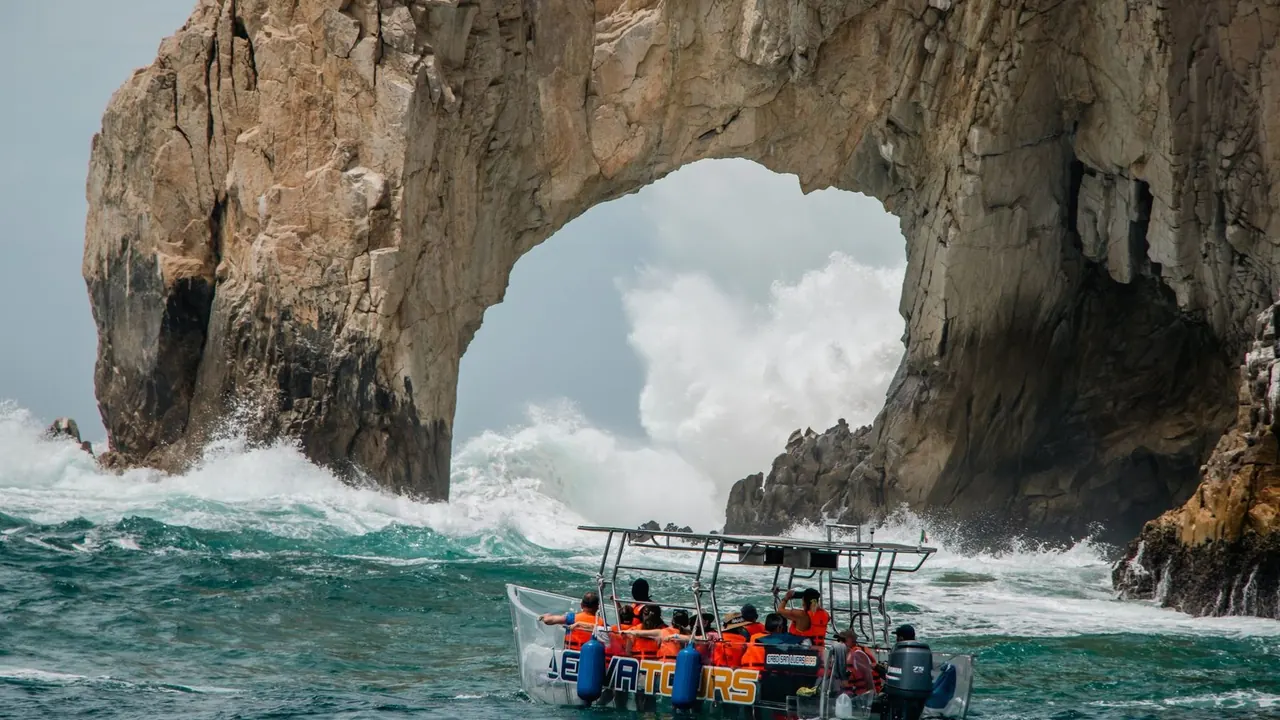
Los Cabos suits travellers who want a polished resort stay with more going on after dark. It offers big all-inclusive hotels with kids' clubs, calm snorkelling coves on the Sea of Cortez, sportfishing and whale trips, and the loud bar streets of Cabo San Lucas when you want them. It costs more and is spread along a highway, so expect to use taxis or a hire car.
Choose Sayulita for
- getting around
- prices
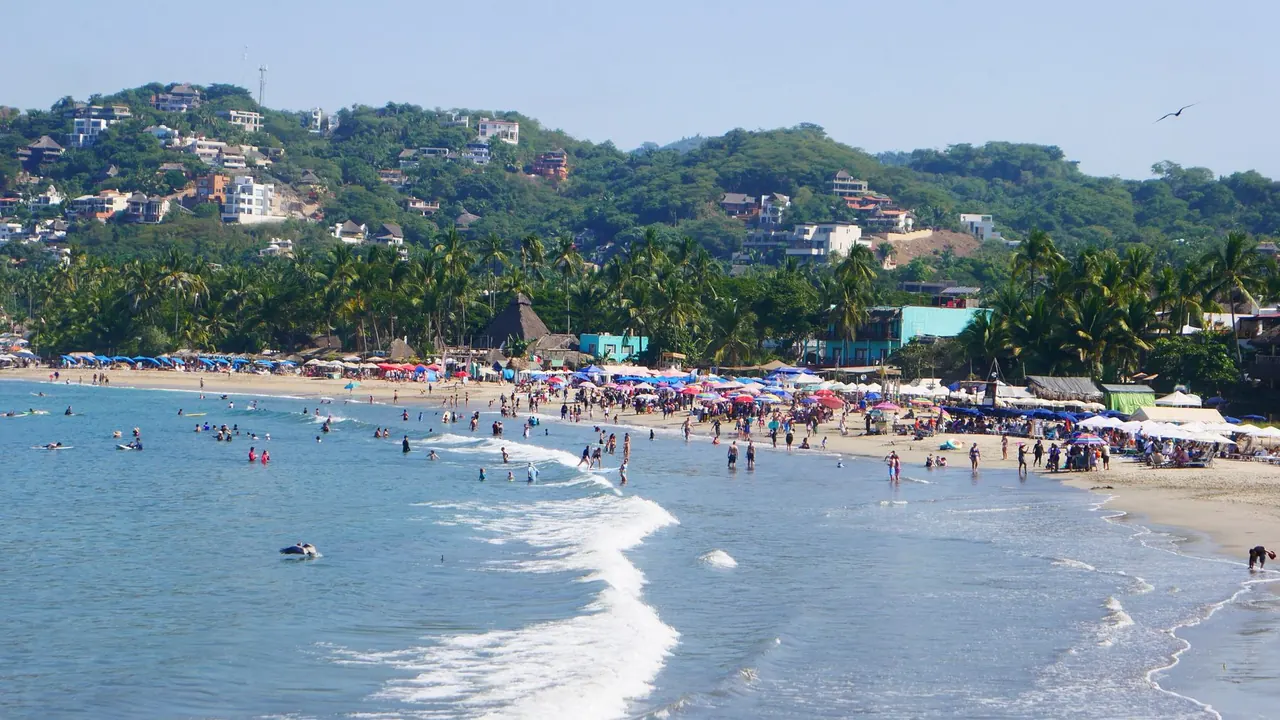
Sayulita is the pick for a slower, barefoot trip built around one bay. You can learn to surf on soft waves, do yoga in the hills, eat tacos on the plaza and have sunset drinks on the sand. It is the cheaper of the two, and once you arrive you can walk everywhere. The trade-offs are smaller evenings and very heavy summer rain.
Scoreboard
Twelve categories on one fixed scale from 0 to 100. The shaded stretch is the gap between the two.
Your match
Pick a travel style or drag the sliders, and both match scores follow your weighting.
Wins on nightlife and culture and sights with your weighting.
Wins on getting around and prices with your weighting.
What matters to you?
Category by category
What the scores mean for a trip.
Beaches & swimming
Both are true beach destinations, but the beaches work very differently. Los Cabos has two coasts. The calm Sea of Cortez side has Medano Beach and snorkelling coves such as Chileno Bay and Santa Maria Bay. On the Pacific side the surf and undertow are too strong, so those beaches are for looking at, not swimming.
Sayulita has a single bay with gentle rolling waves, good for a first surf lesson but crowded. Swimmers often walk to the sheltered cove of Playa de los Muertos or drive to quieter sand at San Pancho and Punta de Mita. Its water is a couple of degrees warmer in winter.
Food & drink
Los Cabos eats better, mostly because of San José del Cabo. It has taco stands, family kitchens and farm restaurants in the hills that cook their own produce, and Baja wines and mezcal are easy to find. The grills around the Cabo San Lucas marina are the part to skip.
Sayulita has the same seafood base of ceviche, aguachile and fish tacos, and its plaza taco stands and beach shacks are good. Beyond those, it is mostly smoothie bowls and international menus, and for a serious dinner people drive to Puerto Vallarta.
Culture & sights
Neither is a sightseeing destination, but Los Cabos has a little more to show. San José del Cabo has a small colonial centre around its plaza and mission church, and an art district with a weekly evening art walk in season. Sayulita offers a plaza, a modest church and a hillside cemetery. Its one real cultural thread is the beaded and yarn art of the Wixárika people, sold in local galleries.
Nightlife
Los Cabos is the clear choice for a night out. The streets behind the Cabo San Lucas marina are lined with loud bars and dance clubs that keep going into the early hours, and Medano's beach bars start well before sunset. The scene is more about volume than craft.
In Sayulita, a night out means a few blocks of mezcal and cocktail bars around the plaza, sunset drinks on the beach and the odd late DJ. It is busy in winter and much quieter in the wet summer. For proper clubs, people go to Puerto Vallarta.
Nature & outdoors
Los Cabos has the richer outdoors, and most of it is out at sea. The deep water off the cape makes it one of the world's great marlin grounds, boats run to the sea lion colony at Land's End, and Cabo Pulmo National Park, about two hours up the East Cape, protects a living coral reef. Away from the coast, the desert of cactus and granite rises into the Sierra de la Laguna, where serious hikes climb into oak and pine forest.
Sayulita is set among green jungle hills rather than desert, and its outdoor life centres on surfing, from beginner waves in the bay to stronger reef breaks at Punta de Mita. In winter humpbacks come into the Bay of Banderas to calve, much as they pass the cape, and boats visit the Marietas Islands reserve. On land there are headland footpaths and mountain biking.
Day trips
Day trips from Los Cabos cross open desert to old mission and mining towns. Sayulita's stay on a green coast of fishing villages, with one real city nearby. From the cape, Todos Santos, about an hour up the Pacific, has adobe streets and an old mission. La Paz on its bay makes a long day, and a car loop takes in the old mining town of El Triunfo and Miraflores, known for its leatherwork.
From Sayulita, Puerto Vallarta is an hour south, with its malecón and the cobbled old town around the crowned church of Our Lady of Guadalupe. San Pancho and Bucerías are short hops, and San Blas, with its colonial ruins and mangrove river trips, makes a longer day.
Good for families
Los Cabos keeps the edge for families, but where you stay matters. The Cabo San Lucas marina gets boisterous at night, so San José del Cabo and the corridor resorts make calmer bases, and the surf on the Pacific beaches means children need close watching there. Glass-bottom boat trips are an easy outing for younger children.
Sayulita suits families whose children already love the water. Surf schools take them out on the gentle waves of the bay, and the sheltered cove of Playa de los Muertos suits younger swimmers. A villa with a pool makes the best base. Neither place has a zoo, aquarium or theme park, so in both the days revolve around the sea.
Getting around
Sayulita is far simpler once you arrive, because you can cross the whole village on foot in ten minutes. Walking is rough, though: cobbles, dirt lanes and almost no pavements, and the centre jams up in peak season. Reaching the neighbouring beaches means a taxi, a rented golf cart or a hire car.
Los Cabos is spread along a resort corridor of about 30km between its two towns. Most hotels are well away from either walkable centre, so visitors depend on taxis, shuttles or a hire car.
Shopping & style
Shopping is a sideline in both, so the difference is in style. Cabo San Lucas has malls and duty-free brands around the marina, but San José del Cabo's galleries and folk art are the better stop. Sayulita has only small boutiques selling linen, embroidered dresses, swimwear, surf gear and Huichol beadwork, enough for an hour or two of browsing.
Affordability
Neither is cheap for Mexico, but Sayulita is easier on a budget. Its rooms and visitor restaurants are priced for North Americans and fill up around Christmas and Semana Santa. Still, cheap local food, the regional bus and the summer low season keep a stay within reach.
Los Cabos is one of the most expensive places in Mexico. Corridor resorts are priced at international luxury levels and restaurants around the marina charge United States beach-resort prices. Staying in San José del Cabo helps only a little.
Live music & performing arts
Neither place has theatre, opera or a concert season. In Los Cabos, live music means cover bands in the Cabo San Lucas bars, mariachi and resort dinner shows. In Sayulita it means acoustic sets in bars during the high season and buskers by the plaza, and Puerto Vallarta is the nearest place for a real performance.
Wellness & relaxation
In Los Cabos, wellness comes through the luxury hotels. The resorts along the corridor compete on their spas, many with outdoor treatment rooms facing the sea and temazcal ceremonies, and beach yoga keeps the pace slow. Cabo San Lucas itself is noisy, so how restful your stay feels depends on where you book.
Sayulita relies on yoga and retreats rather than spas. Hillside shalas run daily classes, villas host week-long retreats, and massage, sound healing and the temazcal are easy to find. The centre gets loud in high season, so for real quiet stay on the hillsides or out towards San Pancho.
When should you go?
Pick your month. The climate figures are measured averages, not a forecast.
Los Cabos in July
Sayulita in July
Daytime high, °C
Rainfall in the month, mm
Where the figures come from
Los Cabos has no weather station within reach, so its figures come from a gridded climate model rather than a measured record, and read a broad area rather than the city itself.
Sayulita has no weather station within reach, so its figures come from a gridded climate model rather than a measured record, and read a broad area rather than the city itself.
Temperature and rainfall are climate normals, averaged over the years shown. Los Cabos: 2001-2020 normals, NASA POWER reanalysis grid, no weather station within 90 km. Sayulita: 2001-2020 normals, NASA POWER reanalysis grid, no weather station within 90 km.
Los Cabos sits on a desert cape and stays dry for most of the year. Only August and September bring real rain, about 99mm in September, and those months are also the hottest at around 31°C. From November to May the days are warm but comfortable for walking the two towns. In spring, though, the sea cools to about 21°C, which feels fresh for long swims. The water is warmest from August to November.
Sayulita has a much stronger wet season. From June to October the rain is very heavy, about 384mm in August, and the heat is humid. November to May is dry and settled, with highs in the mid-20s. Through winter and spring the sea here stays warmer than off the cape, so December to April is the best time to go. Late autumn suits both places, but in summer Los Cabos is clearly the drier choice.
Which traveller are you?
For a food and nightlife trip, Los Cabos wins clearly. Cabo San Lucas has streets of big bars and dance clubs that run into the early hours. San José del Cabo adds farm restaurants and seafood kitchens that go beyond Sayulita's casual tacos and cafés.
On a family trip with children, Los Cabos is the easier choice. All-inclusive resorts with pools and kids' clubs, calm snorkelling coves and simple whale-watching trips do most of the work. In Sayulita, cobbled lanes, golf carts and summer humidity make life with small children harder.
On a trip on a tight budget, your money goes further in Sayulita. Taco stands, fondas, the regional bus and free beaches keep daily costs down, and rooms are cheaper in summer. Los Cabos charges luxury resort prices, and its taxis are expensive.
Before you go
| Measure | Los Cabos | Sayulita |
|---|---|---|
| Official language | Spanish, Nahuatl, Yucatec Maya | Spanish, Nahuatl, Yucatec Maya |
| Currency | Mexican Peso (MXN) | Mexican Peso (MXN) |
| Sockets | AB127 V, 60 Hz | AB127 V, 60 Hz |
| Driving side | Right | Right |
| Time zone | UTC-7 | UTC-6 |
| Emergency number | 911 | 911 |
| Elevation | 11 m | 2 m |
| Main airport | Los Cabos International Airport (SJD)35 km from centre54 non-stop destinations | Puerto Vallarta International Airport (PVR)29 km from centre52 non-stop destinations |
| Public holidays this year | 9 days | 9 days |
By the numbers
| Measure | Los Cabos | Sayulita |
|---|---|---|
| City population | 202,694 | 3,390 |
| Museums within 10 km | 1 | 0 |
| UNESCO World Heritage sites within 50 km | 0 | 1 |
| Swim season, months above 21 °C | 12 months | 12 months |
Where else could you go?
Every comparison below shares a destination with this one, so you can follow Los Cabos or Sayulita somewhere new.