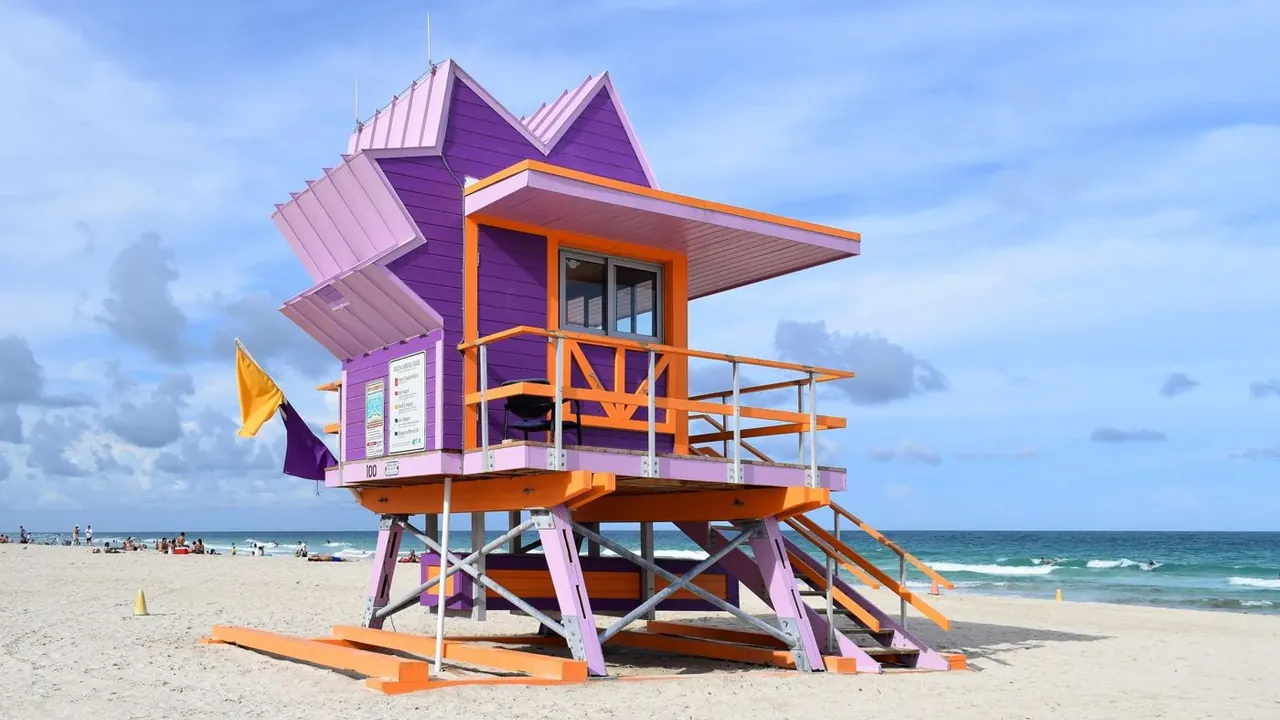
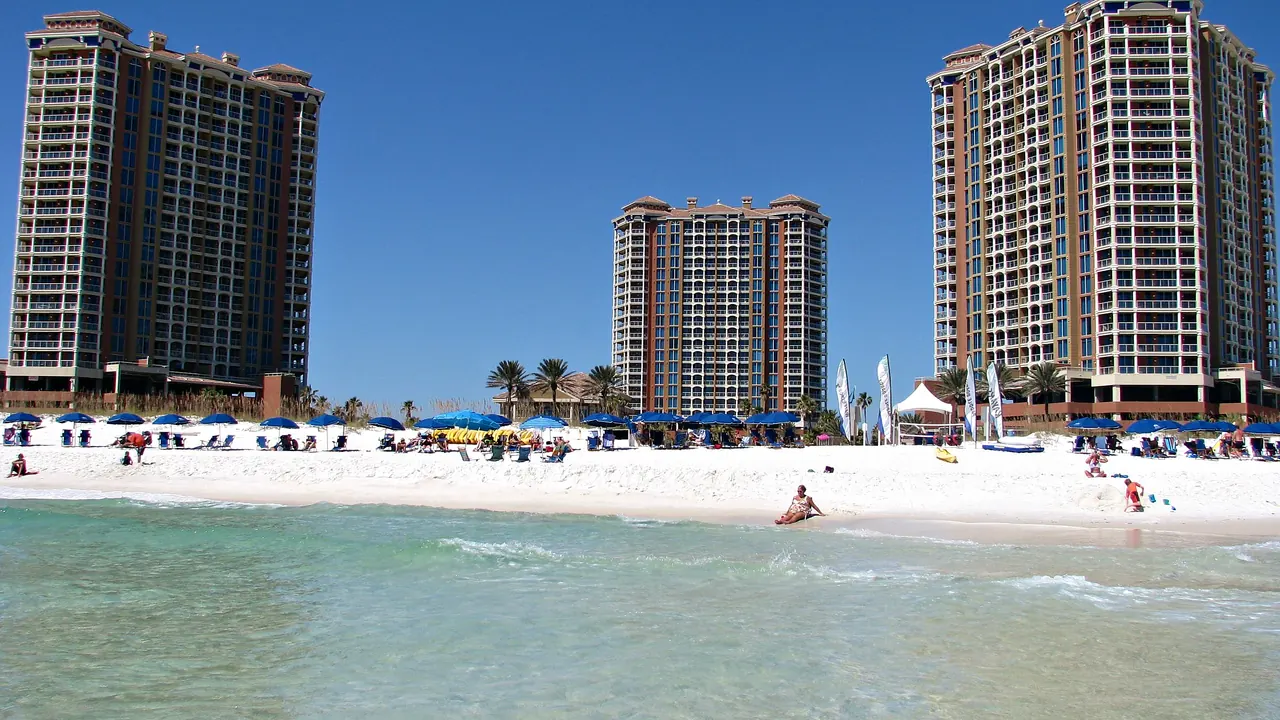
Photos: Miami by Radomianin, CC BY-SA 4.0, cropped; Pensacola by Jason Meredith, CC BY 2.0, cropped.
Miami or Pensacola?
Our verdict in twelve categories, each scored against the same fixed benchmark cities, and the climate month by month, so you can choose for your trip.
Choose Miami for
- shopping
- nightlife
- food and drink
Miami suits travellers who want a beach vacation with a big city attached. That means Cuban and Latin American cooking, nights that run from South Beach clubs to salsa on Calle Ocho, luxury shopping in the Design District and a sea warm enough to swim in during January. It is the stronger choice for winter sun and for anyone who wants the evenings to be as full as the days, as long as the budget can stretch.
Choose Pensacola for
- prices
- day trips
Pensacola is the calmer and cheaper option on the Gulf Coast. It is built around the white quartz sand of Santa Rosa Island and the protected dunes of the national seashore. It rewards families and couples who want a summer week on the beach, plates of chargrilled oysters and a quiet drink downtown, and who are happy to give up nightlife and shopping for a slower pace and smaller bills.
Scoreboard
Twelve categories on one fixed scale from 0 to 100. The shaded stretch is the gap between the two.
Your match
Pick a travel style or drag the sliders, and both match scores follow your weighting.
Wins on shopping and nightlife with your weighting.
Wins on prices and day trips with your weighting.
What matters to you?
Category by category
What the scores mean for a trip.
Beaches & swimming
Both are serious beach destinations, and Miami's lead comes from the calendar. Its Atlantic shore is warm enough for swimming in every month, and it has more variety, from the Art Deco front of South Beach to the shallow, sheltered water at Crandon Park on Key Biscayne. The setting is built-up, though, and sargassum can wash in during the warmer months.
Pensacola's beaches are the more natural setting: very white quartz sand, low dunes on the protected national seashore, clear green water and calm sound-side shallows for small children. The swimming season is shorter, roughly late May to early October, and rip currents on rougher days mean you need to watch the warning flags.
Food & drink
Miami has far more to eat. Cuban food is the core, from cafecito at the ventanita windows to lechon on Calle Ocho. Around it are Venezuelan, Colombian, Peruvian, Haitian and Nicaraguan kitchens, stone crab in winter and an upscale tier of chef-led restaurants in Brickell and the Design District.
Pensacola does one thing well, and that is Gulf seafood: chargrilled oysters, royal red shrimp and grouper sandwiches eaten at casual places by the water. Palafox Street adds modern Southern cooking and craft breweries, but there is little international food, and the beach strip relies on chains.
Culture & sights
Miami has the more distinctive sights. The 1930s Art Deco district stretches along Ocean Drive and Collins Avenue, Vizcaya's Italianate villa and gardens sit on Biscayne Bay, and the museums range from the Perez to the Wolfsonian, with Wynwood's murals alongside.
Pensacola's history goes further back but is smaller in scale. It has colonial and Victorian houses around Plaza Ferdinand, the brick Fort Pickens and the huge National Naval Aviation Museum, which sits on an active base with ID checks. Each city can be covered in a few days.
Nightlife
This is where the two cities differ most. Miami goes out late and hard: big South Beach clubs with international DJs and dress codes, downtown venues open until dawn, warehouse parties in Wynwood and rooftop bars in Brickell.
Pensacola's nights are spent in pubs, cocktail bars and brewery taprooms on Palafox Street and in the Seville Quarter, in sand-floored beach bars in summer, and at the rowdy roadhouse on the state line at Perdido Key. There are hardly any clubs, and out of season the town goes quiet early.
Nature & outdoors
Both are flat, watery landscapes without a hill in sight, and both are hard going in the summer heat. The difference is in the kind of wild: Miami has the Everglades on its doorstep, with alligators along the Anhinga Trail and airboat rides. It also has snorkelling in Biscayne National Park and the Key Largo reefs about an hour south.
Pensacola's outdoors is coastal and gentler. There are boardwalks and a bike path through the national seashore's dunes, dolphins in the bay and clear-water canoeing on the Blackwater River inland, and a sunken aircraft carrier offshore draws experienced divers. Winter is the outdoor season in Miami, while in Pensacola it is spring and autumn.
Day trips
Neither city is a great base for excursions, and from both a car is close to essential. From Miami the choice is Palm Beach's Gilded Age mansions or a seafood day in the Upper Keys. Key West is too far for a comfortable return trip in one day.
From Pensacola, Mobile is the outing with the most character, with antebellum streets and an old Mardi Gras tradition about an hour away. Heading east along the coast you reach Destin and the planned resort towns of Seaside and Rosemary Beach, though these are more beach towns.
Good for families
Both work for a beach vacation with children, with warm, calm water and hotels or condos built around pools, and both suffer in the summer heat. Miami has more for restless days, from the open-air Zoo Miami and the aquarium at the Frost Science Museum to Everglades airboats. The trade-offs are long drives and the party side of South Beach.
Pensacola is smaller and simpler. It has shallow sound-side water for toddlers, condos with kitchens, the aircraft at the naval aviation museum and the tunnels at Fort Pickens. Neither city has the big theme parks nearby.
Getting around
Neither works well without a car, but Miami gives you more options. South Beach is flat and easy on foot or by bike, the free Metromover links downtown and Brickell, and the Metrorail runs from the airport. The Metrorail never reaches Miami Beach, though, so ride-hailing fills the gaps.
In Pensacola, only downtown around Palafox Street and the historic district is really walkable, and a trolley runs on the beach strip in season. The beach, the naval air station and Perdido Key are spread out along highways and bridges, so almost every outing means a drive.
Shopping & style
Miami is a real shopping destination. The Design District gathers the big fashion houses among architect-designed buildings, Bal Harbour is about as exclusive as American malls get, and Aventura and the outlets on the western edge cover the rest. Local crafts are scarce, apart from cigars and guayaberas in Little Havana.
Pensacola has a handful of independent boutiques and antique shops on Palafox Street, crafts at the Saturday market and a standard regional mall. It is fine for souvenirs, but nobody goes there to shop.
Affordability
Miami costs more at nearly every turn. Beachfront rooms are dear in winter and come with resort fees and parking charges, tax and tipping push up every bill, and drinks in South Beach clubs are among the costliest anywhere. Free beaches, the free Metromover and cheap Cuban lunch counters soften the cost a little.
Pensacola is the cheaper trip, though not a cheap one. Rooms in town and inland cost noticeably less than those on the beach, island prices fall sharply out of season, and casual seafood and the free naval aviation museum keep daily spending moderate. In both cities, remember to budget for car hire.
Live music & performing arts
Miami's stage is larger and more varied. The Adrienne Arsht Center hosts Florida Grand Opera and touring Broadway shows, Miami City Ballet is a company of real standing, and the New World Symphony plays in its Frank Gehry building, with screenings on the lawn outside. The most local sound is Latin music, with salsa and timba bands in Little Havana.
Pensacola's restored 1925 Saenger Theatre is home to a symphony, opera and ballet on a regional scale. It makes for a good night out rather than a reason to travel.
Wellness & relaxation
Miami has more to offer someone who wants to be looked after, but in a noisier setting. The resort hotels on Miami Beach and Key Biscayne give it a proper spa culture, and an old bath house adds something closer to a real bathing tradition. The trouble is that the city rarely winds down. Rest here is something you book into a day, and it holds up best if you sleep away from South Beach.
Pensacola works the other way round. You will find little more than a hotel treatment room, but the place itself is easier on the nerves, and once summer is over Santa Rosa Island and Perdido Key empty out and slow down. It suits a week of doing very little better than a week of being pampered.
When should you go?
Pick your month. The climate figures are measured averages, not a forecast.
Miami in July
Pensacola in July
Daytime high, °C
Rainfall in the month, mm
Temperature and rainfall are climate normals, averaged over the years shown. Miami: 1991-2020 normals, Miami International Airport (10 km from centre). Pensacola: 1991-2020 normals, Pensacola / Pleasant Grove (12.3 km from centre).
Miami is warm all year. Even in January the days reach about 25°C and the sea stays warm enough to swim, so November to April is the best stretch: dry, warm and comfortable for walking the Art Deco streets. From May the rain arrives in heavy afternoon storms and peaks at around 267mm in June. Summer adds 33°C heat and humidity, so sightseeing on foot is best kept to the mornings.
Pensacola has a real winter. Highs fall to around 17°C in January and the Gulf cools to about 18°C, so the swimming season runs from late May to early October, when the water is as warm as Miami's. Rain is spread through the year rather than packed into one season, and the wettest months are in midsummer. April, May and October are the pleasant months for the historic district and the seashore trails. July and August are as hot as Miami.
Which traveller are you?
On a food and nightlife trip, Miami is the clear choice. Cuban lunch counters, Peruvian ceviche and Haitian cooking give it a range that Pensacola's seafood houses cannot match. Its nights run from South Beach clubs and Wynwood warehouse bars to salsa in Little Havana.
For a shopping trip, Miami wins by a long way. The fashion flagships in the Design District, the exclusive mall at Bal Harbour and the enormous Aventura Mall are reasons to go in themselves. Pensacola offers a few boutiques on Palafox Street, a Saturday market and a regional mall.
On a trip on a tight budget, Pensacola makes the money go further. Rooms inland and out of season cost noticeably less, casual seafood is fairly priced, the naval aviation museum is free and the seashore costs little. In Miami, resort fees, club drinks and tipping add up quickly.
Before you go
| Measure | Miami | Pensacola |
|---|---|---|
| Currency | US Dollar (USD) | US Dollar (USD) |
| Sockets | AB120 V, 60 Hz | AB120 V, 60 Hz |
| Driving side | Right | Right |
| Time zone | UTC-5, UTC-4 in summer | UTC-6, UTC-5 in summer |
| Emergency number | 911 | 911 |
| Elevation | 2 m | 31 m |
| Main airport | Miami International Airport (MIA)7 km from centre198 non-stop destinations | Pensacola International Airport (PNS)6 km from centre27 non-stop destinations |
| Public holidays this year | 11 days | 11 days |
By the numbers
| Measure | Miami | Pensacola |
|---|---|---|
| City population | 442,241 | 54,312 |
| People per km² | 3,046 | 515 |
| Museums within 10 km | 17 | 5 |
| UNESCO World Heritage sites within 50 km | 0 | 0 |
| Swim season, months above 21 °C | 12 months | 7 months |
Where else could you go?
Every comparison below shares a destination with this one, so you can follow Miami or Pensacola somewhere new.