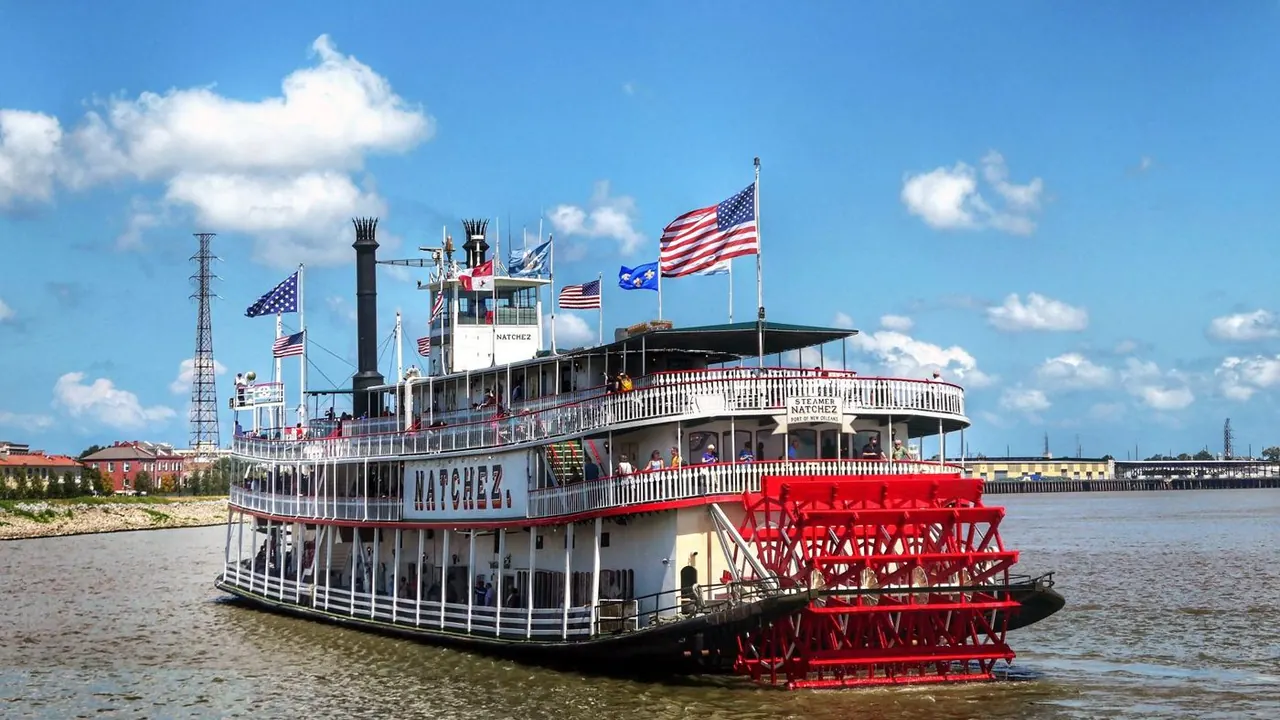
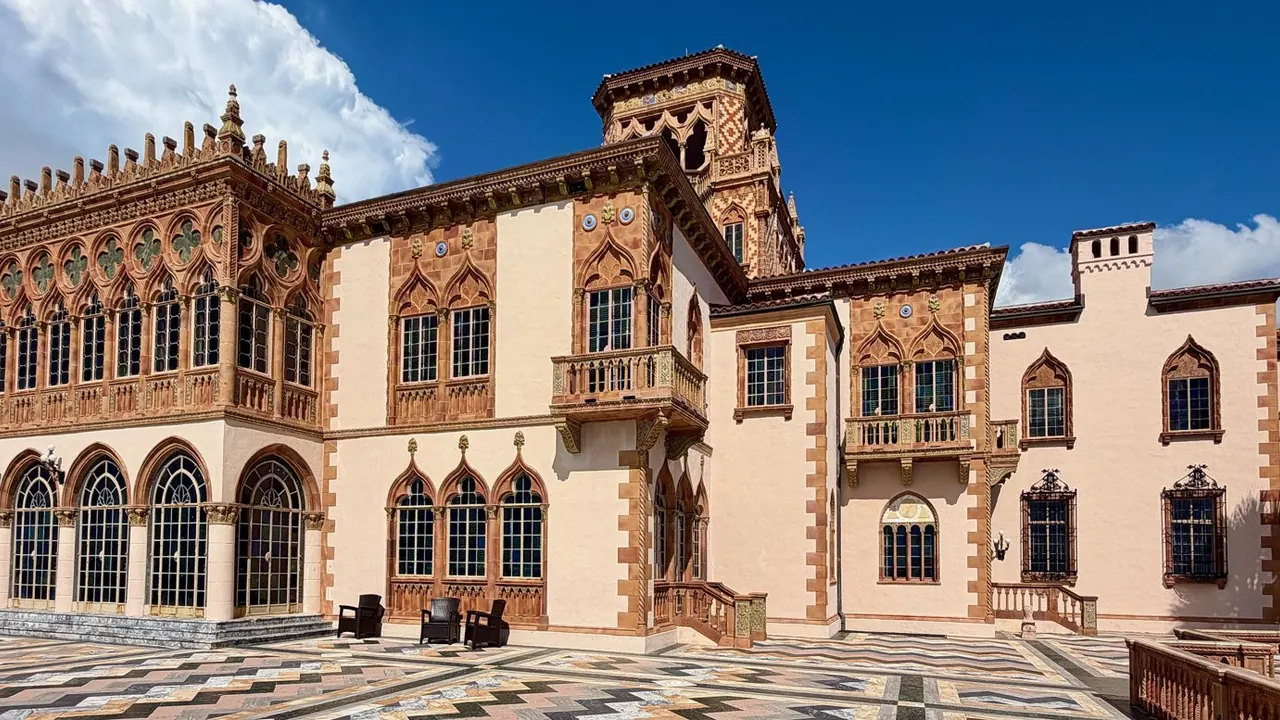
Photos: New Orleans by Bernard Spragg, CC0; Sarasota by Oleg Yunakov, CC BY-SA 4.0, cropped.
New Orleans or Sarasota?
Our verdict in twelve categories, each scored against the same fixed benchmark cities, and the climate month by month, so you can choose for your trip.
Choose New Orleans for
- nightlife
- food and drink
- getting around
New Orleans is for travellers who want a city with a voice of its own. Creole and Cajun cooking, jazz in the clubs of Frenchmen Street and on street corners, and nights that drift from bar to bar with no closing time are the heart of it. The French Quarter and the Garden District reward walking, and the streetcars cover much of the rest. Come for the food, the music and the streets, because there is no beach worth the name.
Choose Sarasota for
- beaches
- wellness
- nature and the outdoors
Choose Sarasota for a slower, sunnier trip built around the sea. The white quartz sand of Siesta Key and the calm, shallow Gulf water make it the better pick for families and for anyone who wants long beach days. Kayaking in the mangroves and a day at the Ringling add variety. Evenings are quiet, the cooking is pleasant rather than memorable, and you will need a car.
Scoreboard
Twelve categories on one fixed scale from 0 to 100. The shaded stretch is the gap between the two.
Your match
Pick a travel style or drag the sliders, and both match scores follow your weighting.
Wins on nightlife and food and drink with your weighting.
Wins on beaches and wellness with your weighting.
What matters to you?
Category by category
What the scores mean for a trip.
Beaches & swimming
This is the widest gap between the two cities. New Orleans sits on a working river and beside a lake nobody bathes in, so swimming means a hotel pool or a drive of well over an hour to the shallow, murky water around Bay St. Louis.
Sarasota is built around its beaches: the powdery quartz sand of Siesta Key, Lido Key a short hop from downtown, quieter Longboat Key and Anna Maria Island, and shark-tooth hunting at Venice. The water is calm and warm for half the year, though it is worth checking for red tide before a beach day.
Food & drink
New Orleans is one of the few American cities where the food alone justifies the trip. It has a cuisine of its own, rich and heavy as it is: Creole and Cajun cooking, century-old dining rooms in the French Quarter, po'boy shops in Mid-City, beignets by Jackson Square and cocktails that were invented here.
Sarasota eats well but has no local signature. Gulf grouper and stone crab by the water on the keys, the dining rooms of Main Street and St Armands Circle, and the Amish pie of Pinecraft make for pleasant meals rather than a reason to come.
Culture & sights
New Orleans has the richer and more complete historic townscape. There are the French Quarter's iron balconies and courtyards around Jackson Square and the Cabildo, the mansions of the Garden District, the above-ground tombs and the National WWII Museum. The list of museums is short, but the streets themselves carry the history.
Sarasota has one major draw in the Ringling, with its Rubens canvases, the Ca' d'Zan mansion and the circus museum. Architecture enthusiasts can add the mid-century modernist houses, but beyond that there is no old quarter to wander.
Nightlife
Nightlife is where New Orleans pulls furthest ahead. There is no closing time and drinks are allowed on the street, so evenings run from the neon of Bourbon Street to the music bars of Frenchmen Street and the corner bars of the Bywater. Late at night, pickpockets and rough side streets call for care.
Sarasota winds down early. A glass of wine on Main Street or a sunset drink at a beach bar in Siesta Key Village is the typical night out, and anyone who wants more drives up to Tampa or St Petersburg.
Nature & outdoors
Both cities are flat, and in both the appeal lies in water and wildlife. Sarasota has the edge. Myakka River State Park, half an hour inland, has open prairie, a treetop walkway and alligators, and the bay and the mangrove tunnels off Lido Key put dolphins and manatees within paddling distance for most of the year.
New Orleans offers cypress swamps and bayous by boat or kayak, the boardwalks of the Barataria Preserve and the old oaks of City Park. Its outdoor season is shorter, with spring and late autumn the comfortable times.
Day trips
The two are evenly matched for outings, but the trips differ in kind. From New Orleans they are about history and Louisiana culture: the River Road plantations, where the Whitney tells the story of the enslaved, the capitol at Baton Rouge and the Cajun prairie towns two hours west.
From Sarasota they lead to other parts of Florida. There is St Petersburg and its Dalí Museum across the Sunshine Skyway, Ybor City in Tampa, Greek Tarpon Springs, and the Edison and Ford winter estates at Fort Myers.
Good for families
Sarasota is the easier place to bring children. The calm, shallow water off Siesta Key and Lido Key, the sharks and manatees at Mote Marine and the circus model at the Ringling all suit young children. The town is safe and relaxed, though you need a car for almost everything.
New Orleans has more for children than its reputation suggests, from Audubon Zoo and the riverfront aquarium to streetcar rides and the parades on St. Charles Avenue. Hot summers and the need to watch where you walk after dark make it harder work.
Getting around
New Orleans is far easier without a car. The French Quarter, the Marigny and the Warehouse District are all walkable, and the St. Charles streetcar runs through the Garden District. Ride-hailing covers the airport and the swamps.
Sarasota is car country. Downtown, St Armands Circle and Siesta Key Village are each pleasant on foot, and a trolley runs along Siesta Key. The buses are infrequent, though, so most visitors hire a car and sit in winter traffic on the bridges to the keys.
Shopping & style
New Orleans has more to browse, and more of it belongs to the place. Royal Street has its antique dealers and galleries, Magazine Street has miles of independent and vintage shops, and the French Market sells Mardi Gras masks and hot sauces. Neither city does designer labels well.
In Sarasota, shopping is a gentle resort pastime. It centres on the resort wear, jewellery and galleries of St Armands Circle and the boutiques of Main Street and Palm Avenue, with a regional mall for the chains.
Affordability
Neither city is cheap, but New Orleans stretches a budget a little further. Po'boys, neighbourhood bars, the streetcar and free street music keep daily spending down, and rooms along the streetcar lines cost less than those in the Quarter.
In Sarasota, a hire car adds to the bill and meals come at resort prices. Beachfront stays on Siesta Key and Longboat Key are at their most expensive in winter. The public beaches help, and summer is noticeably cheaper.
Live music & performing arts
The two differ in kind as much as in depth. New Orleans has the stronger offer for most visitors because the music is everywhere, every night: jazz, brass bands, zydeco and funk on Frenchmen Street and in Tremé, second lines on Sundays and Jazz Fest in spring. Its formal stage is modest.
Sarasota is the reverse: a small city with a real season, mostly from autumn to spring. There is opera in a restored 1920s theatre, the Sarasota Ballet with its Ashton repertoire, a full orchestra and the Asolo Rep, but little live music in clubs.
Wellness & relaxation
Sarasota is the more restful of the two. Its unhurried pace, the spas on Longboat Key and Lido Key, sunrise yoga on the sand and the spring-fed pool at Warm Mineral Springs, warm all year, suit a vacation spent unwinding.
New Orleans has hotel day spas and little else, and the Quarter at night is anything but calm. Even so, a courtyard guesthouse and a slow streetcar ride under the oaks have a quiet of their own.
When should you go?
Pick your month. The climate figures are measured averages, not a forecast.
New Orleans in July
Sarasota in July
Daytime high, °C
Rainfall in the month, mm
Where the figures come from
Sarasota has no rain gauge within 25 km of the centre, so its rainfall comes from a gridded climate dataset read at the city rather than from a gauge further away.
Sarasota's sunshine is measured 70 km from the centre, at Tampa International Airport.
Temperature and rainfall are climate normals, averaged over the years shown. New Orleans: 1991-2020 normals, New Orleans Airport (2.7 km from centre). Sarasota: 2006-2020 (sunshine 1991-2020, rainfall 1991-2020) normals, Sarasota / Ballentine Manor (6.7 km from centre).
New Orleans is at its best in spring and again from October to early December, when the days are warm enough to walk the Quarter in comfort. From May to September it is hot and sticky, around 33°C at the peak, and early summer is the wettest stretch. Winter days drop to about 17°C in January, which is cool but fine for sightseeing. The Gulf is warm enough to swim in from late spring to early autumn, though the nearest sand is a long drive away.
Sarasota stays warmer through the winter, near 22°C in January, and its dry, sunny season from November to April is the time for days outdoors. In January and February, though, the sea is too cool for most swimmers. Summer brings bathwater sea near 30°C, but also heavy afternoon storms, and August is the wettest month at around 227mm. March to May is the sweet spot, with plenty of sun, little rain and the water warming nicely by May.
Which traveller are you?
On a beach and sun trip, Sarasota wins outright. Siesta Key's fine white sand and calm, warm Gulf water are on the doorstep. New Orleans has no swimming beach, and its nearest sand, on the Mississippi coast, is well over an hour away.
For a food and nightlife trip, New Orleans is in another league. Gumbo, po'boys, oysters and crawfish boils lead into nights of live jazz on Frenchmen Street with no closing time. Sarasota offers good seafood and wine bars that go quiet early.
On a family trip with young children, Sarasota is the easier choice. Its gentle, shallow water, the Mote Marine aquarium and a calm, safe town suit small children. New Orleans has a good zoo and aquarium, but hot summers and some streets to avoid at night.
Before you go
| Measure | New Orleans | Sarasota |
|---|---|---|
| Currency | US Dollar (USD) | US Dollar (USD) |
| Sockets | AB120 V, 60 Hz | AB120 V, 60 Hz |
| Driving side | Right | Right |
| Time zone | UTC-6, UTC-5 in summer | UTC-5, UTC-4 in summer |
| Emergency number | 911 | 911 |
| Elevation | -2 m | 7 m |
| Main airport | Louis Armstrong New Orleans International Airport (MSY)18 km from centre51 non-stop destinations | Sarasota Bradenton International Airport (SRQ)7 km from centre70 non-stop destinations |
| Public holidays this year | 14 days | 11 days |
By the numbers
| Measure | New Orleans | Sarasota |
|---|---|---|
| City population | 383,997 | 54,842 |
| People per km² | 423 | 840 |
| Museums within 10 km | 16 | 3 |
| UNESCO World Heritage sites within 50 km | 0 | 0 |
| Swim season, months above 21 °C | 7 months | 8 months |
Where else could you go?
Every comparison below shares a destination with this one, so you can follow New Orleans or Sarasota somewhere new.