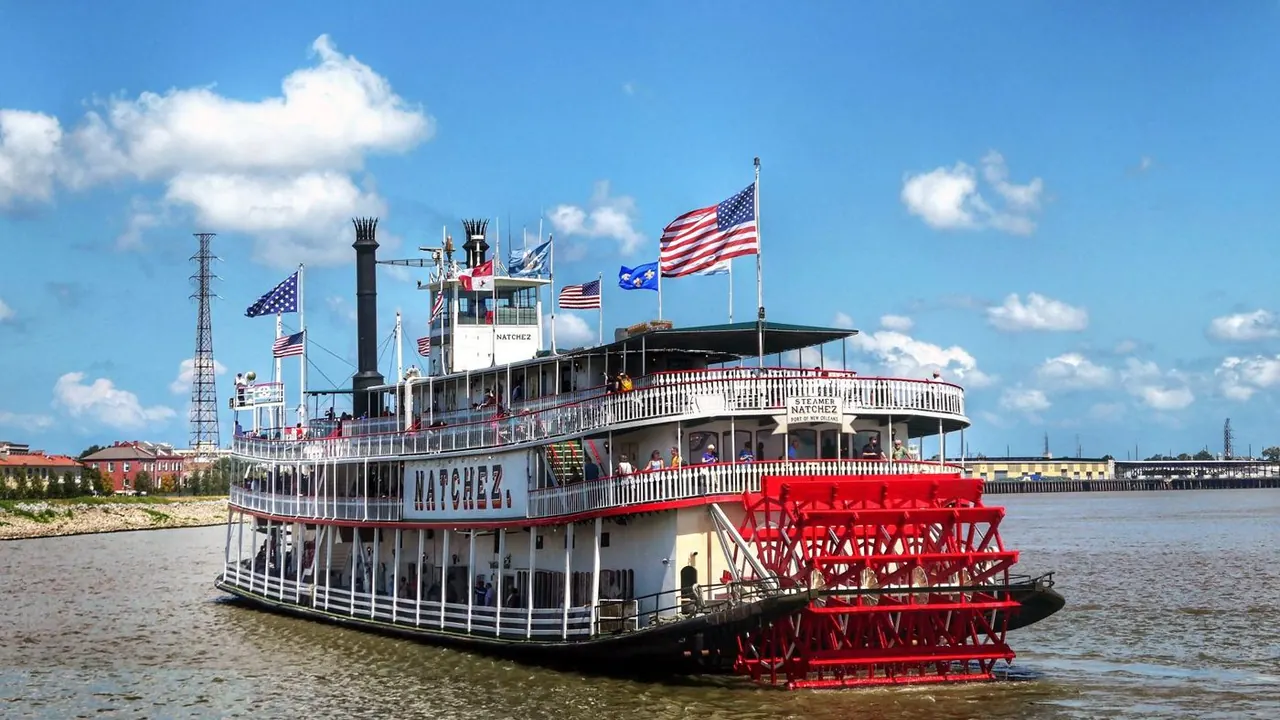
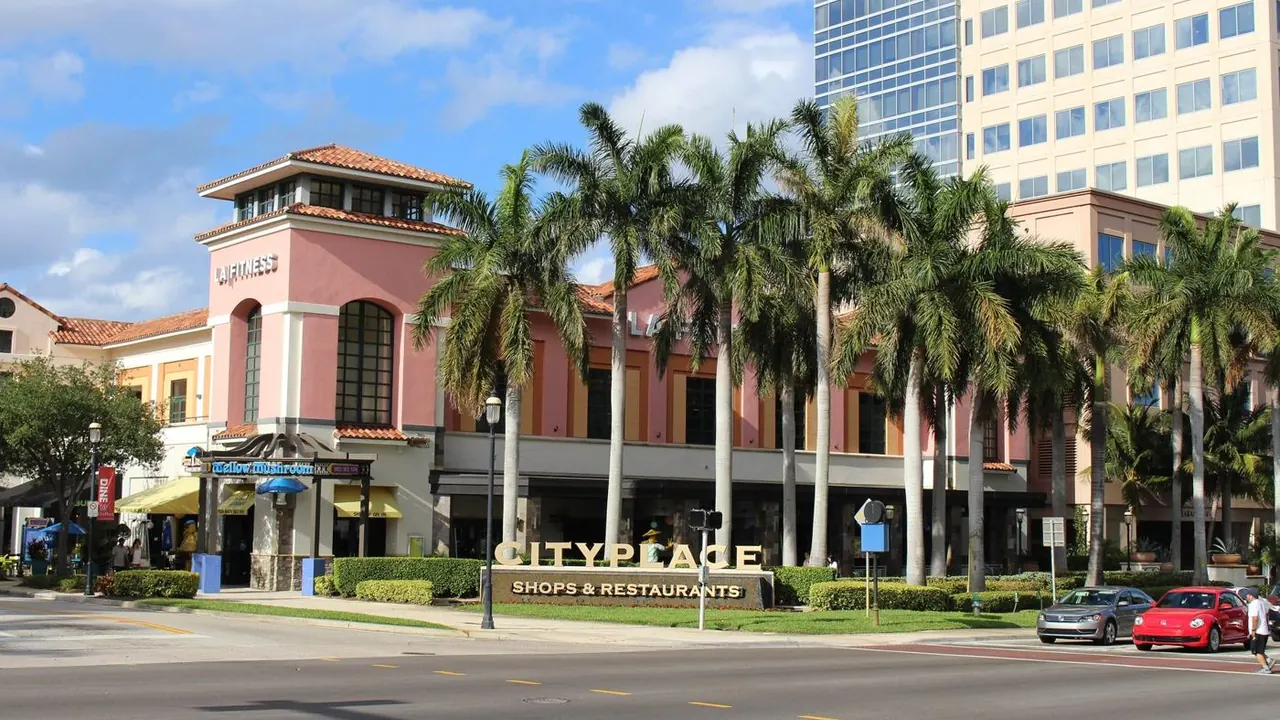
Photos: New Orleans by Bernard Spragg, CC0; West Palm Beach by Michael Rivera, CC BY-SA 4.0, cropped.
New Orleans or West Palm Beach?
Our verdict in twelve categories, each scored against the same fixed benchmark cities, and the climate month by month, so you can choose for your trip.
Choose New Orleans for
- nightlife
- live music and the arts
- food and drink
New Orleans is the choice for a trip built around evenings and appetite. Its Creole and Cajun cooking, its jazz played on any night of the year and its late, street-level bar life are all its own, and the French Quarter gives it an old town you can walk round. It suits couples and friends who want to eat, drink, listen and wander, and who don't mind that there is no beach or spa.
Choose West Palm Beach for
- beaches
- wellness
- nature and the outdoors
West Palm Beach suits a slower, sunnier stay with the sea at the centre of it. Warm Atlantic water, calm lagoon swimming, reef snorkelling and the polish of Palm Beach make it the better base for families and anyone who wants long days outdoors and quiet evenings. You pay more for it and you will probably need a car.
Scoreboard
Twelve categories on one fixed scale from 0 to 100. The shaded stretch is the gap between the two.
Your match
Pick a travel style or drag the sliders, and both match scores follow your weighting.
Wins on nightlife and live music and the arts with your weighting.
Wins on beaches and wellness with your weighting.
What matters to you?
Category by category
What the scores mean for a trip.
Beaches & swimming
This is the biggest difference between the two cities. New Orleans sits on a working river and a lake nobody bathes in. The nearest sand is on the Mississippi coast around Bay St. Louis, more than an hour's drive away, and the water there is shallow and brownish.
West Palm Beach has real beaches a short bike ride across the bridges, from Midtown Beach and Phipps Ocean Park on Palm Beach to the broader, quieter sands of Singer Island and Juno. Peanut Island's sheltered lagoon suits children and snorkellers. Because the Gulf Stream runs close to the shore, you can swim all year.
Food & drink
Eating is one of the main reasons to go to New Orleans. Creole and Cajun cooking, old-line French Quarter dining rooms, po'boy counters in Mid-City and the Bywater, beignets by Jackson Square and cocktails born in the city make it a food trip in itself. The catch is that the food is rich and heavy, and there is little beyond the local tradition.
West Palm Beach eats well but in a more ordinary way, with grilled grouper and snapper, stone crab claws in season and waterfront terraces on Clematis Street. The more interesting meals are in the Cuban and Haitian bakeries away from the centre.
Culture & sights
New Orleans has the deeper sightseeing. The French Quarter is a rare intact colonial town for the United States, with the Cabildo on Jackson Square, where Louisiana passed to the United States in 1803. Then there are the Garden District mansions, the above-ground tombs and the National WWII Museum. Even so, much of the pleasure is in the streets and the heritage rather than in museums.
West Palm Beach has less to see but some of it is polished. The Norton Museum of Art has a strong collection, and Flagler's marble Whitehall tells the story of the railway that built this coast. Add an afternoon among the Mediterranean Revival villas of Palm Beach and you have seen most of it.
Nightlife
New Orleans is one of the great American cities for a night out. Bars have no legal closing time and you can carry a drink along the street. Nights move on foot from Frenchmen Street in the Marigny to dive bars in the Bywater, with Bourbon Street as the loud neon option. Neither city is really about clubbing, but in New Orleans that hardly matters.
West Palm Beach offers a few lively blocks of cocktail bars and rooftop terraces around Clematis Street and Rosemary Square, busy mainly on Friday and Saturday nights. Palm Beach goes to bed early, and serious clubbers go down to Miami.
Nature & outdoors
Both cities are flat and watery, but West Palm Beach gets you closer to the water. The Gulf Stream brings reefs and drift dives close offshore, and the shore dive under the Blue Heron Bridge is famous for its seahorses and octopus. Turtles nest on the beaches around Juno and Jupiter, and the Lake Trail makes an easy cycle along the lagoon.
New Orleans offers swamp rather than sea. Boat and kayak tours go into cypress bayous with alligators and Spanish moss, the Barataria Preserve has boardwalks, and City Park has old live oaks. In both cities, summer heat limits outdoor time to the early hours.
Day trips
The two are about level here, and in both the choice soon runs thin. From New Orleans, the outings carry more history: the River Road plantations, with the Whitney facing slavery directly, and the Cajun prairie towns to the west with their dance halls.
West Palm Beach's best trip is a city rather than a story. Miami is about an hour away by fast train, for South Beach, Little Havana and Wynwood. Otherwise it is a string of coastal towns, from Delray Beach with its Japanese gardens to Jupiter's lighthouse.
Good for families
West Palm Beach is the easier place for children. Calm, warm water at Peanut Island and the guarded beaches, Lion Country Safari's drive-through animals and the manatees at Manatee Lagoon fill the days easily, and the town feels relaxed. The drawback is that nearly every outing needs a car.
New Orleans does better than its reputation suggests, with the Audubon Zoo, the riverfront aquarium, the carousel and children's museum in City Park, and streetcar and paddle-steamer rides. But parents have to plan around the summer heat, Bourbon Street at night and which streets to walk after dark.
Getting around
New Orleans is easier to manage without a car. The French Quarter, the Marigny and the Warehouse District lie in one flat, walkable band by the river, and the historic St. Charles streetcar carries you to the Garden District and Uptown. It is slow, and the airport and swamps need ride-hailing.
West Palm Beach has a walkable downtown with a free trolley and good rail links south to Miami, but beyond the centre it is car country. The beaches, the zoo and the safari park are spread along wide roads, and the buses are slow, so most visitors hire a car.
Shopping & style
West Palm Beach has the stronger shopping, and it is upmarket. Worth Avenue's luxury houses and its tiled vias are the draw, along with consignment shops selling designer clothes from the island's wardrobes. There are no markets or local crafts.
Both cities are good for antiques. Royal Street in New Orleans and Antique Row on South Dixie Highway are both worth an afternoon. But New Orleans is about character rather than labels, with Magazine Street's miles of independent and vintage shops, hot sauces and pralines at the French Market, and Mardi Gras masks.
Affordability
New Orleans is the cheaper trip, though not a cheap one. Po'boys, corner bars and the streetcar keep daily spending down, and street music and walking the Quarter cost nothing. Rooms near the Quarter are the main expense, especially on festival weekends.
West Palm Beach is pricier from top to bottom. Winter rates on Palm Beach are among the highest on the coast, restaurants are priced for a well-off crowd, and hiring a car adds to the bill. In both cities summer is the cheaper season, and you pay for it in heat.
Live music & performing arts
This is where New Orleans has something no other city can match. Jazz was born here, and every night there is traditional jazz, brass bands, funk and zydeco on Frenchmen Street and in neighbourhood bars across Tremé and the Bywater. On Sundays for much of the year there are second-line parades, and Jazz Fest comes in spring.
West Palm Beach's strength is the formal stage, where New Orleans is modest. The Kravis Center brings Broadway tours, orchestras and the Palm Beach Opera, and Palm Beach Dramaworks puts on serious plays. But the season is mostly winter, and live music in the bars rarely goes beyond cover bands.
Wellness & relaxation
Neither city has a spa tradition, but West Palm Beach is far better for rest. The large oceanfront resort spas on Palm Beach, quiet manicured streets and lagoon promenades for early walks make it easy to do very little for a few days.
In New Orleans, wellness means hotel day spas and a slower pace in the right places: a courtyard guesthouse in the morning and a streetcar ride under the St. Charles oaks. The French Quarter at night works against both.
When should you go?
Pick your month. The climate figures are measured averages, not a forecast.
New Orleans in July
West Palm Beach in July
Daytime high, °C
Rainfall in the month, mm
Temperature and rainfall are climate normals, averaged over the years shown. New Orleans: 1991-2020 normals, New Orleans Airport (2.7 km from centre). West Palm Beach: 1991-2020 normals, Palm Beach International (5.8 km from centre).
New Orleans is at its best in spring and autumn. March, April, October and November are warm enough for long walks without the heavy heat. Winter is mild but cool, with highs around 17°C in January. From June to September the days reach 33°C with heavy humidity, and June is the wettest month. The Gulf water near the city only gets warm enough to swim from late spring to early autumn.
West Palm Beach is the winter escape of the two. Even in January, highs are around 24°C and the sea stays near 25°C, so beach days are possible right through the cooler months, and December to April is also its driest stretch. Summer is as hot as in New Orleans, and the rains are heavier from June to October, peaking at about 217mm in August. March, April and November suit both cities, with walking weather in one and beach weather in the other. December to February clearly favours West Palm Beach. October leans the other way: it is the driest month in New Orleans, while West Palm Beach is still in the wet tail of its rainy season.
Which traveller are you?
For a beach and sun trip, West Palm Beach is the clear choice. Palm Beach, Singer Island and Juno have soft sand and clear Atlantic water warm enough to swim in all year. In New Orleans, swimming mostly means a hotel pool.
On a food and nightlife trip, New Orleans wins easily. It has gumbo, crawfish boils, chargrilled oysters and the Sazerac where it was invented, and the bars have no closing time and the nights drift down Frenchmen Street. West Palm Beach offers good seafood and a lively weekend on Clematis Street.
For a culture and arts trip, New Orleans offers far more. There is the French Quarter's Creole streetscape, the Cabildo and the cemeteries, and above all live jazz and brass bands every night. West Palm Beach has the Norton and the Flagler Museum, enough for two or three days.
Before you go
| Measure | New Orleans | West Palm Beach |
|---|---|---|
| Currency | US Dollar (USD) | US Dollar (USD) |
| Sockets | AB120 V, 60 Hz | AB120 V, 60 Hz |
| Driving side | Right | Right |
| Time zone | UTC-6, UTC-5 in summer | UTC-5, UTC-4 in summer |
| Emergency number | 911 | 911 |
| Elevation | -2 m | 6 m |
| Main airport | Louis Armstrong New Orleans International Airport (MSY)18 km from centre51 non-stop destinations | President Donald J. Trump International Airport (DJT)6 km from centre42 non-stop destinations |
| Public holidays this year | 14 days | 11 days |
By the numbers
| Measure | New Orleans | West Palm Beach |
|---|---|---|
| City population | 383,997 | 117,415 |
| People per km² | 423 | 786 |
| Museums within 10 km | 16 | 4 |
| UNESCO World Heritage sites within 50 km | 0 | 0 |
| Swim season, months above 21 °C | 7 months | 12 months |
Where else could you go?
Every comparison below shares a destination with this one, so you can follow New Orleans or West Palm Beach somewhere new.