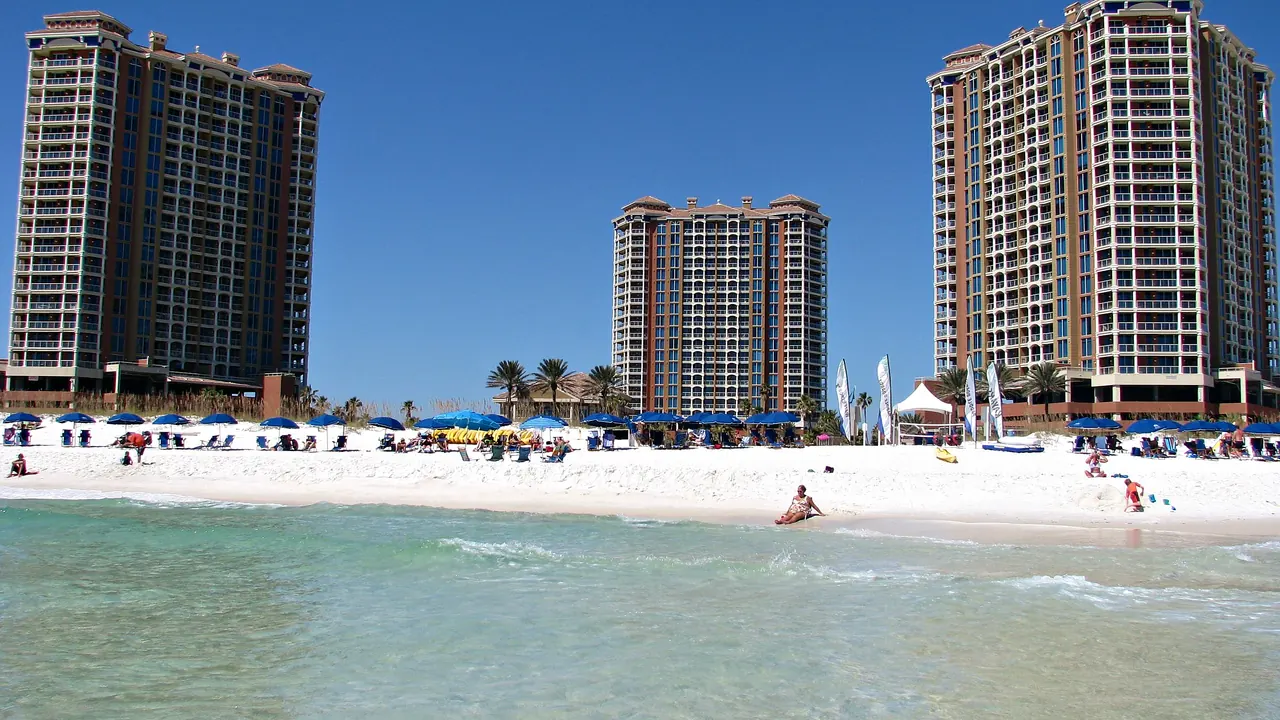
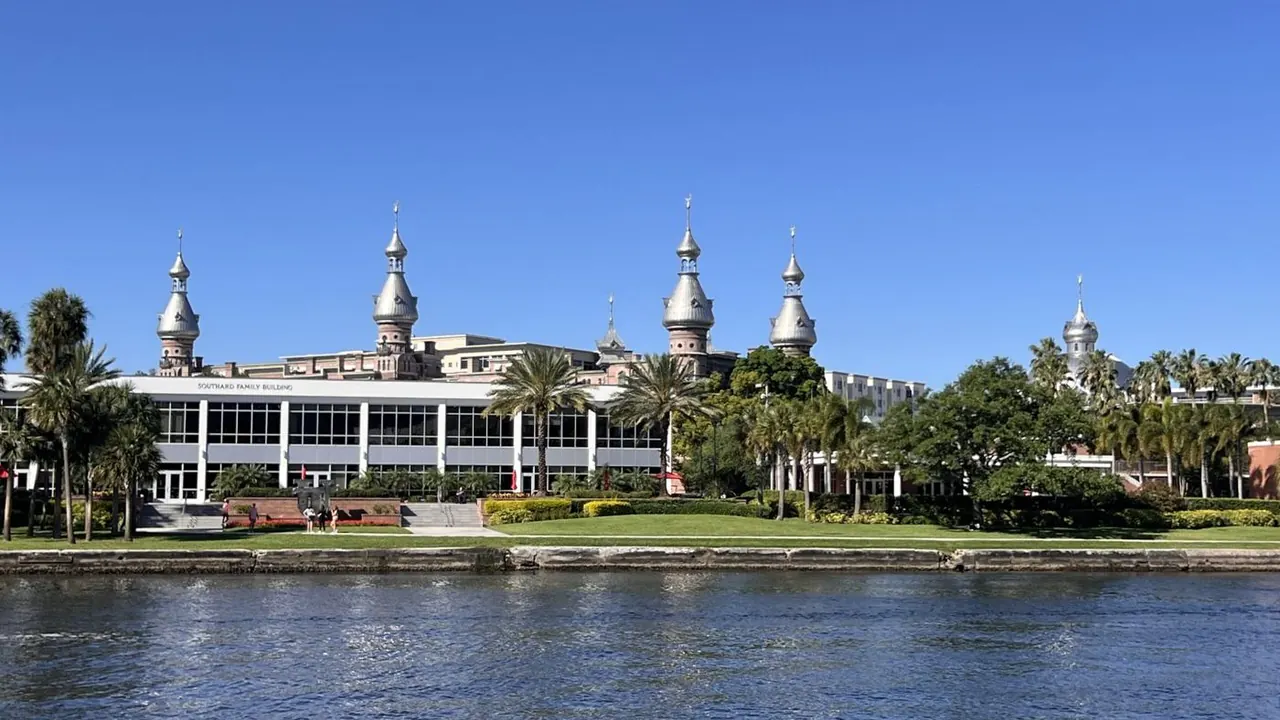
Photos: Pensacola by Jason Meredith, CC BY 2.0, cropped; Tampa by Ken Lund, CC BY-SA 2.0, cropped.
Pensacola or Tampa?
Our verdict in twelve categories, each scored against the same fixed benchmark cities, and the climate month by month, so you can choose for your trip.
Choose Pensacola for
- beaches
- nature and the outdoors
- prices
Pensacola is the better pick when the vacation is really about the sand. Santa Rosa Island and the national seashore give you miles of white quartz beach and clear green water about twenty minutes from a walkable old downtown. The protected dunes, salt marsh and bay wildlife also reward slow mornings outdoors. It suits couples and beach-minded families who are happy with oysters, a fort or two and quiet evenings.
Choose Tampa for
- families
- food and drink
- shopping
Tampa makes more sense when the beach is only one part of a busier trip. Children get Busch Gardens, an aquarium and a zoo on top of the Gulf islands. Adults get Ybor City's Cuban and Spanish food heritage, a livelier night out and touring shows on the river. Its winters are also milder and drier, but every beach day means a drive across the bay.
Scoreboard
Twelve categories on one fixed scale from 0 to 100. The shaded stretch is the gap between the two.
Your match
Pick a travel style or drag the sliders, and both match scores follow your weighting.
Wins on beaches and nature and the outdoors with your weighting.
Wins on families and food and drink with your weighting.
What matters to you?
Category by category
What the scores mean for a trip.
Beaches & swimming
Pensacola has the beach on its doorstep. Pensacola Beach and the Gulf Islands National Seashore run for miles along Santa Rosa Island, about twenty minutes from downtown, with low dunes, very white quartz sand and shallow sound-side water for toddlers. Perdido Key adds a quieter stretch to the west.
Tampa's own shore is mostly seawall, and the good sand lies between half an hour and an hour away at Clearwater, St Pete Beach or Fort De Soto. Those beaches are excellent, with soft white sand and gentle water, but each visit is a planned outing unless you sleep on the islands.
Food & drink
Tampa has a cuisine with a story behind it. The Cuban, Spanish and Sicilian heritage of Ybor City gives it the salami-layered Cuban sandwich, deviled crab croquettes and old bakeries pouring café con leche. Food halls and Seminole Heights cover the modern side.
Pensacola eats well but more narrowly. It has oysters raw or chargrilled, royal red shrimp, grouper and gumbo at waterfront places, and a handful of Southern kitchens on Palafox Street. Both do a good grouper sandwich, but once you move beyond seafood Pensacola has little left to explore.
Culture & sights
Neither city needs more than two or three days of sightseeing, but the history is of a different kind. Pensacola's is older and military: the colonial and Victorian houses of the Seville district, brick Fort Pickens on the island and the vast National Naval Aviation Museum, which you reach through a working air station with ID checks.
Tampa's story is industrial and immigrant. Ybor City's cigar factories and Latin social clubs tell most of it, and the minareted Plant hotel and the river museums add the rest.
Nightlife
Tampa has the bigger and later night out. Seventh Avenue in Ybor City brings dance clubs and a young weekend crowd, SoHo is the dressier option with cocktails on patios, and the craft beer scene is serious. Each winter, Gasparilla turns the bayfront into a huge street party.
Pensacola keeps to pubs, rooftop terraces and taprooms on Palafox Street and in the Seville Quarter, plus beach bars with sand floors in summer. Clubs are scarce, and the town goes quiet early outside weekends and the season.
Nature & outdoors
Pensacola's outdoors are mostly protected coast. The national seashore has dunes, salt marsh and maritime forest, with a bike path and boardwalks for watching herons and ospreys, and dolphins are common in the sound. Inland, the Blackwater River has clear, sand-bottomed water for canoeing, and divers can explore the sunken aircraft carrier offshore.
Tampa's best nature is more spread out. You can kayak the cypress swamp on the Hillsborough River, paddle mangrove tunnels and see manatees at Apollo Beach in winter, while the springs at Crystal River and Weeki Wachee are more than an hour's drive north.
Day trips
Tampa has the wider choice of outings. St Petersburg and the Dalí Museum are half an hour away. Tarpon Springs' Greek sponge docks, Dunedin, the Ringling estate in Sarasota and the Frank Lloyd Wright buildings in Lakeland each make a genuinely different day.
From Pensacola, Mobile's antebellum streets and Mardi Gras heritage make the best outing, with Fairhope and Fort Morgan nearby. Destin and Seaside to the east are more beach towns rather than a change of scene.
Good for families
Tampa is the stronger family base. Busch Gardens pairs roller coasters with an animal park, and ZooTampa, the Florida Aquarium and the children's museum fill other days. Legoland and the Orlando parks are within reach for a long day out.
Pensacola suits a simpler family vacation built around the beach. It offers shallow sound-side water, condos with kitchens and pools, the aviation museum, the lighthouse climb and Fort Pickens' tunnels. Families who want theme parks will find nothing like Tampa's there.
Getting around
Both cities need a car, and neither has buses a visitor can rely on. What differs is how much you can manage on foot. In Pensacola that means the compact Palafox Street and historic district, plus a seasonal trolley along the beach strip.
Tampa's walkable core is larger, because a streetcar links downtown, the Channel District and Ybor City, and the Riverwalk joins them along the water. Expect rush-hour traffic on the bridges and interstates for anything further out.
Shopping & style
Shopping is a sideline in both cities, but Pensacola offers less of it. Palafox Street has a scattering of independent boutiques and antique shops, the Saturday market sells local crafts, and inland there is an ordinary regional mall. It covers gifts and swimwear, not much more.
Tampa gives a shopper more to work with. An upscale mall near the airport carries the luxury and department-store brands, and Hyde Park Village in South Tampa has open-air boutiques. In Ybor City, cigars are still rolled by hand in small shops, the one local craft with real roots.
Affordability
Neither city is cheap, and both need a hire car in the budget. The real difference is timing. Pensacola's beachfront rooms cost most in summer and drop sharply out of season, beds in town are cheaper, and the aviation museum is free.
Tampa's high season is winter and spring, so summer is the cheaper time there. Cuban sandwich counters keep lunch affordable, but theme park tickets weigh heavily on a family budget.
Live music & performing arts
In Pensacola, an evening at the theatre means the handsome 1925 Saenger, which hosts the city's own symphony, opera and ballet as well as the odd touring show. It makes a good night off from the beach, but the calendar is small enough that you go to whatever happens to be on during your stay. Nobody plans a trip around it.
Tampa works on a much bigger scale. The Straz Center's several halls take the large Broadway musical tours, the downtown arenas draw major concert tours that pass Pensacola by, and Ybor City's small rock and indie stages cover the nights in between. Neither city has a homegrown scene worth travelling for, but in Tampa you are far more likely to find something worth booking on the nights you are there.
Wellness & relaxation
Neither city has a bathing or spa tradition, so relaxing comes down to hotel spas and the slow pace of the coast. Pensacola's advantage is that the quiet, uncrowded stretches of the island and Perdido Key are close at hand out of season. In Tampa the calm is across the bay on the barrier islands, because the sprawling, car-bound city itself is not restful.
When should you go?
Pick your month. The climate figures are measured averages, not a forecast.
Pensacola in July
Tampa in July
Daytime high, °C
Rainfall in the month, mm
Temperature and rainfall are climate normals, averaged over the years shown. Pensacola: 1991-2020 normals, Pensacola / Pleasant Grove (12.3 km from centre). Tampa: 1991-2020 normals, Tampa International Airport (7.6 km from centre).
Both cities are at their beach best from June to September. The Gulf then reaches about 29°C off each, and daytime highs sit in the low thirties. This is also the stormy season in both, when afternoon thunderstorms bring the heaviest rain of the year and the heat makes midday sightseeing hard work. Late May and October are the sweet spots, with the sea still warm enough to swim and the streets comfortable for walking.
Winter is where the two part ways. Pensacola cools to around 17°C by day in January, the sea is too cold for most swimmers, and it stays fairly wet all year rather than having a dry season. Tampa holds near 22°C in its coldest month and is much drier from October to May, with November the driest month of all and spring the sunniest. The sea is cool off both in winter, so a winter trip to Tampa is for mild walking weather rather than swimming.
Which traveller are you?
For a beach and sun trip, Pensacola wins. Santa Rosa Island's white quartz sand and clear green water are about twenty minutes from town, so you can stay by the sea and still eat downtown. Tampa's best beaches mean a drive across the bay every time.
On a family trip with children, Tampa has far more to fill the days. Busch Gardens, ZooTampa, the Florida Aquarium and a children's museum come on top of calm Gulf beaches. Pensacola offers gentle water and a plane museum, but no big attractions.
For a food and nightlife trip, Tampa is the livelier choice. Ybor City's Cuban sandwiches, old bakeries and deviled crab carry a real local tradition. Seventh Avenue's clubs and SoHo's cocktail bars also stay open later than Pensacola's pubs and rooftops.
Before you go
| Measure | Pensacola | Tampa |
|---|---|---|
| Currency | US Dollar (USD) | US Dollar (USD) |
| Sockets | AB120 V, 60 Hz | AB120 V, 60 Hz |
| Driving side | Right | Right |
| Time zone | UTC-6, UTC-5 in summer | UTC-5, UTC-4 in summer |
| Emergency number | 911 | 911 |
| Elevation | 31 m | 30 m |
| Main airport | Pensacola International Airport (PNS)6 km from centre27 non-stop destinations | Tampa International Airport (TPA)8 km from centre101 non-stop destinations |
| Public holidays this year | 11 days | 11 days |
By the numbers
| Measure | Pensacola | Tampa |
|---|---|---|
| City population | 54,312 | 384,959 |
| People per km² | 515 | 848 |
| Museums within 10 km | 5 | 6 |
| UNESCO World Heritage sites within 50 km | 0 | 0 |
| Swim season, months above 21 °C | 7 months | 8 months |
Where else could you go?
Every comparison below shares a destination with this one, so you can follow Pensacola or Tampa somewhere new.