Philippines
Puerto Princesa
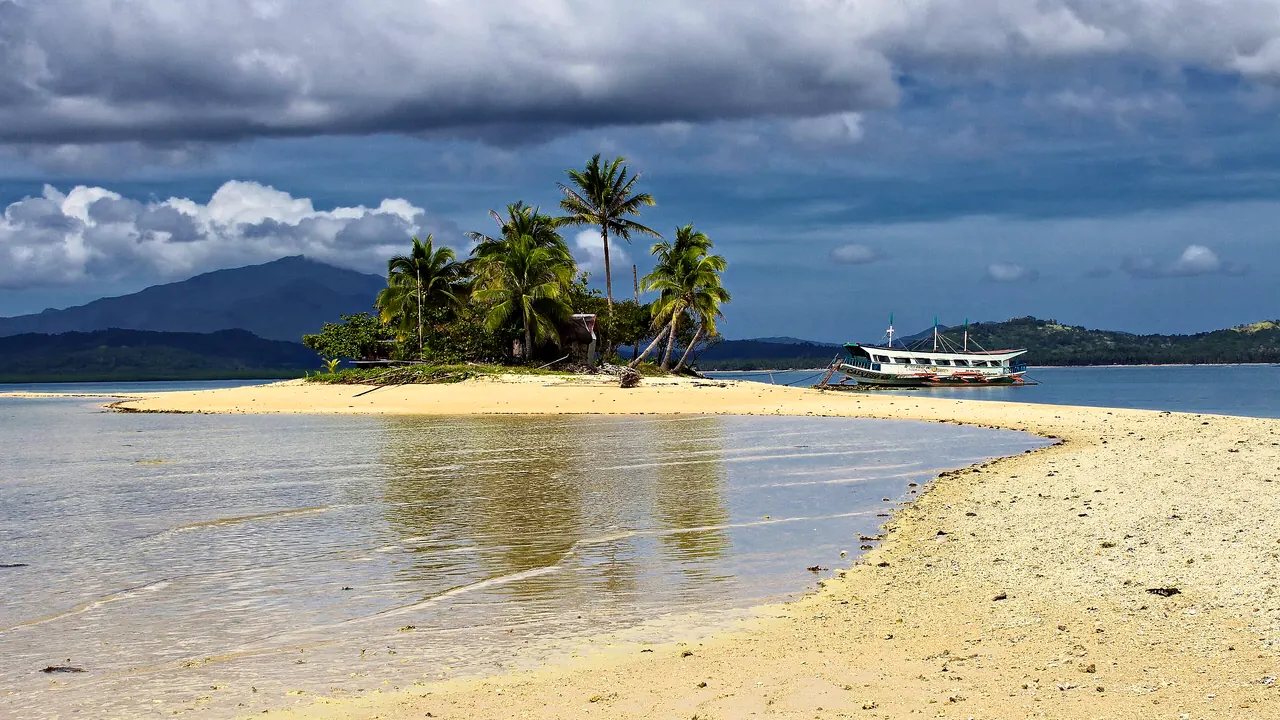
Barlas Island in Honda Bay
- Nature & outdoors80
- Affordable cities78
- Beaches58
Photo: Ray in Manila, CC BY 2.0, cropped
Match
38
Every category weighted equally
- Beach & sun45
- Culture & arts30
- Food & nightlife32
- Family trip45
- Outdoors45
- Relax & unwind43
- Shopping & style32
- On a budget43
Puerto Princesa in twelve categories
Our verdict on each, scored 0 to 100 against the same fixed benchmark cities, so a score means the same thing on every page.
Beaches & swimming. Scores 58 out of 100.
Food & drink. Scores 38 out of 100.
Culture & sights. Scores 22 out of 100.
Nightlife. Scores 26 out of 100.
Nature & outdoors. Scores 80 out of 100.
Day trips. Scores 12 out of 100.
Good for families. Scores 45 out of 100.
Getting around. Scores 30 out of 100.
Shopping & style. Scores 20 out of 100.
Affordability. Scores 78 out of 100.
Live music & performing arts. Scores 10 out of 100.
Wellness & relaxation. Scores 40 out of 100.
Puerto Princesa category by category
Beaches & swimming
58The town faces a muddy, mangrove-fringed bay, so a swim always means an outing. The usual one is island hopping in Honda Bay, about half an hour from the centre, where small islands and sandbars give you white sand, shallow reefs and water around 28°C. Nagtabon, about an hour's drive over the hills on the west coast, is a long, quiet beach of pale sand facing the open sea, and Sabang has a broad beach by the Underground River jetty.
The beaches are pleasant and warm, but they are day trips, not the backdrop to your stay. From roughly June to October the southwest monsoon brings rougher seas and boat trips are sometimes called off. Travellers who want beach life on the doorstep usually move on north to El Nido or Port Barton.
Food & drink
38This is a provincial city with fair, honest food. The highlights are fresh seafood grilled to order along the baywalk and in simple restaurants, kinilaw (raw fish cured in vinegar), and the Palawan curiosity tamilok, a mangrove woodworm eaten raw. Chao long, a Vietnamese-style beef noodle soup, is a local staple, left by the refugee community that settled here after 1975. Cashews from the province turn up everywhere, and a few bakeries on the hill above town are a fixed stop on tours.
Beyond that you find ordinary Filipino cooking, mall chains and resort restaurants. You will eat well and cheaply, but there is little depth and nothing for anyone who wants to make food the reason for a trip.
Culture & sights
22Sightseeing in town takes a morning. The pale blue, Gothic-style Immaculate Conception Cathedral looks out over the bay. Next to it is Plaza Cuartel, the ruins of a wartime garrison where American prisoners of war were massacred in 1944. The small Palawan Museum and a heritage centre cover the island's peoples and natural history. On the edge of the city, the Iwahig Prison and Penal Farm is an unusual stop: an open prison colony where inmates work the land. Otherwise the town is low-rise and modern. People come for what lies around it.
Nightlife
26Evenings are low-key. A handful of bars along Rizal Avenue, the main road to the airport, get busy at weekends, some with cover bands. Families and couples stroll the baywalk around sunset, when the food stalls open. Most visitors are on early tour pickups, so the town is quiet well before midnight, and there is no real club scene.
Nature & outdoors
80Nature is why people come. The Puerto Princesa Subterranean River, a navigable underground river that runs for kilometres through limestone caves, lies about two hours north at Sabang. You paddle in by small boat, in a national park where jungle-covered karst meets the sea and monitor lizards and macaques wander the shore. Near Sabang you can paddle through the mangroves, and inland you can climb Ugong Rock and zipline from the top.
Honda Bay has good snorkelling on shallow reefs. Early-morning boats go out to watch dolphins in the bay, and after dark guided canoes drift along the Iwahig River to see mangroves lit up by fireflies. It is warm, green and wet country, and nearly everything is done on an organised outing rather than on foot from your door.
Day trips
12Few of the outings here are to other places. The excursions are to rivers, reefs and islands. The small villages of Sabang and the coastal towns to the south are pleasant but not reasons to go, and Port Barton and El Nido are too far for a day trip, so travellers move there instead. If you want to see towns and heritage, plan Puerto Princesa as one stop on a longer route through Palawan.
Good for families
45Filipinos are warm towards children, and much of what visitors do here works for families. You can paddle into the Underground River cave, splash in the shallows off the Honda Bay sandbars, and see the crocodiles at the wildlife rescue and conservation centre on the edge of town. Children also tend to enjoy the firefly canoe trips. The town is relaxed and fairly orderly by the country's standards.
The effort is in the logistics. Sabang is a long, winding van ride each way, the heat and humidity are constant, and tricycles have no room for car seats. Resorts with pools on the outskirts make good bases. Expect early starts and full days, not attractions on your doorstep.
Getting around
30The airport sits almost in town, and the centre around Rizal Avenue and the cathedral is small, though hot and short on pavements. Motorised tricycles are everywhere and are the normal way to cover short distances. Beyond town there is no useful public transport for visitors. Sabang, Honda Bay and the firefly trips are reached by tour vans with hotel pickup or by a hired driver, and the drive north to the Underground River is long and winding. Onward travel through Palawan is by shared van or bus over long distances.
Shopping & style
20Shopping here means pasalubong, the gifts Filipinos bring home: Palawan cashews, dried fish, South Sea pearls of mixed quality, and baskets and mats woven from local grasses, sold in souvenir shops along the main roads and at the baywalk. A couple of ordinary shopping malls cover everyday needs. There are no boutiques or fashion streets.
Affordability
78Day to day, the city is cheap. Simple hotels and guesthouses cost little, local meals and seafood grills are inexpensive, and tricycle rides cost next to nothing. The real spending is on outings. Underground River tours, island hopping boats, permits and environmental fees are the core of a stay, and they add noticeably to a budget. Comfortable resorts on the outskirts cost more than town hotels, but still well below Western levels.
Live music & performing arts
10There is very little to attend. The live music is mostly cover bands playing in bars and restaurants, and occasional cultural dance shows are put on for groups. There is no theatre, concert hall or regular arts programme a visitor would plan an evening around.
Wellness & relaxation
40There is no bathing culture here, but unwinding is easy. Massage parlours, some offering hilot, the traditional Filipino healing massage, are found all over town and cost little, and the resorts on the bay and in the hills have their own spas. The town moves at an unhurried provincial pace. The early starts and long van rides of the tour circuit are what make a stay tiring, so a slow day by a resort pool between outings helps.
When should you go?
Pick a month to see what it is like. The climate figures are measured averages, not a forecast.
Puerto Princesa in July
Daytime high, °C
Rainfall in the month, mm
The whole year
Shaded against this city’s own year: the deepest cell is its best month for that figure and the palest its weakest.
Where the figures come from
Puerto Princesa has no weather station within reach, so its figures come from a gridded climate model rather than a measured record, and read a broad area rather than the city itself.
Temperature and rainfall are climate normals, averaged over the years shown. Puerto Princesa: 2001-2020 normals, NASA POWER reanalysis grid, no weather station within 90 km.
Before you go
| Measure | Puerto Princesa |
|---|---|
| Official language | English, Filipino, Taglish |
| Currency | Philippine Peso (PHP) |
| Sockets | ABC220 V, 60 Hz |
| Driving side | Right |
| Time zone | UTC+8 |
| Emergency number | 911 |
| Elevation | 98 m |
| Main airport | Puerto Princesa International Airport / PAF Antonio Bautista Air Base (PPS)2 km from centre5 non-stop destinations |
| Public holidays this year | 18 days |
By the numbers
| Measure | Puerto Princesa |
|---|---|
| City population | 316,384 |
| People per km² | 133 |
| Museums within 10 km | 1 |
| UNESCO World Heritage sites within 50 km | 0 |
| Swim season, months above 21 °C | 12 months |
Compare Puerto Princesa with
Every comparison with a written verdict behind it.