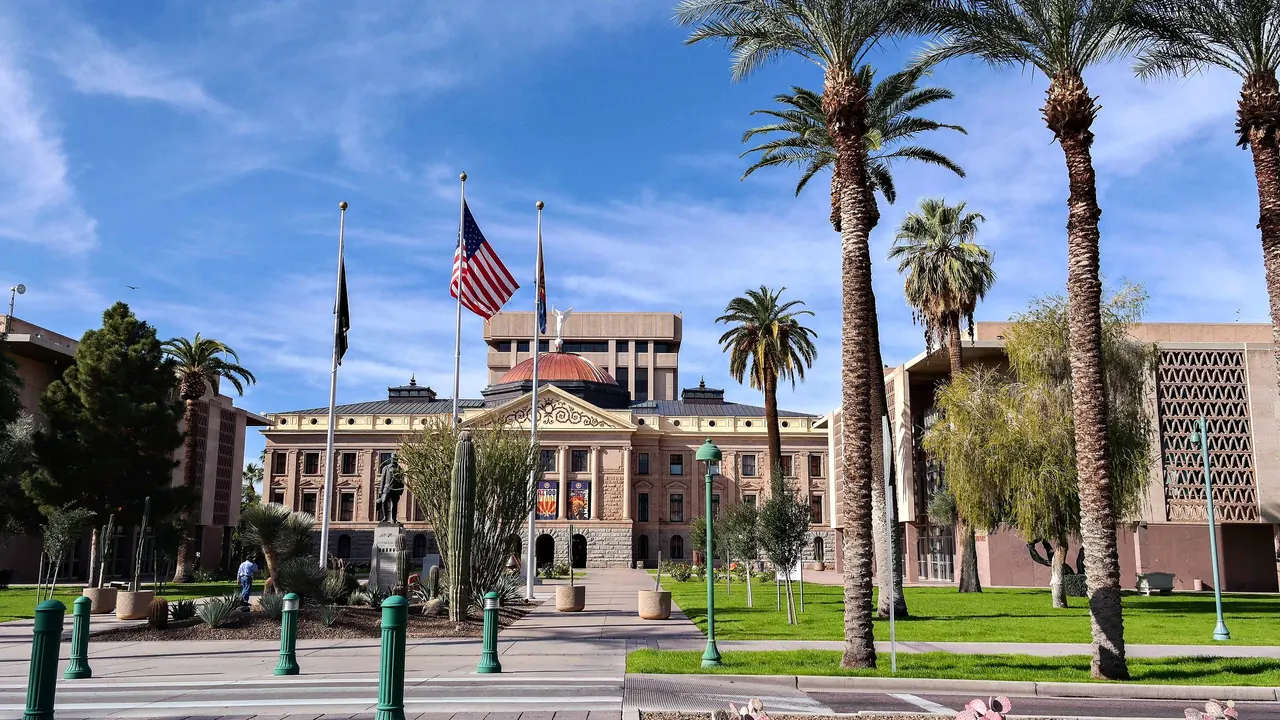
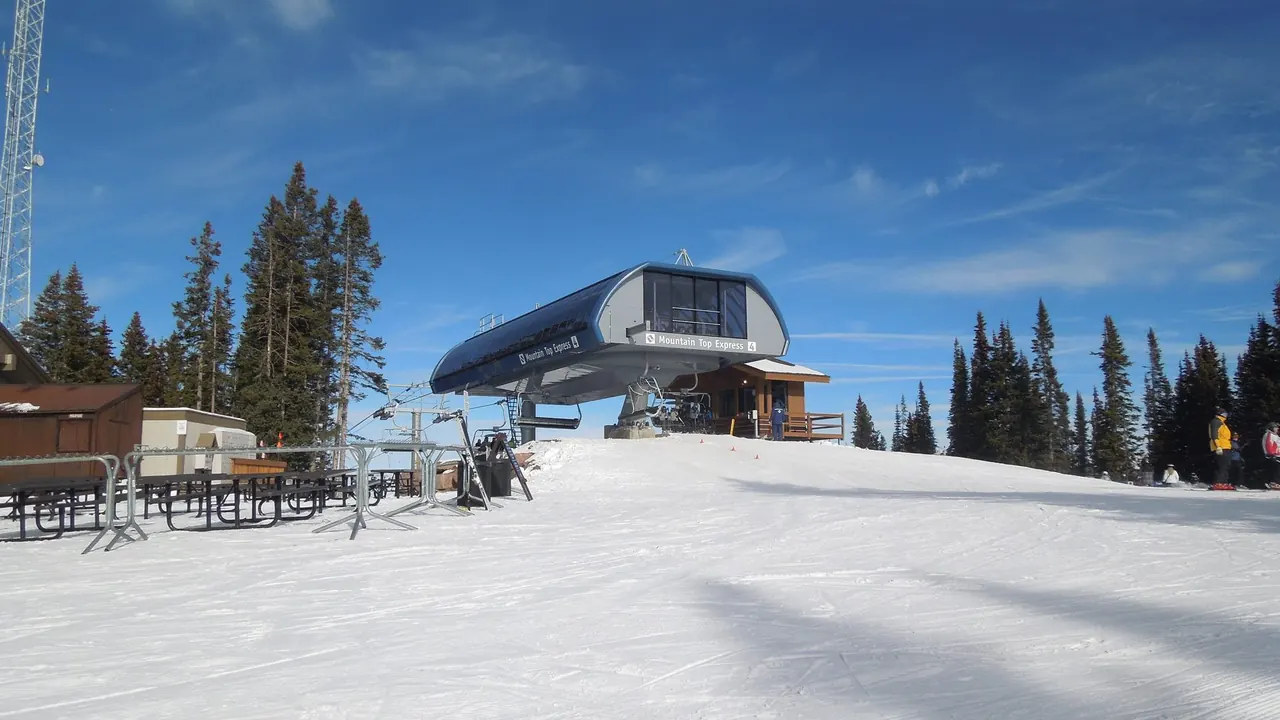
Photos: Phoenix by Visitor7, CC BY-SA 3.0, cropped; Vail by DReifGalaxyM31, CC BY 3.0, cropped.
Phoenix or Vail?
Our verdict in twelve categories, each scored against the same fixed benchmark cities, and the climate month by month, so you can choose for your trip.
Choose Phoenix for
- prices
- culture and sights
- food and drink
Phoenix suits a winter-sun trip by car. You get warm, dry days for hiking among saguaro, Sonoran Mexican food, the Heard Museum and Taliesin West, and long afternoons at resort pools, all for much less than Vail costs. Pick it if you want variety: a few strong museums, a proper night out in Scottsdale or Tempe, and different things to do each day, and you don't mind driving between them.
Choose Vail for
- getting around
- nature and the outdoors
Choose Vail when the mountains are the whole point. The skiing in the Back Bowls and Blue Sky Basin and the high summer trails of the Gore Range are on another level from anything near Phoenix. Once you arrive, the pedestrian village, the gondolas and the free bus mean you can leave the car parked. Come with a generous budget, and don't expect much sightseeing or many late nights.
Scoreboard
Twelve categories on one fixed scale from 0 to 100. The shaded stretch is the gap between the two.
Your match
Pick a travel style or drag the sliders, and both match scores follow your weighting.
Wins on prices and culture and sights with your weighting.
Wins on getting around and nature and the outdoors with your weighting.
What matters to you?
Category by category
What the scores mean for a trip.
Beaches & swimming
Neither city is a beach destination, so the difference is the kind of water you get. Phoenix at least has warm water to play in: Salt River reservoirs such as Saguaro Lake, set among desert cliffs, summer tubing on the lower Salt, and resort pools with slides and lazy rivers.
Vail's mountain lakes are for paddling and sunbathing rather than swimming. The water stays cold even in July, so a swim there usually means the hotel pool or a hot tub.
Food & drink
Phoenix eats better and more cheaply. Its Sonoran roots give it a food culture of its own, from carne asada and paper-thin flour tortillas to bacon-wrapped hot dogs from evening carts. It also has good wood-fired pizza and an independent scene around Roosevelt Row, although you will drive between meals.
Vail offers polished resort dining in Vail Village and Lionshead, with elk, lamb, trout and fondue on the menus. There is little that is local or inexpensive, though, and many kitchens close in the quiet weeks between seasons.
Culture & sights
Phoenix is no great sightseeing city, but it has real museums, and Vail has almost none. The Heard Museum's Native American collection, the Musical Instrument Museum and Taliesin West each deserve a morning, and the Hohokam ruins at Pueblo Grande add older history.
Vail's chalet village is a 1960s imitation of a Tyrolean town. The Colorado Snowsports Museum, with its story of the Tenth Mountain Division, is about all there is to see.
Nightlife
Phoenix gives you more choice: clubs and rooftop bars in Old Town Scottsdale, student bars on Tempe's Mill Avenue, and craft beer and cocktails downtown. The districts are far apart, though, so you usually pick one for the night.
In Vail the evening peaks early, with après-ski on the slopeside terraces, and only a few bars and one small club stay open late on winter weekends. Summer evenings are calm, and the off-seasons are almost silent.
Nature & outdoors
Both cities are good for the outdoors, but Vail is the stronger of the two. It has a vast ski area with the Back Bowls and Blue Sky Basin and dry powder all winter. In summer there are trails through the Gore Range and Holy Cross wilderness among peaks above 4,000m, as well as fly fishing and rafting, so it works as a mountain base all year.
Phoenix's desert is striking in its own way. Camelback, Piestewa Peak, South Mountain and the saguaro forest of the McDowell Sonoran Preserve rise right beside the suburbs, but summer heat makes hiking after mid-morning dangerous.
Day trips
Phoenix has a bit more variety within a drive. You can reach Sedona's red rock country and Montezuma Castle, the hillside mining town of Jerome, Prescott's Western square, and Tucson with the white Mission San Xavier del Bac. From Vail the outings are mostly other mountain towns, such as Breckenridge, Beaver Creek and silver-boom Leadville, and Glenwood Springs is the best of them. From either city you need a car.
Good for families
Both work for families, but in different ways and seasons. Phoenix has the usual attractions: a zoo, an aquarium, a science centre and a children's museum, plus water parks and pool resorts. It also means long car journeys, and in summer it is unsafe for small children to spend much time outdoors.
Vail is built around ski school, with gentle learning terrain and a car-free village, and in summer there are a mountain coaster and ropes courses at the top of the gondola. Beyond that there is little for children, and the altitude and cold can be hard on toddlers.
Getting around
This is one of the clearest differences between the two. In Vail the village is pedestrian, the lifts start in town and a free bus runs the length of the valley, so many visitors never need a car once they arrive. Getting there over Vail Pass or from the distant airports takes more planning.
Phoenix is built for driving: a huge grid of arterial roads, one useful light rail line from the airport through downtown to Tempe, and walking only in a few small centres. Plan on renting a car.
Shopping & style
Phoenix has the wider range. There are large malls in Scottsdale and near the Biltmore, but the better buys are Navajo and Zuni silver and turquoise, Hopi katsina carvings and pottery from museum shops and reputable galleries. Vail's village lanes have a narrow, upmarket mix of ski clothing, fur, boots and galleries of mountain landscapes. That is fine for gear or a luxury souvenir, but not enough for a shopping trip.
Affordability
Phoenix is by far the cheaper trip, though not a cheap one. Summer hotel rates fall sharply, chain hotels along the freeways are good value all year and hiking costs nothing; the rental car is the main extra cost.
Vail is among the most expensive places to vacation in North America, with lodging, lift tickets, ski school and meals all well above normal American levels. Staying further down the valley or coming outside the winter season helps, but only a little.
Live music & performing arts
The two are about even here, but on opposite calendars. Phoenix has a standard big-city season from autumn to spring: the symphony, Arizona Opera, Ballet Arizona and touring shows at ASU Gammage, Frank Lloyd Wright's round auditorium. The Musical Instrument Museum's concert hall adds a varied programme.
Vail puts everything into summer. Bravo! Vail brings visiting orchestras to the open-air Gerald R. Ford Amphitheater, followed by the dance and jazz festivals. In winter there is little beyond après-ski bands.
Wellness & relaxation
Phoenix is the better place simply to rest. Its large desert resorts below Camelback Mountain and in north Scottsdale combine spas using sage, clay and agave with several pools and golf courses, and the dry winter warmth makes a week by the pool easy.
Vail's spas are mainly for recovering after skiing, with massage, saunas and outdoor hot tubs under the peaks. For real bathing you go an hour down the canyon to Glenwood Springs, with its mineral pools and vapour caves.
When should you go?
Pick your month. The climate figures are measured averages, not a forecast.
Phoenix in July
Vail in July
Daytime high, °C
Rainfall in the month, mm
Where the figures come from
Vail's temperatures are measured 47 km from the centre, at Kremmling.
Vail's station stands 186 m below the city centre, so the centre is likely a little cooler than the figures say.
Vail has no rain gauge within 25 km of the centre, so its rainfall comes from a gridded climate dataset read at the city rather than from a gauge further away.
Temperature and rainfall are climate normals, averaged over the years shown. Phoenix: 1991-2020 normals, Phoenix Sky Harbor Airport (2.8 km from centre). Vail: 2006-2025 (rainfall 1991-2020) normals, Kremmling (46.5 km from centre).
Phoenix is at its best in the cool season. From November to March daytime highs run from about 19°C to the mid-twenties, which is ideal for hiking and lazy pool days, and rain is light all year. By May it is already too hot for comfortable walking. From June to September highs sit between 38°C and 41°C, at their worst in July and August, and life moves indoors to air-conditioning and resort pools.
Vail runs the other way. Winter highs stay around freezing, about -4°C in January, and the steady precipitation through the cold months falls as snow for the ski season from December to March. Summer is its second high season: July reaches about 29°C, pleasant for hiking at altitude, and the aspens turn gold as September cools. April, May and November fall between the two seasons. So the two rarely compete: go to Phoenix for winter warmth, and to Vail for winter snow or summer mountain air.
Which traveller are you?
On a trip on a tight budget, Phoenix is the only realistic choice of the two. Chain hotels, low summer rates, free desert hiking and cheap Sonoran Mexican food keep costs down. In Vail, lodging, lift tickets and resort meals make every day expensive.
For a culture and arts trip, Phoenix gives you far more to do: the Heard Museum, the Musical Instrument Museum, Taliesin West and a full autumn-to-spring season of symphony, opera and ballet. Vail has very little to visit, although its summer music festivals are excellent.
For skiers, Vail is the clear choice, and Phoenix has nothing like it. The Back Bowls, Blue Sky Basin, dry powder and large ski schools sit right above a walkable village, so the lifts, your lodging and après-ski are all a few minutes apart on foot.
Before you go
| Measure | Phoenix | Vail |
|---|---|---|
| Currency | US Dollar (USD) | US Dollar (USD) |
| Sockets | AB120 V, 60 Hz | AB120 V, 60 Hz |
| Driving side | Right | Right |
| Time zone | UTC-7 | UTC-7, UTC-6 in summer |
| Emergency number | 911 | 911 |
| Elevation | 331 m | 2,445 m |
| Main airport | Phoenix Sky Harbor International Airport (PHX)6 km from centre149 non-stop destinations | Eagle County Regional Airport (EGE)48 km from centre16 non-stop destinations |
| Public holidays this year | 12 days | 12 days |
By the numbers
| Measure | Phoenix | Vail |
|---|---|---|
| City population | 1,608,139 | 4,835 |
| People per km² | 1,199 | 400 |
| Museums within 10 km | 10 | 1 |
| UNESCO World Heritage sites within 50 km | 1 | 0 |
Where else could you go?
Every comparison below shares a destination with this one, so you can follow Phoenix or Vail somewhere new.