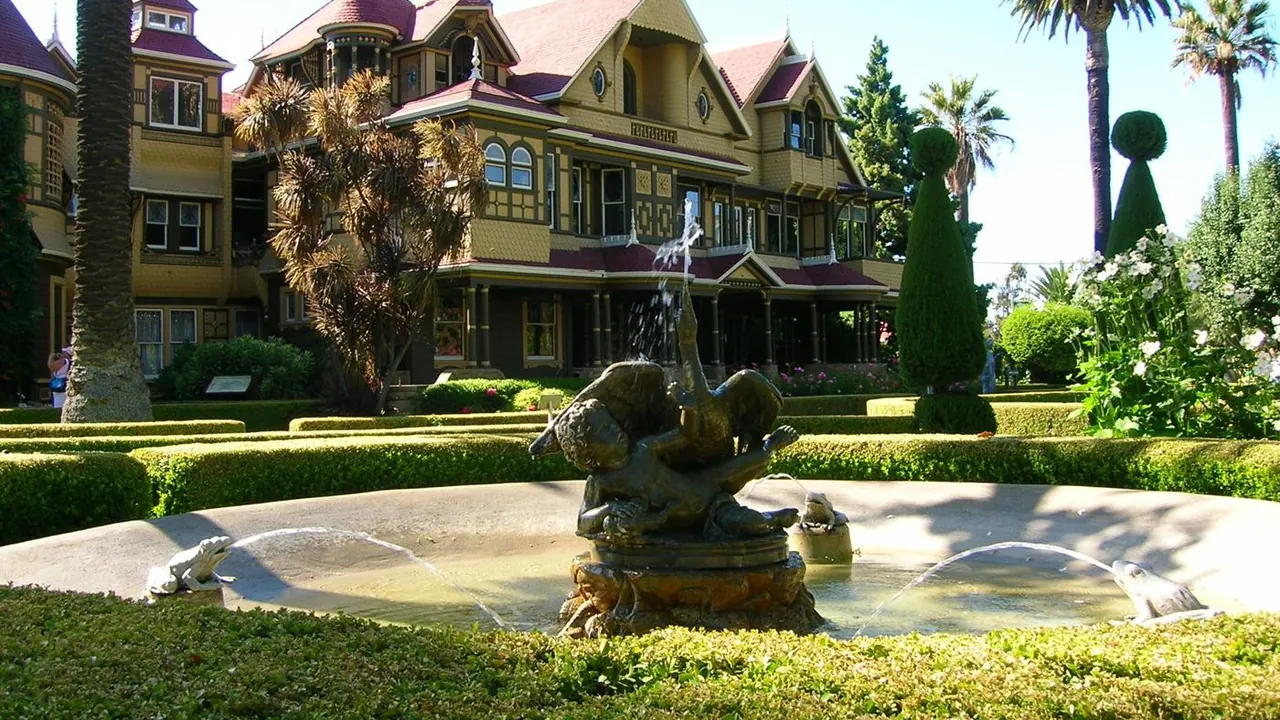
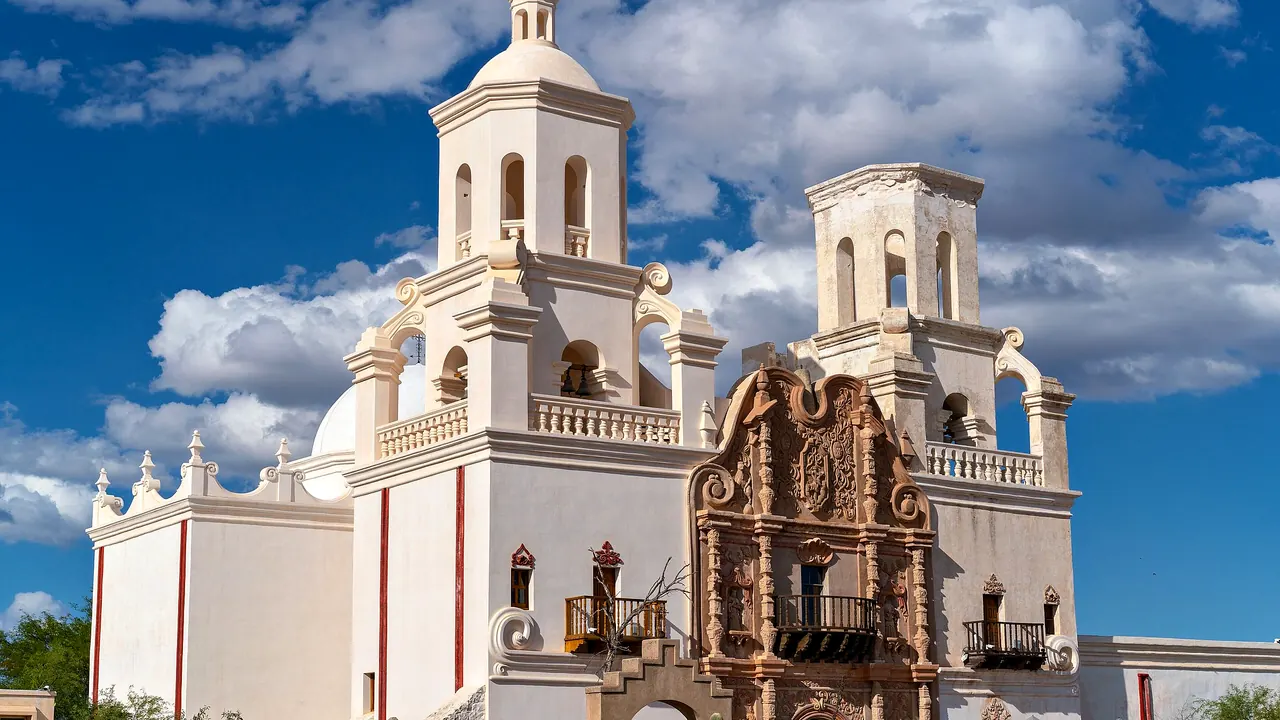
Photos: San Jose by Roxanna Salceda, CC BY-SA 2.0, cropped; Tucson by Steve and Kimberly Rader, CC BY-SA 4.0, cropped.
San Jose or Tucson?
Our verdict in twelve categories, each scored against the same fixed benchmark cities, and the climate month by month, so you can choose for your trip.
Choose San Jose for
- beaches
- day trips
- shopping
San Jose is the better choice if the trip is really about Northern California as a whole. San Francisco, Stanford, Santa Cruz, Monterey and the wine country are all close enough for day trips. Families get a theme park, a gentle zoo and one of the country's great aquariums within reach. It costs a lot, though, and the city itself is more of a base than a place you come to see.
Choose Tucson for
- wellness
- prices
- culture and sights
Tucson gives you more of a place in its own right, and it is cheaper too. It has Sonoran Mexican cooking, a painted colonial mission, desert trails that begin at the edge of the suburbs and a long tradition of quiet spa resorts. It suits travellers who want sun, space and a slower winter break, and who will plan around the summer heat rather than travel through it.
Scoreboard
Twelve categories on one fixed scale from 0 to 100. The shaded stretch is the gap between the two.
Your match
Pick a travel style or drag the sliders, and both match scores follow your weighting.
Too close to call, 2 points apart
Wins on beaches and day trips with your weighting.
Wins on wellness and prices with your weighting.
What matters to you?
Category by category
What the scores mean for a trip.
Beaches & swimming
Neither city is a beach destination, but San Jose at least has the sea within reach. About 45 minutes over the mountains, Santa Cruz, Capitola and the Monterey Bay coves offer sand, surf and a proper beach-town day out. The water is cold, so most people paddle or wear a wetsuit rather than swim.
Tucson has no coast at all. The nearest sea is a four-hour drive away in Mexico, so swimming here means the resort pool.
Food & drink
San Jose offers range and Tucson offers depth. San Jose's best cooking is spread through suburban plazas rather than walkable streets. One of the country's largest Vietnamese communities serves pho, banh mi and broken-rice plates on the east side, and there are Indian and Korean kitchens along the roads towards Sunnyvale and long-running family places in Japantown. Eating well here means a car and a list of addresses.
Tucson is built around one regional cuisine done properly. Its Sonoran Mexican cooking runs from mesquite-grilled carne asada to almost translucent flour tortillas and the bacon-wrapped hot dog, and it is at its most traditional on South 12th Avenue and in the old barrios near downtown. Desert ingredients such as tepary beans and prickly pear give it a local note, though fine dining is thin.
Culture & sights
Tucson has more to see and a stronger sense of history. Mission San Xavier del Bac, with its gilded interior, is a finer sight than anything in San Jose. Barrio Viejo's adobe rows and the Native American collections of the Arizona State Museum add depth, and the aircraft at Pima Air & Space are unlike anything elsewhere.
San Jose has curiosities rather than a historic core: the Winchester Mystery House, the Rosicrucian Egyptian Museum and Silicon Valley's story at the Computer History Museum.
Nightlife
Both are modest, weekend-led scenes, and either one is enough for a few drinks rather than a big night. San Jose's revolves around San Pedro Square's beer halls before arena events and the cocktail and dive bars of SoFA. For anything bigger, people go to San Francisco.
Tucson's is younger and more casual, with student dive bars on Fourth Avenue and rooftops on Congress Street. Drinking on patios under warm night skies is a large part of the appeal.
Nature & outdoors
Both cities are ringed by mountains, and both are strong for the outdoors. Tucson's desert comes closer, though. Saguaro National Park flanks the city, Sabino Canyon begins at the suburbs, and the Mount Lemmon road climbs from cactus to pine forest within an hour. The catch is that summer heat pushes hiking to dawn.
San Jose's outdoors are greener and cooler, with redwood groves at Big Basin and Henry Cowell. Further out are sea otters, whale watching and the headlands of Point Lobos.
Day trips
San Jose wins clearly here. San Francisco is an hour away by Caltrain, and Stanford, Berkeley, Santa Cruz, Monterey and Carmel are all easy outings, with Napa and Sonoma within reach. Few cities have a list of this calibre nearby.
Tucson's outings are more frontier than first-rank. There is Tombstone's Wild West, Bisbee's steep mining streets, the artists' village of Tubac and the Biosphere 2 dome, and every one of them needs a car.
Good for families
San Jose is a little easier with children. Great America is next door, Happy Hollow suits younger children, and the Santa Cruz boardwalk and Monterey Bay Aquarium are within a drive. The mild climate also keeps outings comfortable all year.
Tucson is excellent from October to April, especially at the Arizona-Sonora Desert Museum and among the giant aircraft. In summer, though, outdoor sights are hard going for small children.
Getting around
In both cities a hire car is close to essential, and in both the walkable core is small. The difference is in the details. San Jose has light rail and Caltrain, which make a car-free trip to San Francisco or Palo Alto practical, but the freeways jam at rush hour.
Tucson has only a single streetcar line, and its main sights sit far out on the desert edges. Traffic is mild, though, and parking is easy.
Shopping & style
San Jose is the better place for shopping, chiefly because of its large west-side mall and the open-air boutique street beside it, which together cover the international and luxury brands. Independent shopping is limited to Japantown, Willow Glen and Los Gatos.
Tucson's offer is smaller but more distinctive. Look for Native American jewellery, Tohono O'odham baskets and Mexican folk art, and visit in winter if you can, when the gem and mineral show draws collectors from around the world.
Affordability
Tucson is far kinder on the wallet. Its mid-range hotels and cheap Mexican food stretch a budget well, and summer brings real bargains, although the desert resorts are dear.
San Jose sits in one of the costliest regions in the country. Hotels are priced for business travel, and restaurants, drinks and parking are all high. The best savings are weekend hotel rates and the casual eateries in suburban plazas.
Live music & performing arts
Neither city has a big arts calendar, but each has something real. San Jose's highlights are Opera San José in the restored California Theatre and the summer jazz festival downtown. For deeper programmes, people go to San Francisco.
Tucson has a symphony, Arizona Opera and the Fox Theatre. It also has a local flavour of its own, with mariachi and desert folk music, though the season runs mainly from autumn to spring.
Wellness & relaxation
Tucson was one of the first homes of the American destination spa. Its foothill resorts offer desert walks, massage and meditation programmes in a setting that slows you down.
San Jose is built around the working week. It has hotel spas, some Korean-style bathhouses in the valley towns and an hour's calm in the Hakone or Kelley Park Japanese gardens, but nothing that makes it a place to unwind.
When should you go?
Pick your month. The climate figures are measured averages, not a forecast.
San Jose in July
Tucson in July
Daytime high, °C
Rainfall in the month, mm
Temperature and rainfall are climate normals, averaged over the years shown. San Jose: 1991-2020 normals, San Jose / Santa Clara Trailer Village (8.2 km from centre). Tucson: 1991-2020 normals, Tucson International Airport (10.1 km from centre).
San Jose is mild all year. It is warm and completely dry from May to October, with afternoons around 27°C in high summer. That is comfortable for walking and good for days on the coast, though the Pacific stays cold at about 15°C even in late summer. Rain arrives from November to March and is heaviest in February at around 78mm. Winter days are cool but rarely unpleasant.
Tucson runs on the opposite calendar. From October to April it is at its best, with warm, dry days of around 19°C to 29°C, ideal for hiking and sightseeing. By June the heat reaches about 39°C, and July and August bring monsoon storms on top of it. Summer therefore suits San Jose, and winter clearly belongs to Tucson.
Which traveller are you?
On a relaxing and wellness trip, Tucson is the clear choice. Its long-established destination spas in the Catalina foothills, resort pools facing the mountains and quiet desert evenings are made for unwinding. San Jose offers little beyond hotel spas and a few bathhouses.
For a trip on a tight budget, Tucson again comes out ahead. Mid-range hotels cost less, taquerías and hot dog stands make cheap eating easy, and summer rates fall sharply. San Jose's hotels are priced for business travel, and car hire adds to the bill.
On a family trip with children, San Jose has the edge. It has Great America, Happy Hollow, two hands-on museums, and the boardwalk and aquarium on the bay. Its mild summers also keep outdoor days easy, whereas Tucson's heat limits outings for much of the year.
Before you go
| Measure | San Jose | Tucson |
|---|---|---|
| Currency | US Dollar (USD) | US Dollar (USD) |
| Sockets | AB120 V, 60 Hz | AB120 V, 60 Hz |
| Driving side | Right | Right |
| Time zone | UTC-8, UTC-7 in summer | UTC-7 |
| Emergency number | 911 | 911 |
| Elevation | 25 m | 728 m |
| Main airport | Mineta San Jose International Airport (SJC)8 km from centre38 non-stop destinations | Tucson International Airport (TUS)12 km from centre18 non-stop destinations |
| Public holidays this year | 13 days | 12 days |
By the numbers
| Measure | San Jose | Tucson |
|---|---|---|
| City population | 1,013,240 | 542,629 |
| People per km² | 2,167 | 923 |
| Museums within 10 km | 19 | 10 |
| UNESCO World Heritage sites within 50 km | 0 | 0 |
| Swim season, months above 21 °C | None | - |
Where else could you go?
Every comparison below shares a destination with this one, so you can follow San Jose or Tucson somewhere new.