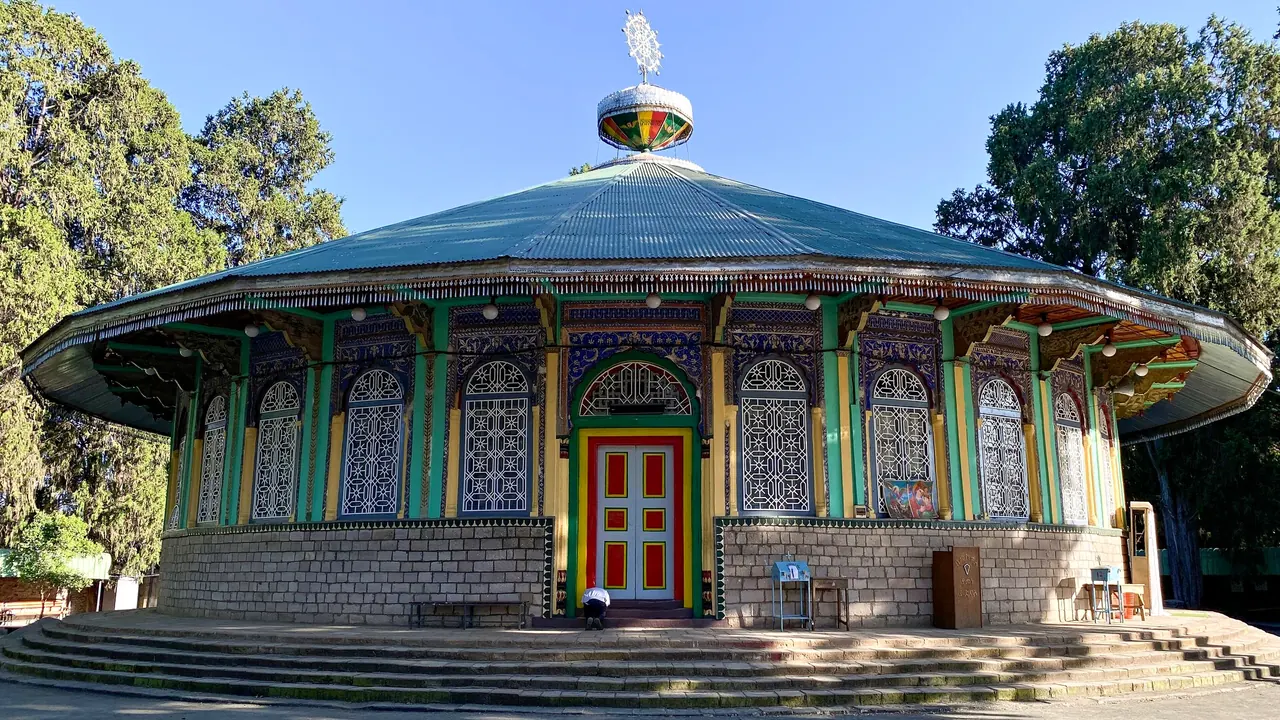
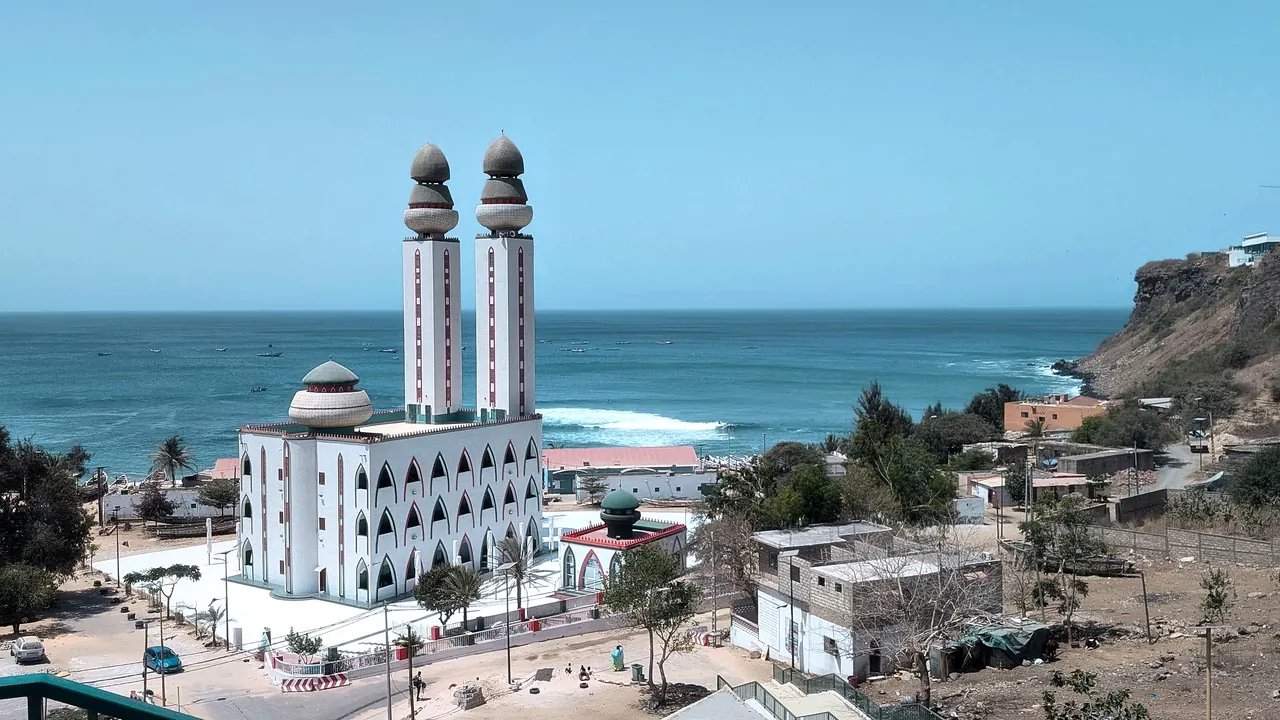
Photos: Addis Ababa by ProtoplasmaKid, CC BY 4.0, cropped; Dakar by Issathiome, CC BY-SA 4.0, cropped.
Addis Ababa or Dakar?
Our verdict in twelve categories, each scored against the same fixed benchmark cities, and the climate month by month, so you can choose for your trip.
Choose Addis Ababa for
- prices
- wellness
- nature and the outdoors
Addis Ababa suits travellers who come for Ethiopia itself: Lucy and the imperial palaces, injera shared from one platter, the coffee ceremony and nights of azmari singing. It is the cheaper of the two if you live locally, and the Entoto hills and the forest and gorge country beyond them give it more green space for walking. It also works well as a first stop before flying on to Lalibela or Gondar.
Choose Dakar for
- beaches
- nightlife
- families
Dakar is the pick when the ocean matters. You get real beaches, surf breaks and N'Gor island within the city, plus Gorée as a deeply moving historic site and a nightlife that runs until dawn to live mbalax. Expect to pay more for a comfortable room. In return you get a coastal capital that also suits a family or a sun-and-sea trip far better than a highland city 2,400m above any shore.
Scoreboard
Twelve categories on one fixed scale from 0 to 100. The shaded stretch is the gap between the two.
Your match
Pick a travel style or drag the sliders, and both match scores follow your weighting.
Wins on prices and wellness with your weighting.
Wins on beaches and nightlife with your weighting.
What matters to you?
Category by category
What the scores mean for a trip.
Beaches & swimming
This is where the two cities differ most. Addis Ababa is a highland capital with no coast at all. Its nearest water is the crater lakes at Bishoftu, an hour away, where the resorts are pleasant for a weekend but the lakes are not for swimming.
Dakar lives on the water. There are town beaches at N'Gor, Yoff and Anse Bernard, the car-free N'Gor island a short pirogue ride away, and reliable surf. The one caution is the Atlantic itself, which is cool and rough in the dry months and stays dirty near the port.
Food & drink
The two eat equally well but very differently. Addis Ababa is built around injera and teff, spicy doro wat and kitfo, honey wine, and fasting-day spreads that are entirely vegan, which makes it the easier city for vegetarians. Coffee is a ritual in its birthplace, and there are Italian-era macchiato bars in Piazza.
Dakar is a city of fish and rice. You can have thieboudienne at lunch, mutton from the dibiteries in the evening and the day's catch grilled on the shore at Ngor and Ouakam. Its French bakeries and Lebanese mezze also give it a bit more variety than Addis Ababa's narrow range beyond Ethiopian and Italian cooking.
Culture & sights
Both have a few days of strong sights, but of different kinds. Addis Ababa only dates from the 1880s, so its sights are its institutions: Lucy in the National Museum, the Ethnological Museum in Haile Selassie's palace, Menelik's palace compound and the cathedrals where the emperors lie.
Dakar has a slight edge because of Gorée. It is a real historic townscape of ochre houses, and the House of Slaves gives it an emotional weight that nothing in Addis Ababa matches. Add the Museum of Black Civilisations and the working studios of the Village des Arts, and Dakar is stronger on African art, while Addis Ababa is stronger on imperial and ancient history.
Nightlife
Dakar is clearly the bigger night out. From Thursday to Saturday, bars only fill around midnight and clubs often keep going until dawn, spread between the ocean-facing lounges of Almadies, the expat bars of the Plateau and local dance floors in Point E. Dressing up and dancing matter more than drinking, and Ramadan quietens the city.
Addis Ababa has late weekends in Bole's rooftop bars and a few clubs, plus rougher local bars in Kazanchis and Piazza. On weekdays it is quiet, and its best evenings are built around music rather than clubbing.
Nature & outdoors
Addis Ababa has more varied green country close by. The eucalyptus-covered Entoto hills begin at the city's edge, the Menagesha Suba forest has old junipers and colobus monkeys, and the Blue Nile gorge near Debre Libanos has geladas grazing on the cliff edges.
Dakar's outdoors is almost all coast: basalt cliffs, the Mamelles, Africa's westernmost point and surf breaks that work for much of the year. Inland it is flat, dry and short of shade. The seabirds of the Madeleine Islands and the giraffes at Bandia make good outings, but surfers aside, walkers will find more in Addis Ababa.
Day trips
Outings from Addis Ababa are religious and prehistoric: the monastery of Debre Libanos with the old Portuguese Bridge nearby, the carved stelae of Tiya, the rock-hewn church of Adadi Mariam and the early human site at Melka Kunture. Roads are slow, so plan on a hired driver, and Lalibela and Gondar mean a flight.
From Dakar the days out are about the coast and village life. Head down the Petite Côte to the artists' village of Toubab Dialaw and the pirogues landing through the surf at Mbour, or cross the long wooden bridge to the shell island of Joal-Fadiouth. Touba's Great Mosque makes a long day inland, and Saint-Louis needs a night.
Good for families
Neither is built for children, but Dakar is the easier of the two. The calm water off N'Gor island, the ferry to Gorée and the giraffes and rhinos at Bandia give a family real days out. A resort on the Petite Côte is a sensible base, though you will have to plan for heat, dust and malaria precautions.
Addis Ababa has the lions in the palace park, space to run on Entoto and hotel pools. But the altitude wears small children out for the first days, and the traffic and broken pavements make a city stopover with older children the realistic option.
Getting around
You will rely on taxis and ride-hailing apps in both, and rush-hour traffic is slow in each. In Addis Ababa the problem is hills and distance: the sights are far apart on steep, uneven streets, and the light rail misses most of them.
Dakar is a little easier. The TER railway and rapid bus line are clean and simple along the peninsula's main corridors, and you can walk short distances within the Plateau or around Ngor, even if the pavements are crowded with traders and parked cars.
Shopping & style
Both are market cities with no luxury streets, and the difference is what you bring home. Addis Ababa means Merkato's enormous maze, handwoven white shawls from the Shiro Meda weavers, Orthodox crosses in silver and brass, and bags of freshly roasted coffee.
Dakar is all about fabric. You choose wax print or bazin at the HLM market and have a tailor turn it into clothes within a few days. The Soumbédioune artisan village adds drums, carving and jewellery, and the covered Kermel market is calmer than either city's big bazaars.
Affordability
Addis Ababa is the cheaper city by a clear margin. Local meals, macchiatos, minibuses and museum entries cost very little, and a traveller using guesthouses spends very little in total. Only international-standard hotels, Bole restaurants and hired drivers push costs up.
Dakar surprises people by how expensive it is for West Africa. Street food and taxis are cheap, but comfortable rooms in Almadies or the Plateau cost close to southern European prices, and decent budget lodging is harder to find.
Live music & performing arts
Addis Ababa's music is intimate. In the azmari bets of Kazanchis and Piazza, a singer with the one-stringed masinko improvises verses about the audience, foreigners included, and the Ethio-jazz born here in the 1960s and 70s still plays live in a handful of clubs. Eskista shoulder dancing comes with dinner, and the theatres, including the old Hager Fikir, perform mostly in Amharic.
Dakar's sound is louder and later. Mbalax bands rarely start before midnight, sabar drums break out at weddings and wrestling matches, and the national ballet dances at the Daniel Sorano theatre, with hip-hop and Afro-fusion alongside. Neither city offers much in the way of opera or classical music.
Wellness & relaxation
Neither is a place to unwind, but Addis Ababa has more to offer. The city grew up around the Filwoha hot springs, which still feed simple bath cubicles, and the lake resorts at Bishoftu are where residents go for a quiet weekend. A long coffee ceremony is a calm way to spend an afternoon.
Dakar has no bathing tradition and is dusty when the harmattan blows. Rest there means hotel spas, the car-free calm of N'Gor island or leaving town for the lagoons of the Petite Côte.
When should you go?
Pick your month. The climate figures are measured averages, not a forecast.
Addis Ababa in July
Dakar in July
Daytime high, °C
Rainfall in the month, mm
Temperature and rainfall are climate normals, averaged over the years shown. Addis Ababa: 1991-2020 normals, Addis Ababa (7.8 km from centre). Dakar: 1991-2020 normals, Dakar / Yoff (10 km from centre).
Addis Ababa is mild all year thanks to its altitude, so the streets are never too hot for walking. The rain is what decides your timing. Showers build from March, and from June to September the rainy season sets in properly, peaking at nearly 300mm in August under grey skies. October to February is the time to go, dry and very sunny, with December the brightest month of all.
Dakar is dry from November to June and pleasantly warm for walking, but the Atlantic stays cool in the first half of the year, at about 20°C in March. From July the city turns hot and humid, highs reach 31°C and August and September bring the heaviest rain. That is also when the sea is warmest, around 28°C, so beach swimming and comfortable sightseeing rarely line up. November and December are the best compromise: the rains are over, the sea is still warm and the heat is easing. These are also good months in Addis Ababa, so the two pair well in the northern winter.
Which traveller are you?
For a beach and sun trip, Dakar is the only real choice. Addis Ababa sits on a plateau far from any sea, while Dakar has town sands at N'Gor and Yoff, calm water off N'Gor island and surf around the Almadies.
On a tight budget, Addis Ababa makes the money go further. A simple guesthouse, meals where locals eat and short rides between sights keep daily costs low. In Dakar the thieboudienne and taxis are cheap too, but a decent affordable bed is hard to find, so lodging takes most of the budget.
For a food and nightlife trip, Dakar has the edge once the sun goes down. Addis Ababa eats just as well but goes quiet outside weekends. In Dakar, fish grilled on the shore at Ngor leads to ocean-facing bars in Almadies and clubs that run until dawn.
Before you go
| Measure | Addis Ababa | Dakar |
|---|---|---|
| Official language | Amharic | French, Wolof, Balanta, Badyara |
| Currency | Ethiopian Birr (ETB) | CFA Franc BCEAO (XOF) |
| Sockets | CEFJL220 V, 50 Hz | CEK230 V, 50 Hz |
| Driving side | Right | Right |
| Time zone | UTC+3 | UTC |
| Emergency number | 911 | Police 17, fire 18 |
| Elevation | 2,355 m | 10 m |
| Main airport | Addis Ababa Bole International Airport (ADD)8 km from centre137 non-stop destinations | Blaise Diagne International Airport (DSS)39 km from centre32 non-stop destinations |
| Public holidays this year | 10 days | 9 days |
By the numbers
| Measure | Addis Ababa | Dakar |
|---|---|---|
| City population | 5,704,000 | 1,438,725 |
| People per km² | 10,824 | 18,029 |
| Museums within 10 km | 7 | 8 |
| UNESCO World Heritage sites within 50 km | 1 | 1 |
| Swim season, months above 21 °C | - | 8 months |
Where else could you go?
Every comparison below shares a destination with this one, so you can follow Addis Ababa or Dakar somewhere new.
- Nairobivs Addis Ababa
- Arushavs Addis Ababa
- Kigalivs Addis Ababa
- Essaouiravs Dakar
- Marrakechvs Dakar
- Accravs Dakar