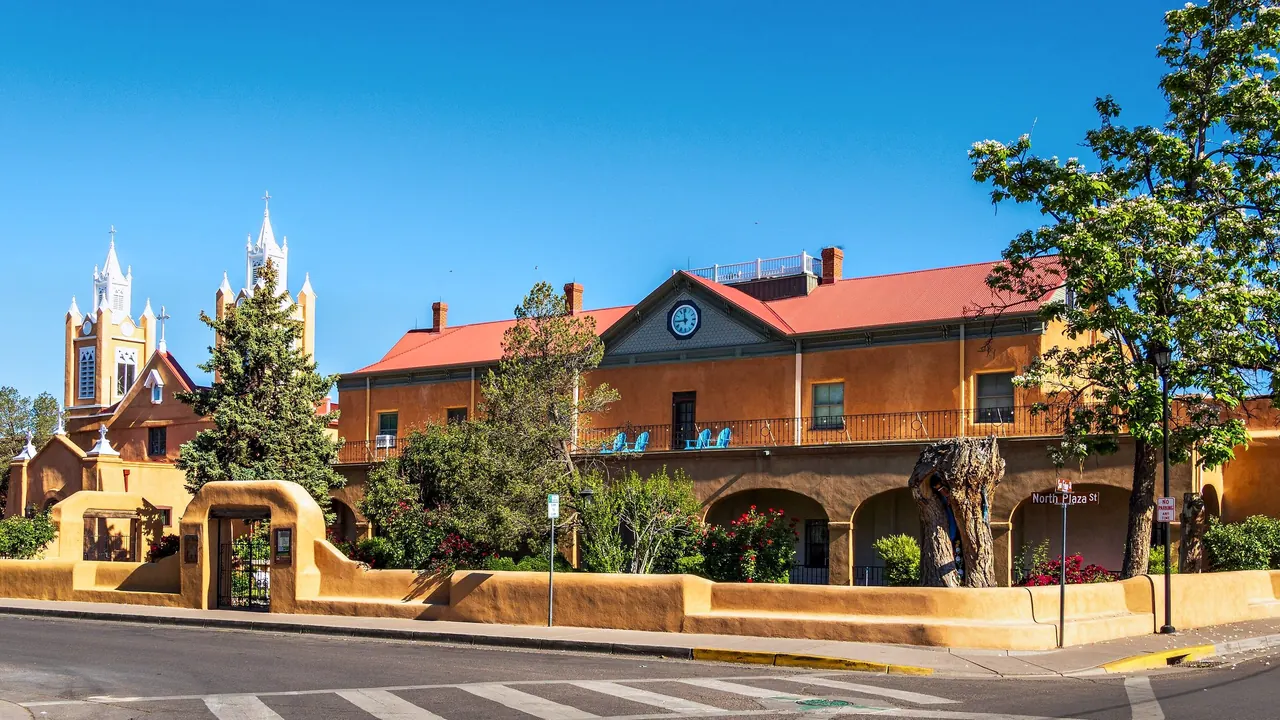
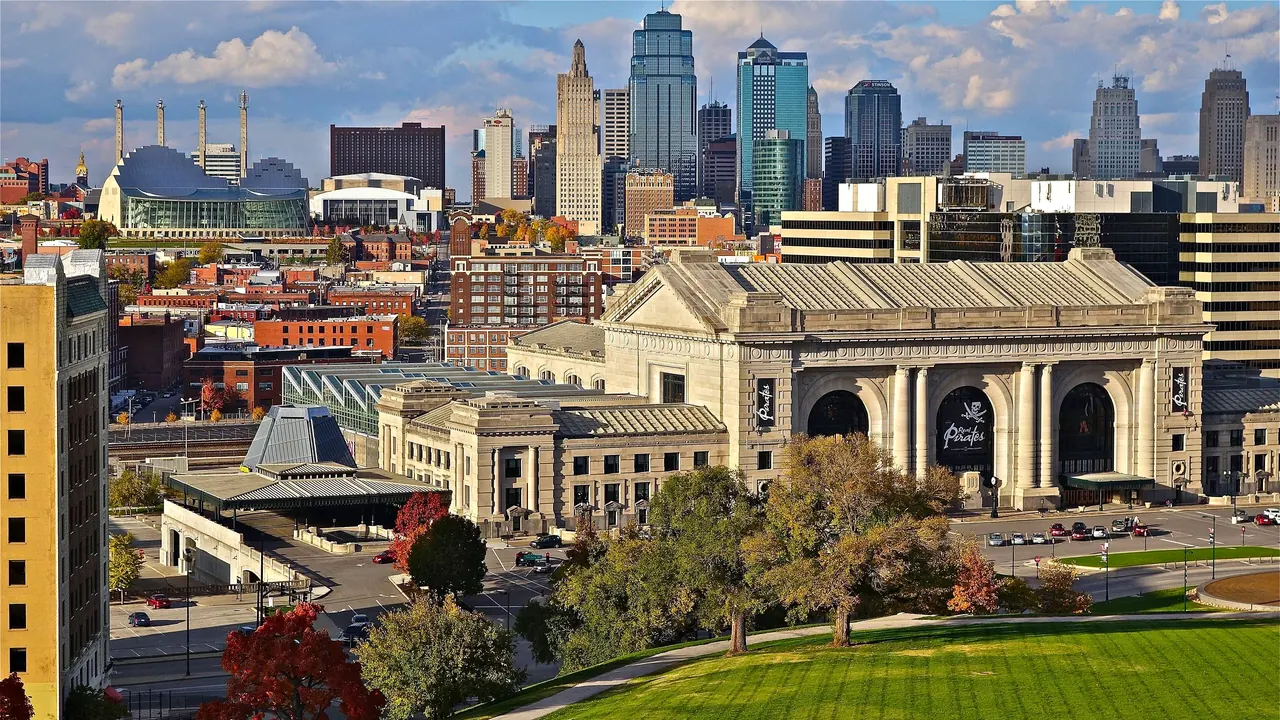
Photos: Albuquerque by dconvertini, CC BY-SA 2.0, cropped; Kansas City by Dean Hochman from Overland Park, Kansas, U.S., CC BY 2.0, cropped.
Albuquerque or Kansas City?
Our verdict in twelve categories, each scored against the same fixed benchmark cities, and the climate month by month, so you can choose for your trip.
Choose Albuquerque for
- nature and the outdoors
- day trips
- wellness
Albuquerque is the choice for travellers who want landscape. The Sandia Mountains rise straight from the city's edge, the tramway puts you on a forested crest above the desert, and the days out reach Santa Fe, Acoma's mesa-top pueblo and the cliff dwellings at Bandelier. Add chile-led New Mexican cooking, Native craft and hot springs in the hills, and it suits a road trip with a hire car and an appetite for the outdoors.
Choose Kansas City for
- live music and the arts
- culture and sights
- nightlife
Kansas City rewards a different visitor, one who wants evenings and indoor sights. Its jazz heritage still fills small clubs at night, the Kauffman Center hosts a full symphony, opera and ballet season, and the Nelson-Atkins and the National WWI Museum give it more serious sightseeing. The surrounding prairie is gentle rather than dramatic, so come for barbecue, music and museums, not for hiking.
Scoreboard
Twelve categories on one fixed scale from 0 to 100. The shaded stretch is the gap between the two.
Your match
Pick a travel style or drag the sliders, and both match scores follow your weighting.
Too close to call, 1 point apart
Wins on nature and the outdoors and day trips with your weighting.
Wins on live music and the arts and culture and sights with your weighting.
What matters to you?
Category by category
What the scores mean for a trip.
Beaches & swimming
Both are deep inland and neither is a swimming destination. Albuquerque's high desert setting means hotel pools or a drive to a reservoir such as Cochiti Lake, while Kansas City's summer swimming happens at sandy lake beaches in county parks around the metro area, which are slightly easier to make a family afternoon of.
Food & drink
Both cities give you one regional cooking style worth the trip, and they could hardly taste more different. In Albuquerque it is New Mexican food built on the state's own chile, red, green or both, served as carne adovada, blue corn enchiladas and stuffed sopaipillas in family places in the valleys and along old Route 66, with the smell of roasting chile in late summer.
Kansas City answers with hickory smoke: burnt ends, sweet molasses sauce and smokehouses from old counters near 18th and Vine to polished dining rooms, plus cattle-town steakhouses. It has a little more beyond the speciality, with the River Market's Vietnamese, Ethiopian and Middle Eastern counters and a Mexican Westside, while both have craft breweries and little fine dining.
Culture & sights
Kansas City has the weightier sights. The Nelson-Atkins is a major encyclopaedic art museum, the National WWI Museum is the country's main account of that war, and the Negro Leagues Baseball Museum and American Jazz Museum tell stories found nowhere else, with Union Station and the Spanish-style Plaza adding architecture.
Albuquerque's appeal is smaller and more rooted in place: the adobe plaza and church of Old Town, the Indian Pueblo Cultural Center, the National Hispanic Cultural Center and the petroglyphs carved into volcanic rock. It makes a good couple of days on the region's Native and Hispanic past rather than a museum city.
Nightlife
Kansas City gives you more choice after dark, with four separate districts of different character: the sports-bar block of Power and Light, Westport's student strip, and the calmer craft beer and cocktail bars of the Crossroads and River Market. You will need rides between them.
Albuquerque's evenings centre on Central Avenue, with a downtown bar strip that gets rowdy on weekends and quieter Nob Hill taprooms. Its advantage is the dry, warm patio weather from spring to autumn, but midweek both cities wind down early.
Nature & outdoors
Albuquerque is far stronger here. The Sandia Mountains rise as a wall on the east side, the tramway climbs to a crest over 3,000m with pine forest trails, the bosque shades the Rio Grande, and wintering cranes, volcanic cones and the Jemez Mountains lie close by.
Kansas City's setting is rolling prairie and farmland along the Missouri and Kansas rivers. Swope Park, Loose Park's rose garden, creekside trails and reservoir walks make for pleasant outings, but real hiking country such as the Ozarks is several hours away.
Day trips
Albuquerque has the better excursions by a wide margin. Santa Fe, about an hour north and reachable by commuter train, fills a full day with its plaza, Canyon Road galleries and museums, and a car adds Acoma's Sky City, Bandelier's cliff dwellings, Chimayo and the Turquoise Trail villages.
Kansas City's outings are pleasant half days rather than famous sights: Truman's home in Independence, the university town of Lawrence, the river town of Weston and St Joseph's Pony Express museum. Almost all of them need a car.
Good for families
Albuquerque's family appeal comes from its setting and one great event. The BioPark puts a zoo, an aquarium and a garden along the river, and Explora and the dinosaur halls are in Old Town. The tramway ride up the Sandias feels like an adventure, and in October hundreds of balloons rise together at dawn at the Balloon Fiesta. Mind the strong sun at altitude.
Kansas City counters with built attractions: Worlds of Fun and its water park, a large zoo, Science City inside Union Station, and the aquarium and Legoland centre at Crown Center, with fountains to splash in and relaxed ball games through the summer. In both cities, expect plenty of driving from one attraction to the next.
Getting around
Both are car cities, but Kansas City makes a day or two without one more realistic. Its streetcar along Main Street links the River Market, downtown, Union Station, Crown Center and Midtown, so staying on that line puts many sights within reach, with ride-hailing for the rest.
In Albuquerque only Old Town is truly walkable, and the Central Avenue bus is the one useful link to downtown, the university and Nob Hill. The mountains, the petroglyphs and nearly every day trip need a hire car, though the airport is close and driving is easy.
Shopping & style
Neither is a shopping destination, but they offer different things. Albuquerque's distinctive buy is Native and Southwestern craft, silver and turquoise jewellery, Pueblo pottery and Navajo weaving, best bought from artists or reputable dealers around Old Town and the Pueblo Cultural Center.
Kansas City has the more conventional shopping street in the Country Club Plaza, with chains and upmarket stores in a 1920s Spanish-style setting, plus galleries and vintage shops in the Crossroads and record shops around Westport.
Affordability
Costs are much alike: both are cheaper than coastal America but not budget trips, and in both the hire car, sales tax and tipping add up. The differences lie in timing and free sights. Albuquerque's rates jump sharply in Balloon Fiesta week, while its trails and Old Town cost little, and Kansas City's free entry to the Nelson-Atkins helps, though theme park and zoo tickets weigh on a family budget.
Live music & performing arts
Kansas City has the deeper stage. Jazz is its own art form, the music of Count Basie and Charlie Parker, still played most nights in small clubs with late jam sessions, and the Kauffman Center houses a symphony, opera and ballet, with the Folly Theater and Starlight's summer musicals besides.
Albuquerque's scene is smaller but has its own character: touring shows at Popejoy Hall, the Pueblo Deco KiMo Theatre, a surprising depth in flamenco and traditional Native dances at the Pueblo Cultural Center on weekends. The open-air opera in the hills above Santa Fe is within an evening's drive in summer.
Wellness & relaxation
Albuquerque has more to offer a slower stay, mainly because of the hot springs in the northern New Mexico hills, at Jemez Springs and around Santa Fe, and the resort spas on Pueblo lands with mountain views. Kansas City's nearest equivalent is the old mineral-water resort of Excelsior Springs, otherwise it is hotel and day spas, with a quiet morning in Loose Park's rose garden or the Nelson-Atkins sculpture park as the easiest way to unwind.
When should you go?
Pick your month. The climate figures are measured averages, not a forecast.
Albuquerque in July
Kansas City in July
Daytime high, °C
Rainfall in the month, mm
Where the figures come from
Kansas City has no rain gauge within 25 km of the centre, so its rainfall comes from a gridded climate dataset read at the city rather than from a gauge further away.
Kansas City's sunshine is measured 30 km from the centre, at Kansas City International Airport.
Temperature and rainfall are climate normals, averaged over the years shown. Albuquerque: 1991-2020 normals, Albuquerque International Airport (7.3 km from centre). Kansas City: 1991-2020 (sunshine 1981-2010) normals, Kansas City / Harlem (8.2 km from centre).
Albuquerque is dry and sunny all year. Its best months are April, May, September and October, when days are warm and clear and walking Old Town or the foothills trails is easy. June and July reach about 33°C, too hot for exploring at midday. The brief summer rains peak in July at about 42mm, mostly as short afternoon storms. Winters are cool but bright, so a clear January day still suits sightseeing.
Kansas City is much wetter and gets less sunshine through the year. Rain builds from April to a peak of about 142mm in May and stays heavy right through September, so spring and early autumn are mild but often showery. Summer is as hot as Albuquerque's but humid. October is the most comfortable month, mild enough for long walks between the museums and parks and clearly drier at 76mm. April is a fair second choice if you pack for showers. Winter is colder than in New Mexico, with January highs near 5°C.
Which traveller are you?
On an outdoors trip, Albuquerque is the clear pick. The Sandia trails begin at the edge of suburban streets, the bosque along the Rio Grande suits cycling and birdwatching, and volcanic escarpments, the Jemez Mountains and canyon country are all an easy drive away.
For a culture and arts trip, Kansas City offers more. The Nelson-Atkins and the WWI museum are major visits, 18th and Vine tells African American history through baseball and jazz, and the Kauffman Center's orchestra, opera and ballet fill the evenings with formal performance.
On a food and nightlife trip, Kansas City edges ahead. Barbecue and New Mexican chile are equally worth travelling for, but Kansas City's late jazz sets, jam sessions and several separate bar districts give a night out more range than Albuquerque's taprooms.
Before you go
| Measure | Albuquerque | Kansas City |
|---|---|---|
| Currency | US Dollar (USD) | US Dollar (USD) |
| Sockets | AB120 V, 60 Hz | AB120 V, 60 Hz |
| Driving side | Right | Right |
| Time zone | UTC-7, UTC-6 in summer | UTC-6, UTC-5 in summer |
| Emergency number | 911 | 911 |
| Elevation | 1,619 m | 277 m |
| Main airport | Albuquerque International Sunport (ABQ)6 km from centre27 non-stop destinations | Kansas City International Airport (MCI)30 km from centre57 non-stop destinations |
| Public holidays this year | 13 days | 14 days |
By the numbers
| Measure | Albuquerque | Kansas City |
|---|---|---|
| City population | 564,559 | 508,090 |
| People per km² | 1,150 | 615 |
| Museums within 10 km | 10 | 12 |
| UNESCO World Heritage sites within 50 km | 0 | 0 |
Where else could you go?
Every comparison below shares a destination with this one, so you can follow Albuquerque or Kansas City somewhere new.
- Santa Fevs Albuquerque
- Taosvs Albuquerque
- Durango, Coloradovs Albuquerque
- Bransonvs Kansas City
- Telluridevs Albuquerque
- St. Louisvs Kansas City