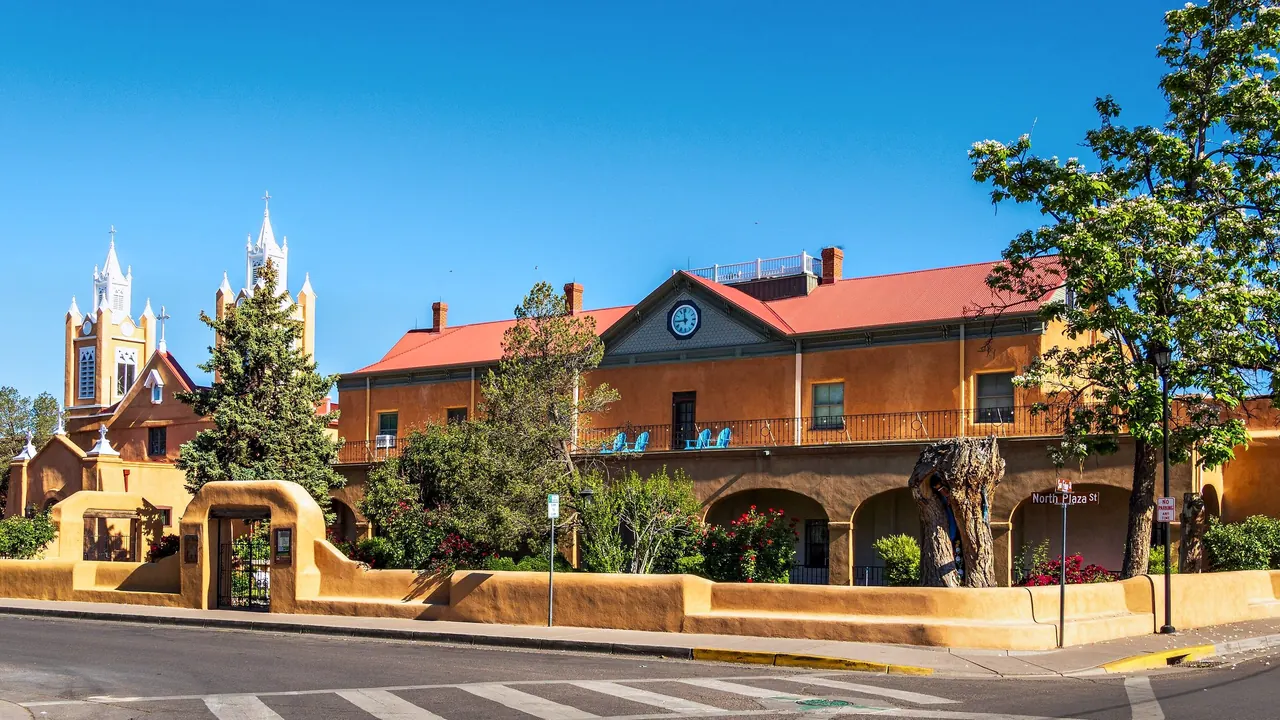
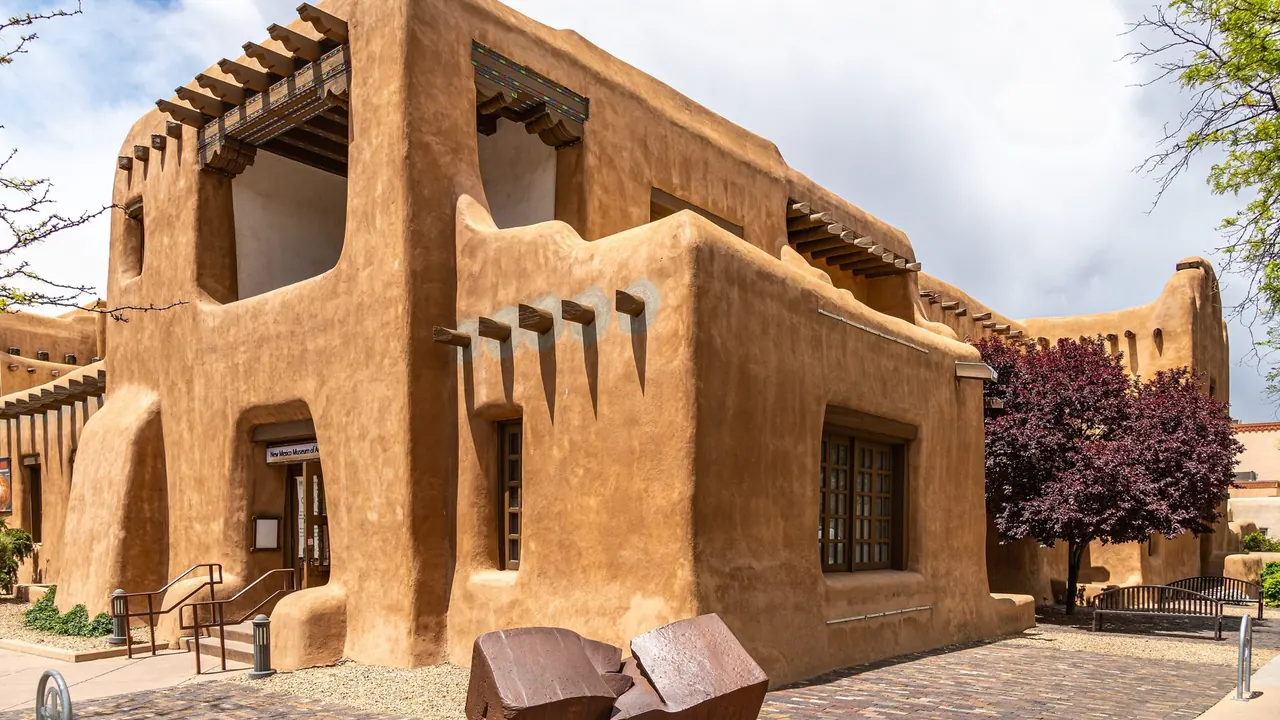
Photos: Albuquerque by dconvertini, CC BY-SA 2.0, cropped; Santa Fe by dconvertini, CC BY-SA 2.0, cropped.
Albuquerque or Santa Fe?
Our verdict in twelve categories, each scored against the same fixed benchmark cities, and the climate month by month, so you can choose for your trip.
Choose Albuquerque for
- families
- nightlife
- prices
Albuquerque is the better pick for a family vacation or a trip that needs to stretch a budget. The BioPark, Explora and the Sandia tramway keep children busy, rooms cost less than in its smaller neighbour, and the bars along Central Avenue offer the region's only proper night out. It also has the airport, and Santa Fe makes an easy day out from here.
Choose Santa Fe for
- culture and sights
- wellness
- shopping
Travellers drawn by art, history and mountains will be happier in Santa Fe. Its adobe centre around the Plaza, Museum Hill, the galleries of Canyon Road and the summer opera go well beyond anything in Albuquerque. The high country starts at the edge of town, and its soaking tubs and spas make it the calmer place to unwind. Expect to pay more for all of this.
Scoreboard
Twelve categories on one fixed scale from 0 to 100. The shaded stretch is the gap between the two.
Your match
Pick a travel style or drag the sliders, and both match scores follow your weighting.
Wins on families and nightlife with your weighting.
Wins on culture and sights and wellness with your weighting.
What matters to you?
Category by category
What the scores mean for a trip.
Beaches & swimming
Neither city has a beach. Both sit on the high desert plateau, a very long way from any coast, so the only difference is where people go on a summer afternoon. From Albuquerque the usual outing is Cochiti Lake, while from Santa Fe people head north to Abiquiu Lake or float the Rio Grande, and in both cities most visitors simply swim in the hotel pool.
Food & drink
Both cities eat New Mexican food first, so you will find the red or green question, carne adovada, posole and sopaipillas with honey in either. Albuquerque's strength is everyday cooking in long-running family places in the South and North Valleys and along Route 66, with a larger craft brewery scene in converted industrial buildings.
Santa Fe serves the same classics in old adobe rooms around the Plaza and adds a fine-dining tier that Albuquerque largely lacks. It also has the Railyard farmers' market, one of the country's oldest. Neither city offers much international variety.
Culture & sights
Albuquerque's Old Town is a single small adobe plaza, but the city tells stories Santa Fe does not. The Indian Pueblo Cultural Center gives a good introduction to Native cultures, and there are the nuclear science museum, the Route 66 neon and the rock carvings of Petroglyph National Monument. It makes a rewarding couple of days.
Santa Fe has the deeper history and stronger collections. Founded in 1610, it keeps a whole adobe townscape around its Plaza, including the Palace of the Governors, the cathedral and the Loretto Chapel. Museum Hill, the O'Keeffe museum and the galleries of Canyon Road add art of real weight.
Nightlife
Of the two, only Albuquerque has a real night out. Downtown's bars and dance clubs along Central Avenue fill at weekends and can get rowdy, while Nob Hill offers a gentler round of cocktail bars and taprooms. Midweek it is still quiet.
Santa Fe winds down after dinner, with a margarita on a rooftop at sunset and a few bars and breweries around the Railyard. The streets are quiet before midnight, and locals who want to dance drive down to Albuquerque.
Nature & outdoors
Albuquerque has the Sandias on its doorstep. The tramway climbs to the crest, the La Luz Trail goes all the way up on foot, and the cottonwood bosque along the river draws wintering cranes. The volcanic escarpments lie to the west.
Santa Fe goes further. The Sangre de Cristo Mountains rise from the edge of town into aspen forest that turns gold in autumn, and beyond them is the Pecos Wilderness, with peaks above 3,600m. Valles Caldera's elk, rafting in the Rio Grande Gorge and the red cliffs of Abiquiu are all within reach, which makes it the better base for serious hiking.
Day trips
Albuquerque's best day out is Santa Fe itself, an hour to the north. Further options include Acoma's Sky City on its mesa to the west, the mining villages of the Turquoise Trail and the Salinas missions, but Taos is too far for a comfortable day.
Santa Fe is right beside the richest cluster of sights. From here you can take the High Road through Chimayo and Truchas to Taos Pueblo, or visit Bandelier's cliff dwellings, Los Alamos, Pecos and O'Keeffe country at Abiquiu and Ghost Ranch. From either city, almost everything needs a car.
Good for families
Albuquerque works for a family visit in a way Santa Fe does not. The BioPark's zoo, aquarium and gardens, the hands-on Explora, the natural history museum's dinosaurs and the tramway ride all appeal to children. The dawn launches of the Balloon Fiesta each October are the great family event of the region.
Santa Fe has a children's museum, the ladders at Bandelier and ski lessons in winter, but its galleries and long dinners are made for adults. At 2,100m, its altitude can also tire small children for the first day or two. Families with older children who like hiking fare best there.
Getting around
Albuquerque is a sprawling car city. Old Town is walkable, and the Central Avenue bus links it to downtown, the university and Nob Hill, but almost everything else means driving. Santa Fe's historic centre is much easier on foot, with the Plaza, the downtown museums, Canyon Road and the Railyard all within about twenty minutes of each other.
Outside these centres, both cities need a hire car. The Rail Runner train links the two directly.
Shopping & style
Both cities are about Native American and Southwestern craft. In Albuquerque, the shops around Old Town's plaza and at the Indian Pueblo Cultural Center sell turquoise, pottery and Navajo weaving, and Nob Hill adds a short run of vintage and independent shops.
Santa Fe takes the same specialism much further. Native artists sell directly under the portal of the Palace of the Governors, and Canyon Road and the Railyard are lined with galleries. The summer Indian, Spanish and International Folk Art markets draw collectors from far away. Neither city is a place for fashion or luxury.
Affordability
Neither is a budget destination, but Albuquerque costs noticeably less. Hotels are plentiful and fairly priced except during Balloon Fiesta week, and casual New Mexican places serve generous plates.
Santa Fe charges resort rates around the Plaza, especially during the summer markets, the opera season and at Christmas, and its restaurants and galleries are priced for wealthy visitors. Staying out along Cerrillos Road helps. In both cities the hire car is one of the largest costs.
Live music & performing arts
Albuquerque's stages are Popejoy Hall, for touring musicals and the philharmonic, and the Pueblo Deco KiMo Theatre. It also has weekend Native dances at the Indian Pueblo Cultural Center, which Santa Fe does not match. Flamenco runs deep in both cities.
Santa Fe has the region's main stage, the open-air opera on its hill north of town, where performances begin at sunset. A summer chamber music festival adds to it, and the Lensic theatre covers the rest of the year. In winter the gap narrows, because Santa Fe's calendar thins to that of a small town.
Wellness & relaxation
In Albuquerque, relaxing mostly means a resort spa on Pueblo land outside town, or the drive of about an hour and a quarter to the mineral pools at Jemez Springs.
Santa Fe is better made for unwinding. It has Japanese-style soaking tubs among the pines on the road to the ski area, the historic springs at Ojo Caliente to the north, and an unusual number of spas, yoga studios and healers for its size. Adobe courtyards and quiet evenings help too, though neither city has a public bathing culture.
When should you go?
Pick your month. The climate figures are measured averages, not a forecast.
Albuquerque in July
Santa Fe in July
Daytime high, °C
Rainfall in the month, mm
Where the figures come from
Santa Fe's station stands 199 m below the city centre, so the centre is likely a little cooler than the figures say.
Santa Fe has no rain gauge within 25 km of the centre, so its rainfall comes from a gridded climate dataset read at the city rather than from a gauge further away.
Temperature and rainfall are climate normals, averaged over the years shown. Albuquerque: 1991-2020 normals, Albuquerque International Airport (7.3 km from centre). Santa Fe: 1991-2020 normals, Santa Fe / Cieneguilla (12.4 km from centre).
Both cities follow the same high-desert pattern, but Santa Fe sits higher and stays a few degrees cooler all year. Neither has a beach season, so summer in either city means early starts and a hotel pool. Albuquerque reaches 33°C in June and July, too hot for walking at midday, while Santa Fe peaks nearer 31°C. The rains then arrive in July and August, and Santa Fe gets the heavier share, about 60mm a month against Albuquerque's 42mm in July.
The best months for streets and trails are April, May and October, when days are mild to warm and mostly dry in both cities. September is a comfortable temperature, but the summer rains are still easing off, more so in Santa Fe. Albuquerque is sunny almost all year, with the most sunshine in May and June. Winter is cold in both cities. Santa Fe's January high is only about 6°C, which suits the ski area but makes sightseeing chilly, while Albuquerque stays a little milder.
Which traveller are you?
On a family trip with children, Albuquerque is the easier choice. The BioPark's zoo and aquarium, Explora, the dinosaur halls and the tramway fill several days, and the October Balloon Fiesta is unforgettable. Santa Fe suits older, active children better than young ones.
For a culture and arts trip, Santa Fe clearly comes out ahead. Four centuries of adobe history around the Plaza, Museum Hill's folk and Native art, the O'Keeffe museum, Canyon Road's galleries and the summer opera add up to more than Albuquerque's Old Town and Route 66.
On a relaxing and wellness trip, Santa Fe is the place to slow down. It has Japanese-style soaking tubs in the pine foothills, Ojo Caliente's springs an hour away, plenty of spas and yoga, and evenings that end early. Albuquerque mostly offers hotel spas.
Before you go
| Measure | Albuquerque | Santa Fe |
|---|---|---|
| Currency | US Dollar (USD) | US Dollar (USD) |
| Sockets | AB120 V, 60 Hz | AB120 V, 60 Hz |
| Driving side | Right | Right |
| Time zone | UTC-7, UTC-6 in summer | UTC-7, UTC-6 in summer |
| Emergency number | 911 | 911 |
| Elevation | 1,619 m | 2,134 m |
| Main airport | Albuquerque International Sunport (ABQ)6 km from centre27 non-stop destinations | Santa Fe Municipal Airport (SAF)12 km from centre5 non-stop destinations |
| Public holidays this year | 13 days | 13 days |
By the numbers
| Measure | Albuquerque | Santa Fe |
|---|---|---|
| City population | 564,559 | 87,505 |
| People per km² | 1,150 | 645 |
| Museums within 10 km | 10 | 10 |
| UNESCO World Heritage sites within 50 km | 0 | 0 |
Where else could you go?
Every comparison below shares a destination with this one, so you can follow Albuquerque or Santa Fe somewhere new.
- Taosvs Santa Fe
- Taosvs Albuquerque
- Durango, Coloradovs Santa Fe
- Durango, Coloradovs Albuquerque
- Telluridevs Santa Fe
- Telluridevs Albuquerque