Photos: Albuquerque by dconvertini, CC BY-SA 2.0, cropped; Keystone by Rudi Riet, CC BY-SA 2.0, cropped.
Albuquerque or Keystone?
Our verdict in twelve categories, each scored against the same fixed benchmark cities, and the climate month by month, so you can choose for your trip.
Choose Albuquerque for
- culture and sights
- food and drink
- prices
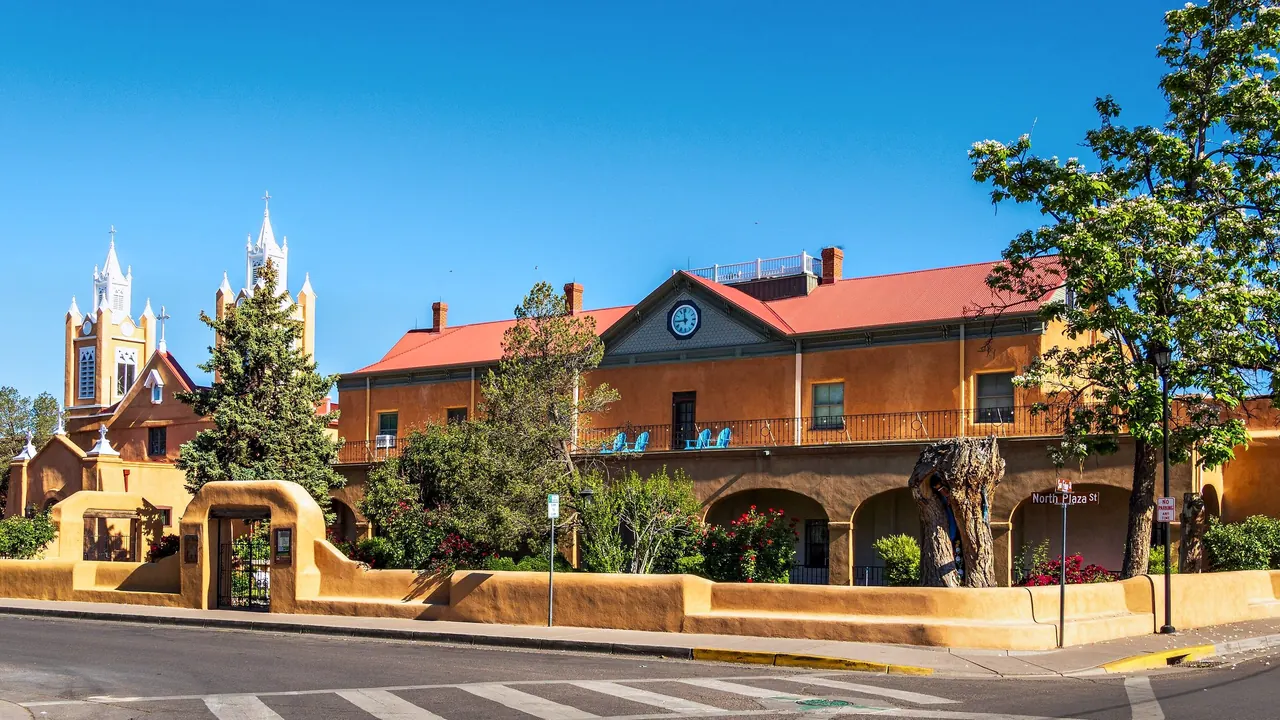
Albuquerque suits a traveller who wants a place with a character of its own. That means New Mexican cooking built on red and green chile, the adobe plaza of Old Town, Pueblo culture and Route 66 neon, with Santa Fe an easy day out. It works best in spring or autumn with a hire car, and staying there costs a good deal less than at a Rockies resort.
Choose Keystone for
- getting around
- nature and the outdoors
- families
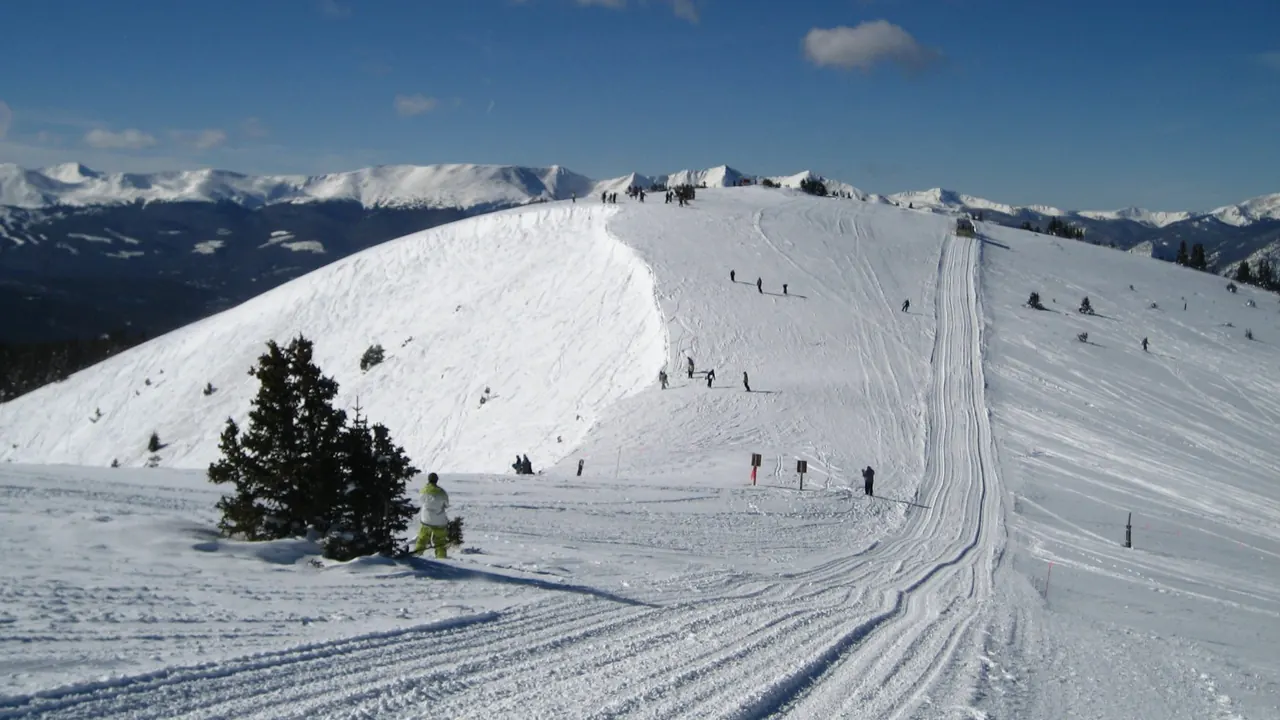
Keystone is the choice when the mountains themselves are the trip. In winter that means long groomed runs, high bowls and a ski school set up for children, with Arapahoe Basin and Breckenridge close by. In summer it means high trails and alpine tundra. Expect resort prices and quiet evenings in a hot tub rather than a night out.
Scoreboard
Twelve categories on one fixed scale from 0 to 100. The shaded stretch is the gap between the two.
Your match
Pick a travel style or drag the sliders, and both match scores follow your weighting.
Wins on culture and sights and food and drink with your weighting.
Wins on getting around and nature and the outdoors with your weighting.
What matters to you?
Category by category
What the scores mean for a trip.
Beaches & swimming
Neither is a place to swim, since both sit high and far inland. Albuquerque's summer heat at least makes its hotel and public pools, or an afternoon at Cochiti Lake, a real pleasure. At Keystone, Dillon Reservoir is snowmelt-cold and used for boating, so the hot tub is the main way into the water.
Food & drink
Albuquerque has a regional cuisine that is a reason to go in itself. Carne adovada, blue corn enchiladas and posole come smothered in red or green chile at long-running family places in the South and North Valleys, and craft taprooms fill Nob Hill and downtown.
Keystone eats like the ski resort it is: slopeside grills, pizza and après-ski burgers, with Colorado lamb, elk and trout on the better menus. Many visitors cook in their condo or drive to Frisco or Breckenridge for more choice.
Culture & sights
Albuquerque offers a couple of days of real sightseeing. There is the adobe plaza and 1793 church of Old Town, the Indian Pueblo Cultural Center, the National Hispanic Cultural Center in Barelas, and the petroglyphs carved into volcanic rock on the west side.
Keystone was built for skiing in the 1970s and has almost nothing to see within the resort. Its history lies outside, in the mining ruins of the Snake River valley and the Victorian towns nearby.
Nightlife
Albuquerque has the livelier evenings of the two, though neither is a place to come for nightlife. Because it is a city, a weekend gives you a choice: a loud, late night among the bars and dance floors downtown, or a slower one over a cocktail or a local beer in Nob Hill. In the warm, dry months much of this happens outdoors. Arrive on a Tuesday, though, and you will find little going on.
At Keystone the main social hour comes early, straight off the slopes, with drinks on the River Run decks as the light fades. After that the resort keeps family hours, and by mid-evening most guests are back in their condos. To stay out late you have to leave Keystone for Breckenridge, a short ride away, so a night out there means a trip by car or bus rather than walking out of your door.
Nature & outdoors
Both have mountains at the door, but Keystone is built around them. Its three peaks have groomed runs, tree skiing and bowls above 3,600m, with Arapahoe Basin, Breckenridge and Vail close by. In summer the same slopes offer lift-served biking, alpine tundra and two 14,000ft summits.
Albuquerque's outdoors are generous for a city. The tramway climbs to the Sandia crest, the La Luz Trail goes up the whole mountain on foot, and the cottonwood bosque along the Rio Grande draws wintering cranes. This is desert, best in spring and autumn, and nearly all of it needs a car.
Day trips
Both have good days out, of quite different kinds. From Albuquerque the standout is Santa Fe, which you can reach by commuter train. Beyond it lie ancient Native sites reached by car: Acoma's Sky City on its mesa, Bandelier's cliff dwellings and the Salinas missions.
From Keystone the theme is mining history, from Breckenridge's Victorian centre to Georgetown's loop railway and Leadville's opera house. Denver's museums are further off, depending on traffic on I-70.
Good for families
Keystone is designed for family ski trips. It has a big ski school, gentle lower slopes, tubing, a snow fort on the mountain and a huge skating rink on the frozen lake, all a short walk or free shuttle from condos with kitchens.
Albuquerque has more for children away from the snow: the BioPark's zoo and aquarium, Explora, the dinosaur halls and the October Balloon Fiesta at dawn. The catch is that every outing means the car and strong summer sun.
Getting around
Once you have arrived, Keystone is the easier of the two without a car. Free shuttles link its three bases and free county buses run to Dillon, Frisco and Breckenridge. The hard part is getting there, over I-70 from Denver, with snow and chain rules in winter.
Albuquerque is a spread-out city built for the car. The Central Avenue bus and the train to Santa Fe help, but the mountains, the petroglyphs and most day trips mean a hire car, which is at least easy to pick up at the airport close to the centre.
Shopping & style
Albuquerque has things genuinely worth buying: Native silver and turquoise, Pueblo pottery and Navajo weaving around Old Town and the Indian Pueblo Cultural Center, plus Nob Hill's vintage shops. Keystone's shopping is ski gear and gifts in River Run, with the Silverthorne outlets ten minutes away for brand-name outdoor clothing.
Affordability
Albuquerque is the cheaper of the two at any time of year, and much of the money goes on getting around. The hire car, fuel and the odd parking charge are the largest items, and sales tax and the tip add a good share to every meal. The one week that is truly dear is the October Balloon Fiesta, when rooms run short and rates climb sharply.
At Keystone the calendar decides the bill. Winter is the expensive season, with the Christmas, New Year and spring-break weeks dearest of all, while summer is noticeably gentler, though still not cheap. Free shuttles and county buses mean you can do without a car once you have arrived, and condo kitchens with supermarkets in Dillon and Silverthorne make self-catering a real saving.
Live music & performing arts
Albuquerque has stages that run all year. Popejoy Hall brings touring Broadway shows and the philharmonic, the KiMo Theatre has its Pueblo Deco interior, the city has a surprisingly deep flamenco tradition, and Native dances are performed on weekends at the Indian Pueblo Cultural Center.
In Keystone, live performance is mostly a summer thing: festivals on the village stages, the amphitheatre at Dillon and Breckenridge's classical festival. In winter there is Silverthorne's theatre company or acoustic sets at après-ski.
Wellness & relaxation
Neither has a bathing culture of its own, and for natural hot springs both send you out of town. What differs is the kind of rest. Albuquerque offers desert calm, with resort spas on Pueblo lands and the mineral pools of Jemez Springs about an hour and a quarter away. Keystone is about recovering after skiing, in an outdoor hot tub under falling snow, with Idaho Springs over the pass.
When should you go?
Pick your month. The climate figures are measured averages, not a forecast.
Albuquerque in July
Keystone in July
Daytime high, °C
Rainfall in the month, mm
Where the figures come from
Keystone's temperatures are measured 51 km from the centre, at Leadville / Stringtown.
Keystone's station stands 232 m above the city centre, so the centre is likely a little warmer than the figures say.
Keystone has no rain gauge within 25 km of the centre, so its rainfall comes from a gridded climate dataset read at the city rather than from a gauge further away.
Temperature and rainfall are climate normals, averaged over the years shown. Albuquerque: 1991-2020 normals, Albuquerque International Airport (7.3 km from centre). Keystone: 2006-2020 (rainfall 1991-2020) normals, Leadville / Stringtown (50.8 km from centre).
Albuquerque is a dry, sunny desert city at its best in April, May, September and October. Days are warm then, around 22°C in April and October, which is ideal for walking Old Town or the foothills trails. June to August reach about 33°C, too hot for long afternoons on foot. July brings the year's main rain, though it peaks at only about 42mm. Winter days are cool but bright, so sightseeing works all year round.
Keystone runs the other way. From December to February daytime highs stay below freezing, at around -2°C, which is exactly what the ski season needs. Precipitation is spread fairly evenly through the year. Summer is mild rather than hot, about 21°C in July, which is good for hiking and biking at altitude while Albuquerque bakes. May and October fall between the two seasons in the mountains.
Which traveller are you?
For a culture and arts trip, Albuquerque is the clear pick. Old Town's adobe plaza, the Indian Pueblo Cultural Center, Route 66 neon, the KiMo Theatre, flamenco and the galleries of nearby Santa Fe fill days and evenings in a way Keystone's modern resort cannot.
On an outdoors trip, Keystone comes out ahead. Its slopes, bowls and the ski areas nearby make it a serious winter base. Summer brings 14,000ft peaks, alpine tundra and lift-served biking, all in cooler air than Albuquerque's hot desert.
On a tight budget, Albuquerque is far easier. Neither is cheap, but its fairly priced hotels, generous New Mexican plates and free sights such as the petroglyphs go much further than Keystone's lift access, ski rental and resort meals.
Before you go
| Measure | Albuquerque | Keystone |
|---|---|---|
| Currency | US Dollar (USD) | US Dollar (USD) |
| Sockets | AB120 V, 60 Hz | AB120 V, 60 Hz |
| Driving side | Right | Right |
| Time zone | UTC-7, UTC-6 in summer | UTC-7, UTC-6 in summer |
| Emergency number | 911 | 911 |
| Elevation | 1,619 m | 2,796 m |
| Main airport | Albuquerque International Sunport (ABQ)6 km from centre27 non-stop destinations | Denver International Airport (DEN)116 km from centre231 non-stop destinations |
| Public holidays this year | 13 days | 12 days |
By the numbers
| Measure | Albuquerque | Keystone |
|---|---|---|
| City population | 564,559 | 1,369 |
| People per km² | 1,150 | 13 |
| Museums within 10 km | 10 | 0 |
| UNESCO World Heritage sites within 50 km | 0 | 0 |
Where else could you go?
Every comparison below shares a destination with this one, so you can follow Albuquerque or Keystone somewhere new.
- Breckenridgevs Keystone
- Copper Mountainvs Keystone
- Vailvs Keystone
- Winter Park, Coloradovs Keystone
- Beaver Creekvs Keystone
- Bouldervs Keystone