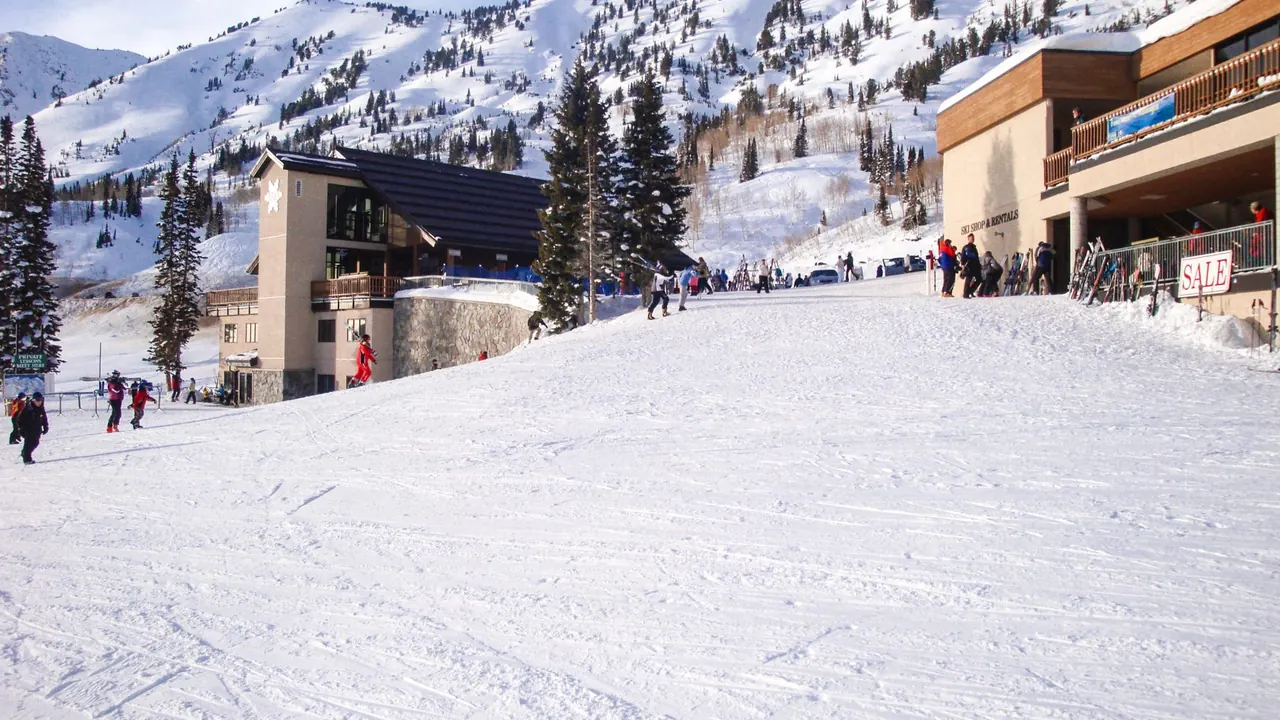
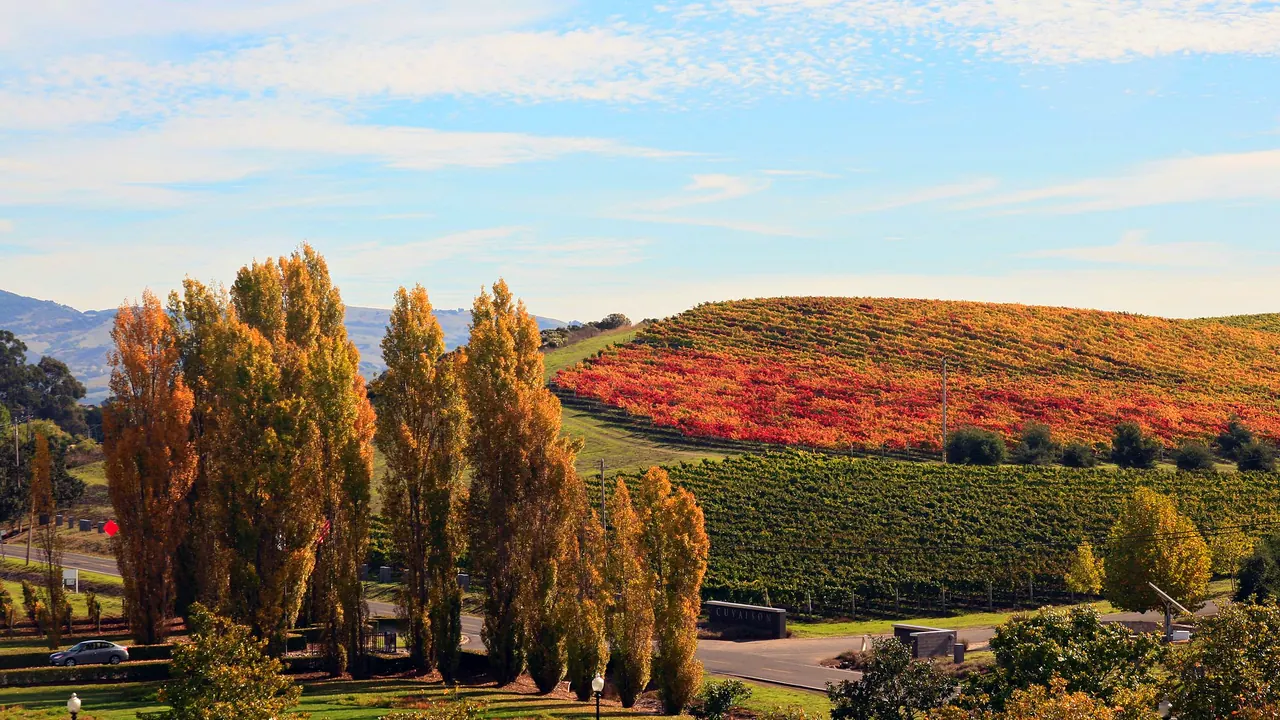
Photos: Alta, Utah by Sumanch, CC BY 3.0, cropped; Napa by Brocken Inaglory, CC BY-SA 3.0, cropped.
Alta, Utah or Napa?
Our verdict in twelve categories, each scored against the same fixed benchmark cities, and the climate month by month, so you can choose for your trip.
Choose Alta, Utah for
- nature and the outdoors
- getting around
- prices
Alta is for skiers, and for skiers who care about snow more than anything else on the trip. The powder in Little Cottonwood Canyon, the steep terrain and the ski-in, ski-out lodges are the whole point. Evenings are a drink, a set dinner and an early night. In summer the same mountains offer wildflower walks in Albion Basin. If you want food, sights or a night out, you will be driving down to Salt Lake City.
Choose Napa for
- food and drink
- day trips
- wellness
Napa suits travellers who measure a good day by what they ate and drank. The wineries along Highway 29 and the Silverado Trail, the restaurants of Yountville and St Helena, and the hot-spring baths of Calistoga make it an unhurried trip for adults. San Francisco and Sonoma are close enough to fill the spare days. The mountains around the valley are gentler than Alta's, and nobody goes to Napa for the outdoors alone.
Scoreboard
Twelve categories on one fixed scale from 0 to 100. The shaded stretch is the gap between the two.
Your match
Pick a travel style or drag the sliders, and both match scores follow your weighting.
Wins on nature and the outdoors and getting around with your weighting.
Wins on food and drink and day trips with your weighting.
What matters to you?
Category by category
What the scores mean for a trip.
Beaches & swimming
Neither city is a place for swimming. Alta's water is a lodge pool or a hot tub steaming in the snow, and the Great Salt Lake below is not somewhere people swim.
Napa offers slightly more. On a summer day you can swim and boat at Lake Berryessa in the eastern hills. The Sonoma coast is over an hour away and too cold and rough for swimming, so most visitors stay by the resort pool.
Food & drink
Alta's meals happen almost entirely inside the lodges. Most guests are on half board, with set dinners at long communal tables and lunch at the slopeside cafeterias, and Utah's liquor rules shape how drinks are served. It is filling food for skiers, and for any variety you have to drive down the canyon to Salt Lake City if the road is open.
In Napa, eating and drinking are the main reason to go. There is Cabernet from the estates on Highway 29, Pinot Noir and sparkling wine from Carneros, some of the country's most celebrated kitchens in Yountville and St Helena, and the bakers and oyster counters of the Oxbow market. Eating cheaply is harder. The taquerias that feed vineyard workers are good, but there is little street food, and most menus stick to Californian cooking.
Culture & sights
There are few sights in either place. Alta's history as a silver-mining camp survives only as old mine workings on the slopes, and it has no museums at all.
Napa has a little more for an afternoon: the restored 1880 opera house on First Street, the Victorian streets, the contemporary art at di Rosa, and the old stone wineries and main streets of St Helena and Calistoga. One day covers it.
Nightlife
Both are early-to-bed places. Alta's evenings end after an après-ski drink in a lodge bar, and its regulars like it that way. For anything livelier you have to go to the resort next door or down to Salt Lake City.
Napa stays up a little later. After a long dinner there is a glass at a wine bar, or a cocktail bar or pub on the riverfront, and these are busier on summer weekends. For a real night out, San Francisco is about an hour away.
Nature & outdoors
Alta's mountains are on a different scale. It sits at about 2,600m in the Wasatch Range, often gets more than 12m of snow in a winter, and has steep runs and real avalanche terrain for backcountry touring. In summer you can see moose and mountain goats on the trails to Cecret Lake.
Napa's landscape is gentler and more pastoral. It has vineyards edged with mustard flowers, hot-air balloons at dawn, a paved trail along the valley floor, and redwoods in Bothe-Napa Valley State Park. Point Reyes and Muir Woods are within reach, and they add a coast that Alta does not have.
Day trips
From Alta, the choices are Salt Lake City with Temple Square, Park City's old mining Main Street, or Ogden further north. In winter, every one of those trips depends on a canyon road that can close after a storm.
Napa has far more within easy reach. Yountville, St Helena and Calistoga are each a short drive. Sonoma's plaza and mission are over the Carneros hills, and Healdsburg and the Russian River make a second wine country to explore. San Francisco is an hour away by car or by ferry from Vallejo.
Good for families
For families, the real question is whether everyone skis. In Alta, skiing families are well looked after, with a ski school for children, gentle runs near the base and rooms a few steps from the lifts. Children who don't ski will have almost nothing to do, and the altitude and storm days stuck indoors can wear them down. Summer is easier, with short wildflower walks that children can manage.
Napa suits families who are happy to plan around the adults' wine. Children can go to the theme and animal park in Vallejo, see the geyser and petting farm near Calistoga, and swim in the hotel pool. Long drives between wineries and the summer heat are hard on younger children.
Getting around
Once you are up in Alta, getting around is easy. The lodges sit at the lifts, many are ski-in, ski-out, and a shuttle runs through the village in winter. The weak point is the one road up the canyon, which jams on powder mornings and closes for avalanche control.
Napa is harder to get around. The walkable downtown is small, the wineries are spread along some 50km of road, and the buses run too rarely to rely on. Since tasting and driving do not mix, many visitors pay for a driver or a tour.
Shopping & style
In Alta, shopping means renting and tuning skis and buying a branded hat. There are no boutiques at all.
Napa gives you more to take home. Wine shipped by the case is the main purchase. You can also find olive oil and kitchenware at the Oxbow market, cookware and design shops on St Helena's main street, and an outlet mall for familiar brands. Fashion is the gap.
Affordability
Both are expensive trips, for different reasons. Alta has few beds, almost all in a handful of lodges with dinner included, although lift tickets are moderate for a major American ski area. The way to save is to stay in the Salt Lake valley and take the bus up.
Napa's costs come from luxury hotels, especially on weekends and at harvest, from tasting fees at the well-known estates, and from the cost of a driver. Chain hotels further south, the taquerias and the smaller cellars bring the bill down a little.
Live music & performing arts
Alta has no stage at all. Any concert, play or symphony means an evening in Salt Lake City.
Napa has a modest programme. The 1880 opera house hosts concerts and comedy, and a 1930s Art Deco theatre books touring bands. In summer there is a classical festival in winery venues, and a big rock and pop festival comes to the fairgrounds in late spring. For opera or an orchestra, you go to San Francisco.
Wellness & relaxation
Alta's version of wellness is a hot tub in the snow after a hard day on the slopes, a sauna and perhaps a massage in a small lodge spa. Its real gift is the quiet, especially on storm days, when the snow muffles everything.
Napa has much more to offer here. Calistoga has been a hot-spring town since the nineteenth century, with volcanic mud baths and mineral pools. The resorts in Carneros and the hills run large spas that use treatments made from grape seeds. Weekdays and the months from late autumn to spring are the calmest times to go.
When should you go?
Pick your month. The climate figures are measured averages, not a forecast.
Alta, Utah in July
Napa in July
Daytime high, °C
Rainfall in the month, mm
Where the figures come from
Alta, Utah has no weather station within reach, so its figures come from a gridded climate model rather than a measured record, and read a broad area rather than the city itself.
Napa has no rain gauge within 25 km of the centre, so its rainfall comes from a gridded climate dataset read at the city rather than from a gauge further away.
Napa's sunshine is measured 73 km from the centre, at Sacramento Executive Airport.
Temperature and rainfall are climate normals, averaged over the years shown. Alta, Utah: 1991-2020 normals, TerraClimate 4 km grid at the town, no weather station within 90 km. Napa: 1991-2020 (sunshine 1981-2010) normals, Napa / Middleton (9.8 km from centre).
The two cities have opposite seasons. Alta sits high in the mountains, so from November to March daytime highs hover around freezing, with -1°C in December. Steady snow falls through the winter, and that is exactly what draws visitors. The snow melts late. The summer window for hiking runs from late June to September, when July reaches about 22°C and is pleasant for walking but never hot.
Napa is at its wettest in winter, with around 138mm of rain in January, and the hills turn green. The rain almost stops from May to October, and those months bring long sunny days with highs near 26°C. That is fine for tastings on a terrace, but hiking and cycling are best started early in the day. Spring and autumn are the easiest times for walking around. The Pacific nearby stays cold all year, around 12°C, so nobody plans a Napa trip around the sea.
Which traveller are you?
On an outdoors trip, Alta is the clear choice. It has deep, dry powder, steep runs and serious backcountry touring in winter. In summer there are the meadows of Albion Basin and climbs to Sugarloaf. Napa's vineyard cycling and redwood walks are pleasant, but they are much milder.
For a food and nightlife trip, choose Napa. Its tasting rooms, the restaurants of Yountville and St Helena and the Oxbow market give every day a plan, and the wine bars downtown are good for an evening glass. Alta's lodge dinners and early nights offer nothing to match.
On a relaxing and wellness trip, Napa is the better place. Calistoga's mud baths and mineral pools have been drawing visitors since the nineteenth century, and the resorts have large spas. Alta is calm and has hot tubs in the snow, but its spa facilities are modest.
Before you go
| Measure | Alta, Utah | Napa |
|---|---|---|
| Currency | US Dollar (USD) | US Dollar (USD) |
| Sockets | AB120 V, 60 Hz | AB120 V, 60 Hz |
| Driving side | Right | Right |
| Time zone | UTC-7, UTC-6 in summer | UTC-8, UTC-7 in summer |
| Emergency number | 911 | 911 |
| Elevation | 2,610 m | 6 m |
| Main airport | Salt Lake City International Airport (SLC)37 km from centre108 non-stop destinations | San Francisco International Airport (SFO)76 km from centre143 non-stop destinations |
| Public holidays this year | 12 days | 13 days |
By the numbers
| Measure | Alta, Utah | Napa |
|---|---|---|
| City population | 228 | 79,246 |
| People per km² | 19 | 1,686 |
| Museums within 10 km | 0 | 3 |
| UNESCO World Heritage sites within 50 km | 0 | 0 |
| Swim season, months above 21 °C | - | None |
Where else could you go?
Every comparison below shares a destination with this one, so you can follow Alta, Utah or Napa somewhere new.
- Snowbirdvs Alta, Utah
- Deer Valleyvs Alta, Utah
- Park Cityvs Alta, Utah
- Salt Lake Cityvs Alta, Utah
- San Franciscovs Napa
- San Josevs Napa