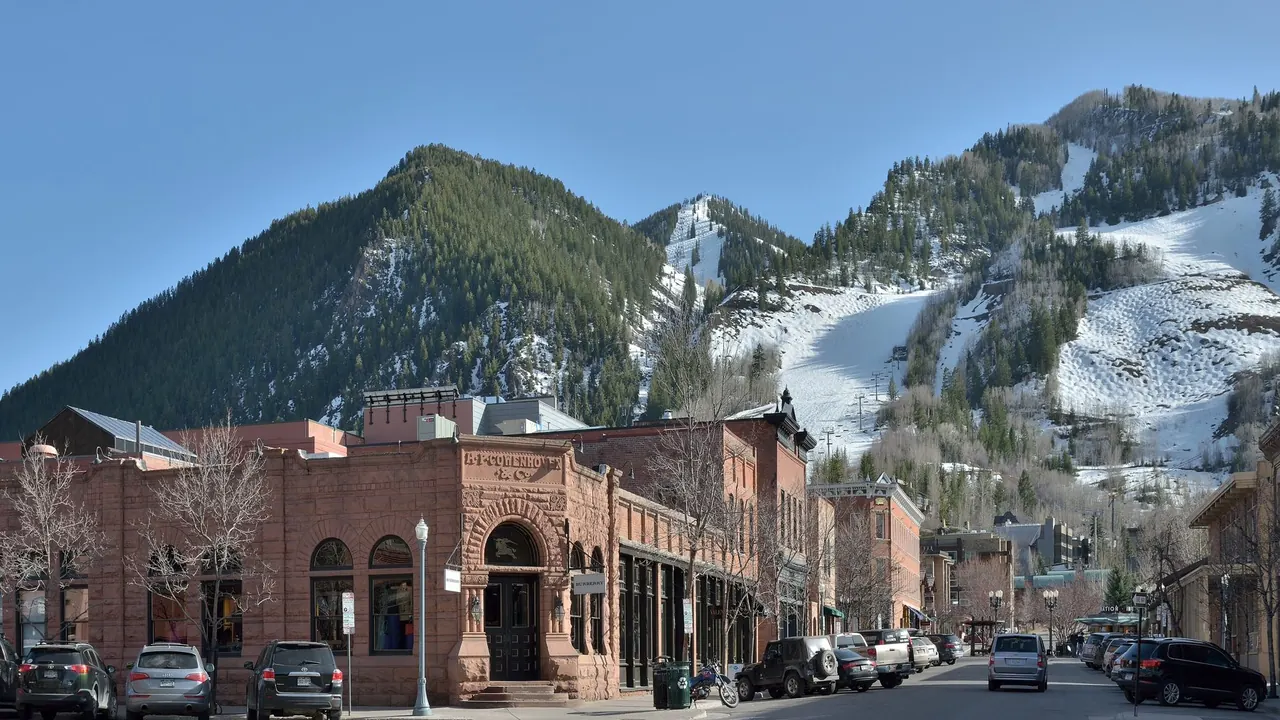
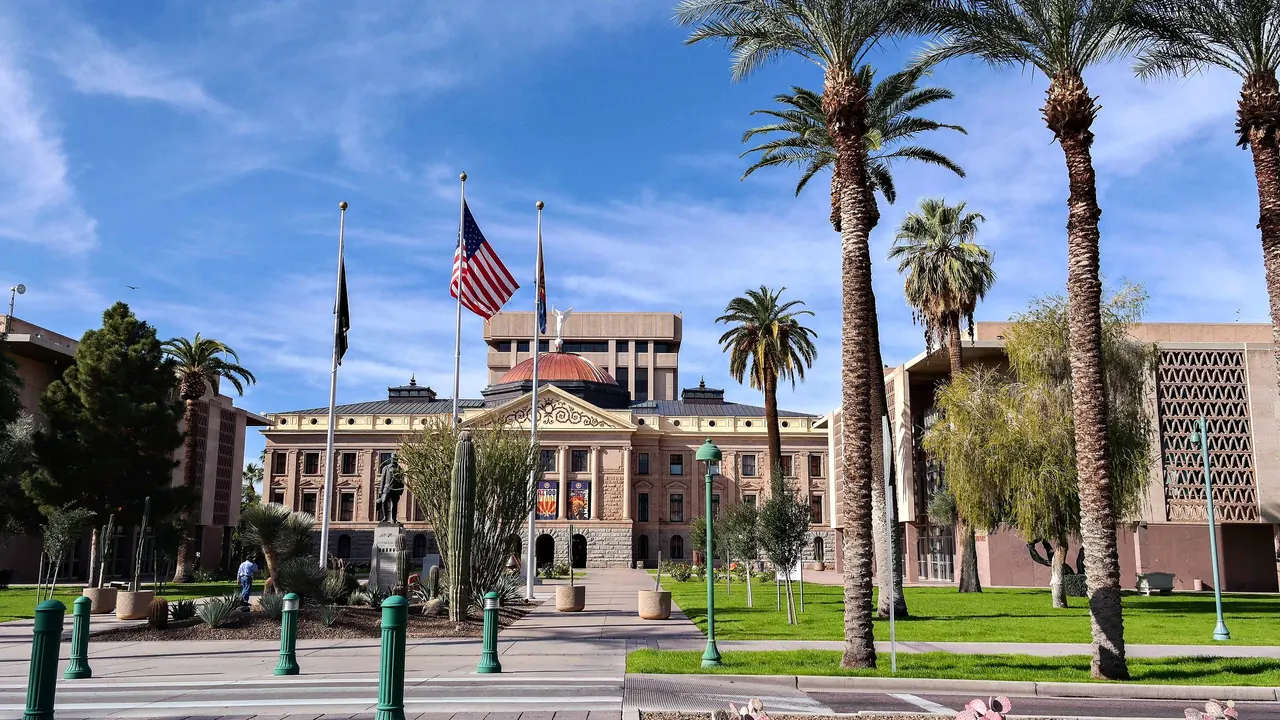
Photos: Aspen by Moroder, CC BY-SA 3.0, cropped; Phoenix by Visitor7, CC BY-SA 3.0, cropped.
Aspen or Phoenix?
Our verdict in twelve categories, each scored against the same fixed benchmark cities, and the climate month by month, so you can choose for your trip.
Choose Aspen for
- getting around
- nature and the outdoors
- live music and the arts
Aspen is the choice when the mountains are the whole point of the trip. Four ski areas linked by free shuttles in winter, trails that start at the edge of town in summer and a compact centre you can cross on foot make it the better base for skiers, hikers and anyone who wants to leave the car parked. You pay heavily for it, though, and there is little to see indoors.
Choose Phoenix for
- prices
- day trips
- culture and sights
For a winter-sun trip on a more modest budget, Phoenix is the better fit, as long as you rent a car. It costs far less, has the stronger museums, led by the Heard and the Musical Instrument Museum, and pairs Sonoran Mexican cooking with big resort spas and saguaro-covered desert peaks. The trade-off is long drives between everything and a summer too hot for most of what it offers.
Scoreboard
Twelve categories on one fixed scale from 0 to 100. The shaded stretch is the gap between the two.
Your match
Pick a travel style or drag the sliders, and both match scores follow your weighting.
Too close to call, 2 points apart
Wins on getting around and nature and the outdoors with your weighting.
Wins on prices and day trips with your weighting.
What matters to you?
Category by category
What the scores mean for a trip.
Beaches & swimming
Neither city has a beach, so swimming takes a different form in each. In Aspen it means a quick, chilly dip in an alpine lake or reservoir, or a raft on the Roaring Fork, since the water stays cold even in July.
Phoenix's water is warm and built for lounging: resort pools with slides and lazy rivers, tubing down the lower Salt River, and small beaches at Saguaro and Canyon Lakes among desert cliffs.
Food & drink
Phoenix eats better, mainly because it has a cuisine of its own. Sonoran carne asada, paper-thin flour tortillas, bacon-wrapped hot dogs from evening carts and family Mexican kitchens give it cheap, distinctive food that Aspen lacks, and the wood-fired pizza and bread are serious too.
Aspen has polished chef-led dining rooms, sushi, steak and après-ski terraces at the foot of Aspen Mountain, all aimed at an expensive night out. There is little in between, and in spring and autumn many kitchens shut.
Culture & sights
Phoenix gives you more to see, though almost all of it is indoors and spread across the city. The Heard Museum's Native American collection, the Musical Instrument Museum and Frank Lloyd Wright's Taliesin West are worth a day or two, with a series of drives between them.
Aspen's culture is an afternoon's stroll: the red-brick silver-boom blocks around the Wheeler Opera House, the West End's painted miners' cottages, Herbert Bayer's modernist Aspen Institute campus and the contemporary art museum. It has the more charming streets but no major museum.
Nightlife
Both are modest places to go out, and the difference is in kind. Aspen's scene is small and seasonal: après-ski on the slopeside decks, then a few streets of bars, hotel lounges and small clubs, at their busiest around Christmas, New Year and the X Games, and quiet in spring and autumn.
Phoenix has more choice spread over separate districts: Old Town Scottsdale's clubs and rooftop bars, student drinking on Tempe's Mill Avenue and craft beer in Roosevelt Row. You pick one for the night and take a ride-hail home, since they are far apart.
Nature & outdoors
Aspen is the stronger outdoor destination and one of the finest in the country. It has four ski mountains, backcountry huts, the Maroon Bells, wilderness routes to summits above 4,000m and the Independence Pass drive, with trails starting right at the edge of town and good use all through the year.
Phoenix's desert is impressive in its own way, with saguaro forest in the McDowell Sonoran Preserve, scrambles up Camelback and Piestewa Peak and the vast South Mountain park. But summer heat confines hiking to early mornings for months at a time.
Day trips
Phoenix has the better range of outings, as long as you drive. Sedona's red rocks, the hillside mining town of Jerome, the Montezuma Castle cliff dwelling, Prescott's saloon street and Tucson's Mission San Xavier del Bac are all within about two hours.
From Aspen the options are smaller mountain towns: Glenwood Springs, Carbondale, Redstone and Marble down the valleys, plus the Ashcroft ghost town. Leadville is only reachable in summer, as Independence Pass closes in winter.
Good for families
Both work for families, in different ways. Aspen is a ski vacation with children, with gentle slopes and ski schools at Buttermilk and Snowmass, summer alpine coasters and a small, safe town. However, it has no zoo or aquarium, and the altitude can tire young children at first.
Phoenix has the zoo, aquarium, science centre, water parks and pool-filled resorts that Aspen lacks, which means more days filled. The catch is long car journeys and summer heat that keeps small children indoors.
Getting around
This is where the two are furthest apart. In Aspen you can walk the flat downtown grid in minutes, take the gondola straight from town and ride free buses to all four ski areas and down the valley. A car only matters for trips beyond the passes.
Phoenix is built around the car. A single light rail line links the airport, downtown and Tempe, but Scottsdale, the trailheads and most sights are dozens of kilometres apart, so nearly every visitor rents a car.
Shopping & style
The two are evenly matched but sell different things. Aspen packs international luxury labels, ski wear, jewellers and art galleries into a few walkable pedestrian blocks, where window-shopping is part of an evening.
Phoenix's shopping lives in big Scottsdale malls with department stores, and its distinctive buy is Native American work, such as Navajo and Zuni turquoise silver, Hopi katsina carvings and rugs, which Aspen cannot match.
Affordability
Phoenix is far easier on the wallet. Aspen charges very high rates for rooms, lift tickets, ski school and meals, and even staying down the valley in Glenwood Springs only softens the bill.
Phoenix costs about what a typical American city does, with freeway chain hotels, cheap Sonoran food and free hiking. Its extra expenses are a rental car and the winter peak at Scottsdale resorts, and summer rates fall sharply.
Live music & performing arts
Aspen has a slight edge thanks to one outstanding summer. The Aspen Music Festival fills about eight weeks with orchestral, chamber and opera performances in the Benedict Music Tent, where people listen free from the lawn. The Wheeler Opera House keeps things going year-round, but the rest of the year is thin.
Phoenix runs the opposite way, with a steady autumn-to-spring season from its symphony, Arizona Opera and Ballet Arizona, plus touring Broadway shows in Wright's round ASU Gammage and a quiet summer.
Wellness & relaxation
Phoenix is better for a restful week, especially in winter. Its large desert resorts at the foot of Camelback Mountain combine spas using sage, clay and agave with several pools and dry, sunny days.
Aspen relaxes in a quieter, more outdoor way, with clear mountain air, riverside paths, yoga in the parks and hotel spas. Its trump card is the mineral pools and cave vapour baths at Glenwood Springs an hour away, a kind of bathing Phoenix has no equivalent for.
When should you go?
Pick your month. The climate figures are measured averages, not a forecast.
Aspen in July
Phoenix in July
Daytime high, °C
Rainfall in the month, mm
Where the figures come from
Aspen has no rain gauge within 25 km of the centre, so its rainfall comes from a gridded climate dataset read at the city rather than from a gauge further away.
Temperature and rainfall are climate normals, averaged over the years shown. Aspen: 2006-2020 (rainfall 1991-2020) normals, Aspen / Woody Creek (5.2 km from centre). Phoenix: 1991-2020 normals, Phoenix Sky Harbor Airport (2.8 km from centre).
The two cities run on opposite calendars. Aspen is cold from November to March, with daytime highs around 0°C in midwinter, and that is ski season. Summer is mild, with July reaching about 27°C, which is comfortable for hiking and walking but not warm enough to make the cold lakes inviting. Late September, when the aspen groves turn gold, is the other high point. Rain and snow are spread fairly evenly through the year, so no month is especially wet or dry.
Phoenix is at its best from November to April, when days are warm, around 20°C in January, and ideal for hiking and lying by a pool. From May the heat builds, and from June to September highs of about 41°C rule out walking the streets or hiking after mid-morning. Rain is light all year: the winter months get about as much as the summer storm season, and the driest stretch is April to June. A winter trip points to Phoenix, a summer one to Aspen.
Which traveller are you?
For an outdoors trip, Aspen is the clear pick. The Elk Mountains give you four ski mountains in winter, and in summer the Maroon Bells, high passes, mountain biking and rafting on the Roaring Fork, all reachable without a car.
On a trip on a tight budget, Phoenix is far easier. Aspen is priced for very wealthy visitors, while Phoenix has good-value chain hotels, cheap Sonoran Mexican food and free desert hiking, and summer rates drop sharply if you can stand the heat.
For a culture and arts trip, Phoenix offers more days of looking. The Heard Museum, the Musical Instrument Museum and Taliesin West outweigh Aspen's Victorian streets and art museum, although Aspen's summer music festival is the bigger draw for classical music.
Before you go
| Measure | Aspen | Phoenix |
|---|---|---|
| Currency | US Dollar (USD) | US Dollar (USD) |
| Sockets | AB120 V, 60 Hz | AB120 V, 60 Hz |
| Driving side | Right | Right |
| Time zone | UTC-7, UTC-6 in summer | UTC-7 |
| Emergency number | 911 | 911 |
| Elevation | 2,405 m | 331 m |
| Main airport | Aspen-Pitkin County Airport (Sardy Field) (ASE)5 km from centre11 non-stop destinations | Phoenix Sky Harbor International Airport (PHX)6 km from centre149 non-stop destinations |
| Public holidays this year | 12 days | 12 days |
By the numbers
| Measure | Aspen | Phoenix |
|---|---|---|
| City population | 7,004 | 1,608,139 |
| People per km² | 700 | 1,199 |
| Museums within 10 km | 2 | 10 |
| UNESCO World Heritage sites within 50 km | 0 | 1 |
Where else could you go?
Every comparison below shares a destination with this one, so you can follow Aspen or Phoenix somewhere new.