Photos: Austin by LoneStarMike, CC BY 3.0, cropped; Pensacola by Jason Meredith, CC BY 2.0, cropped.
Austin or Pensacola?
Our verdict in twelve categories, each scored against the same fixed benchmark cities, and the climate month by month, so you can choose for your trip.
Choose Austin for
- live music and the arts
- nightlife
- food and drink
Austin suits a trip built around evenings: live bands in small clubs and honky-tonks every night, brisket and breakfast tacos, and bar streets that stay busy late. It also gives you more to do in the daytime, with the Hill Country, San Antonio and spring-fed pools within reach. That makes it the better pick for couples and groups of friends who want a city break with music at its centre.
Choose Pensacola for
- beaches
- prices
- families
Pensacola makes more sense when the sea is the point. The white sand and clear water of Santa Rosa Island are a short drive from downtown, the summer Gulf is warm and usually gentle, and the calm sound side suits small children. Families and anyone after slow beach days will find it easier and a little cheaper, as long as they don't expect much after dark.
Scoreboard
Twelve categories on one fixed scale from 0 to 100. The shaded stretch is the gap between the two.
Your match
Pick a travel style or drag the sliders, and both match scores follow your weighting.
Wins on live music and the arts and nightlife with your weighting.
Wins on beaches and prices with your weighting.
What matters to you?
Category by category
What the scores mean for a trip.
Beaches & swimming
Austin is far inland, so swimming there means fresh water: the bracing spring-fed pool at Barton Springs, the gentler Deep Eddy, and boat days among the coves of Lake Travis. These make fine summer afternoons, but they are not a beach vacation.
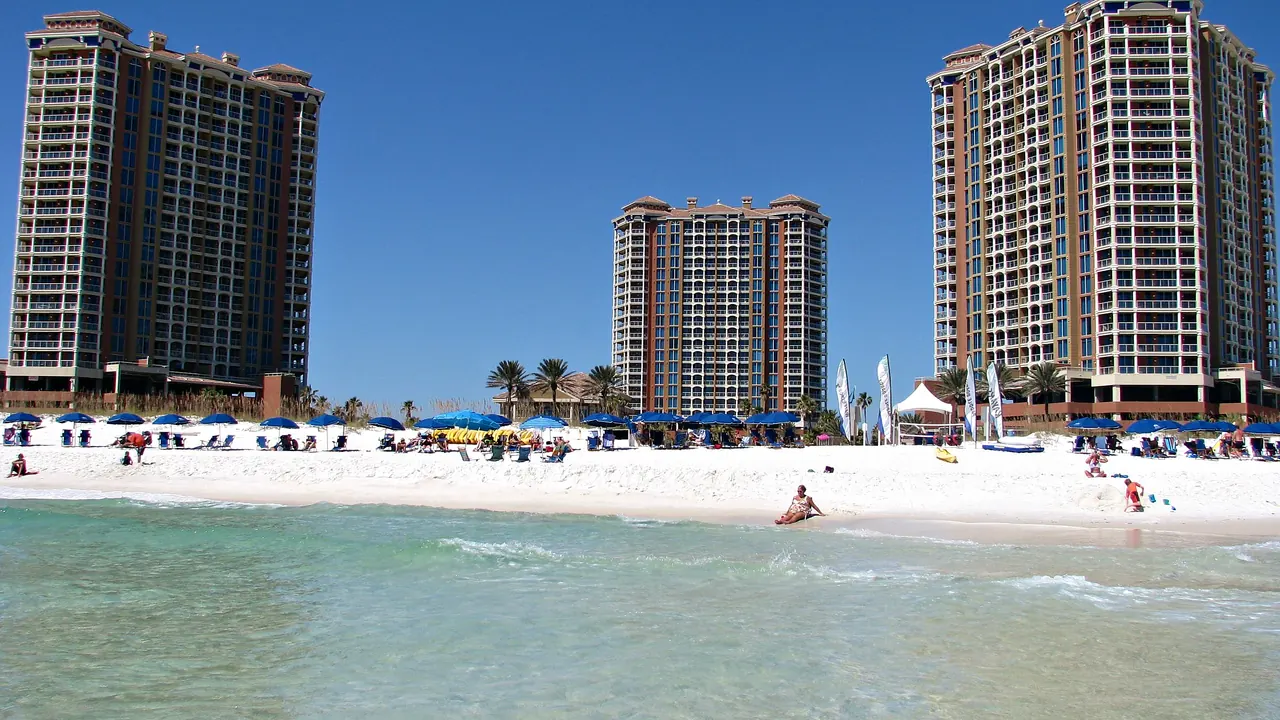
Pensacola has the real thing, and this is the widest gap between the two cities. Twenty minutes from downtown, Santa Rosa Island has miles of white quartz sand and clear green Gulf water, warm and usually gentle from late May to early October, with shallow water on the sound side for toddlers. The one caution is rip currents on rough days.
Food & drink
Austin has the stronger food, built on two things it does exceptionally well. One is brisket smoked over post oak, sold by weight on butcher paper; the other is Tex-Mex, led by breakfast tacos. Food trucks, beer gardens and the kitchens of East Austin and South Congress give plenty of variety for a few days, and the barbecue in Lockhart is a short drive away.
Pensacola eats well but more simply. Most of it is Gulf seafood, such as oysters, grouper sandwiches and royal red shrimp, eaten at casual places on the water, plus a handful of modern Southern restaurants around Palafox Street. The beach strip leans on chains, so food is rarely what brings people here.
Culture & sights
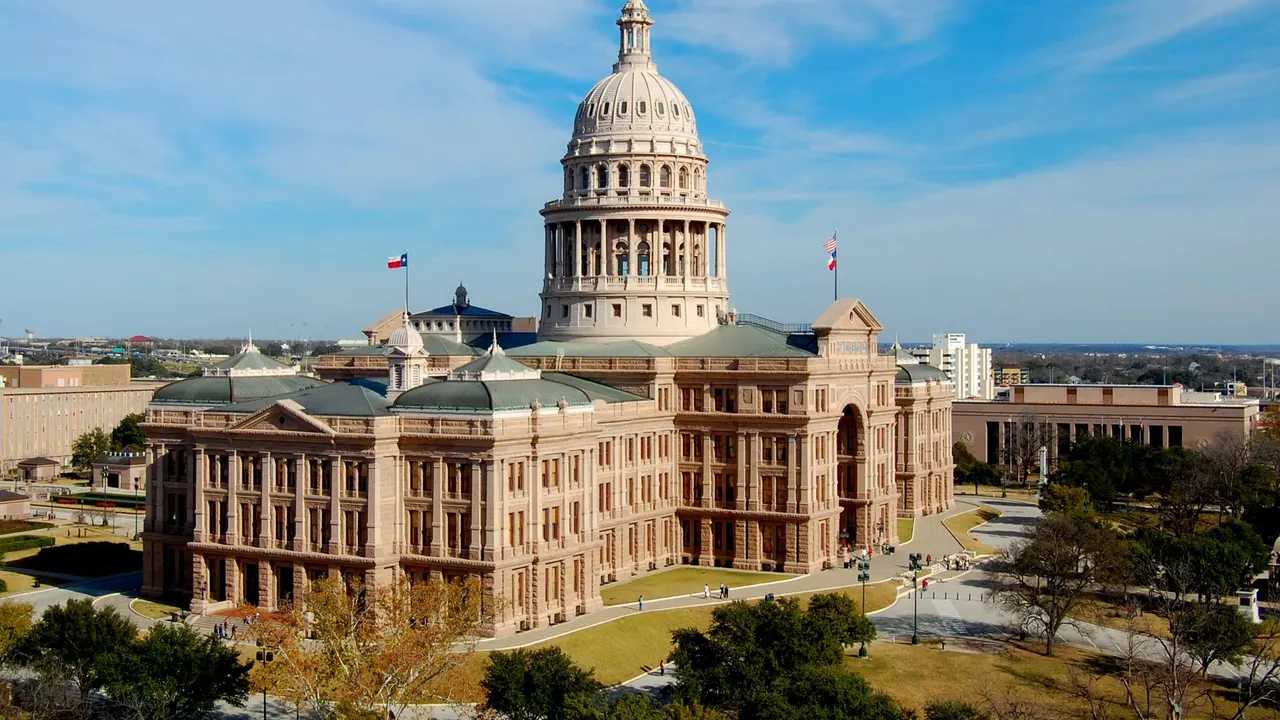
The two are close here, and two or three days covers either, but what you see is different. Austin's strength is its museums, most of them around the University of Texas: the Blanton for art, the Bullock for Texas history, the LBJ Library and the Harry Ransom Center with its Gutenberg Bible. The pink granite State Capitol anchors the centre.
Pensacola offers history you can walk through instead. The restored colonial and Victorian houses of the Seville district reflect a past under five flags, brick Fort Pickens stands on the island, and the huge National Naval Aviation Museum sits on an active base where you need ID to get in.
Nightlife
Austin is much the livelier of the two, helped by a large student population. Sixth Street fills with shot bars and patios, the bungalow bars of Rainey Street draw a slightly older crowd, and the east side has the dive bars and beer gardens locals prefer. Clubs are few, and bars stop serving at 2am.
Pensacola's evenings are smaller and depend on the season. You get pubs, rooftops and taprooms on Palafox Street and in Seville Quarter, sand-floored beach bars in summer, and the rowdy roadhouse on the state line at Perdido Key. Midweek and out of season, the city winds down early.
Nature & outdoors
Both are good for the outdoors, in very different terrain. Austin's is limestone and canyon: trails and climbing walls along the Barton Creek Greenbelt, paddling on Lady Bird Lake, the bat flight at dusk, and the granite dome of Enchanted Rock within two hours.
Pensacola's is flat and watery, and slightly richer for wildlife. The national seashore has dunes, salt marsh and maritime forest, the bay has herons, ospreys and dolphins, the clear Blackwater River is good for canoeing, and divers can explore a sunken aircraft carrier offshore. In both places, summer heat pushes activity into the early morning.
Day trips
Austin has more worth driving to. San Antonio, an hour and a half away, has the Alamo and its UNESCO-listed Spanish missions. The Hill Country adds Fredericksburg, founded by German settlers and surrounded by wineries, the dance-hall village of Gruene, and small towns such as Wimberley.
From Pensacola the best outing is Mobile, an hour west, for its antebellum streets and long Mardi Gras tradition, with Fairhope across the bay. To the east, Destin and Seaside are pleasant, but mostly they offer more beach. Either way you will need a car.
Good for families
Pensacola has the edge for families, mainly because the beach keeps children busy. The summer water is warm and gentle, the sound side has calm shallows for toddlers, and many condos have kitchens and pools. The naval aviation museum, the lighthouse climb and the tunnels of Fort Pickens fill the other days.
Austin is easy-going with children but offers smaller pleasures, such as Zilker Park's miniature train, the Thinkery and the bat flight. The bigger waterparks are an hour away in New Braunfels. In both cities summer heat shapes the day, and neither has a big theme park close by.
Getting around
Neither works without a car, but Austin is a little easier. You can walk around downtown, the Capitol and Rainey Street. South Congress and the east side are short rides away by bike, scooter or the lakeside trail, and buses and a single commuter rail line help with some trips.
In Pensacola only Palafox Street and the historic district are walkable. Buses are infrequent, and the seasonal beach trolley covers only the island strip. The beach, the naval station and Perdido Key are separated by highways and bridges, so nearly every trip is a drive.
Shopping & style
Austin gives shoppers more to do, though neither city is a shopping destination. South Congress makes a good afternoon of independent boutiques, vintage clothing and cowboy boots, and Western wear is the thing to take home. Luxury brands are in an open-air mall on the northern edge of the city.
Pensacola has a few boutiques and antique shops on Palafox Street, crafts at the Saturday market and a standard chain mall inland.
Affordability
Pensacola is the cheaper trip, though neither is a bargain. Rooms in town and inland cost noticeably less than beachfront ones, island prices fall sharply out of season, seafood is fairly priced and the largest museum is free.
Austin's downtown hotels are priced like those of any major American city, and they climb steeply during the big festival and motor racing weeks. Cheap tacos, food trucks and free sights such as the Greenbelt and the Capitol keep daily costs down. In both cities, the hire car adds to the bill.
Live music & performing arts
This is what sets Austin apart. Bands play every night on Red River Street, Sixth Street, South Congress and in east-side bars, often with no cover charge. The music runs from blues and indie to Texas country, with couples two-stepping in the honky-tonks. The Long Center adds symphony, opera and ballet, though on a modest scale.
Pensacola's stage is busy for a city its size. It centres on the restored 1925 Saenger Theatre, home to the symphony, opera, ballet and touring shows, with community theatre and a few bars with bands besides. It makes a pleasant evening, but not a reason to come.
Wellness & relaxation
Neither city has thermal baths or a spa tradition, but Austin offers more if you want to unwind on purpose. It has a strong yoga and fitness culture, day spas, and spa resorts on Lake Austin and in the Hill Country for a proper restorative stay.
Pensacola has hotel day spas and massage studios, but its real asset is the slow pace. Out of season, the island and the quiet stretches of Perdido Key are easy places to switch off.
When should you go?
Pick your month. The climate figures are measured averages, not a forecast.
Austin in July
Pensacola in July
Daytime high, °C
Rainfall in the month, mm
Temperature and rainfall are climate normals, averaged over the years shown. Austin: 1991-2020 normals, Camp Mabry/Austin City Asos (3.7 km from centre). Pensacola: 1991-2020 normals, Pensacola / Pleasant Grove (12.3 km from centre).
Both cities have mild winters, with daytime highs around 17°C in January. That is pleasant for walking but too cool for swimming. Spring is Austin's best season, warm from March into early May, though May is its wettest month at around 130mm. From June to September it is very hot, reaching 36°C in July and August under a lot of sunshine, so days revolve around spring-fed pools and air conditioning. October and early November bring back comfortable weather for sightseeing.
From June to September the Gulf off Pensacola is at 28°C or more. In late May and early October the water is a little cooler but still good for swimming. The city's summer is slightly less hot than Austin's but much wetter. July is the peak at about 200mm, much of it falling in thunderstorms, and rain is heavier than in Austin even in winter. Late spring and early autumn are the sweet spot, with warm sea and fewer downpours. From November to March the coast is better for walks than for swimming.
Which traveller are you?
On a beach and sun trip, Pensacola wins easily. Santa Rosa Island's white quartz sand and warm, mostly gentle Gulf water are twenty minutes from town. Austin is hours inland and can offer only spring-fed pools and lake coves.
For a food and nightlife trip, Austin is the stronger pick. Barbecue, breakfast tacos and food-truck lots fill the days. At night you can choose between the Sixth Street crowds and the east-side mezcal bars, and live bands play somewhere every evening.
On a trip on a tight budget, Pensacola makes the money go further. Rooms in town and out of season are noticeably cheaper and the big naval aviation museum is free, while Austin's hotels are priced like a major city's. Both need a hire car.
Before you go
| Measure | Austin | Pensacola |
|---|---|---|
| Currency | US Dollar (USD) | US Dollar (USD) |
| Sockets | AB120 V, 60 Hz | AB120 V, 60 Hz |
| Driving side | Right | Right |
| Time zone | UTC-6, UTC-5 in summer | UTC-6, UTC-5 in summer |
| Emergency number | 911 | 911 |
| Elevation | 149 m | 31 m |
| Main airport | Austin Bergstrom International Airport (AUS)13 km from centre91 non-stop destinations | Pensacola International Airport (PNS)6 km from centre27 non-stop destinations |
| Public holidays this year | 13 days | 11 days |
By the numbers
| Measure | Austin | Pensacola |
|---|---|---|
| City population | 961,855 | 54,312 |
| People per km² | 1,217 | 515 |
| Museums within 10 km | 21 | 5 |
| UNESCO World Heritage sites within 50 km | 0 | 0 |
| Swim season, months above 21 °C | - | 7 months |
Where else could you go?
Every comparison below shares a destination with this one, so you can follow Austin or Pensacola somewhere new.