Photos: Bahrain by Zairon, CC BY-SA 4.0, cropped; Kuwait by Zairon, CC BY 4.0, cropped.
Bahrain or Kuwait?
Our verdict in twelve categories, each scored against the same fixed benchmark cities, and the climate month by month, so you can choose for your trip.
Choose Bahrain for
- nightlife
- culture and sights
- getting around
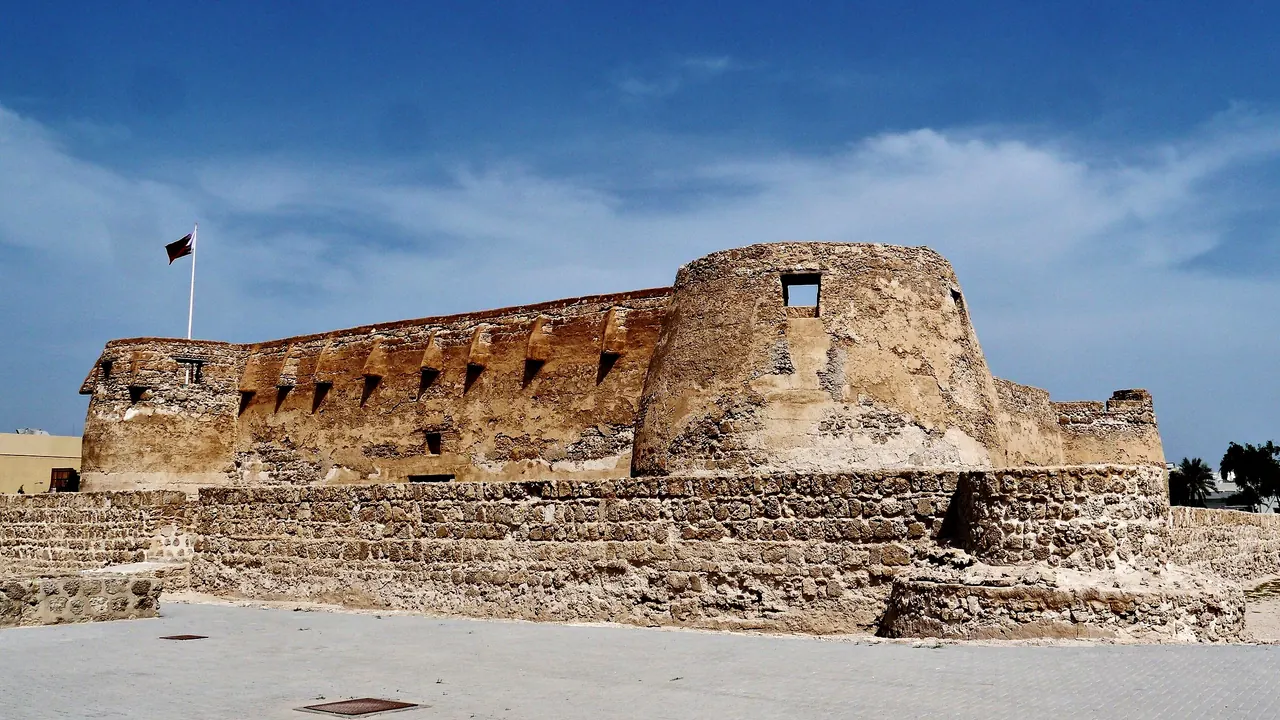
Bahrain is the better choice for a first look at the Gulf with some depth to it. Its Bronze Age past as Dilmun survives in burial mounds, a hilltop fort and the Pearling Path of Muharraq, and licensed hotel bars in Adliya and Juffair let you finish the day with a drink. Resort spas on the Amwaj Islands make a slow couple of days easy, and the compact island means the sights are close together.
Choose Kuwait for
- shopping
- live music and the arts
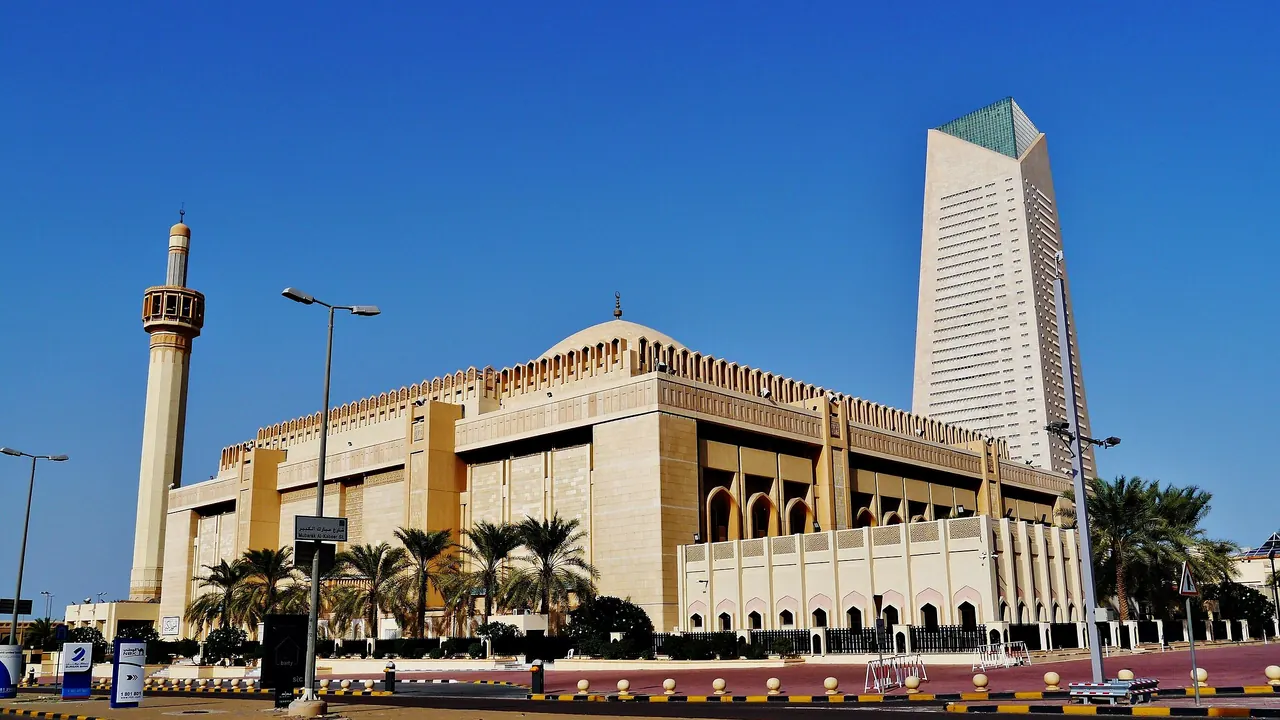
Kuwait suits a visitor who is happy with an alcohol-free trip built around eating out, coffee, malls and a few strong modern sights. Evenings here mean shisha cafés, late coffee houses in Salmiya and walks along the Gulf Road corniche. The old souq of Al-Mubarakiya, the Kuwait Towers and the big museum complexes in the capital fill a short stay. The country gives less to a sightseer, but more to someone who likes the Gulf's family-centred social life on its own terms.
Scoreboard
Twelve categories on one fixed scale from 0 to 100. The shaded stretch is the gap between the two.
Your match
Pick a travel style or drag the sliders, and both match scores follow your weighting.
Wins on nightlife and culture and sights with your weighting.
Wins on shopping and live music and the arts with your weighting.
What matters to you?
Category by category
What the scores mean for a trip.
Beaches & swimming
Neither country is a beach destination, but Bahrain gives a swimmer more to work with. Resort hotels on the Amwaj Islands and the southern Sakhir coast have proper stretches of sand, Al Jazayer Beach is open to everyone, and the Hawar Islands have clear water if you make the overnight trip.
Kuwait's city shore tends to have cloudy water and narrow sand, and long stretches of the coast are taken up by private chalets. The better swimming is in the south, in the lagoons of Al-Khiran and at the Messila beach clubs, and a beach day usually means paying for hotel access.
Where in Bahrain: Amwaj Islands, Al Jazayer Beach, Muharraq, Hawar Islands
Where in Kuwait: Al-Khiran, Messila, Kuwait City waterfront
Food & drink
The two kitchens overlap closely, with machboos and balaleet on both tables, so the difference lies in how you eat. Bahrain has saffron halwa from old family shops in Muharraq, terraces and sit-down restaurants in Adliya, and the long hotel Friday brunch, with wine or beer available in licensed places.
Kuwait treats eating out as its main social pastime. Grilled zubaidi and hamour in the lanes of Souq Al-Mubarakiya, and the Lebanese, Iranian and Filipino eateries and late-night coffee houses of Salmiya, make up for the total lack of alcohol.
Where in Bahrain: Manama, Adliya, Muharraq
Where in Kuwait: Kuwait City, Salmiya
Culture & sights
Bahrain has the deeper history. Its Dilmun past can be seen on the ground in the thousands of burial mounds around A'ali, the layered tell of Qal'at al-Bahrain and the restored merchant houses of the Pearling Path, and the National Museum ties these together well.
Kuwait's sights are mostly modern: the Kuwait Towers, the Grand Mosque and the large Al Salem Cultural Centre, with the Tareq Rajab Museum and Sadu House for Islamic art and Bedouin weaving. The oil boom erased most of the old town, so beyond the city the history comes down to the Red Fort at Jahra and the ruins on Failaka.
Where in Bahrain: Muharraq, Qal'at al-Bahrain, Manama, A'ali
Where in Kuwait: Kuwait City, Failaka Island, Jahra
Nightlife
This is where the two countries differ most. Bahrain is the Gulf's place to go out, with licensed bars, clubs and tower-top lounges in Juffair, Adliya and Seef that run late at weekends, even if the quality ranges from polished to tired.
Kuwait has no alcohol, bars or clubs at all. Evenings there belong to shisha cafés, malls and the cars and walkers on the Gulf Road corniche.
Where in Bahrain: Juffair, Adliya, Seef
Nature & outdoors
Both are flat, dry and limited outdoors, and both are only comfortable for it between November and March. In Bahrain the options are the oryx at Al Areen, the lone Tree of Life near Jebel Dukhan, wading birds in the Tubli Bay mangroves, seabird colonies on Hawar, and kitesurfing on the windy shallows.
Kuwait offers the Jal Az-Zor escarpment and the Sabah Al-Ahmad reserve below it, flamingos on the Kuwait Bay mudflats in winter, and snorkelling around the small coral island of Kubbar.
Where in Bahrain: Hawar Islands, Sakhir, Tubli Bay
Where in Kuwait: Jal Az-Zor, Kuwait Bay, Kubbar Island
Day trips
Bahrain has more to reach. Al Khobar and the cultural centre at Dhahran are about an hour away across the King Fahd Causeway, and the Al-Ahsa oasis is a longer drive, though all of them need a Saudi visa and a border crossing. The boat to the Hawar Islands is the one outing within Bahrain itself.
Kuwait's options come down to Failaka Island, an hour by ferry, with Dilmun and Hellenistic remains beside a village scarred in 1990, and the short drive to the Red Fort at Jahra.
Where in Bahrain: Al Khobar, Dhahran, Al-Ahsa
Where in Kuwait: Failaka Island, Jahra
Good for families
Both countries are safe and welcoming to children late into the evening, and both push family life indoors in summer. Bahrain's draws are outdoors in the cooler months: the water park and Al Areen wildlife park at Sakhir, and calm, shallow resort water on the Amwaj Islands for small children.
Kuwait's best outings are educational. The aquarium and discovery halls of the Scientific Center in Salmiya and the hands-on science and space galleries of the Al Salem Cultural Centre suit curious older children.
Where in Bahrain: Sakhir, Amwaj Islands, Manama
Where in Kuwait: Salmiya, Kuwait City
Getting around
Neither country has a metro or a railway, and taxis and ride-hailing do most of the work in both. Bahrain is easier on foot in places: the souq around Bab al-Bahrain, Adliya and the old lanes of Muharraq can all be walked, and most sights lie within about 30km of Manama.
Kuwait is spread along highways and ring roads, pavements are scarce, and the summer heat makes walking unpleasant. A taxi or hired car is needed for almost every move, with heavy traffic at rush hour.
Where in Bahrain: Manama, Muharraq, Adliya
Where in Kuwait: Kuwait City
Shopping & style
The two are close here, but they offer different things. Kuwait has the bigger mall culture, with vast centres in Shuwaikh and Salmiya that include luxury wings, and Souq Al-Mubarakiya, a market with genuine daily trade. Sadu House sells the country's distinctive Bedouin weaving.
Bahrain's speciality is natural Gulf pearls, bought from jewellers with a long trading history. It also has the gold souq and perfume sellers behind Bab al-Bahrain and the quiet Qaisariya Souq in Muharraq.
Where in Bahrain: Manama, Muharraq
Where in Kuwait: Kuwait City, Souq Al-Mubarakiya, Salmiya
Affordability
Costs are broadly similar, but the money goes in different places. Bahrain's city hotels in Manama, Seef and Juffair are good value for the Gulf, while the Amwaj beach resorts, hotel dining and anything with alcohol push the bill up.
In Kuwait, hotels cost what a mid-range Western capital charges. Cheap taxis, mostly free museums and evenings with no alcohol to buy keep the daily spending down.
Where in Bahrain: Manama, Juffair, Seef
Where in Kuwait: Kuwait City
Live music & performing arts
The two are close, and in both, live performance gathers in the cooler months rather than running every night. Bahrain's offer has more local character. The National Theatre on the Manama waterfront fits most of its touring concerts and dance into the Spring of Culture festival. In Muharraq, a few traditional music houses keep up fijiri, the songs of the pearl divers, and a performance is worth seeking out if one is on during your stay.
Kuwait's offer is more international and more formal. The geometric halls of the Sheikh Jaber Al-Ahmad Cultural Centre bring in Arab music stars, touring orchestras, ballet and the odd opera. The country's own theatre is respected but plays in Arabic dialect, so for most visitors that one centre's programme is the evening out.
Where in Bahrain: Manama, Muharraq
Where in Kuwait: Kuwait City
Wellness & relaxation
Neither country has a bathing tradition to build a trip on, and in both the capital is too taken up with traffic and building to rest in. What matters is how easily you can get away from it. Bahrain makes that simple. Resort hotels with pools by the sea line several stretches of coast, including the Muharraq waterfront a short ride from the airport, so a restful stay can still take in an afternoon on the Pearling Path or among the burial mounds.
Kuwait's hotels are mostly business chains in the capital, so a massage there tends to be a pause between malls rather than the point of the stay. Its one real resort coast lies far down the southern shore, which makes rest a separate outing rather than the setting for the whole trip.
Where in Bahrain: Amwaj Islands, Hawar Islands, Muharraq
Where in Kuwait: Kuwait City, Al-Khiran
When should you go?
Pick your month, and for a country the place in it. The climate figures are measured averages, not a forecast.
Manama (Bahrain) in July
Kuwait City (Kuwait) in July
Daytime high, °C
Rainfall in the month, mm
Temperature and rainfall are climate normals, averaged over the years shown. Manama (Bahrain): 1991-2020 normals, Bahrain International Airport (8.7 km from centre). Kuwait City (Kuwait): 1991-2020 normals, Kuwait International Airport (17.6 km from centre).
Both countries are winter destinations, and the comfortable window is roughly November to March in each. Daytime highs then are mild and good for walking, and the only rain comes as a few light showers between November and March. Summer is harsh in both, but Kuwait City is the hotter of the two, reaching about 47°C in July, while Manama peaks nearer 40°C. That makes the summer months practically impossible outdoors in Kuwait and only slightly less so in Bahrain.
For swimming the difference shows at either end of winter. Bahrain's sea is still around 26°C in November and stays mild through December. Kuwait's water cools faster and drops to about 16°C in January and February, so swimming there is best kept to April and late October into November. Bahrain also gets noticeably more winter sunshine than Kuwait, which matters if you want bright days in December or January.
Which traveller are you?
On a food and nightlife trip, Bahrain is the clear pick. Its licensed hotel bars and rooftop lounges in Adliya and Juffair stay open late at weekends. Kuwait bans alcohol entirely, so nights out there mean coffee houses and shisha cafés.
For a culture and arts trip, choose Bahrain. It has three UNESCO sites, from the Dilmun Burial Mounds to Qal'at al-Bahrain and the Pearling Path, plus a national museum devoted to that past. Kuwait's historic layer is thin, and its sights are mostly modern.
On a relaxing and wellness trip, Bahrain also wins. The resorts on the Amwaj Islands combine spas with calm, shallow water, and the Hawar Islands offer a quieter overnight stay. In Kuwait, rest mostly means a city hotel spa or a short resort stay around Al-Khiran.
More comparisons
Each shares a side with Bahrain or Kuwait.
Where else could you go?
Set Bahrain or Kuwait against any other country.