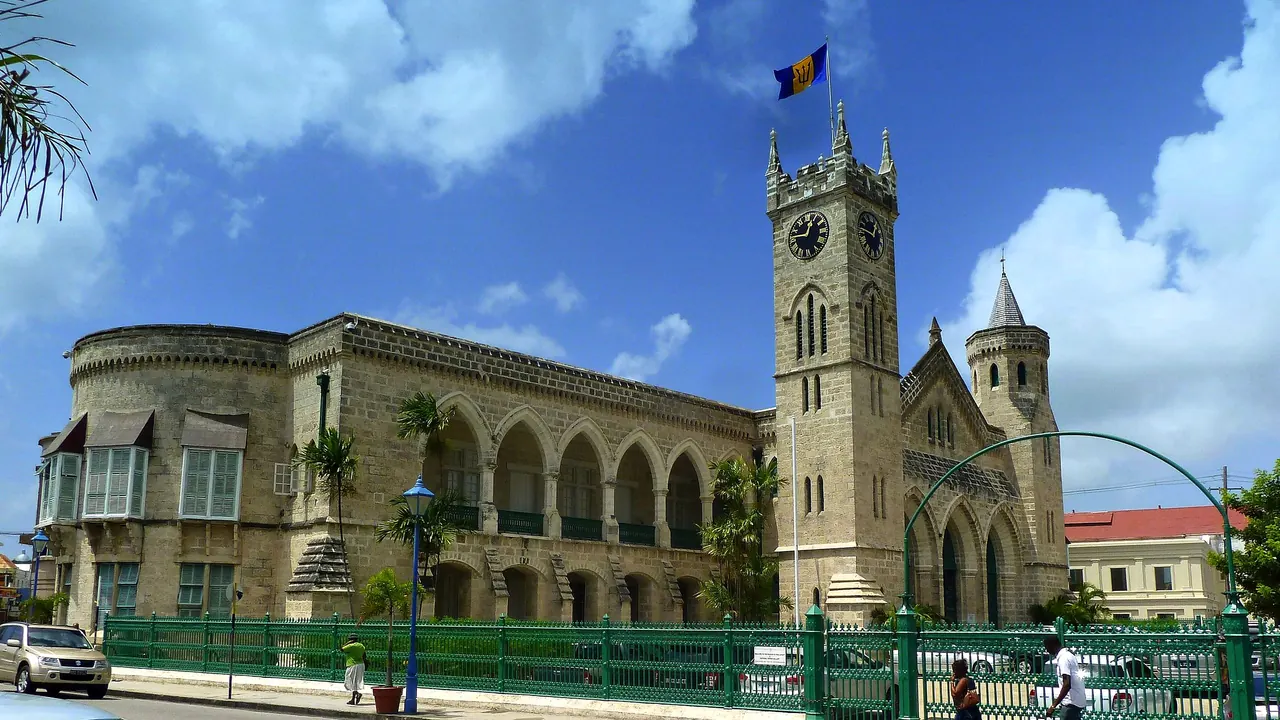
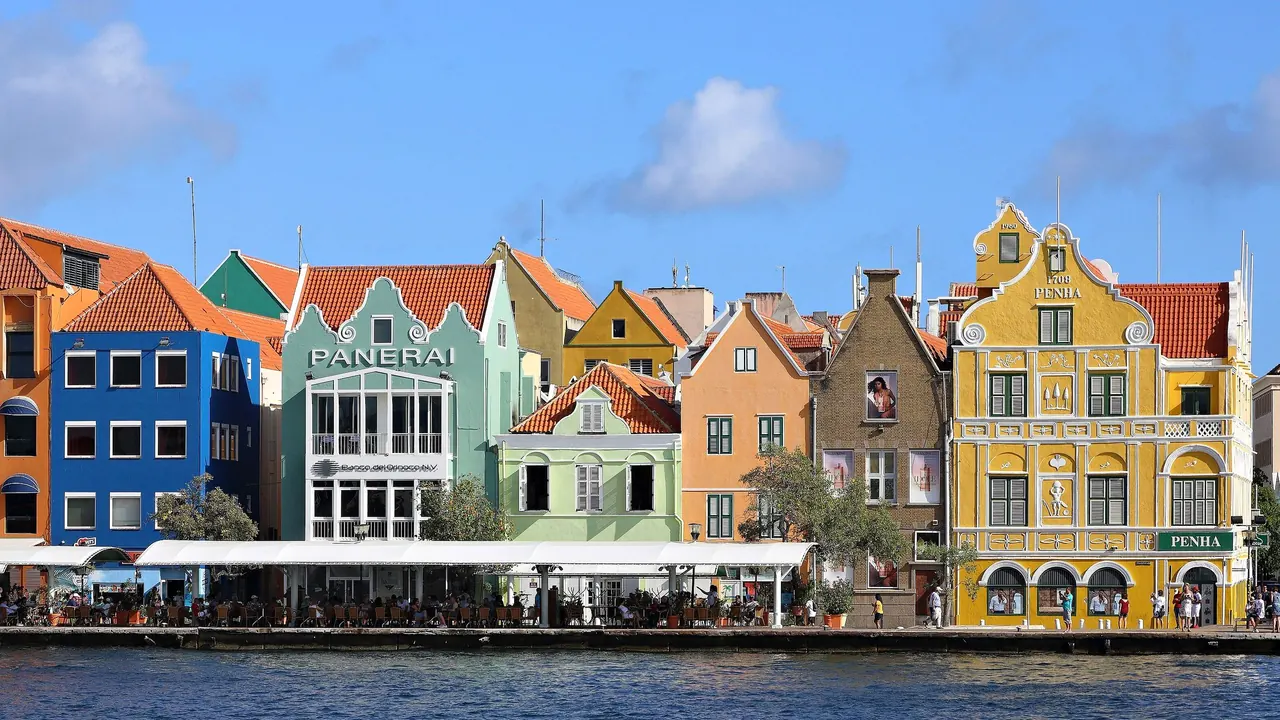
Photos: Bridgetown by giggel, CC BY 3.0, cropped; Curaçao by Martin Falbisoner, CC BY-SA 4.0, cropped.
Bridgetown or Curaçao?
Our verdict in twelve categories, each scored against the same fixed benchmark cities, and the climate month by month, so you can choose for your trip.
Choose Bridgetown for
- day trips
- shopping
- beaches
Bridgetown suits travellers who want a classic Caribbean beach vacation with a real town on the sand. Carlisle Bay is a short walk from the centre, buses run along both coasts, and the old sugar country, with its plantation houses and rum distilleries, makes for a few easy drives. It is also the gentler choice for families, with calm, shallow water on the west coast and English spoken everywhere. A handful of outings, including the cave tram, the green monkeys and a submarine trip, break up days that otherwise revolve around the beach and the pool.
Choose Curaçao for
- prices
- culture and sights
- nature and the outdoors
Anyone who wants to spend their days underwater and their evenings in a handsome old port will be happier on Curaçao. A reef runs right along its sheltered coast, so you can walk in from a cove and dive or snorkel without a boat. Willemstad's gabled waterfront, swinging pontoon bridge and historic synagogue give it more heritage to see. It is the drier of the two for most of the year and a little easier on the wallet. You will almost certainly need a hire car, though, and apart from the boat to Klein Curaçao there is little to do on day trips.
Scoreboard
Twelve categories on one fixed scale from 0 to 100. The shaded stretch is the gap between the two.
Your match
Pick a travel style or drag the sliders, and both match scores follow your weighting.
Too close to call, level with your weighting
Wins on day trips and shopping with your weighting.
Wins on prices and culture and sights with your weighting.
What matters to you?
Category by category
What the scores mean for a trip.
Beaches & swimming
Both are first-rate for swimming, with warm, clear water all year, but the beaches are different in shape. Barbados has proper stretches of sand. Carlisle Bay curves along the edge of Bridgetown itself, the west coast has calm bays under casuarina trees, and the south coast around Oistins gets a little more surf.
Curaçao's beaches are small coves cut into limestone, such as Grote Knip and Playa Kalki at the west end, where every swim turns into a snorkel. Many charge for entry and the smallest get busy with locals at weekends, but the long white beach on Klein Curaçao makes up for it.
Food & drink
Neither is a food destination, and both struggle with how much has to be imported, but the flavours are different. In Barbados the food is seafood and rum: flying fish with cou-cou, fish cutters, the Friday fish fry at Oistins and dominoes in the rum shops.
Curaçao's cooking is Creole with Dutch and Latin influences. Keshi yena and goat stobá are best eaten at the shared tables of the old market hall in Punda, and roadside trucks grill meat late into the night.
Culture & sights
Curaçao has the deeper heritage. Willemstad's harbour front of gabled merchant houses, the swinging Queen Emma bridge, Fort Amsterdam, and the restored mansions of Pietermaai and Scharloo make a genuinely striking old town. The Kura Hulanda museum and the plantation houses in the countryside add the story of slavery and the 1795 revolt.
Bridgetown's Garrison and old centre are also UNESCO-listed, and the Parliament Buildings and the Barbados Museum are worth a morning. The scale is smaller, though, and much of the town is plain and commercial. Both have historic synagogues, Nidhe Israel and Mikvé Israel-Emanuel, a quiet link between the two islands.
Nightlife
Evenings are small-scale and relaxed on both islands, so the real difference is in style. Barbados goes out on the St Lawrence Gap bar strip, at the Friday street party in Oistins and in the rum shops, and the island comes alive during the weeks of Crop Over in summer.
Curaçao's nights centre on the cocktail bars in Pietermaai's colonial mansions and the beach bars of Mambo Beach and Jan Thiel, with salsa and merengue nights drawing a local crowd. On weekdays both go quiet early.
Nature & outdoors
Curaçao comes out ahead, mainly because of its reef. Healthy coral runs within swimming distance of the leeward shore, so dozens of dive sites, the Tugboat wreck among them, start from the beach. On land, Mount Christoffel, the sea caves at Shete Boka and the flamingos in the salt pans add an arid landscape of cactus and cliffs.
Barbados has turtles off the west coast and shallow wrecks in Carlisle Bay, plus surf at the Soup Bowl, which Curaçao does not offer. Inland it is gentler and greener, with Harrison's Cave, tropical gardens and green monkeys, but the walking is short.
Day trips
Neither island offers much by way of excursions, but Barbados has more to drive to. Its old sugar country gives you St Nicholas Abbey, Sunbury, the view from Gun Hill and distillery tours, and Speightstown and Holetown make quiet coastal afternoons.
Curaçao has little beyond Willemstad, and its plantation houses are simply short drives. The one real outing is the boat to Klein Curaçao. From both islands, the neighbouring islands can only be reached by plane.
Good for families
Both islands make good, easy beach vacations for families, and Barbados is slightly more straightforward. The shallow west coast bays, English spoken everywhere, the tram through Harrison's Cave and a submarine dive off Bridgetown keep children busy without much planning.
Curaçao's sheltered coves let children see fish a few metres from the sand, and the Sea Aquarium, the Hato caves and an ostrich farm make good half-days. Expect to drive everywhere, though, and many coves have little shade.
Getting around
Getting around is fairly similar, and both old centres are easy to cover on foot. The difference is outside town. In Barbados, government buses and ZR route vans run frequently along both coasts, so you can manage without a car, but driving yourself means narrow, poorly signed roads on the left.
Curaçao's buses barely reach the coves, so most visitors hire a car for the whole stay. The roads are decent and the far west is about an hour's drive. In Willemstad, a free ferry and the pontoon bridge link the two sides of the harbour.
Shopping & style
Neither island is worth visiting for the shopping, but Bridgetown has a little more. Broad Street has duty-free shops, the long-established Cave Shepherd department store, crafts at the Pelican Craft Centre, and Earthworks pottery, pepper sauce and rum to take home.
Punda has a similar set of jewellery and watch shops for cruise passengers. The souvenirs that are particular to Curaçao are chichi dolls, the orange liqueur and Dutch cheese.
Affordability
Both are expensive, but Barbados is the harder of the two on a budget. West coast hotels and imported restaurant food push costs up, and the flat-fare buses, fish cutters and the Oistins fish fry only soften it.
In Curaçao a hire car is an unavoidable extra, but kitchen apartments in the west, food trucks and free public coves keep a stay more manageable. Because shore diving needs no boat, divers get noticeably better value for money.
Live music & performing arts
Both islands have a small live music scene that comes alive at festival time, and the two festivals fall at opposite ends of the year. Barbados has calypso tents, soca and tuk bands in the weeks before Crop Over in summer, and Frank Collymore Hall hosts recitals.
Curaçao's tumba music peaks during the Carnival season that runs up to Lent, and an international jazz festival has drawn big names. The rest of the year, on both islands, it is mostly live music in bars and hotels.
Wellness & relaxation
On wellness the two are equal: neither has a spa tradition, so treatments mean resort spas. Real rest is found away from the towns. In Barbados that means the St James shoreline or the empty Atlantic coast at Bathsheba, away from Bridgetown's traffic and cruise crowds. In Curaçao it means the villas and small hotels around Westpunt, with a morning swim and the trade wind to cool the heat.
When should you go?
Pick your month. The climate figures are measured averages, not a forecast.
Bridgetown in July
Curaçao in July
Daytime high, °C
Rainfall in the month, mm
Temperature and rainfall are climate normals, averaged over the years shown. Bridgetown: 1991-2020 normals, Grantley Adams (14.8 km from centre). Curaçao: 1991-2020 normals, Hato Airport, Curacao (10.8 km from centre).
Both islands are warm enough to swim every month of the year, and the sea stays close to 27-29°C in both. What separates them is the rain. Around Bridgetown the dry spell runs from January to April. From June the showers build, and October is the wettest month at 181mm, so the late months are greener and stickier, though sunshine stays generous all year.
Curaçao, measured around Willemstad, is far drier. From February to September the rain barely registers, with May as low as 16mm, and July and August are the sunniest months on either island. Its wet season is shorter and later, from October to December, peaking in November at 141mm. It also runs a degree or two hotter, reaching 33°C in August and September, so walking around Willemstad is best done early or late in the day. For a dry winter break both work from January to April, while for a summer trip Curaçao is the safer bet.
Which traveller are you?
On a culture and arts trip, Curaçao gives you more. Willemstad's colourful Handelskade, the pontoon bridge, a synagogue with a sand floor, the Kura Hulanda museum and the countryside landhuizen fill two or three days. Bridgetown's heritage fills about one.
For a trip on a tight budget, Curaçao is easier to manage, though neither island is cheap. Kitchen apartments in the west, food trucks, lunch at the old market and free public coves keep costs down. Barbados stays pricey even if you ride the buses.
On a family trip with young children, Bridgetown has the edge. The west coast's shallow bays are gentle for small swimmers, the cave tram, green monkeys and submarine give you ready-made outings, and the buses mean you are less tied to a hire car.
Before you go
| Measure | Bridgetown | Curaçao |
|---|---|---|
| Official language | English, Bajan Creole | English, Dutch, Papiamento |
| Currency | Barbados Dollar (BBD) | Caribbean Guilder (XCG) |
| Sockets | AB115 V, 50 Hz | AB120 V, 55 Hz |
| Driving side | Left | Right |
| Time zone | UTC-4 | UTC-4 |
| Emergency number | 911 | 911 |
| Elevation | 1 m | - |
| Main airport | Grantley Adams International Airport (BGI)14 km from centre38 non-stop destinations | Hato International Airport (CUR)21 non-stop destinations |
| Public holidays this year | 12 days | 14 days |
By the numbers
| Measure | Bridgetown | Curaçao |
|---|---|---|
| Population | 98,511 | 152,849 |
| People per km² | 2,539 | 344 |
| Museums within 10 km | 1 | - |
| UNESCO World Heritage sites within 50 km | 1 | - |
| Swim season, months above 21 °C | 12 months | 12 months |
Where else could you go?
Every comparison below shares a destination with this one, so you can follow Bridgetown or Curaçao somewhere new.
- Bonairevs Curaçao
- Arubavs Curaçao
- Kingstownvs Bridgetown
- Castriesvs Bridgetown
- St. George's, Grenadavs Bridgetown
- Roseauvs Bridgetown