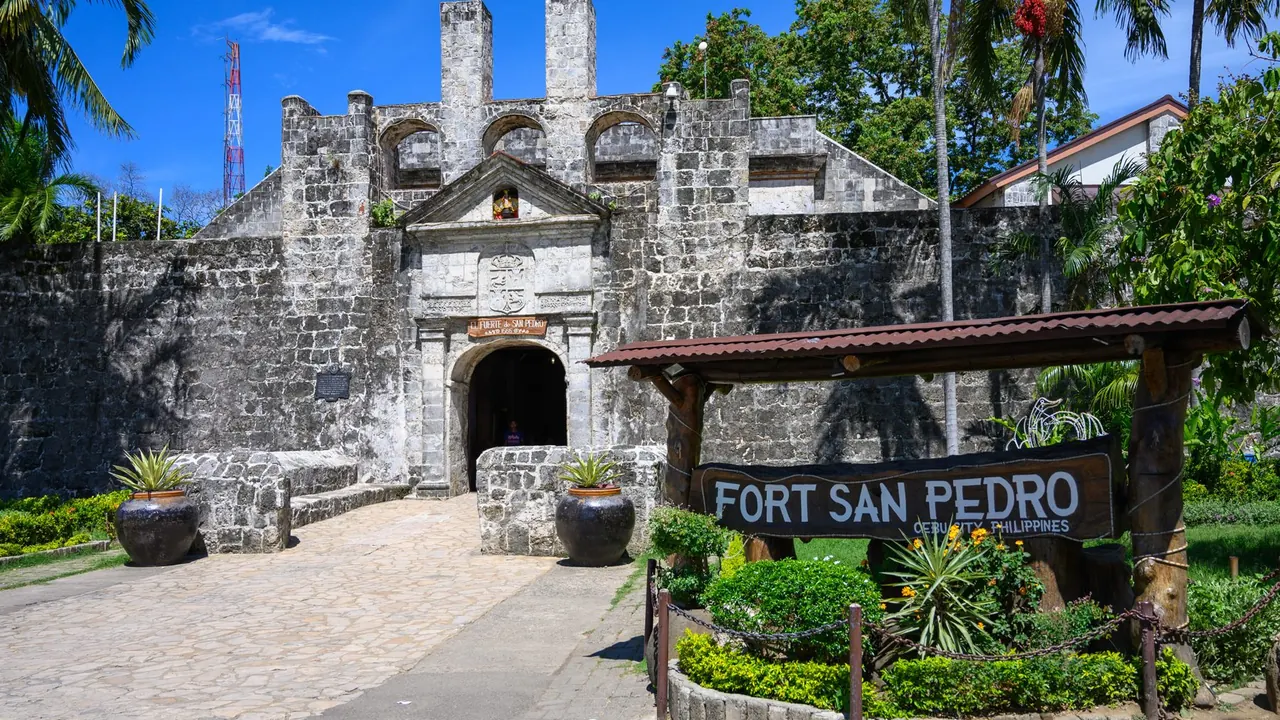
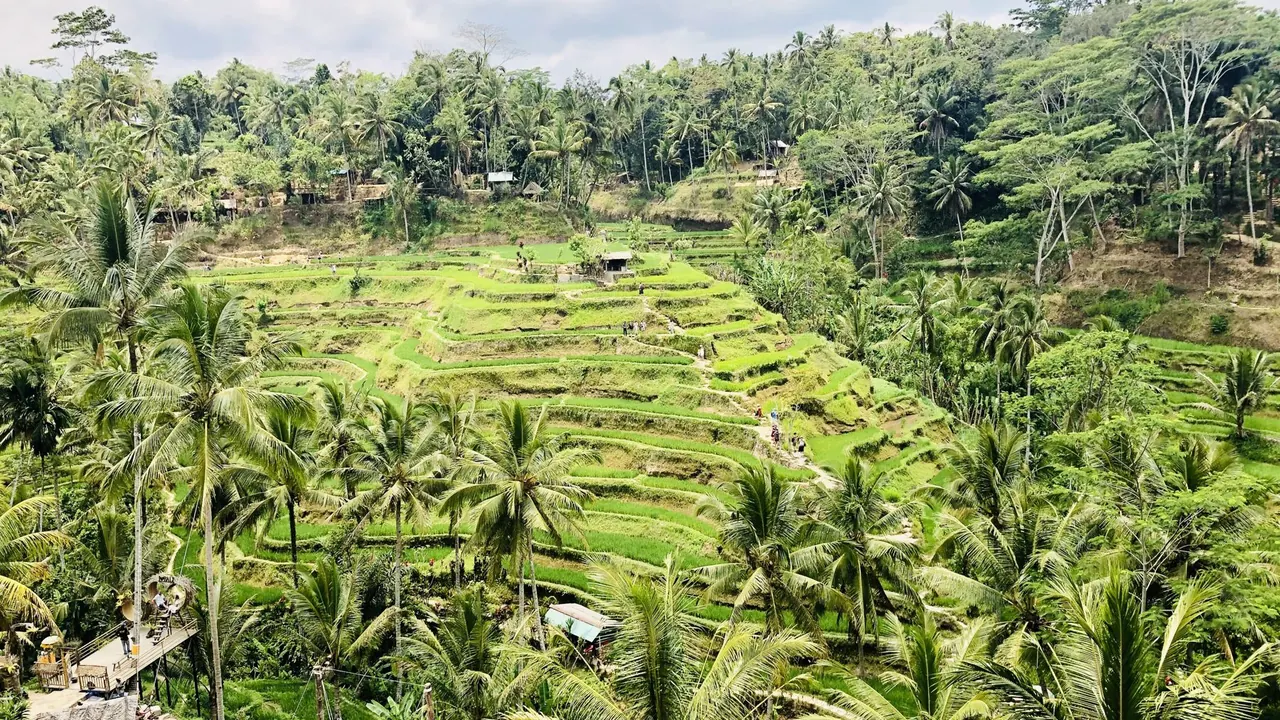
Photos: Cebu by xiquinhosilva, CC BY 2.0, cropped; Ubud by Pinterpandai, CC BY-SA 3.0, cropped.
Cebu or Ubud?
Our verdict in twelve categories, each scored against the same fixed benchmark cities, and the climate month by month, so you can choose for your trip.
Choose Cebu for
- nightlife
- beaches
- getting around
Cebu suits a trip built around the sea and a casual night out. From the city you can island-hop off Mactan to sandbars and reefs, dive, and head south to the whale sharks, the canyons and Moalboal's sardine shoals, then come back to cheap beer and street grills in IT Park. The historic centre is small, so treat the city as a base for the water rather than the reason to come.
Choose Ubud for
- wellness
- day trips
- live music and the arts
Ubud rewards a slower trip with more inward-looking days. Yoga at dawn, a massage most afternoons, walks through the rice terraces and gamelan and dance in temple courtyards at night set the pace, and Bali's great temples lie within a driver's reach in every direction. Anyone who wants beaches or late nights will find both a long drive away.
Scoreboard
Twelve categories on one fixed scale from 0 to 100. The shaded stretch is the gap between the two.
Your match
Pick a travel style or drag the sliders, and both match scores follow your weighting.
Wins on nightlife and beaches with your weighting.
Wins on wellness and day trips with your weighting.
What matters to you?
Category by category
What the scores mean for a trip.
Beaches & swimming
Neither has a beach in town, but Cebu puts you much closer to good water. Mactan's resort shores are under an hour from the city, and outrigger boats run out to the sandbars of Nalusuan, Hilutungan and Pandanon for snorkelling over the reef. Moalboal, Malapascua and Bantayan are worth the longer journey.
From Ubud, the nearest easy swim is Sanur, the best part of an hour away, and the black-sand Gianyar coast is better for watching surfers than for swimming. In Ubud your daily swim is in the pool, often with a rice-field view, and real beach time means moving to the coast for part of the stay.
Food & drink
The two kitchens are closer than they look, since both islands are devoted to roast pig: Cebu's lechon and Ubud's babi guling. Cebu's strength is meat, rice and seafood eaten casually, with skewers from street grills, puso in coconut-leaf pouches and the sutukil places on Mactan that cook the fish you choose.
Ubud has more range for its size. Spiced duck and warung nasi campur sit alongside plant-based cafés, Kintamani coffee and a few ambitious tasting menus. In Cebu you eat where the locals eat, while Ubud gives you more variety, though the better cooking is a lane or two off the main street.
Culture & sights
Cebu's history goes back further in colonial terms. Magellan's Cross, the Basilica del Santo Niño and Fort San Pedro mark Spain's first foothold in the Philippines, but they stand in a mostly modern city and fit into a single day downtown.
Ubud gives a curious visitor more. Offerings and processions are part of everyday life, the royal palace and the lotus-pond temple stand in the centre, the Neka and ARMA museums trace Balinese painting, and Goa Gajah is on the edge of town. It repays two or three unhurried days.
Nightlife
Cebu offers a proper night out, if a casual one: open-air bar strips in IT Park that run into the early hours, older clubs on Mango Avenue, karaoke among friends and the Sinulog street party in January. Ubud's evenings end with a long dinner and perhaps a band in a garden bar, and the town is quiet before midnight. For clubs you have to drive down to Seminyak or Canggu.
Nature & outdoors
In Ubud the scenery starts at your door. You can walk the rice terraces at Campuhan Ridge and Tegallalang from town, raft the Ayung gorge, reach jungle waterfalls in a short drive and climb Mount Batur in the dark for sunrise.
Cebu's nature is more about the sea and more spread out. The Busay hills give quick views behind the city and Mactan has reef diving, but the best-known trips, Kawasan Falls, Osmeña Peak, Oslob's whale sharks and Moalboal's sardines, are around three hours south and best done with a night away.
Day trips
From Ubud, Bali's temple heritage lies all around you. Tirta Empul and Gunung Kawi are close, Besakih and Klungkung are further east, Tanah Lot and Ulun Danu Bratan are to the west, and the Jatiluwih terraces lie between. With a hired driver you can fit two or three into a full day.
Cebu has fewer obvious outings. The fast ferry to Bohol is the standout, and the road south links Carcar with the coral-stone churches of Argao and Boljoon. Traffic, though, often doubles how long a journey looks on the map.
Good for families
Children get a warm welcome in both places, and both are hard going with toddlers because of traffic and missing pavements. In Cebu the easy approach is a Mactan resort with calm water, a boat day around the islets and the Ocean Park aquarium, with the malls as cool indoor refuges.
Ubud suits older, outdoorsy children better. It offers villa pools, gentle rafting, rice-field walks and evening dance shows, though the Monkey Forest macaques need watching.
Getting around
Neither is easy, but Cebu is less of a struggle. Metered taxis and ride-hailing cars are plentiful and cheap, and the downtown sights, IT Park and Ayala can each be walked, even if the bridges to Mactan clog up.
Ubud has no public transport worth using, and its valley roads are steep and its pavements narrow, so you plan each day around a driver or a hotel shuttle. Stay near the centre if you want to walk to dinner.
Shopping & style
Ubud is the better place to buy something made by hand. There is the Art Market opposite the palace, the woodcarving, silver and painting villages of Mas, Celuk and Batuan on the road in, and small linen and yoga-wear boutiques on Jalan Hanoman.
In Cebu, shopping mostly means very large malls such as Ayala Center and SM Seaside. Its local finds are Carbon Market, dried mangoes and otap, and the guitars and ukuleles built in family workshops on Mactan.
Affordability
Both are cheap places to visit, and both have a costly side if you want it. In Cebu the city itself is where money goes furthest, and the spending comes with Mactan's beachfront resorts, private boats and diving.
In Ubud, homestays, warungs, massages and day drivers cost little, while the jungle resorts above the gorges and the restaurants aimed at visitors charge close to European prices. Imported wine and spirits feel expensive in both.
Live music & performing arts
Ubud has a performance worth planning an evening around on any night of your stay. Village troupes dance the Legong, Barong and Kecak to live gamelan in the palace courtyard, at Pura Taman Saraswati and in temple grounds. Cebu's great show is the Sinulog prayer dance in January. For the rest of the year it offers cover bands and acoustic sets, often with fine singers, and very little formal theatre.
Wellness & relaxation
This is where the two differ most. Ubud is built around wellbeing, with dawn yoga in open pavilions, retreats lasting days or weeks, riverside spas, flower baths, traditional healers and the purification ritual at Tirta Empul.
Cebu offers good, inexpensive massage, including the warm-oil hilot, and restful spa days at the Mactan resorts. The city itself is loud and hot, though, and there is no wider culture of retreat behind it.
When should you go?
Pick your month. The climate figures are measured averages, not a forecast.
Cebu in July
Ubud in July
Daytime high, °C
Rainfall in the month, mm
Where the figures come from
Ubud's temperatures are measured 29 km from the centre, at Denpasar / Ngurah-Rai.
Ubud's station stands 209 m below the city centre, so the centre is likely a little cooler than the figures say.
Ubud has no rain gauge within 25 km of the centre, so its rainfall comes from a gridded climate dataset read at the city rather than from a gauge further away.
Temperature and rainfall are climate normals, averaged over the years shown. Cebu: 1991-2020 normals, Mactan (7.1 km from centre). Ubud: 1991-2020 normals, Denpasar / Ngurah-Rai (29 km from centre).
Both places are hot all year and neither has a cool season for walking the streets, so the real difference is the rain, which falls at nearly opposite times. Cebu is driest from February to May, with April down to about 50mm, though May is also its hottest month. From June the rain builds to around 200mm a month through October, and typhoons can disrupt the later months. The sea off Mactan is warm enough to swim in every month.
Ubud's wet season peaks from December to February, with close to 300mm in January. That keeps the terraces at their greenest but leaves the trails muddy. May to September is the better window, and August is both the driest month, at around 36mm, and the sunniest. The sea at Sanur is slightly cooler in mid-year but still comfortable.
Which traveller are you?
On a beach and sun trip, Cebu is the clear pick. Mactan's resort shores are within an hour of the city, outrigger boats run to white sandbars and reefs for snorkelling, and the sea stays warm all year. From Ubud, the nearest easy swim is an hour's drive away.
For a relaxing and wellness trip, Ubud has few rivals. Yoga, meditation, Balinese massage and retreats are part of the town's daily rhythm, and quiet villas look over rice fields just off the main road. Cebu offers a good massage and a slow resort day, little more.
On a culture and arts trip, Ubud gives more to see. It has temple ritual in everyday life, painting museums, the royal palace and dance with gamelan every night, with Bali's great temples as day trips. Cebu's Spanish-era sights are historic but few, and one day covers them.
Before you go
| Measure | Cebu | Ubud |
|---|---|---|
| Official language | English, Filipino, Taglish | Indonesian |
| Currency | Philippine Peso (PHP) | Rupiah (IDR) |
| Sockets | ABC220 V, 60 Hz | CF50 Hz |
| Driving side | Right | Left |
| Time zone | UTC+8 | UTC+8 |
| Emergency number | 911 | 112 |
| Elevation | 135 m | 210 m |
| Main airport | Mactan Cebu International Airport (CEB)9 km from centre41 non-stop destinations | Denpasar I Gusti Ngurah Rai International Airport (DPS)29 km from centre64 non-stop destinations |
| Public holidays this year | 18 days | - |
By the numbers
| Measure | Cebu | Ubud |
|---|---|---|
| City population | 965,332 | - |
| People per km² | 3,065 | - |
| Museums within 10 km | 5 | 14 |
| UNESCO World Heritage sites within 50 km | 0 | 1 |
| Swim season, months above 21 °C | 12 months | 12 months |
Where else could you go?
Every comparison below shares a destination with this one, so you can follow Cebu or Ubud somewhere new.