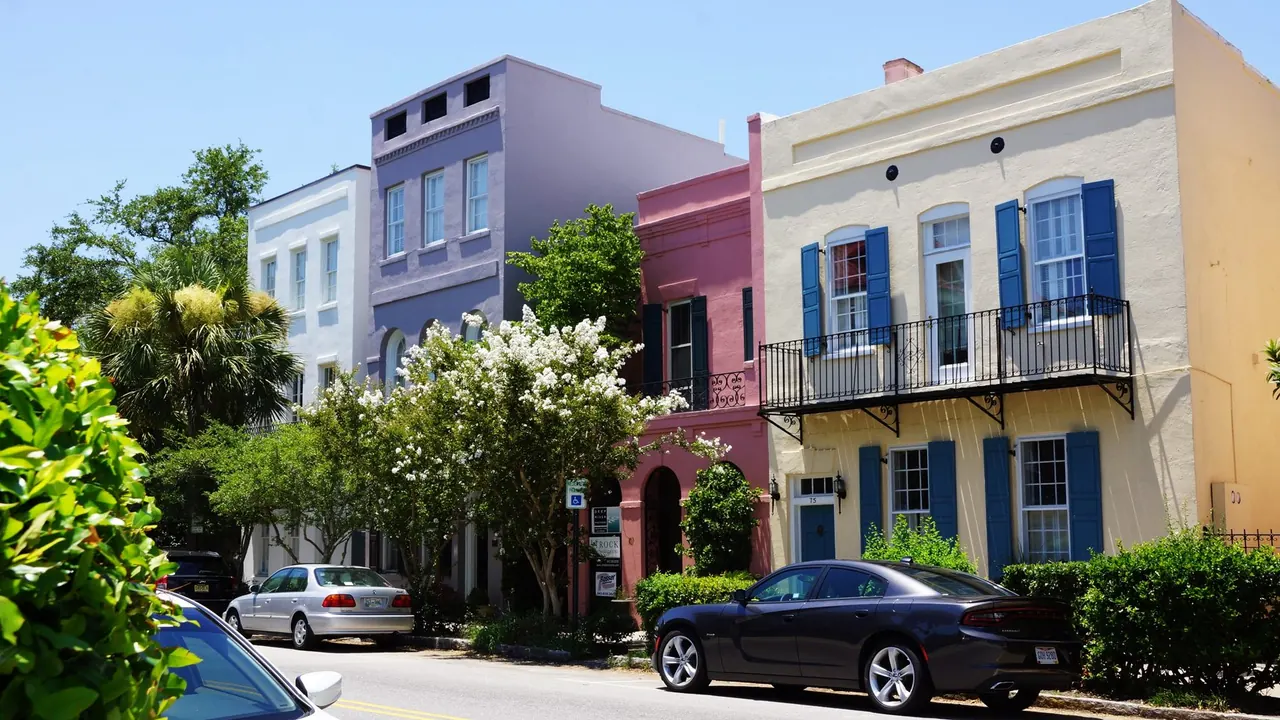
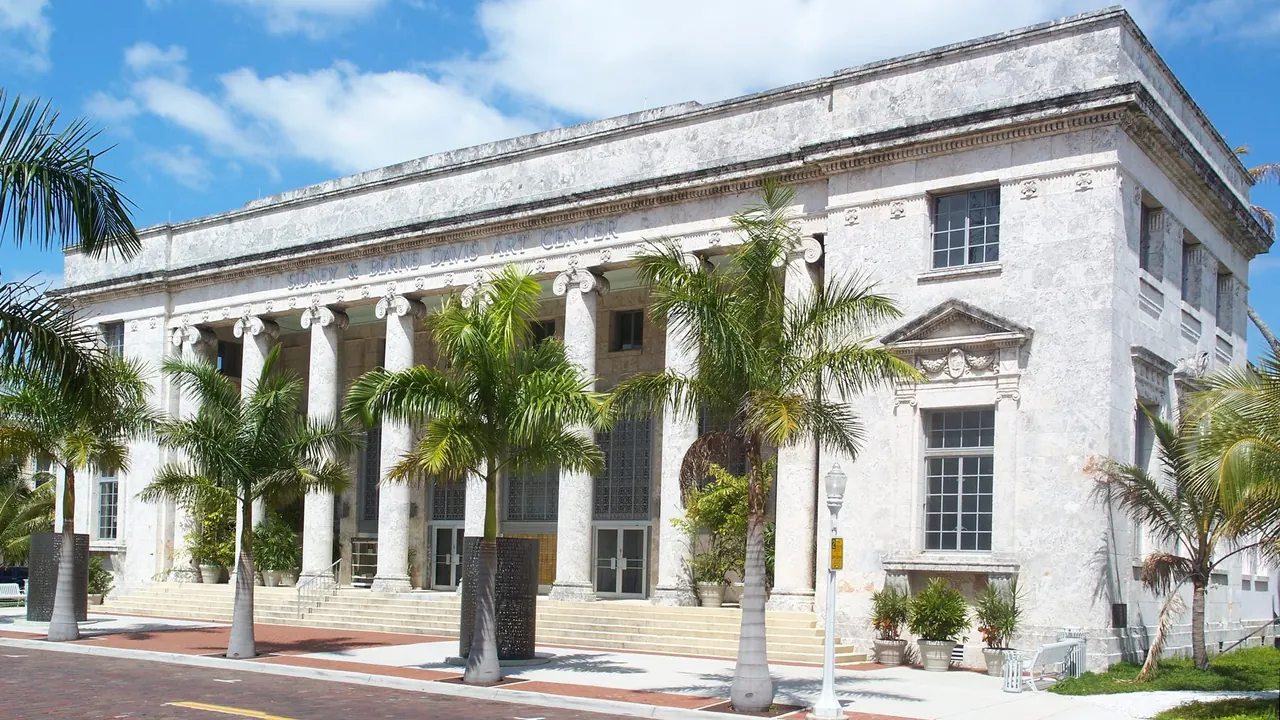
Photos: Charleston by NealVickers, CC BY-SA 4.0, cropped; Fort Myers by Ebyabe, CC BY-SA 3.0, cropped.
Charleston or Fort Myers?
Our verdict in twelve categories, each scored against the same fixed benchmark cities, and the climate month by month, so you can choose for your trip.
Choose Charleston for
- food and drink
- culture and sights
- getting around
Charleston suits travellers who want a city to walk, eat and learn in, with the beach as a second act. The historic peninsula, Lowcountry cooking rooted in Gullah Geechee tradition and the hard history told at Fort Sumter and the plantations give a trip real substance, and you can leave the car parked for days at a time. It is the dearer of the two and works best in spring and autumn.
Choose Fort Myers for
- prices
- nature and the outdoors
- beaches
Fort Myers is the pick for a winter escape built around calm water, shells and wildlife. The Gulf stays warm enough to swim through the cooler months, Sanibel's tideline and the spoonbills at Ding Darling fill slow days, and the condos with pools make family logistics simple. Expect to drive everywhere, and don't come for food or city life.
Scoreboard
Twelve categories on one fixed scale from 0 to 100. The shaded stretch is the gap between the two.
Your match
Pick a travel style or drag the sliders, and both match scores follow your weighting.
Wins on food and drink and culture and sights with your weighting.
Wins on prices and nature and the outdoors with your weighting.
What matters to you?
Category by category
What the scores mean for a trip.
Beaches & swimming
These are two equally good beach bases of quite different kinds. Charleston's Atlantic islands each have their own character: surfy Folly Beach with its pier, quiet Sullivan's Island backed by dunes and forts, and broader Isle of Palms. The water is tidal and greenish, and rip currents call for some care.
Fort Myers has the gentler sea and the longer swimming season. The shallow, calm Gulf off Estero Island suits weak swimmers, and in winter it stays swimmable when Charleston's water is cold. Sanibel's shelling is the draw Charleston can't match, though algae can spoil the water at times. Both sets of beaches are a drive from town.
Food & drink
Food is one of the main reasons to choose Charleston. Lowcountry dishes such as shrimp and grits, she-crab soup and Carolina Gold rice come from Gullah Geechee and West African roots, and they are cooked seriously everywhere from townhouse dining rooms to whole-hog barbecue pits. The best tables need booking well ahead.
Fort Myers keeps things casual: grouper sandwiches, peel-and-eat shrimp and stone crab on a deck at sunset. Away from the River District and Sanibel, highway chains take over, so keen eaters will run out of options quickly.
Culture & sights
Charleston has much more to see. The whole peninsula south of Broad Street is a walking museum of Georgian and antebellum houses. The Aiken-Rhett and Nathaniel Russell houses, Fort Sumter and the International African American Museum tell the story of the city's wealth and of the slavery that built it.
Fort Myers has one real sight, the Edison and Ford Winter Estates, which make a rewarding half day among Edison's laboratory and the riverside gardens. After that the palm-lined McGregor Boulevard and a few brick streets downtown are about all the town has to show.
Nightlife
Neither city is built for clubbing, but Charleston gives you more to do after dark. Upper King Street packs rooftop bars, cocktail rooms and oyster bars into a few walkable blocks, and it gets loud with students and weekend groups. The French Quarter has calmer wine bars.
Fort Myers winds down earlier, with an older winter crowd. The best evenings are a sunset drink by the Fort Myers Beach pier or the monthly art walk in the River District, and the pier livens up mainly in March.
Nature & outdoors
Both coasts are flat and best seen from the water, but Fort Myers has the richer wildlife. Ding Darling on Sanibel is a first-class place for wading birds, Corkscrew Swamp has a boardwalk through old-growth cypress, and in winter manatees gather on the Orange River. The Great Calusa Blueway's mangrove tunnels are made for kayaking.
Charleston's Lowcountry is spartina marsh and live oaks hung with Spanish moss. Its highlight is a kayak through the tidal creeks with dolphins, followed by quiet trails in the Francis Marion forest or the ACE Basin. One practical difference: Fort Myers is best outdoors in winter, Charleston in spring and autumn.
Day trips
Charleston has the more rewarding drives out. Middleton Place, Magnolia and Drayton Hall along the Ashley River, with Boone Hall in Mount Pleasant, are about half an hour away and set formal gardens beside an honest account of the enslaved people who worked them. McLeod Plantation on James Island is given over wholly to that history. Further afield, Savannah's squares make a full day, and Beaufort leads into Gullah culture on the sea islands.
Fort Myers offers pleasant outings rather than essential ones: polished Naples, island lunches on Sanibel and Captiva, sleepy Boca Grande. Sarasota's Ringling museum and Ca' d'Zan are its best cultural trip, and Everglades City opens up the Ten Thousand Islands. Every one of these outings, from either city, means a car.
Good for families
Charleston suits school-age children, Fort Myers the very young. In Charleston the aquarium and children's museum sit on the downtown waterfront, children can clamber through the aircraft carrier at Patriots Point, and the boat to Fort Sumter turns history into an outing, though house tours will test small children's patience.
Fort Myers is simpler with toddlers. The shallow, surf-free Gulf, hours of shell hunting on Sanibel and a gentle paddle past manatees and dolphins fill the days, with the science centre or the Shell Factory for a stormy afternoon. Theme parks and big zoos are missing from both, and summer heat cuts outdoor time in each.
Getting around
Charleston is far easier without a car. The flat historic peninsula puts most sights within walking distance, and a free shuttle and pedicabs fill the gaps, though you will still want wheels for the beaches and plantations.
In Fort Myers a rental car is not optional. The city, beaches, Sanibel and the reserves are spread across a low-density county. Buses are sparse, and in winter the bridges to the islands clog with traffic.
Shopping & style
Charleston makes for much better browsing. King Street changes along its length from antiques and galleries to national brands and then independent design shops, and the City Market is where Gullah artisans weave sweetgrass baskets.
In Fort Myers, shopping mostly means outlet malls and open-air centres along the highway towards Estero, which are worth it for the bargains. Periwinkle Way on Sanibel adds shell shops and galleries for an hour's browse.
Affordability
Fort Myers leaves more room to manage costs, while Charleston stays dear wherever you sleep near the sights. Its peninsula inns charge big-city rates, spring and autumn weekends push them higher, and celebrated restaurants and paid house tours add up. The old streets, the Battery and the beaches are free.
In Fort Myers the price depends on when and where you stay. Winter beachfront on Sanibel is expensive, yet rooms in town or near the interstate cost much less and summer rates fall sharply. Budget for the rental car and the causeway fees.
Live music & performing arts
Charleston has a slight edge thanks to Spoleto Festival USA, which fills late spring with opera, dance, chamber music and jazz. The Dock Street Theatre and Gullah storytelling give it local character through the rest of the year.
Fort Myers has the steadier winter programme: touring Broadway shows at the Barbara B. Mann hall, a repertory company in a 1908 theatre and a regional symphony. That season goes quiet in summer, so its best months fall in the cooler half of the year.
Wellness & relaxation
Neither city is a spa destination, and neither has any bathing tradition, so they differ mainly in how they slow you down. Charleston has slightly more choice of treatments, with a few day spas in town as well as the hotel spas and the resorts on Kiawah Island. The old town calms you too: an afternoon drifting between walled gardens and benches by the harbour does much of the work.
Fort Myers is restful in a beach-bound way. On Sanibel and Captiva the buildings stay low, bike paths replace traffic and evenings end early, so whole days pass between the pool and the shoreline. A massage, though, almost always means booking one at your resort. For a few days of pampering, Charleston comes out slightly ahead. For a week of doing very little, Fort Myers is the easier choice.
When should you go?
Pick your month. The climate figures are measured averages, not a forecast.
Charleston in July
Fort Myers in July
Daytime high, °C
Rainfall in the month, mm
Where the figures come from
Fort Myers has no rain gauge within 25 km of the centre, so its rainfall comes from a gridded climate dataset read at the city rather than from a gauge further away.
Temperature and rainfall are climate normals, averaged over the years shown. Charleston: 1991-2020 normals, Charleston Airport (16.1 km from centre). Fort Myers: 1991-2020 normals, Fort Myers / Page Park (4.5 km from centre).
Charleston has four distinct seasons. Winter afternoons sit around 16°C, fine for walking the old streets but far too cool for the sea. April, May and October are the sweet spot for sightseeing, and the Atlantic is warm enough to swim from late spring. From June to September it is hot and humid, with each month bringing over 150mm of rain, though the sea peaks at about 28°C for anyone who mainly wants the beach.
Fort Myers turns that pattern round. Winter is its high season, with dry, sunny-feeling days around 24°C and a Gulf still mild enough to swim on calm days. Summer is hotter and much wetter than in Charleston, with June alone bringing 244mm, mostly as afternoon storms. For a winter trip the choice is clearly Fort Myers. In spring and autumn Charleston is the more comfortable city on foot.
Which traveller are you?
For a short city break, Charleston is the obvious choice. Its compact peninsula of antebellum houses, house museums and serious Lowcountry restaurants can be covered on foot in two or three days. In Fort Myers you would need a car just to find the sights.
On a beach and sun trip, especially in winter, Fort Myers wins. The Gulf is shallow, calm and warm enough to swim when Charleston's sea is cold, and the fine pale sand of Estero Island and the shelling on Sanibel are made for long, easy days.
For an outdoors trip, Fort Myers offers more wildlife within easy reach. Roseate spoonbills at Ding Darling, the cypress boardwalk at Corkscrew Swamp, paddling through mangrove tunnels and wintering manatees beat Charleston's marsh kayaking, which is good but less varied.
Before you go
| Measure | Charleston | Fort Myers |
|---|---|---|
| Currency | US Dollar (USD) | US Dollar (USD) |
| Sockets | AB120 V, 60 Hz | AB120 V, 60 Hz |
| Driving side | Right | Right |
| Time zone | UTC-5, UTC-4 in summer | UTC-5, UTC-4 in summer |
| Emergency number | 911 | 911 |
| Elevation | 6 m | 3 m |
| Main airport | Charleston International Airport (CHS)16 km from centre56 non-stop destinations | Southwest Florida International Airport (RSW)12 km from centre79 non-stop destinations |
| Public holidays this year | 12 days | 11 days |
By the numbers
| Measure | Charleston | Fort Myers |
|---|---|---|
| City population | 150,227 | 86,395 |
| People per km² | 532 | 681 |
| Museums within 10 km | 19 | 3 |
| UNESCO World Heritage sites within 50 km | 0 | 0 |
| Swim season, months above 21 °C | 6 months | 10 months |
Where else could you go?
Every comparison below shares a destination with this one, so you can follow Charleston or Fort Myers somewhere new.