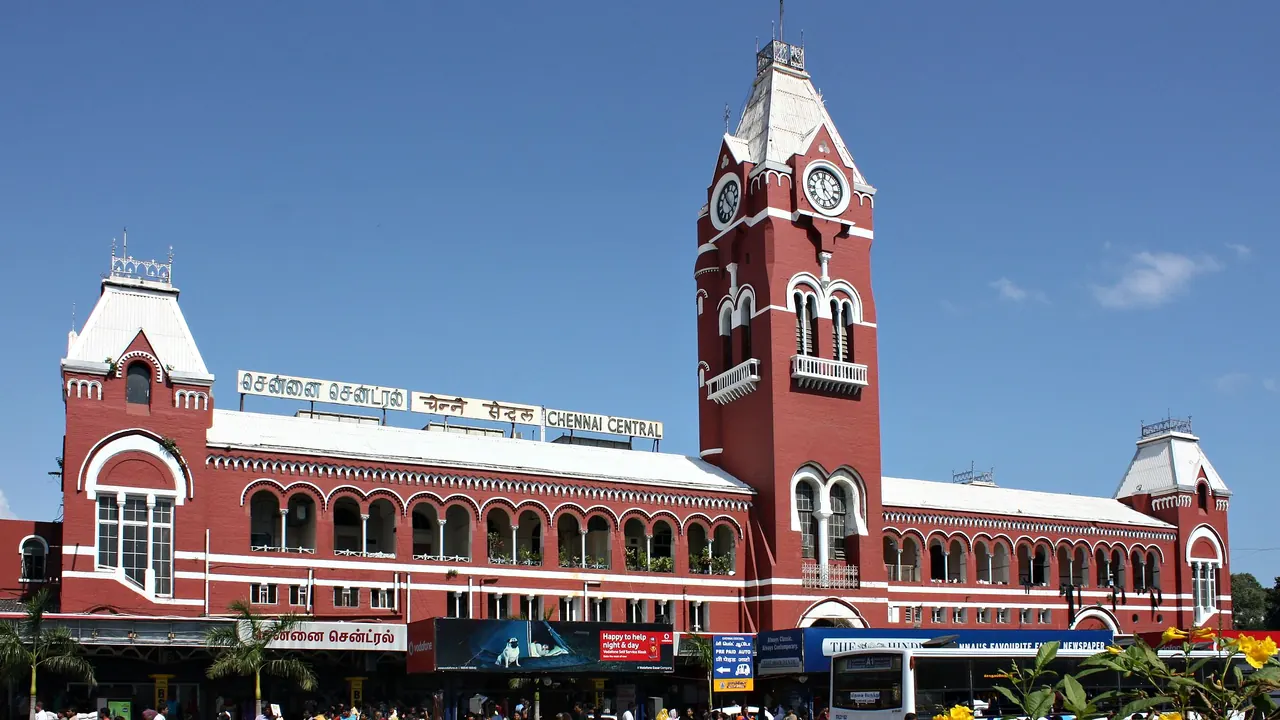
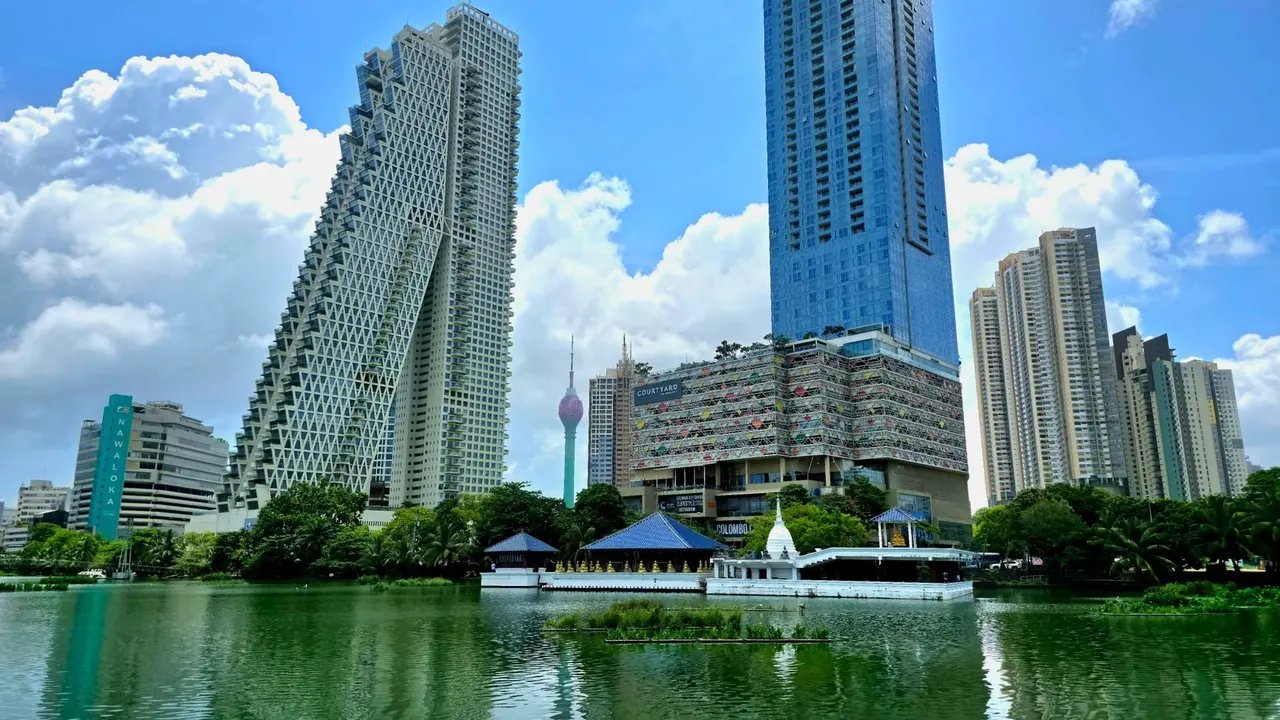
Photos: Chennai by Arian Zwegers derivative work: MrPanyGoff, CC BY 2.0, cropped; Colombo by Mohamed Ansaf, Pexels License.
Chennai or Colombo?
Our verdict in twelve categories, each scored against the same fixed benchmark cities, and the climate month by month, so you can choose for your trip.
Choose Chennai for
- live music and the arts
- culture and sights
- shopping
Chennai is the stronger choice for travellers who want South India at its source. You get Tamil food from dawn tiffin to banana-leaf lunch, working temples in Mylapore and Triplicane, Chola bronzes in Egmore, and Carnatic music and Bharatanatyam on a scale no other city matches. Mahabalipuram and Kanchipuram are both within a day's reach, and the whole trip costs very little. It suits a curious, culture-minded visitor who doesn't mind early nights and won't be swimming in the sea.
Choose Colombo for
- beaches
- wellness
- nightlife
Colombo works better as a gentler, more coastal start to a wider island trip. Mount Lavinia and Negombo give you sand you can actually use in the calm season, Ayurveda is part of daily life, and rooftop bars by the ocean make for livelier evenings. Galle's fort town is an easy day out. Choose it if you want sea air, a drink at sunset and a soft landing before heading south or into the hills.
Scoreboard
Twelve categories on one fixed scale from 0 to 100. The shaded stretch is the gap between the two.
Your match
Pick a travel style or drag the sliders, and both match scores follow your weighting.
Wins on live music and the arts and culture and sights with your weighting.
Wins on beaches and wellness with your weighting.
What matters to you?
Category by category
What the scores mean for a trip.
Beaches & swimming
Neither city is a swimming destination, but Colombo comes closer. In Chennai, Marina Beach and Elliot's Beach are places for walking, eating snacks and flying kites. Locals barely wade in, and safer water means a drive down the East Coast Road towards Mahabalipuram, where the sea is often rough too.
Colombo has Mount Lavinia's broad sand inside the city limits and Negombo's hotel beach an hour north. From December to April the west coast is calm enough to swim. It is still open surf rather than a sheltered bay, though, and a proper beach stay means carrying on south to Bentota.
Food & drink
Both cities eat superbly and cheaply, but Chennai has the deeper tradition. It is the place for Tamil vegetarian cooking: idli and dosa in the tiffin halls of Mylapore and T. Nagar, full meals refilled on a banana leaf, and filter coffee throughout the day, with fiery Chettinad meat dishes as the counterweight.
Colombo's table looks more to the sea and mixes more influences. It offers hoppers with an egg cooked inside, kottu chopped late at night, lagoon crab and the Burgher lamprais parcel. Arrack and toddy also give its meals a drinking side that Chennai mostly lacks.
Culture & sights
Chennai gives a visitor more to see. Its temples are among the great sights of the south, from the painted gopuram over the Kapaleeshwarar tank to the Parthasarathy Temple at dawn. The Egmore museum's Chola bronzes are world-class, and Fort St George and the red Indo-Saracenic buildings on the Marina tell the Madras story.
Colombo rewards a day or two. Highlights are the National Museum's royal regalia, the eccentric Gangaramaya, Bawa's Seema Malaka on Beira Lake and the striped mosque in Pettah. Sri Lanka's great ancient sites lie deep inland, beyond a day trip.
Nightlife
Colombo's weekends are the closest either city comes to a night out. Rooftop lounges look out over the ocean, the clubs in Colombo 3 and around Galle Face fill with a local crowd, and the casinos stay open late. Midweek is much quieter, and bars go dry on the monthly Poya full-moon days.
Chennai's licensing rules keep drinking to hotels and a handful of pubs, and these close well before the small hours. Evenings there mean sober crowds on the beach, temple festivals and late dinners rather than a night on the town.
Nature & outdoors
Both sit on flat, hot coastal plain, and the outdoors in both means wetlands and birds rather than hills. Chennai has the more seasonal appeal. In winter, pelicans, storks and flamingos crowd Vedanthangal and Pulicat, volunteers lead olive ridley turtle walks on the beaches at night, and there is small-scale surfing at Kovalam.
Colombo's green spaces are gentler and closer to hand: shade around Beira Lake, birdwatching at the Diyasaru wetland and boat trips on the Muthurajawela marsh. It also works as the starting point for rafting, rainforest and tea country, though none of these is close.
Day trips
Chennai has the two finer excursions. Mahabalipuram's Pallava shore carvings are about an hour away, and the temple city of Kanchipuram is about two, with DakshinaChitra on the way south.
Colombo's best day is Galle's walled Dutch fort, which you can combine with the Bawa gardens near Bentota or the mask carvers of Ambalangoda. Negombo is a lighter half-day. Kandy, like Pondicherry from Chennai, really calls for an overnight stay.
Good for families
The two are much alike here. Children are warmly welcomed in both, but heat, traffic and missing pavements wear them out, and neither sea is safe for small swimmers. Chennai has more to fill a day: the large zoo at Vandalur, a planetarium and pony rides on Elliot's Beach. Colombo has the Dehiwala zoo, kites on Galle Face and a coastal train ride, and families tend to treat it as a short stop before the beach resorts.
Getting around
Both cities are spread out and hard to walk, and the difference is in the transport. Chennai has an air-conditioned metro to the airport and Central station, plus suburban trains towards Mylapore, with app cabs and autos to fill the gaps.
Colombo has no metro. It runs on app-booked tuk-tuks, with the coastal railway as the pleasant way to reach Mount Lavinia. It does have more stretches you can walk, along Galle Face and around Beira Lake.
Shopping & style
Chennai offers serious textile shopping. The multi-storey sari emporia and jewellers of T. Nagar draw wedding shoppers from across the south, Kanchipuram silk is sold in every shade, and Mylapore has brass lamps and temple jewellery.
Colombo is smaller in scale but different in feel. Pettah's wholesale streets are worth walking even if you buy nothing, and design-led stores in Colombo 3 and 7 sell handloom and batik. Tea, cinnamon and gems are the souvenirs to take home.
Affordability
In Chennai, the cheaper of the two, almost the only thing that costs real money is a good hotel. Tiffin breakfasts, banana-leaf meals, filter coffee, autos and the metro cost next to nothing, and temples are free. Alcohol is the other expense worth noting.
Colombo's costs are more spread out. Rice and curry, kottu and tuk-tuks are cheap, but this is the island's priciest city. Seafront hotels, rooftop bars and upmarket seafood restaurants charge close to international rates, imported drink is heavily taxed, and some sights charge foreigners more.
Live music & performing arts
This is where the two differ most. Chennai is the world centre of Carnatic music and Bharatanatyam. In the December and January Margazhi season, the Music Academy and the sabhas of Mylapore and T. Nagar run concerts from morning to night, and Kalakshetra stages classical dance through the rest of the year.
Colombo has a few good venues, the Nelum Pokuna and the Lionel Wendt, plus occasional symphony concerts. Its standout is Kandyan dance with drumming, but there is no nightly programme to build a trip around.
Wellness & relaxation
Colombo is the better place to unwind, mainly because of Ayurveda. Here it is real local medicine, with warm-oil massage, shirodhara and prescribed courses in the city, and longer residential stays at Beruwala and Bentota.
Chennai's strength is yoga. Studios in Mylapore and Adyar teach in a respected hatha lineage, and massage is cheap. The city itself is draining, though, and real calm means the shaded Theosophical Society grounds or a resort on the East Coast Road.
When should you go?
Pick your month. The climate figures are measured averages, not a forecast.
Chennai in July
Colombo in July
Daytime high, °C
Rainfall in the month, mm
Temperature and rainfall are climate normals, averaged over the years shown. Chennai: 1991-2020 normals, Madras / Minambakkam (13.5 km from centre). Colombo: 1991-2020 normals, Colombo (3 km from centre).
Chennai is at its best in January and February. Highs then are around 30°C, rain is scarce and the days are long and sunny. March stays dry but gets noticeably hotter, and by May the afternoons reach 39°C, far too hot for walking the streets. The heat eases only slowly through the summer, and cloud and rain build from June. October and November are by far the wettest months of the year, with heavy northeast monsoon rain and much less sunshine.
Colombo barely changes in temperature, staying around 31°C all year, so the thing to plan around is rain. It has two wet spells instead of one. The first runs from April to June, when the southwest monsoon also makes the sea rough. The second, from September to November, is the wetter of the two. January to March is Colombo's driest and sunniest stretch and the calm season on the west coast, which makes early in the year the best time for both cities. The sea off both is about 28°C in every month, so whether you can swim depends on calm water rather than temperature.
Which traveller are you?
On a culture and arts trip, Chennai wins clearly. It has living temples, a world-class bronze collection, and Mahabalipuram and Kanchipuram close by. Above all it is the home of Carnatic music and classical dance, with sabhas and Kalakshetra performing far beyond anything Colombo's few stages put on.
For a beach and sun trip, Colombo is the better base. Mount Lavinia sits at the city's edge, Negombo is an hour away, and the coastal railway leads on to Bentota. Chennai's long beaches are for evening strolls, and its swimmable water is far down the coast.
On a relaxing and wellness trip, choose Colombo. Ayurveda is genuine local medicine there, with oil massage, shirodhara and full residential retreats on the coast nearby. Chennai offers a respected yoga lineage and cheap massage, but its heat and noise rarely let you unwind.
Before you go
| Measure | Chennai | Colombo |
|---|---|---|
| Official language | Hindi, English | Tamil, Sinhala |
| Currency | Indian Rupee (INR) | Sri Lanka Rupee (LKR) |
| Sockets | CM230 V, 50 Hz | GM230 V, 50 Hz |
| Driving side | Left | Left |
| Time zone | UTC+5:30 | UTC+5:30 |
| Emergency number | 108 or 112 | Police 119, ambulance 110, fire 110 |
| Elevation | 6 m | 1 m |
| Main airport | Chennai International Airport (MAA)15 km from centre67 non-stop destinations | Bandaranaike International Colombo Airport (CMB)28 km from centre57 non-stop destinations |
By the numbers
| Measure | Chennai | Colombo |
|---|---|---|
| City population | 6,599,000 | 647,557 |
| People per km² | 15,462 | 17,361 |
| Museums within 10 km | 8 | 10 |
| UNESCO World Heritage sites within 50 km | 0 | 0 |
| Swim season, months above 21 °C | 12 months | 12 months |
Where else could you go?
Every comparison below shares a destination with this one, so you can follow Chennai or Colombo somewhere new.
- Kandyvs Colombo
- Gallevs Colombo
- Ellavs Colombo
- Pondicherryvs Chennai
- Bengaluruvs Chennai
- Mysorevs Chennai