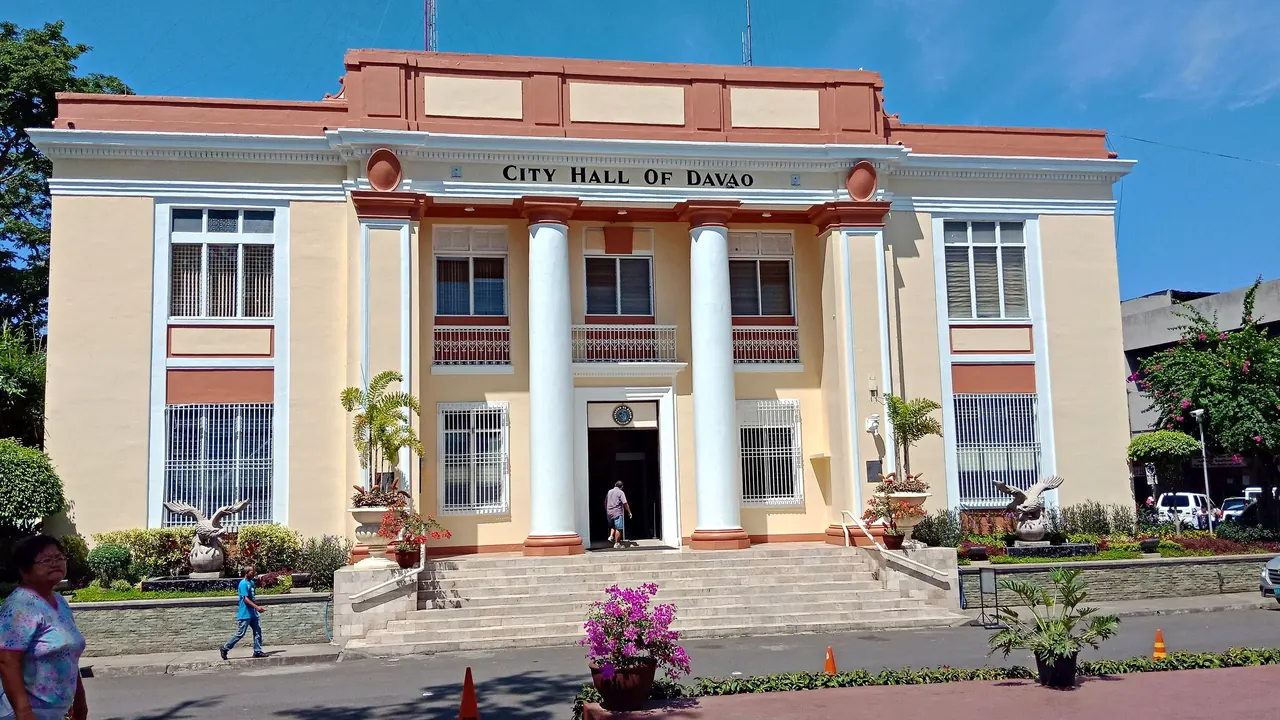
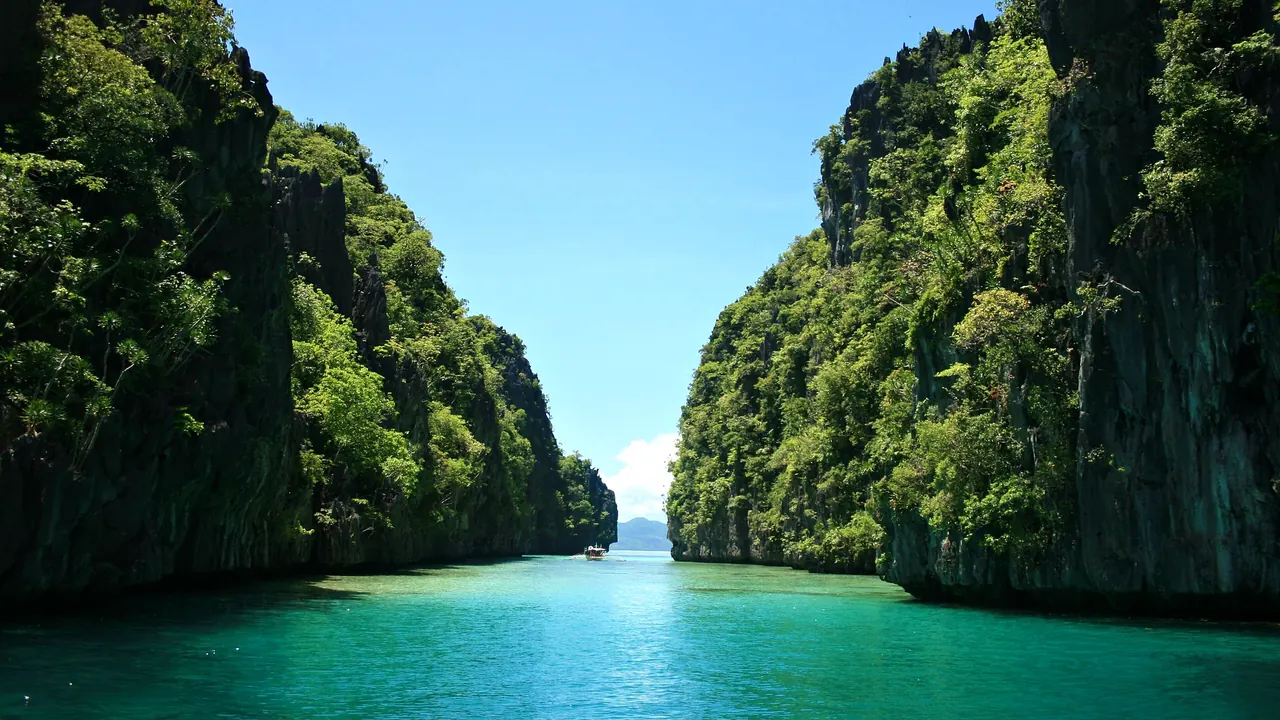
Photos: Davao by RoyKabanlit, CC BY-SA 4.0, cropped; El Nido by nennnn, CC BY 2.0, cropped.
Davao or El Nido?
Our verdict in twelve categories, each scored against the same fixed benchmark cities, and the climate month by month, so you can choose for your trip.
Choose Davao for
- food and drink
- shopping
- culture and sights
Davao is the better pick for a trip that mixes things. It is a mainland city with Mindanao fruit and gulf seafood, an eagle centre and highland parks for children, and Mount Apo for climbers, with Samal's beaches a short boat ride away. It is calm, orderly and cheap, and it suits families and travellers who want variety and ease more than spectacular scenery.
Choose El Nido for
- beaches
- nature and the outdoors
- wellness
For a trip built around the sea itself, El Nido wins clearly. Bacuit Bay's limestone islands, kayak lagoons and white coves are in a different league from anything near Davao, and days on the boats are the whole point. You have to accept simple food, little to see on land and higher prices, and you need to time it for the dry months.
Scoreboard
Twelve categories on one fixed scale from 0 to 100. The shaded stretch is the gap between the two.
Your match
Pick a travel style or drag the sliders, and both match scores follow your weighting.
Wins on food and drink and shopping with your weighting.
Wins on beaches and nature and the outdoors with your weighting.
What matters to you?
Category by category
What the scores mean for a trip.
Beaches & swimming
El Nido is by far the better beach destination. Nacpan has 4km of pale sand with almost nothing built on it, there are sunset beaches just south of town, and the island coves sit between limestone cliffs, so you can try a different beach every day. The busiest coves do fill with boats around midday.
Davao's beaches are good, but they are across the strait on Samal, so a swim means a boat crossing or moving to a resort on the island. The upside is that the gulf is sheltered, so Samal stays usable in the months when El Nido's monsoon swell keeps the boats in harbour.
Food & drink
Davao eats much better. You get durian and mangosteen from the late-night fruit stalls on Magsaysay Avenue, grilled tuna jaw and kinilaw, the evening stalls on Roxas Avenue, and locally grown cacao and highland coffee. That adds up to a real regional cuisine, even though fine dining is thin.
In El Nido, most of the restaurants in the town lanes serve backpackers pizza, burgers and smoothie bowls. The best meals there are the simple ones: fish grilled over charcoal, and the rice-and-seafood lunch the boat crews cook on island-hopping days.
Culture & sights
Neither city is a sightseeing destination, but Davao at least fills an afternoon. It has San Pedro Cathedral, two museums on the city's Lumad, Moro, Visayan and Japanese roots, the Lon Wa temple and tunnels the Japanese built in the Second World War. El Nido has a modest parish church and a few old wooden houses, and its one landmark is the limestone cliff behind the town, which is scenery rather than history.
Nightlife
Evenings are low-key in both places, but the crowd is different. Davao's nights are local and orderly: cover bands, grill-and-beer places and a few clubs around Matina and Lanang. Strict rules on drinking and smoking in public mean most nights end early.
El Nido's nightlife fills a few streets and belongs to backpackers. Sunset drinks at Las Cabanas lead on to reggae bars, fire dancers, hostel pub crawls and party boats. A couple of bars keep going past midnight, but there are no proper clubs.
Nature & outdoors
El Nido has the more remarkable setting. You kayak through narrow gaps in the rock into the Big and Small Lagoons on Miniloc, every boat trip includes snorkelling over coral gardens, and divers can reach walls and turtle sites in Bacuit Bay. On land there is little beyond the climb up Taraw cliff and the Nagkalit-kalit waterfalls.
Davao offers a wider range of activities. You can spend two or three days climbing Mount Apo, the country's highest peak, walk the trails in the cool Malagos and Marilog highlands, and see the huge fruit bat colony at the Monfort Bat Sanctuary. There is also rafting on the Davao River and reef diving off Samal and Talikud.
Day trips
Davao gives you a little more to do beyond the city. Samal is a quick crossing and the highland gardens fill a spare day. Mati's surf beaches and the UNESCO-listed forests of Mount Hamiguitan are worth an overnight stay.
El Nido is at the end of the road. The only real outing by land is Taytay's small Spanish fort, about an hour and a half south, and days on the island boats take the place of excursions.
Good for families
Davao suits younger children much better. The streets are calm and orderly, children can see the national bird at the Philippine Eagle Center, and Eden Nature Park has zip lines and horse rides. The big malls are a cool refuge in the hottest hours, though getting between sights means taxi rides in the heat.
El Nido works for confident older children who love snorkelling and boat days. It has no parks or zoos, boat trips involve steep ladders and wet landings, and with basic medical care and a long journey to get there, toddlers are hard work.
Getting around
Davao is the easier place to get around, mainly because its metered taxis are plentiful and have a long reputation for honesty, and ride-hailing apps work too. Jeepney routes are hard for a newcomer to follow, and the city is too spread out and hot to walk far. El Nido's centre is small enough to walk, but the lanes have no pavements. Anything beyond the centre means a tricycle, a rented scooter or a booked boat, as there is no real public transport.
Shopping & style
Of the two, only Davao is worth shopping in. Its malls cover chain fashion and electronics, and the craft stalls sell things made in Mindanao: malong and dagmay weaving, T'boli brass and beadwork, gulf pearls, and Davao chocolate and coffee to take home. El Nido has stalls of sarongs, swimwear, dry bags and shell jewellery, which are handy for the boats but not worth a shopping trip.
Affordability
Davao is clearly the cheaper stay. Mid-range hotels, local meals and taxis all cost little, and only Samal's better resorts, diving and guided climbs of Mount Apo push the budget up.
El Nido is still inexpensive by international standards but dearer than most of the Philippines. Its remote location raises the price of almost everything, boat tours are a cost every day, and its private-island resorts are as expensive as any in Asia.
Live music & performing arts
Once a year, in August, Davao has something worth planning around. Kadayawan is a harvest festival when the region's indigenous and Muslim communities dance through the streets in their own dress and styles, a rare chance to see Mindanao's traditions performed in public. Outside that week there is no theatre or concert season, just cover bands and the odd touring show.
El Nido has even less to offer: acoustic guitarists and reggae covers in the beach bars, and fire dancers on the sand after dark.
Wellness & relaxation
El Nido is the slightly easier place to switch off, as long as you stay at Corong-Corong, Las Cabanas or the northern beaches. There you get massage huts on the sand, yoga classes and quiet resort spas, away from the generators and bar music in town. Davao is calmer than most Philippine cities and hilot and other massage are cheap, but for real rest you need a spa resort on Samal or a lodge in the cooler Malagos and Marilog highlands.
When should you go?
Pick your month. The climate figures are measured averages, not a forecast.
Davao in July
El Nido in July
Daytime high, °C
Rainfall in the month, mm
Where the figures come from
Davao has no weather station within reach, so its figures come from a gridded climate model rather than a measured record, and read a broad area rather than the city itself.
El Nido has no weather station within reach, so its figures come from a gridded climate model rather than a measured record, and read a broad area rather than the city itself.
Temperature and rainfall are climate normals, averaged over the years shown. Davao: 2001-2020 normals, NASA POWER reanalysis grid, no weather station within 90 km. El Nido: 2001-2020 normals, NASA POWER reanalysis grid, no weather station within 90 km.
Davao barely changes through the year. Daytime highs sit around 30°C every month and the sea stays warm, so beach days on Samal work at any time. Rain falls throughout the year rather than in one season. It is lighter from February to April and heaviest in October, at about 240mm. Because of the constant heat, early mornings are the best time for walking or climbing.
El Nido has a much sharper split between seasons. From January to April it is almost dry, with under 50mm a month and calm water around 28°C, which is the ideal window for island-hopping. From June to September the southwest monsoon brings more than 300mm a month, rough seas and boat trips that are often called off. In those months Davao is the safer bet for a beach.
Which traveller are you?
On a beach and sun trip, El Nido wins outright. In Davao each swim starts with a boat across to Samal, or with moving your stay to the island. In El Nido the boats take you to a different cove or beach every day.
On a family trip with young children, Davao lets you keep the days short: a morning in the hills, then a pool or a cool mall through the hottest hours, with a taxi never far away. El Nido's days are long boat outings in full sun, which suit older children who swim well.
For a trip on a tight budget, Davao lets you stay comfortably in the city for weeks and save Samal or a highland lodge for the odd treat. A cheap stay in El Nido means a guesthouse in the noisy town lanes and choosing which boat days you can pay for.
Before you go
| Measure | Davao | El Nido |
|---|---|---|
| Official language | English, Filipino, Taglish | English, Filipino, Taglish |
| Currency | Philippine Peso (PHP) | Philippine Peso (PHP) |
| Sockets | ABC220 V, 60 Hz | ABC220 V, 60 Hz |
| Driving side | Right | Right |
| Time zone | UTC+8 | UTC+8 |
| Emergency number | 911 | 911 |
| Elevation | 13 m | 35 m |
| Main airport | Francisco Bangoy International Airport (DVO)8 km from centre15 non-stop destinations | El Nido Airport (ENI)4 km from centre5 non-stop destinations |
| Public holidays this year | 18 days | 18 days |
By the numbers
| Measure | Davao | El Nido |
|---|---|---|
| City population | 1,848,947 | 51,367 |
| People per km² | 757 | 56 |
| Museums within 10 km | 1 | 0 |
| UNESCO World Heritage sites within 50 km | 0 | 0 |
| Swim season, months above 21 °C | 12 months | 12 months |
Where else could you go?
Every comparison below shares a destination with this one, so you can follow Davao or El Nido somewhere new.