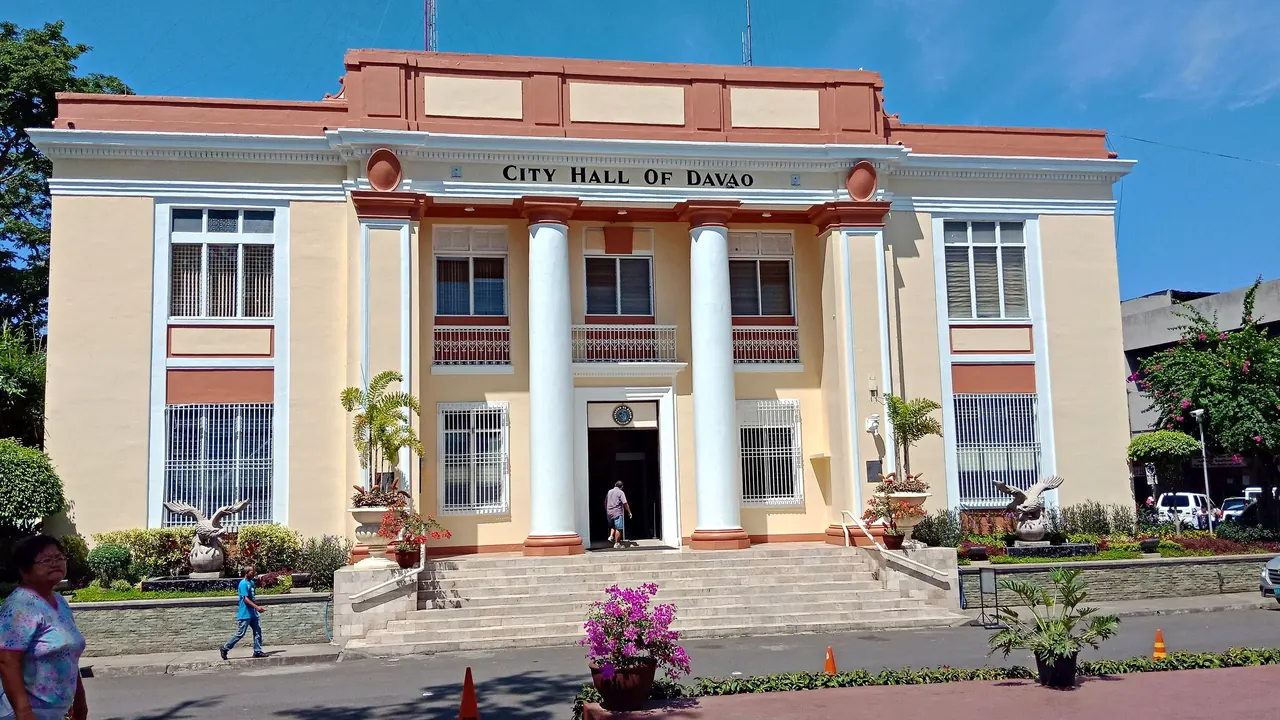
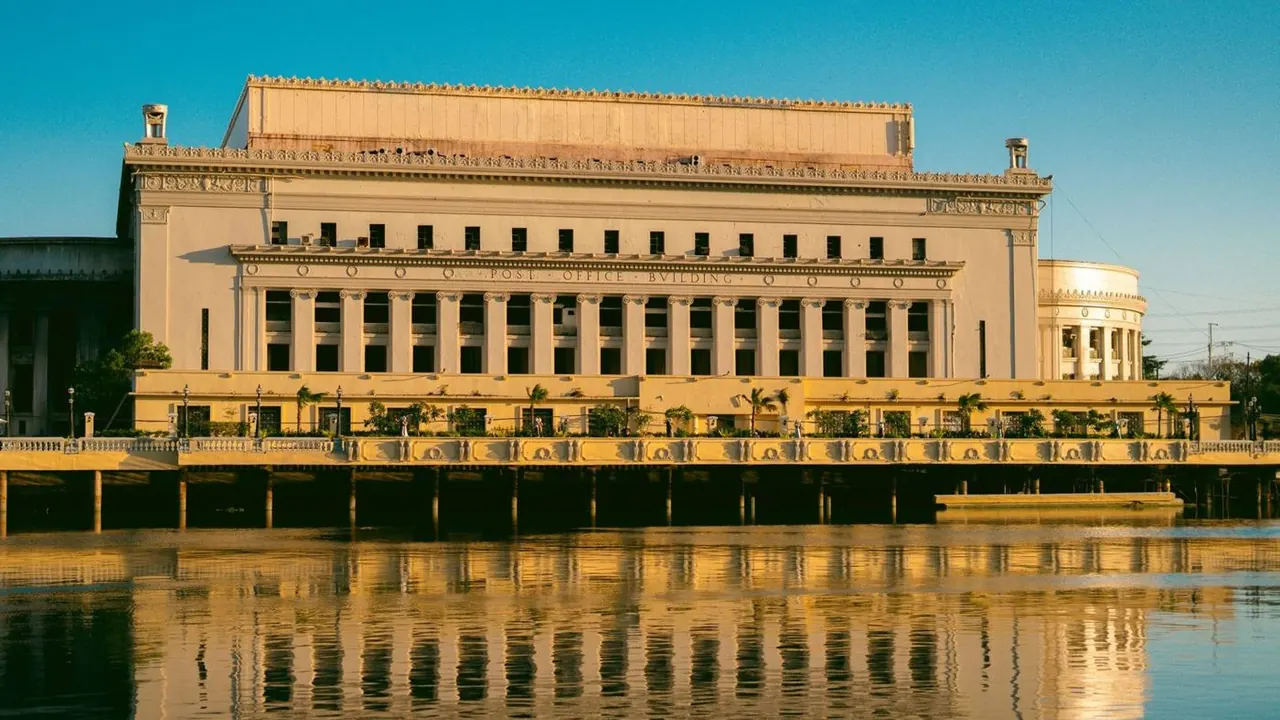
Photos: Davao by RoyKabanlit, CC BY-SA 4.0, cropped; Manila by Kenneth Surillo, Pexels License.
Davao or Manila?
Our verdict in twelve categories, each scored against the same fixed benchmark cities, and the climate month by month, so you can choose for your trip.
Choose Davao for
- beaches
- nature and the outdoors
- families
Davao suits a traveller who wants the outdoors and the sea, with a calm, orderly city as a base. Samal Island's sand and reefs are a short boat ride from the wharves, Mount Apo and the cool Malagos highlands are within reach, and families find the city easy to handle. Expect early nights and only an afternoon of sightseeing.
Choose Manila for
- nightlife
- culture and sights
- live music and the arts
Manila is the better choice for anyone who wants a big city. It has walled Intramuros and the National Museum, Binondo's food streets, late nights in Poblacion, real performing arts and malls on a huge scale. The price is traffic that eats into every day, and there are no beaches you can reach easily.
Scoreboard
Twelve categories on one fixed scale from 0 to 100. The shaded stretch is the gap between the two.
Your match
Pick a travel style or drag the sliders, and both match scores follow your weighting.
Wins on beaches and nature and the outdoors with your weighting.
Wins on nightlife and culture and sights with your weighting.
What matters to you?
Category by category
What the scores mean for a trip.
Beaches & swimming
Davao has a real beach option and Manila does not. Davao's own shoreline is a working port, but Samal Island lies just across the strait, a short boat ride from the wharves. It has white and golden sand, coral within snorkelling distance and sheltered, surf-free water, and Talikud is quieter still.
Manila's bay is only good for watching the sunset from Roxas Boulevard, because the water is too polluted for swimming. The beaches at Nasugbu, Anilao or on the Bataan coast need an overnight stay, and most beach-goers just fly on to Palawan or Boracay.
Food & drink
Manila is the better place to eat, mainly because of its range. Binondo's dumpling houses, hopia bakeries and noodle shops make a food walk worth crossing the city for. Poblacion, Makati and Bonifacio Global City add modern Filipino cooking along with Japanese, Korean and Spanish kitchens.
Davao's table is narrower but has its own character. It is built on Mindanao's fruit and the gulf's tuna: durian and mangosteen from the late-night stalls on Magsaysay Avenue, grilled tuna jaw, kinilaw, and chocolate made from local cacao. Beyond that, there is little fine dining or international food.
Culture & sights
There is much more to see in Manila. Intramuros has its Spanish ramparts, Fort Santiago and the UNESCO-listed San Agustin Church, and the National Museum next door holds Juan Luna's Spoliarium. Binondo, Quiapo and the art deco buildings of Escolta can fill two or three days.
Davao has San Pedro Cathedral, the Museo Dabawenyo's account of Lumad, Moro and Japanese settlement, the Lon Wa temple and wartime tunnels. That is enough for an afternoon, not a reason to visit.
Nightlife
If going out matters, choose Manila. Poblacion's old grid of small cocktail bars, rooftops and dive bars stays busy well past midnight. Bonifacio Global City has the big clubs, and karaoke is taken seriously all over the city. Just stay in one district, because getting between them is slow.
Davao keeps strict rules on drinking and smoking in public, and its nights are short. Expect a cover band and a beer in Matina or Lanang after dinner, then bed.
Nature & outdoors
Davao is surrounded by wild country. Mount Apo, at 2,954m, takes two or three days to climb through mossy forest to its sulphur vents. The Malagos and Marilog uplands have cooler trails and cacao farms, and the gulf adds reef diving off Samal, the Monfort fruit bats and rafting on the Davao River.
Manila's nature starts only once you are out of the sprawl. The view over Taal volcano from Tagaytay, the limestone trails at Masungi and dawn hikes up Pico de Loro all mean leaving early to beat the traffic. Anilao's reefs are the strongest draw for divers.
Day trips
Manila makes the better base for excursions. You can take the ferry to Corregidor's batteries and the Malinta Tunnel, eat bulalo above Taal Lake, visit the old Laguna towns and the springs at Los Baños, or go north to Pampanga for Kapampangan cooking. An early start or a driver turns several of these into easy days.
Around Davao there is less to choose from. Samal is the obvious outing, Digos and Tagum are ordinary towns, and the surf at Mati or the forests of Mount Hamiguitan are far enough away to need an overnight stay.
Good for families
Davao is the easier city with children. It is calm and clean, and it has outings built for kids: seeing the Philippine eagle up close at Malagos, the Crocodile Park, and the zip lines and horse rides at Eden Nature Park. Samal's shallow, warm water suits young swimmers.
Manila welcomes children just as warmly, but family days there mostly happen indoors, at Manila Ocean Park, the mall ice rinks and the natural history museum. Broken pavements, stressful road crossings and long traffic jams make a pram more trouble than help.
Getting around
Neither city is easy on foot, but Davao asks less of a visitor. It is large and spread out too, with no rail line and jeepney routes a newcomer struggles to read, yet its metered taxis solve most of that. They are plentiful and have a long reputation for using the meter honestly. Samal is a short boat crossing from the wharves, while the highland parks and the Mount Apo trailheads need a hired driver or a tour.
Manila has more transport but more trouble with it. Its elevated rail lines are crowded, do not link up neatly and miss many sights, and the roads jam for much of the day, so most visitors use ride-hailing cars and plan one district per day. Makati, BGC and Intramuros are pleasant to walk within, often along covered walkways, but walking between them is not realistic.
Shopping & style
Manila wins on scale and choice. Its bayfront and Ortigas megamalls, the Ayala Center and the open-air streets of BGC have luxury wings and department stores. For bargains there are Divisoria's wholesale lanes, Greenhills for pearls and gadgets, and the handicraft stalls under Quiapo's bridge.
Davao's malls cover the chains and little more, but its souvenirs are more distinctive. Look for malong and abaca dagmay cloth, T'boli brass and beadwork, gulf pearls, and chocolate made from local cacao.
Affordability
Both cities are cheap for everyday spending, and Davao is only slightly cheaper. The difference is in where the money goes. In Davao, the bigger costs are the trip's extras: a good Samal resort, dive trips, a guided Apo climb or a driver for the highlands. In Manila, they are your choice of neighbourhood. Carinderias and the free National Museum cost almost nothing, while staying and drinking in Makati or BGC costs noticeably more.
Live music & performing arts
Manila is the place to see a performance. The Cultural Center of the Philippines is home to the Philharmonic and Ballet Philippines, folk companies perform the tinikling, and local casts stage Broadway musicals. Skilled bands also play in bars across Makati and Quezon City most nights.
Davao has almost no formal stage. Its one big moment is Kadayawan each August, when Lumad and Muslim communities fill the streets with dances and costumes you will rarely see anywhere else.
Wellness & relaxation
The two are evenly matched for relaxation. In both, a cheap hilot or other massage is the usual way to unwind, and neither has a bathing tradition. The difference is the setting. Davao itself is quieter, and the restful stays are resort spas on Samal or lodges in the cool Marilog highlands.
Manila is loud and draining, so the calm is inside the full hotel spas of Makati and BGC, or a couple of hours away at the Los Baños hot springs and on Tagaytay's breezy ridge.
When should you go?
Pick your month. The climate figures are measured averages, not a forecast.
Davao in July
Manila in July
Daytime high, °C
Rainfall in the month, mm
Where the figures come from
Davao has no weather station within reach, so its figures come from a gridded climate model rather than a measured record, and read a broad area rather than the city itself.
Temperature and rainfall are climate normals, averaged over the years shown. Davao: 2001-2020 normals, NASA POWER reanalysis grid, no weather station within 90 km. Manila: 1991-2020 normals, Science Garden (6 km from centre).
Davao's weather hardly changes through the year. Daytime highs sit around 30°C in every month and the sea stays near 29°C, so swimming off Samal is always possible. Rain falls all year rather than in one season. February to April are the least wet months and bring the clearest water, and October is the wettest at about 241mm.
Manila swings much more. January to April are almost dry and the best months for walking around, but the heat builds to 35°C in April, which makes midday sightseeing hard. From May the monsoon arrives, with rain peaking at around 564mm in August and typhoons possible until October. November and December are when it dries out and cools a little again.
Which traveller are you?
On a beach and sun trip, Davao is the clear pick. Samal Island's sand, calm warm water and coral close to shore are minutes away by boat. From Manila, the nearest decent beach is hours away by road or needs a flight.
For a food and nightlife trip, Manila wins. You can eat your way through Binondo, try chef-led Filipino cooking in Makati, then go out in Poblacion's cocktail bars until well past midnight. Davao's fruit stalls and tuna grills are good, but its nights end early.
On an outdoors trip, Davao has far more close at hand: climbs on Mount Apo, the country's highest peak, reef snorkelling off Samal and Talikud, a huge colony of fruit bats and highland forest trails. Manila's outdoor options are scattered day hikes, and traffic stands between you and every one of them.
Before you go
| Measure | Davao | Manila |
|---|---|---|
| Official language | English, Filipino, Taglish | English, Filipino, Taglish |
| Currency | Philippine Peso (PHP) | Philippine Peso (PHP) |
| Sockets | ABC220 V, 60 Hz | ABC220 V, 60 Hz |
| Driving side | Right | Right |
| Time zone | UTC+8 | UTC+8 |
| Emergency number | 911 | 911 |
| Elevation | 13 m | 9 m |
| Main airport | Francisco Bangoy International Airport (DVO)8 km from centre15 non-stop destinations | Ninoy Aquino International Airport (MNL)11 km from centre90 non-stop destinations |
| Public holidays this year | 18 days | 18 days |
By the numbers
| Measure | Davao | Manila |
|---|---|---|
| City population | 1,848,947 | 1,902,590 |
| People per km² | 757 | 76,104 |
| Museums within 10 km | 1 | 27 |
| UNESCO World Heritage sites within 50 km | 0 | 1 |
| Swim season, months above 21 °C | 12 months | 12 months |
Where else could you go?
Every comparison below shares a destination with this one, so you can follow Davao or Manila somewhere new.