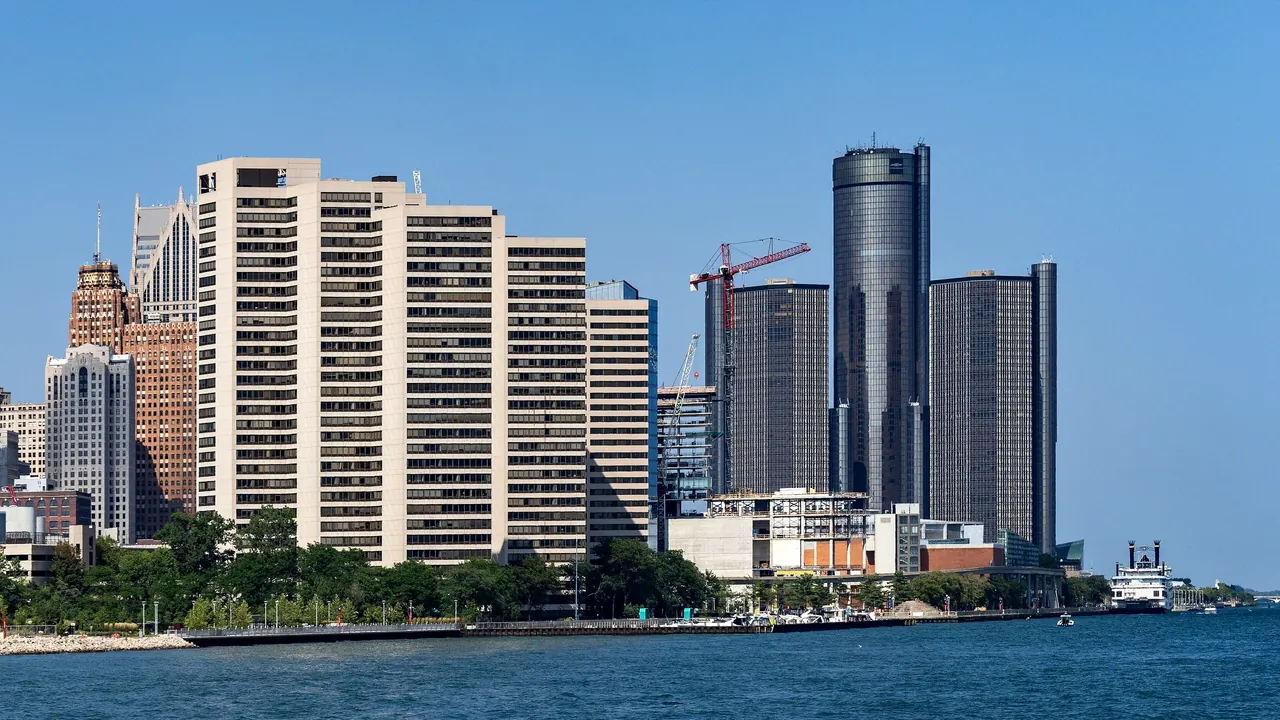
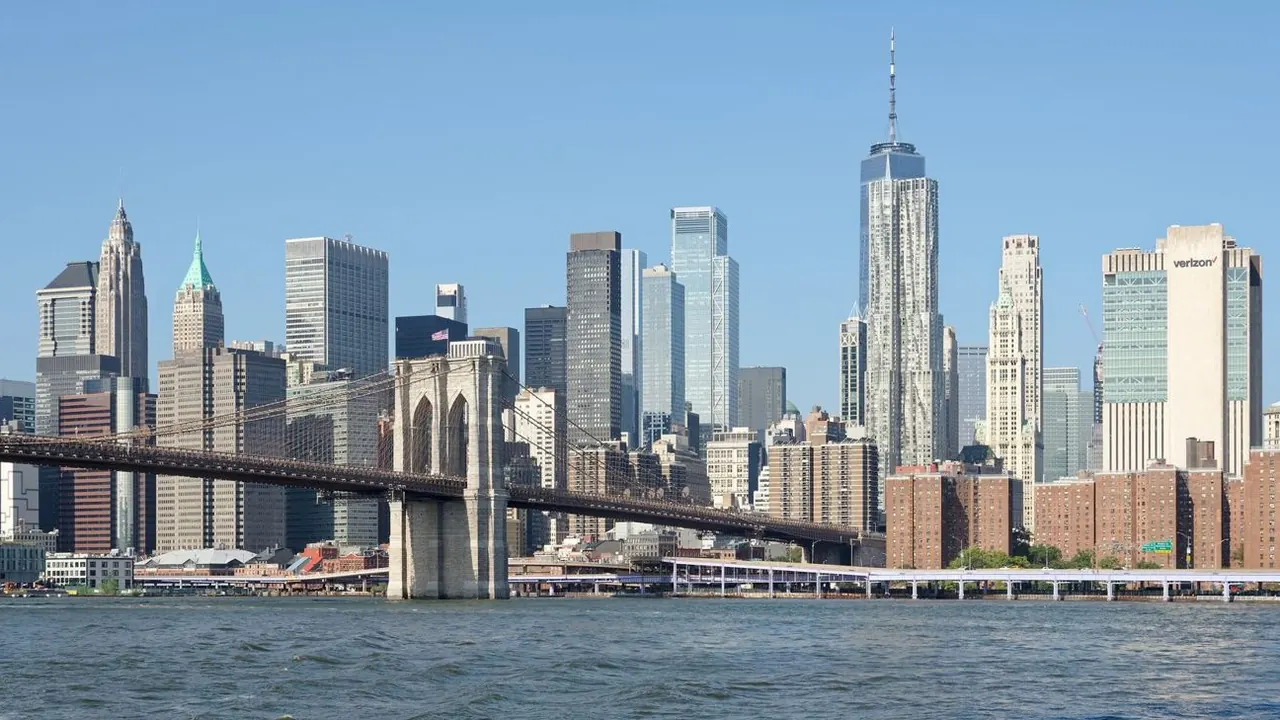
Photos: Detroit by Chris Woodrich, CC BY-SA 4.0, cropped; New York by Jakub Hałun, CC BY 4.0, cropped.
Detroit or New York?
Our verdict in twelve categories, each scored against the same fixed benchmark cities, and the climate month by month, so you can choose for your trip.
Choose Detroit for
- prices
Detroit suits a traveller who wants a city with a strong character of its own at a gentler cost: the Diego Rivera murals and the Henry Ford collections, the Motown and techno stories, Coney dogs and the Arab American bakeries of Dearborn. It works best with a car and a clear list of what you want to see, because the good things are spread out and much of the city in between is empty.
Choose New York for
- shopping
- getting around
- nightlife
New York is the stronger choice for almost everything else. Its food, performance, shopping and nightlife are among the deepest anywhere, and the subway lets you reach all of it without a car. The price is the catch. It costs far more than Detroit, so it pays off best for a traveller who will use what it offers from morning until late at night.
Scoreboard
Twelve categories on one fixed scale from 0 to 100. The shaded stretch is the gap between the two.
Your match
Pick a travel style or drag the sliders, and both match scores follow your weighting.
Wins on prices with your weighting.
Wins on shopping and getting around with your weighting.
What matters to you?
Category by category
What the scores mean for a trip.
Beaches & swimming
Detroit's swimming is on fresh water. There is a small beach on Belle Isle, and Lake St. Clair Metropark has calm, shallow water about forty minutes' drive away. It makes a gentle summer afternoon, especially with small children.
New York has the better beaches, and they face the open ocean. Coney Island and the Rockaways are at the end of subway lines, with a boardwalk, amusement rides and surf, and Jones Beach is about an hour away by train. In both cities the water is warm enough only from about July to early September, but New York's beaches are larger, livelier and easier to reach without a car.
Food & drink
Detroit eats better than its size suggests. Alongside Coney dogs and thick square pizza, the range comes from its communities: Lebanese and Yemeni grills and bakeries in Dearborn, Mexicantown on the south-west side and the Polish bakeries of Hamtramck. Its weak points are thin fine dining and how far apart the good meals are, so many of them mean a drive.
New York is clearly ahead. Almost every cuisine is cooked by the community it came from, from Flushing to Jackson Heights to Arthur Avenue, and the city has one of the world's leading fine-dining scenes as well. Its everyday classics, thin folding slices, bagels and deli pastrami, are within a short walk of most places you might stay.
Culture & sights
Detroit has one world-class museum, the Detroit Institute of Arts, where Rivera's Detroit Industry murals fill a whole courtyard. The Henry Ford museum and Greenfield Village in Dearborn make a strong second day, and the Motown Museum is worth seeing. The Guardian and Fisher buildings are fine Art Deco interiors, though the streets between the sights can be dull.
New York has far more to see. The Met, MoMA, the Guggenheim, the Natural History museum and the Cloisters could fill a week on their own. The landmarks visitors know from films and photographs are all there, from Ellis Island to the Chrysler Building, and the streets of SoHo and the Lower East Side are full of history between one sight and the next.
Nightlife
Both cities have warehouse parties, but they work on very different scales. Detroit is where techno began, and its small clubs and after-hours events take the music seriously. Outside the Memorial Day weekend festival, though, the scene is thin and scattered, and weeknights are quiet.
New York goes on all night, every night. You can drink in East Village dives, West Village wine bars and Midtown rooftops, and Bushwick and Williamsburg have dance floors that keep going until after sunrise. Late trains run all night, so you don't need taxis between neighbourhoods.
Nature & outdoors
Both cities have a large park designed by Frederick Law Olmsted, Belle Isle in Detroit and Central Park in New York, and both have waterfront paths for walking and cycling. Detroit's surroundings are flat, with metroparks, wetlands and paddling on Lake St. Clair, all of which need a car.
New York has more to offer outdoors. The High Line and Brooklyn Bridge Park add long city walks, Jamaica Bay is a major spot for birdwatching, and a train up the Hudson reaches steep, rocky climbs at Breakneck Ridge in about ninety minutes.
Day trips
From Detroit, the day trips are pleasant small places: Ann Arbor's university town, the Bavarian-themed Frankenmuth, the art museum in Toledo, or a short hop across the river to Windsor in Canada with a passport. Nearly all of them need a car.
New York has better day trips, and most can be done by train. Philadelphia's colonial old town is about an hour and a half away, Princeton and New Haven are easy, and up the Hudson there are Gilded Age estates, Dia Beacon and the sculptures at Storm King.
Good for families
Detroit has good outings for children, including the large Detroit Zoo and the steam trains and horse-drawn rides at Greenfield Village. Each one is a separate drive, though, and in winter there is much less to do outdoors.
New York has more, and it is closer together. The dinosaur halls at the Natural History museum, the Bronx Zoo, the aquarium at Coney Island and the free Staten Island Ferry all make easy days out. The hard parts are subway stairs with a pushchair and small hotel rooms, so staying near a park makes a real difference.
Getting around
In Detroit, the People Mover and the QLine streetcar cover downtown, Midtown and New Center, and those areas are easy on foot. Beyond them the avenues are wide and the buses slow, so Dearborn, the zoo and most day trips mean driving or ride-hailing.
New York is one of the few American cities where you never need a car. Manhattan's grid is easy to walk, and the subway runs around the clock across four boroughs. Its weak points are the express and local lines, which take getting used to, and slow journeys to and from the airports.
Shopping & style
Shopping in Detroit is mainly for local things: Detroit-made watches and leather goods in Midtown and Corktown, crafts at Eastern Market, and Middle Eastern sweets in Dearborn. For big-name brands you have to drive to a suburban mall.
New York has nearly every kind of shopping. There are the Fifth Avenue flagships, Madison Avenue luxury and the department stores at Herald Square, plus independent boutiques in Nolita and vintage clothes and records in Greenpoint. It can fill several afternoons.
Affordability
Detroit is much cheaper. Its hotel rooms cost well below the big-city norm, and Coney dogs, pizza and Dearborn grills are good value. In both cities, tips and sales tax are added on top, and in Detroit you will usually pay for a hire car and parking as well.
New York is among the most expensive cities in the world to visit, especially for Manhattan rooms in autumn and December. A careful visitor can still cut costs with slices and food carts, free parks and ferries, and by staying in Queens or Brooklyn.
Live music & performing arts
Detroit is a genuinely good city for music. The symphony plays in the admired Orchestra Hall, and touring shows play at the Fox and Fisher theatres. Jazz, soul and Motown-rooted bands play in small venues most nights, and the free jazz festival fills downtown over Labor Day weekend.
New York is the stronger choice. Broadway, the Met Opera, the Philharmonic, City Ballet and Carnegie Hall are all in one city, with Village jazz basements, Harlem gospel and Brooklyn stages around them. Detroit's local theatre is limited, while New York has Off-Broadway as well.
Wellness & relaxation
Detroit has no bathing tradition. A quiet day there means a hotel spa or a slow walk round Belle Isle.
New York has more for anyone who wants to unwind. There is the old Russian and Turkish bathhouse in the East Village, banyas in Brighton Beach and large Korean-style spas a short trip away. Its gardens at the Cloisters and in Brooklyn are calm, but noise and crowds are never far off.
When should you go?
Pick your month. The climate figures are measured averages, not a forecast.
Detroit in July
New York in July
Daytime high, °C
Rainfall in the month, mm
Temperature and rainfall are climate normals, averaged over the years shown. Detroit: 1991-2020 (sunshine 1981-2010) normals, Detroit / Hamtramck (9.2 km from centre). New York: 1991-2020 normals, LaGuardia Airport (12.9 km from centre).
Detroit is at its best from late May to September. July reaches about 29°C, and by August Lake St. Clair warms to around 23°C, so July and August are the months for a swim. Summer is also the sunniest time, with long bright days, while the dull stretch runs from November to February. January sits near -1°C, and outdoor plans mostly give way to museums and music. Rain falls fairly evenly all year, a little heavier in spring and July.
New York follows a similar summer pattern. July is around 30°C, hot enough to make long days on the pavements tiring, and the Atlantic is warm enough for swimming in July and August. Winter is milder than in Detroit, about 5°C in January, which is cold but still fine for walking between museums. New York has a little more rain through the year. In both cities, May, June, September and October are the best months for walking.
Which traveller are you?
On a trip on a tight budget, Detroit is the easier city. Hotel rooms and casual meals cost far less than in New York. You will probably need a hire car, but even with one, a week costs less than a few nights in Manhattan.
On a food and nightlife trip, New York lets you put an evening together as you go: dinner in Flushing or Chinatown, then a bar, a show and a late train home. Detroit rewards planning instead, such as a Dearborn dinner and a techno night, with taxis in between.
For a short city break, New York gets more out of two or three days. The landmarks, museums and theatres are close together, and the subway runs all night. In Detroit, a short stay loses too much time to driving between places.
Before you go
| Measure | Detroit | New York |
|---|---|---|
| Currency | US Dollar (USD) | US Dollar (USD) |
| Sockets | AB120 V, 60 Hz | AB120 V, 60 Hz |
| Driving side | Right | Right |
| Time zone | UTC-5, UTC-4 in summer | UTC-5, UTC-4 in summer |
| Emergency number | 911 | 911 |
| Elevation | 183 m | 25 m |
| Main airport | Detroit Metropolitan Wayne County Airport (DTW)28 km from centre129 non-stop destinations | John F. Kennedy International Airport (JFK)21 km from centre189 non-stop destinations |
| Public holidays this year | 13 days | 13 days |
By the numbers
| Measure | Detroit | New York |
|---|---|---|
| City population | 639,111 | 8,804,190 |
| People per km² | 1,727 | 7,256 |
| Museums within 10 km | 18 | 161 |
| UNESCO World Heritage sites within 50 km | 0 | 2 |
| Swim season, months above 21 °C | 2 months | 3 months |
Where else could you go?
Every comparison below shares a destination with this one, so you can follow Detroit or New York somewhere new.
- Philadelphiavs New York
- Atlantic Cityvs New York
- Cape Mayvs New York
- Rehoboth Beachvs New York
- Newport, Rhode Islandvs New York
- Bethany Beachvs New York