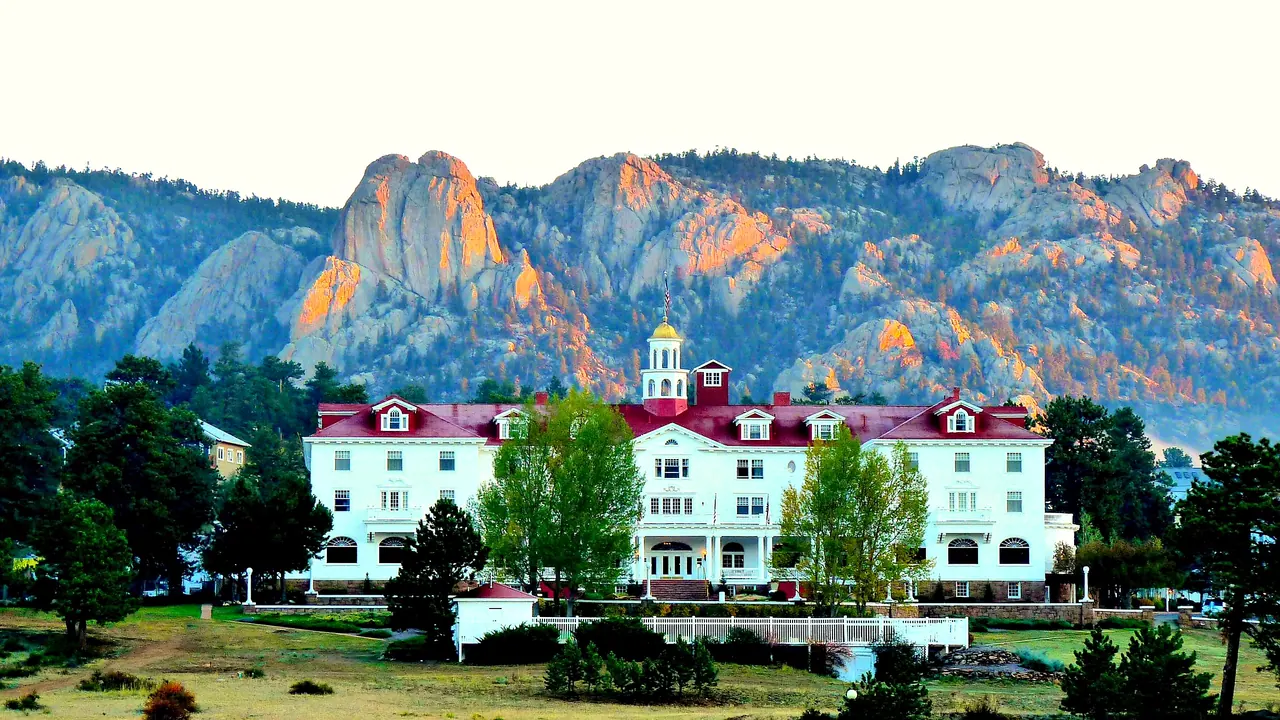
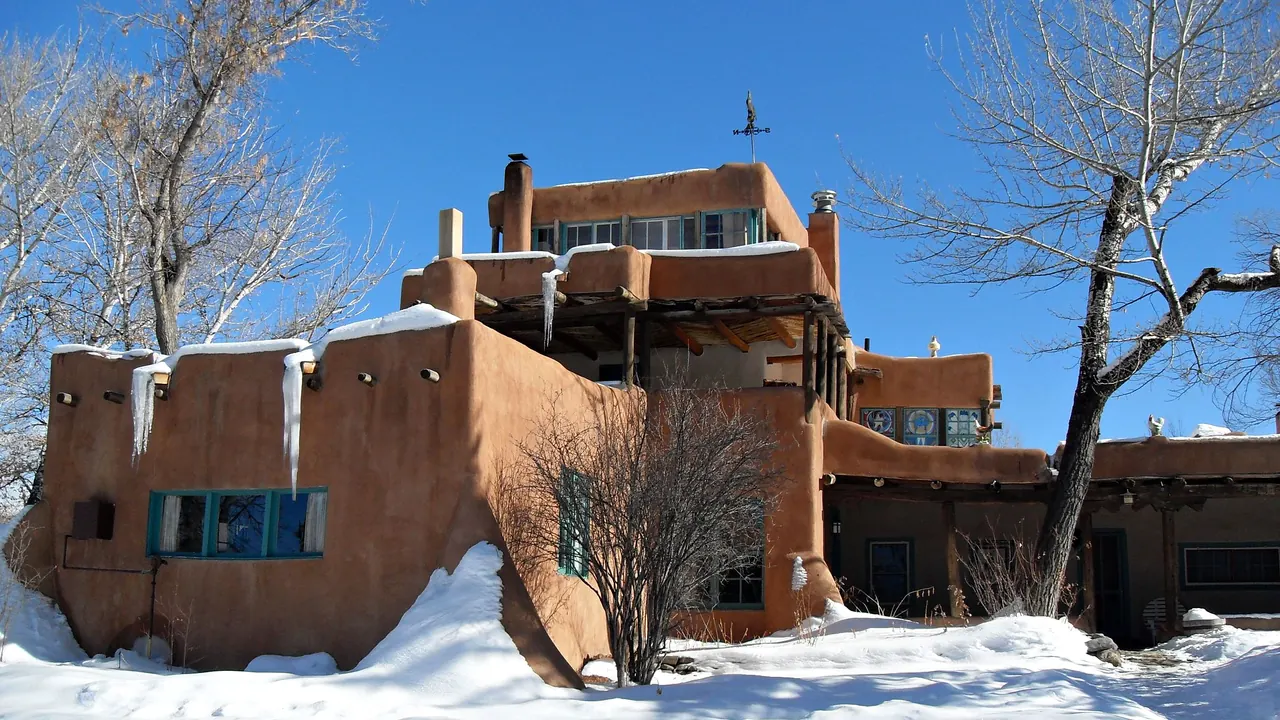
Photos: Estes Park by 1progressivedem1, CC BY-SA 4.0, cropped; Taos by PhictureGal, CC BY-SA 3.0, cropped.
Estes Park or Taos?
Our verdict in twelve categories, each scored against the same fixed benchmark cities, and the climate month by month, so you can choose for your trip.
Choose Estes Park for
- families
- getting around
- nature and the outdoors
Estes Park is the choice when the mountains themselves are the trip. Rocky Mountain National Park starts at the edge of town, elk walk the streets, and summer shuttles take you to the Bear Lake trailheads without the parking battle. Families with children who like the outdoors will find it easier to manage than Taos, and hikers get more trail and more wildlife. The town has little else to offer, and evenings are early and quiet.
Choose Taos for
- culture and sights
- wellness
- day trips
Taos gives a trip more layers. Taos Pueblo, the adobe church at Ranchos and the old art-colony houses give it a living history that Estes Park cannot match. Add the chile-based cooking, the galleries and crafts, and hot springs within an easy drive, and it suits adults who want landscape, culture and slow days together. Winter brings serious skiing too. Expect to drive more, from the airport and to every sight.
Scoreboard
Twelve categories on one fixed scale from 0 to 100. The shaded stretch is the gap between the two.
Your match
Pick a travel style or drag the sliders, and both match scores follow your weighting.
Wins on families and getting around with your weighting.
Wins on culture and sights and wellness with your weighting.
What matters to you?
Category by category
What the scores mean for a trip.
Beaches & swimming
Both are high, landlocked mountain towns, so neither can offer a beach. In Estes Park the snowmelt lakes are for paddling and fishing, and the town's indoor aquatic centre is the place for a proper swim. In Taos the Rio Grande is for rafting, and in warm weather a hot spring soak does the job a swim would do elsewhere.
Food & drink
Taos has a cuisine of its own, and Estes Park mostly does not. Northern New Mexican cooking, with red or green chile on enchiladas, posole and carne adovada, horno bread from the Pueblo and blue-corn dishes, makes meals part of the reason to come.
Estes Park feeds hikers well with barbecue, elk and bison burgers, big breakfasts and taffy from Elkhorn Avenue. But the choice is narrow, and quality varies along the main strip. Many kitchens also close early or cut back outside summer, so serious dining means driving down to Boulder.
Culture & sights
On culture the two towns are far apart. Taos has Taos Pueblo, a UNESCO-listed adobe village that has been lived in for about a thousand years. It also has the buttressed San Francisco de Asís church painted by O'Keeffe, and a set of art-colony museums and historic homes that fill two or three unhurried days.
Estes Park's one famous sight is the Stanley Hotel, the inspiration for The Shining, which is worth a tour for its ghost stories. Add the local museum and the MacGregor Ranch, and you have a rainy afternoon rather than a reason to come.
Nightlife
Both towns go quiet soon after dinner, and neither has clubs. In Estes Park the evening means a brewery taproom or saloon bar on Elkhorn Avenue, full of people who will be up at dawn. Taos has a little more character, with margaritas in old adobe hotel bars, a saloon with a live band and, in winter, the après-ski crowd up at the ski valley.
Nature & outdoors
Both are serious outdoor bases, but Estes Park has the edge because a whole national park starts at the edge of town. Trail Ridge Road climbs onto the alpine tundra, and trails lead to Bear, Dream and Emerald lakes and up towards Longs Peak. Elk, bighorn sheep and moose are part of an ordinary day.
Taos offers a different kind of landscape: high desert, sagebrush and the deep Rio Grande gorge set against the Sangre de Cristo range. You can raft the Taos Box in spring, walk the gorge rim or climb Wheeler Peak, New Mexico's highest summit. It also has what Estes Park lacks, demanding winter skiing about half an hour away.
Day trips
Taos has the richer choice of day out. The High Road to Santa Fe passes through old adobe villages such as Truchas and Las Trampas and the shrine at Chimayó. Abiquiu and Ghost Ranch lead into O'Keeffe country, and Bandelier's cliff dwellings make a long but worthwhile day.
From Estes Park the outings are to the cities on the plains: Boulder and its Flatirons, Fort Collins' Old Town and breweries, and Denver's museums. In summer you can also drive over Trail Ridge Road to Grand Lake. These are pleasant trips, not memorable ones. Either way you will need a car.
Good for families
Estes Park makes things easier for parents. Children see elk grazing in town and can join junior ranger activities. Walks around Sprague and Bear lakes are short and flat, and the tramway, go-karts and mini golf are close by in a small, manageable centre.
Taos has good things for children too: the ski school in winter, gentle float trips on the Rio Grande, and a recreation centre with a pool. But nothing there is built for children, and every outing starts with a drive. In both towns the altitude can tire small children for the first day or two.
Getting around
Estes Park is the easier of the two without your own car. The centre along Elkhorn Avenue and the Riverwalk is compact, and in the warmer months free shuttles run to lodgings and the Bear Lake corridor of the park. Denver is about an hour and a half away by road.
Taos is spread across a wide valley, with the Pueblo, Ranchos, the gorge bridge and the ski valley all some distance apart. Only a basic bus links parts of town. Most visitors also drive about two and a half hours from Albuquerque, so a hire car is part of the trip from the start.
Shopping & style
Taos is worth shopping in if you like art and craft. Galleries around the plaza and Kit Carson Road sell landscape painting and contemporary work, alongside turquoise jewellery, micaceous pottery, Rio Grande weaving and santos, and you can buy directly from the makers at the Pueblo.
Estes Park's Elkhorn Avenue is mostly T-shirts, taffy, western wear and outdoor gear. A few galleries sell wildlife photography. An hour covers it.
Affordability
Taos is somewhat easier on the budget. Its simple motels and New Mexican diners are fairly priced, and resort rates apply mainly to historic inns and ski-valley lodging. Spring and late autumn, between the ski and summer seasons, cost least.
Estes Park is expensive in summer and early autumn, when demand from visitors to the national park pushes up rates. Winter and spring rooms are much cheaper, and cabins with kitchens help families. In both towns a hire car adds to the total.
Live music & performing arts
Taos has more worth attending. At Taos Pueblo, traditional dances on feast days such as San Gerónimo in late September can be watched under strict rules. A summer chamber music festival and a community arts centre add classical concerts, theatre and film.
Estes Park's calendar is mostly summer: free concerts at the riverside performance park, ghost-story evenings at the Stanley Hotel and the Scottish-Irish Highland Festival with its pipe bands each September.
Wellness & relaxation
Taos is the clear choice for a restorative stay. Ojo Caliente's outdoor pools, each fed by a different mineral water, are about fifty minutes away. Primitive hot springs sit beside the Rio Grande at the bottom of the gorge, and the town has yoga studios and retreat centres.
Estes Park has no hot springs and only a few lodge spas. Its version of rest is a riverside cabin, mountain air and elk at dusk, and it works best outside the summer crowds.
When should you go?
Pick your month. The climate figures are measured averages, not a forecast.
Estes Park in July
Taos in July
Daytime high, °C
Rainfall in the month, mm
Where the figures come from
Estes Park's temperatures are measured 80 km from the centre, at Kremmling.
Estes Park has no rain gauge within 25 km of the centre, so its rainfall comes from a gridded climate dataset read at the city rather than from a gauge further away.
Taos has no rain gauge within 25 km of the centre, so its rainfall comes from a gridded climate dataset read at the city rather than from a gauge further away.
Temperature and rainfall are climate normals, averaged over the years shown. Estes Park: 2006-2025 (rainfall 1991-2020) normals, Kremmling (80.4 km from centre). Taos: 2006-2020 (rainfall 1991-2020) normals, Taos / Los Cordovas (10.5 km from centre).
Neither town is a beach destination, so the question is when walking and hiking feel good. In Estes Park, winter daytime highs often stay below freezing, around -4°C in January, so it is a snowshoe and fireside season. Spring warms slowly, and the best stretch runs from June to September, when afternoons reach the high twenties. July is also the wettest month, at about 50mm, mostly from short afternoon thunderstorms, so start hikes early. September stays warm and settled for the aspens and the elk rut.
Taos is milder and drier through most of the year. Winter highs sit a few degrees above freezing, about 4°C in January, and spring arrives earlier, with April and May noticeably warmer and drier than in Estes Park. Summer peaks at around 29°C in both towns, but in Taos the storms come later, with August the wettest month at about 47mm. October holds on longer in Taos, so it is the better choice for a late-autumn trip.
Which traveller are you?
For a culture and arts trip, Taos is clearly the better pick. Taos Pueblo, still lived in after a thousand years, the Ranchos church, the art-colony museums and the gallery lanes fill several days. Estes Park has little beyond the Stanley Hotel.
On a family trip with young children, Estes Park is easier. Elk in town, junior ranger programmes, flat lake walks, the Prospect Mountain tramway, mini golf and a compact riverside centre keep children busy. In Taos, almost every outing means a long drive.
On a relaxing and wellness trip, Taos is the better base. The mineral pools at Ojo Caliente and the primitive springs down in the Rio Grande gorge give it real bathing. Its retreat centres and the quiet of the plateau help too. Estes Park offers calm but few ways to soak.
Before you go
| Measure | Estes Park | Taos |
|---|---|---|
| Currency | US Dollar (USD) | US Dollar (USD) |
| Sockets | AB120 V, 60 Hz | AB120 V, 60 Hz |
| Driving side | Right | Right |
| Time zone | UTC-7, UTC-6 in summer | UTC-7, UTC-6 in summer |
| Emergency number | 911 | 911 |
| Elevation | 2,293 m | 2,124 m |
| Main airport | Denver International Airport (DEN)92 km from centre231 non-stop destinations | Santa Fe Municipal Airport (SAF)99 km from centre5 non-stop destinations |
| Public holidays this year | 12 days | 13 days |
By the numbers
| Measure | Estes Park | Taos |
|---|---|---|
| City population | 5,904 | 6,474 |
| People per km² | 335 | 415 |
| Museums within 10 km | 4 | 4 |
| UNESCO World Heritage sites within 50 km | 0 | 1 |
Where else could you go?
Every comparison below shares a destination with this one, so you can follow Estes Park or Taos somewhere new.
- Bouldervs Estes Park
- Winter Park, Coloradovs Estes Park
- Denvervs Estes Park
- Santa Fevs Taos
- Keystonevs Estes Park
- Breckenridgevs Estes Park