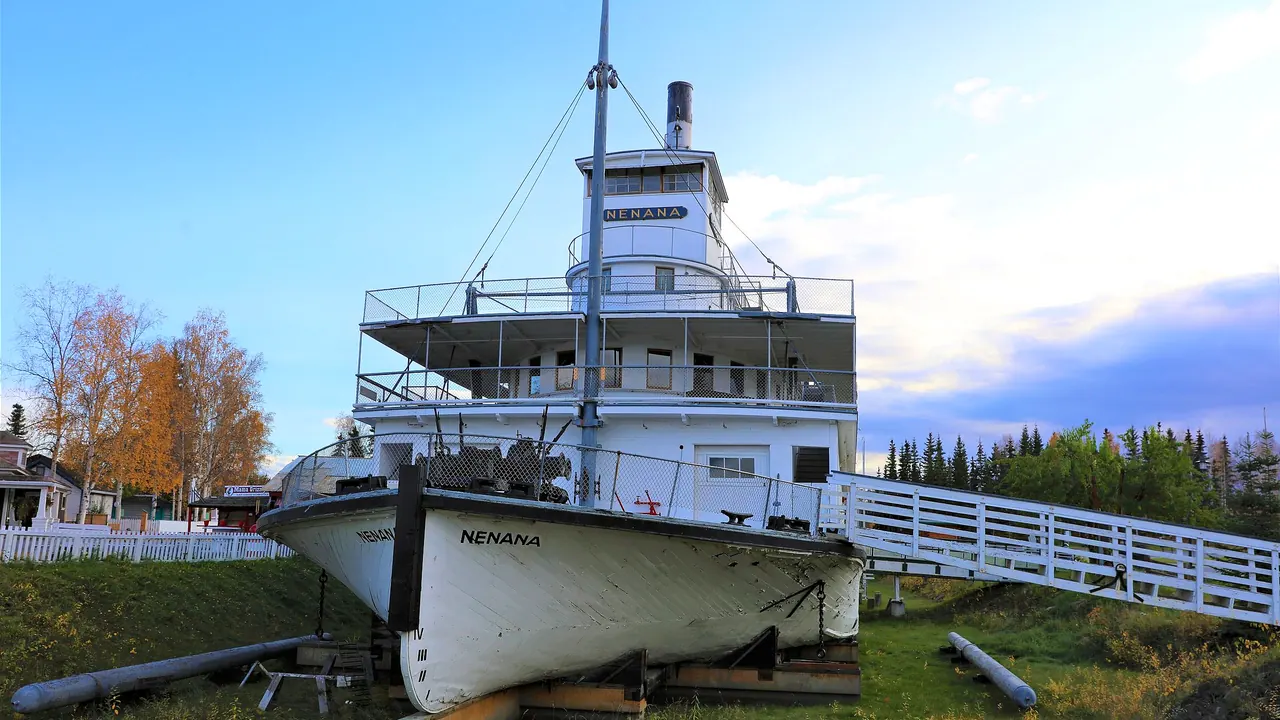
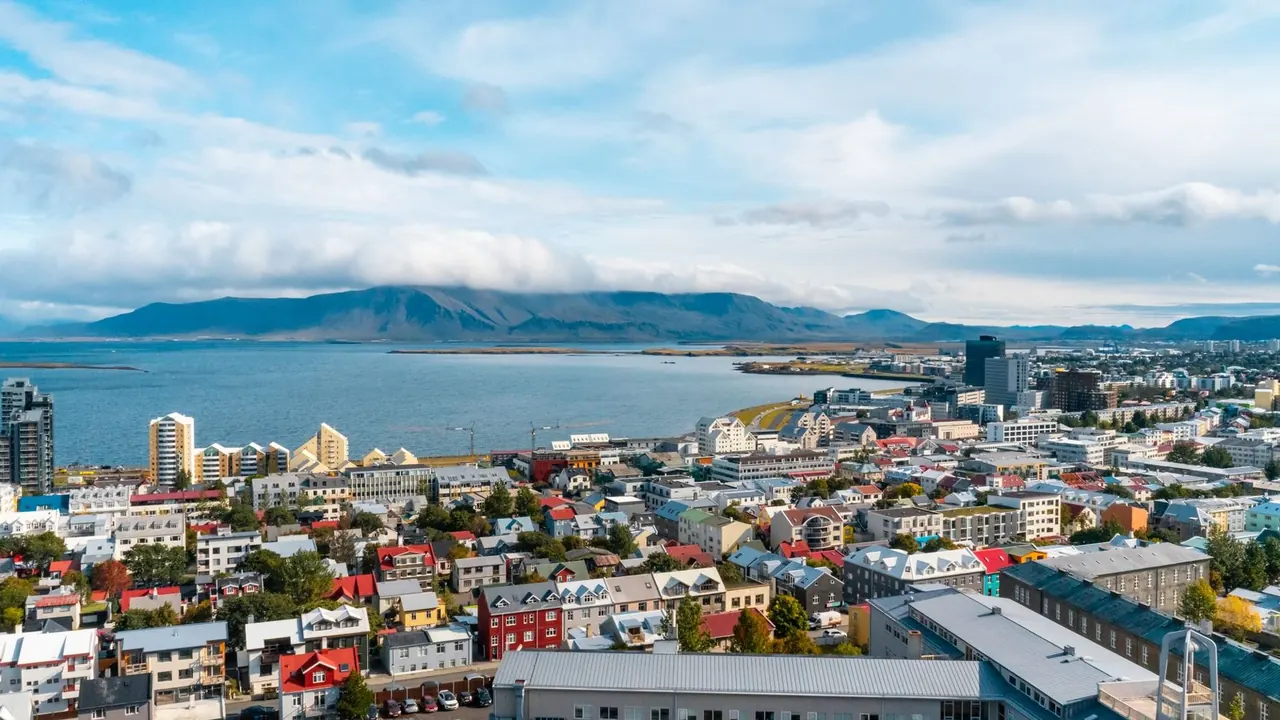
Photos: Fairbanks by Enrico Blasutto, CC BY-SA 4.0, cropped; Reykjavik by Atlantic Ambience, Pexels License.
Fairbanks or Reykjavik?
Our verdict in twelve categories, each scored against the same fixed benchmark cities, and the climate month by month, so you can choose for your trip.
Choose Fairbanks for
- prices
Fairbanks suits the traveller who wants deep Alaskan wilderness and the northern lights above all else. It sits right under the auroral oval, its winters are dry and clear, and the boreal forest, dog teams and Chena Hot Springs give a long, quiet, far-northern trip. It is not cheap, but it costs noticeably less than Iceland. In summer it adds properly warm days and a road or rail link to Denali. Expect to drive everywhere and to spend your evenings outdoors rather than in town.
Choose Reykjavik for
- getting around
- wellness
- nightlife
Reykjavik is the better all-round choice for most people. Iceland's landscape of geysers, waterfalls, glaciers and lava fields starts within an hour or two of the city, and the city itself has a walkable centre, a daily culture of geothermal pools, lively weekend bars and a real music scene. It is easier with children and easier without a car, but it is one of the most expensive places anyone can go, and the weather is changeable in every season.
Scoreboard
Twelve categories on one fixed scale from 0 to 100. The shaded stretch is the gap between the two.
Your match
Pick a travel style or drag the sliders, and both match scores follow your weighting.
Wins on prices with your weighting.
Wins on getting around and wellness with your weighting.
What matters to you?
Category by category
What the scores mean for a trip.
Beaches & swimming
Neither is a beach destination, and they offer different ways to get in the water. Fairbanks has freshwater swimming on warm summer afternoons, at the sandy area of Chena Lakes or at Harding Lake an hour south.
Reykjavik has the cold North Atlantic and a rocky, black-sand shore. Its one beach moment is a quick sea dip at Nauthólsvík, followed by the hot tub. For a proper swim, people use the heated outdoor pools.
Food & drink
Reykjavik eats better. Its kitchens cook local cod, Arctic char, langoustine, lamb and greenhouse vegetables in a pared-back Nordic style, and the cafés, bakeries and bistros around Laugavegur and the Old Harbour give you some choice, even if the range soon thins out.
Fairbanks keeps things hearty: salmon and halibut, reindeer sausage, sourdough pancakes and summer salmon bakes, with plenty of Thai restaurants and a few breweries. Beyond that, it is mostly diners and roadhouses.
Culture & sights
Both cities can be covered in a day or two, and in both the country around matters more than the town. The difference is in what you see. Fairbanks is about Alaska Native and gold-rush heritage: the Museum of the North on its ridge, Athabascan life at the Morris Thompson Center, and the pipeline just outside town, all in a plain, practical townscape.
Reykjavik offers striking modern buildings in Hallgrímskirkja and Harpa, Viking-age history at the Settlement Exhibition, and an old town of painted corrugated-iron houses around Tjörnin that is pleasant to walk.
Nightlife
Reykjavik has a real night out, though only at weekends. On Friday and Saturday the runtur moves through the small bars of Laugavegur and Bankastræti, which turn into dance floors after midnight and stay busy until the early hours.
Fairbanks offers brewery taprooms, saloons with pool tables and old dive bars, and no clubs at all. In winter, the night out usually means standing in the cold watching for the aurora.
Nature & outdoors
Both are outstanding, but Reykjavik has more variety within easy reach. In a day you can see the rift at Þingvellir, the Strokkur geyser, Gullfoss and the south-coast waterfalls, walk on a glacier at Sólheimajökull, cross the Reykjanes lava fields or take a boat out to see whales and puffins.
Fairbanks offers a different kind of wild: boreal forest, wide rivers, the tors at Angel Rocks and the White Mountains. It is also among the most reliable places on earth for strong aurora. Winter there means dog mushing in severe cold, and Denali works as an overnight trip.
Day trips
Reykjavik has more to aim for. Þingvellir, where the Viking-age parliament met, is the country's chief historic site, and the saga country around Borgarnes and Reykholt or the old wooden trading villages of Eyrarbakki make good stops on a scenic drive.
From Fairbanks, the places within reach are small: Christmas-themed North Pole, the river town of Nenana and a restored roadhouse at Big Delta. Most outings there head into the wilderness instead.
Good for families
Reykjavik is the easier choice with children. Its safe streets, light traffic and outdoor pools with slides and warm shallow ends make a daily treat in any weather, and Perlan's ice cave and the farm animals at Laugardalur fill a spare afternoon.
Fairbanks has memorable moments of its own: musk oxen and reindeer at the research station, meeting sled-dog teams, and the little train at Pioneer Park. But every trip means a drive, and winter aurora nights in deep cold are hard on young children.
Getting around
In Reykjavik you can manage on foot. Hallgrímskirkja, Laugavegur, Tjörnin and the Old Harbour are all within a half-hour walk, and the yellow buses reach the pools and Perlan. A car or a tour is only needed for the countryside.
Fairbanks is built around highways and strip developments, and only its small downtown is pleasant on foot. The buses are thin, so almost everyone rents a car, which in winter means icy roads, darkness and plugging in the engine heater overnight.
Shopping & style
Neither is a shopping destination, but Reykjavik gives you a better afternoon. Laugavegur and Skólavörðustígur have hand-knitted lopapeysa sweaters, lava-stone and fish-leather design, record shops and a weekend flea market in the old harbour warehouse.
In Fairbanks, the thing worth buying is Alaska Native beadwork, birch-bark baskets and carvings, from the cultural centre or the museum shop. The rest is cold-weather gear, fur hats and big-box stores.
Affordability
Both are costly, but Fairbanks will stretch a budget further. Food and summer hotels there cost more than in most of the United States, and aurora tours and dog sledding add up. Winter rooms outside the busiest aurora weeks are easier on the wallet, and the museums are modestly priced.
Reykjavik is among the most expensive places anywhere. Even simple guesthouses and plain meals cost a lot, and so do alcohol, car hire and tours. Cheap pools, supermarkets and self-catering help, but only a little.
Live music & performing arts
Reykjavik has much more to attend. The Iceland Symphony Orchestra and opera perform at Harpa, local bands play small venues most weekends, and Iceland Airwaves fills the centre in late autumn.
Fairbanks has a community scene: occasional symphony and light opera, Shakespeare outdoors in summer, and two distinctive traditions in the Festival of Native Arts and November's Athabascan fiddle festival. Most evenings, though, there is nothing in particular on.
Wellness & relaxation
Reykjavik makes bathing a daily ritual. Every neighbourhood has a geothermal pool with hot tubs, a cold plunge and steam, with Laugardalslaug and Vesturbæjarlaug the best known, and the Blue Lagoon is on the way to the airport.
Fairbanks has one remarkable soak: the outdoor rock pool at Chena Hot Springs, an hour and a half away, best on a frozen night with the aurora overhead and an overnight stay. The town itself has little more than hotel saunas.
When should you go?
Pick your month. The climate figures are measured averages, not a forecast.
Fairbanks in July
Reykjavik in July
Daytime high, °C
Rainfall in the month, mm
Temperature and rainfall are climate normals, averaged over the years shown. Fairbanks: 1991-2020 normals, Fairbanks Airport (8.3 km from centre). Reykjavik: 1991-2020 normals, Reykjavik (2.3 km from centre).
The two cities have very different years. Fairbanks has a continental climate: June to August brings warm days of up to about 23°C and light around the clock, and July is the wettest month. From November to March it is bitterly cold, with January highs near -17°C and much colder nights. These are the dry, clear months for aurora watching, but they are hard going for anyone who isn't dressed for deep cold. April, May and September are short changes of season.
Reykjavik stays mild and damp all year. Highs run from about 3°C in winter to only 15°C in July. The rain is heaviest from September to February, peaking near 97mm in December, and the darkest months bring very little sun. May and June are the sunniest and driest, so late spring and summer are the best time for walking and driving. The sea never gets above about 11°C, so swimming happens in the heated pools.
Which traveller are you?
On a trip on a tight budget, Fairbanks is the less painful choice. It is still expensive because so much is shipped in, but it costs less than Reykjavik, where guesthouses, plain meals and tours all cost far more than almost anywhere else.
For a relaxing and wellness trip, Reykjavik is the clear pick. Every neighbourhood has a geothermal pool with hot tubs, and the Blue Lagoon is close to the airport. Fairbanks has one great soak at Chena Hot Springs, and it is a long drive away.
For a short city break, choose Reykjavik. Its compact centre puts Hallgrímskirkja, Harpa, the Old Harbour and the bars of Laugavegur within walking distance. Fairbanks is spread out along highways, needs a hire car and has little to fill a weekend in town.
Before you go
| Measure | Fairbanks | Reykjavik |
|---|---|---|
| Official language | - | Icelandic |
| Currency | US Dollar (USD) | Iceland Krona (ISK) |
| Sockets | AB120 V, 60 Hz | CF230 V, 50 Hz |
| Driving side | Right | Right |
| Time zone | UTC-9, UTC-8 in summer | UTC |
| Emergency number | 911 | 112 |
| Elevation | 137 m | 8 m |
| Main airport | Fairbanks International Airport (FAI)7 km from centre15 non-stop destinations | Keflavik International Airport (KEF)37 km from centre88 non-stop destinations |
| Public holidays this year | 12 days | 16 days |
By the numbers
| Measure | Fairbanks | Reykjavik |
|---|---|---|
| City population | 32,515 | 138,772 |
| People per km² | 386 | 569 |
| Museums within 10 km | 2 | 23 |
| UNESCO World Heritage sites within 50 km | 0 | 1 |
| Swim season, months above 21 °C | - | None |
Where else could you go?
Every comparison below shares a destination with this one, so you can follow Fairbanks or Reykjavik somewhere new.