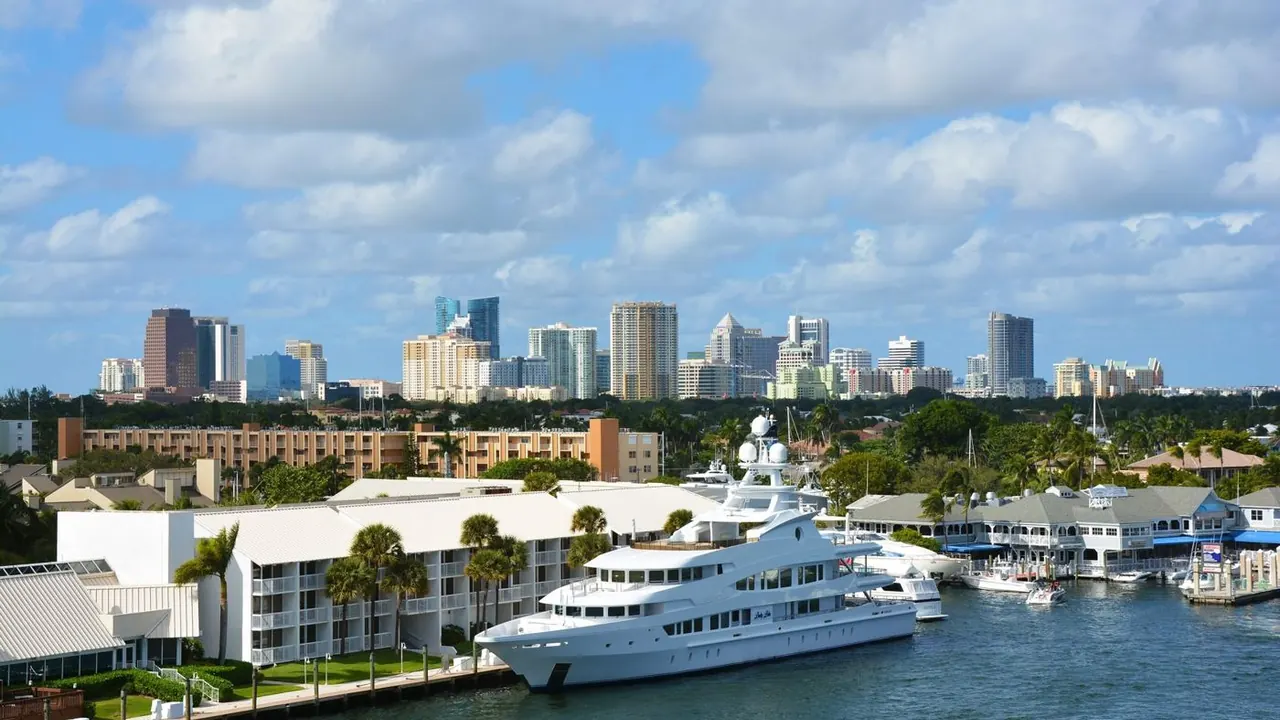
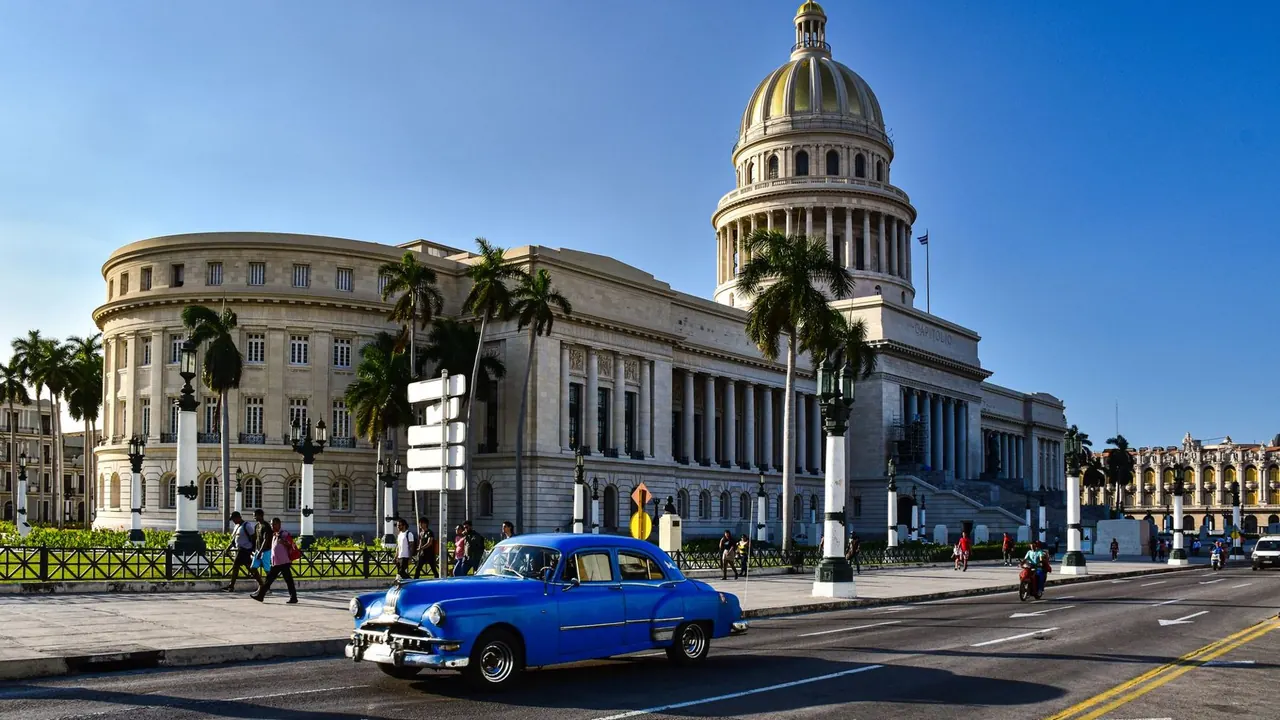
Photos: Fort Lauderdale by KeanoManu, CC BY-SA 4.0, cropped; Havana by AXP Photography, Pexels License.
Fort Lauderdale or Havana?
Our verdict in twelve categories, each scored against the same fixed benchmark cities, and the climate month by month, so you can choose for your trip.
Choose Fort Lauderdale for
- families
- nature and the outdoors
- beaches
Fort Lauderdale is the choice when the trip is built around the sea. A long lifeguarded beach sits right in town, the water is easy for children, and canals, reefs and the edge of the Everglades fill the days around it. It suits families, divers and anyone who wants a slow, sunny week with Miami close by for an evening out. Just don't expect much in the way of museums or old streets.
Choose Havana for
- culture and sights
- live music and the arts
- prices
Havana rewards travellers who come for the place itself. The colonial squares of Habana Vieja, the art deco streets of Vedado and live music on almost every corner give it a depth of history and performance that Fort Lauderdale cannot offer. Staying in private homes keeps it far cheaper too. In exchange you get a city beach half an hour away, basic comforts and patchy supplies, so it suits curious adults and older children better than a family wanting an easy beach week.
Scoreboard
Twelve categories on one fixed scale from 0 to 100. The shaded stretch is the gap between the two.
Your match
Pick a travel style or drag the sliders, and both match scores follow your weighting.
Wins on families and nature and the outdoors with your weighting.
Wins on culture and sights and live music and the arts with your weighting.
What matters to you?
Category by category
What the scores mean for a trip.
Beaches & swimming
Fort Lauderdale has the stronger beach by a long way, because the sand is the town. A broad, lifeguarded strip runs along the palm-lined promenade, and there is shore snorkelling at Lauderdale-by-the-Sea and quieter stretches further north and south, all within easy reach of your hotel.
Havana's seafront is the rocky Malecón, so swimming means a taxi half an hour east to the Playas del Este. The white sand and clear water there are lovely, and weekends have a cheerful local feel, but there is only basic shade and food stalls, and it works as a day off rather than a base.
Food & drink
Fort Lauderdale eats a little better, mainly thanks to dockside seafood shacks on the Intracoastal, winter stone crab and the Jamaican, Haitian and Cuban cooking in the western suburbs. Neither city is a food destination, and Miami is the escape for a serious dinner.
Havana's strength is the bar rather than the kitchen. Inventive paladares in old mansions and on rooftops are the highlight, but the menu depends on what the kitchen has managed to get. The daiquiris, mojitos, aged rum and strong coffee are the more memorable part.
Culture & sights
There is no contest here. Havana's UNESCO-listed old town, with its four great squares, baroque churches and harbour fortresses, along with the art deco stock of Centro and Vedado, gives you days of walking through history, some of it restored and some of it crumbling in plain view.
Fort Lauderdale is a young city whose sights are the Bonnet House estate, the Stranahan trading post and a modern art museum on Las Olas. They make a pleasant afternoon, but the city's character lies in its water, not its buildings.
Nightlife
Havana has the livelier nights, and they are built around dancing. Locals fill the Vedado salsa clubs, the old town bars pour rum late, and the Malecón becomes an open-air gathering on warm evenings. Expect taxis between neighbourhoods and little polish.
Fort Lauderdale's evenings are beach bars on A1A, the young crowd on Himmarshee Street and terrace wine bars on Las Olas. Its real distinction is Wilton Manors, one of the country's best-known gay neighbourhoods. For clubbing, both cities fall short, and Fort Lauderdale's crowd heads to Miami.
Nature & outdoors
Fort Lauderdale offers far more to do outdoors, almost all of it on water. You can paddle the canals and the Intracoastal, dive reefs and sunken wrecks close to shore, or go sport fishing offshore, and the sawgrass and alligators of the Everglades are less than an hour inland.
In Havana, the outdoors mostly means the sea wall at sunset and the shady Almendares park. Real landscape starts with the forest trails and river pools of Las Terrazas, about an hour west, and Viñales is too far for a casual outing.
Day trips
Fort Lauderdale is better placed for easy excursions. Miami's Art Deco district, Wynwood and Little Havana are under an hour away by fast train, Palm Beach's Flagler Museum lies up the coast, and Key Largo is a long but feasible day.
From Havana, the easy outings are Hemingway's Finca Vigía, Cojímar and the theatre town of Matanzas. Cuba's best places, Trinidad, Cienfuegos and Viñales, really need overnight stays, and without good public transport you will be hiring a driver or joining a tour.
Good for families
Fort Lauderdale is much easier with children. It has calm, warm water with lifeguards and showers, a good science museum with an aquarium, a butterfly aviary and airboat rides, and everything from nappies to familiar food is easy to buy. The main drawbacks are summer storms and needing a car.
Havana greets children with real warmth, and the aquarium, cannons at the fortresses and classic-car rides are fun. But the uneven pavements, heavy heat and unreliable supplies make it better suited to older children curious about music and history than to toddlers.
Getting around
Neither city is easy to get around, but they are awkward in different ways. In Fort Lauderdale, the beach, Las Olas and downtown are linked by water taxis and free trolleys, while everything else means wide roads, slow buses and usually a hire car.
Havana edges ahead for a visitor without a car. The old town is compact enough to walk, and the Malecón carries you on foot to Vedado. Beyond that, you rely on classic-car taxis, shared almendrones and bicycle rickshaws, agreeing the fare first and watching the broken pavements after dark.
Shopping & style
Fort Lauderdale is the better place to shop in the ordinary sense. Las Olas Boulevard has boutiques and resort wear for an easy afternoon, and the huge outlet mall in Sunrise draws bargain hunters from abroad.
Havana has no fashion or department stores to speak of, and shelves can be bare. What it does have are things worth bringing home: cigars, aged rum, coffee and, best of all, original paintings and prints from studios in Habana Vieja and Vedado.
Affordability
Havana is the cheaper stay if you travel the local way. Casas particulares with breakfast, shared taxis, museum entry and live music all cost little. State hotels and the smarter paladares, though, charge international rates, and you will need cash because cards are unreliable.
Fort Lauderdale is expensive for most of the year, especially in the winter high season. Tips and tax are added to every meal, and car hire and beach parking add up. The beach itself is free, and summer or an apartment a few blocks inland brings costs down.
Live music & performing arts
Music is where Havana leaves Fort Lauderdale far behind. Son, rumba and bolero play live from midday in bars and courtyards, Vedado's jazz clubs host top players, and the Ballet Nacional de Cuba performs at the Gran Teatro, with the National Symphony nearby.
Fort Lauderdale relies on the Broward Center for touring musicals, ballet and comedy, plus cover bands in the beach bars. It has no resident orchestra or opera, so a serious classical evening means going to Miami.
Wellness & relaxation
Fort Lauderdale is more restful, mainly because of its easy pace. You can take long morning walks along the promenade, join yoga on the sand at sunrise and book a treatment at the resort spas, all in dry, warm winter weather.
Havana has few spas, and its centre can be noisy, hot and full of exhaust fumes. You find calm in a rocking chair in a colonial courtyard or a leafy Vedado guesthouse, but real rest usually means a day out at the beach.
When should you go?
Pick your month. The climate figures are measured averages, not a forecast.
Fort Lauderdale in July
Havana in July
Daytime high, °C
Rainfall in the month, mm
Where the figures come from
Havana has no rain gauge within 25 km of the centre, so its rainfall comes from a gridded climate dataset read at the city rather than from a gauge further away.
Temperature and rainfall are climate normals, averaged over the years shown. Fort Lauderdale: 1991-2020 normals, Fort Lauderdale (7.1 km from centre). Havana: 1991-2020 normals, Casa Blanca, La Habana (3.5 km from centre).
The two cities follow the same tropical pattern, but Fort Lauderdale is the cooler of the pair in winter. From December to April both are dry and comfortable for walking. January afternoons reach about 24°C in Fort Lauderdale and 27°C in Havana, and March is Havana's driest month. The sea stays warm enough to swim right through winter in both places, so a beach trip works in either city even in the coolest months.
From May the rain arrives as heavy afternoon storms. Fort Lauderdale has the wetter summer, peaking at about 219mm in June. Havana's rain comes in two bursts, in June and again in September. By midsummer both reach about 32°C, and by August the sea has warmed to around 30°C. That is lovely for swimming but makes long days on foot tiring. November is a good shoulder month in both cities, as the rain eases and the heat drops.
Which traveller are you?
On a culture and arts trip, Havana wins easily. The colonial squares, the fortresses, the Bellas Artes collection, the Ballet Nacional and nightly live son and jazz could fill a week. Fort Lauderdale's handful of sights fits into a single day.
On a family trip with young children, Fort Lauderdale is the safer bet. It has gentle lifeguarded water, a good hands-on science museum and Everglades airboat rides, and supplies are easy to find. In Havana, broken pavements and scarce baby goods make things harder.
On a tight budget, Havana goes further. A room in a casa particular with breakfast, shared taxis, cheap museums and free street music keep daily costs low. Fort Lauderdale charges American prices, with tipping, car hire and paid parking on top.
Before you go
| Measure | Fort Lauderdale | Havana |
|---|---|---|
| Official language | - | Spanish |
| Currency | US Dollar (USD) | Cuban Peso (CUP) |
| Sockets | AB120 V, 60 Hz | AB110 V, 60 Hz |
| Driving side | Right | Right |
| Time zone | UTC-5, UTC-4 in summer | UTC-5, UTC-4 in summer |
| Emergency number | 911 | Police 106, ambulance 104, fire 105 |
| Elevation | 11 m | 59 m |
| Main airport | Fort Lauderdale Hollywood International Airport (FLL)7 km from centre136 non-stop destinations | José Martí International Airport (HAV)17 km from centre21 non-stop destinations |
| Public holidays this year | 11 days | 9 days |
By the numbers
| Measure | Fort Lauderdale | Havana |
|---|---|---|
| City population | 182,760 | 2,492,618 |
| People per km² | 1,829 | 3,423 |
| Museums within 10 km | 6 | 12 |
| UNESCO World Heritage sites within 50 km | 0 | 1 |
| Swim season, months above 21 °C | 12 months | 12 months |
Where else could you go?
Every comparison below shares a destination with this one, so you can follow Fort Lauderdale or Havana somewhere new.