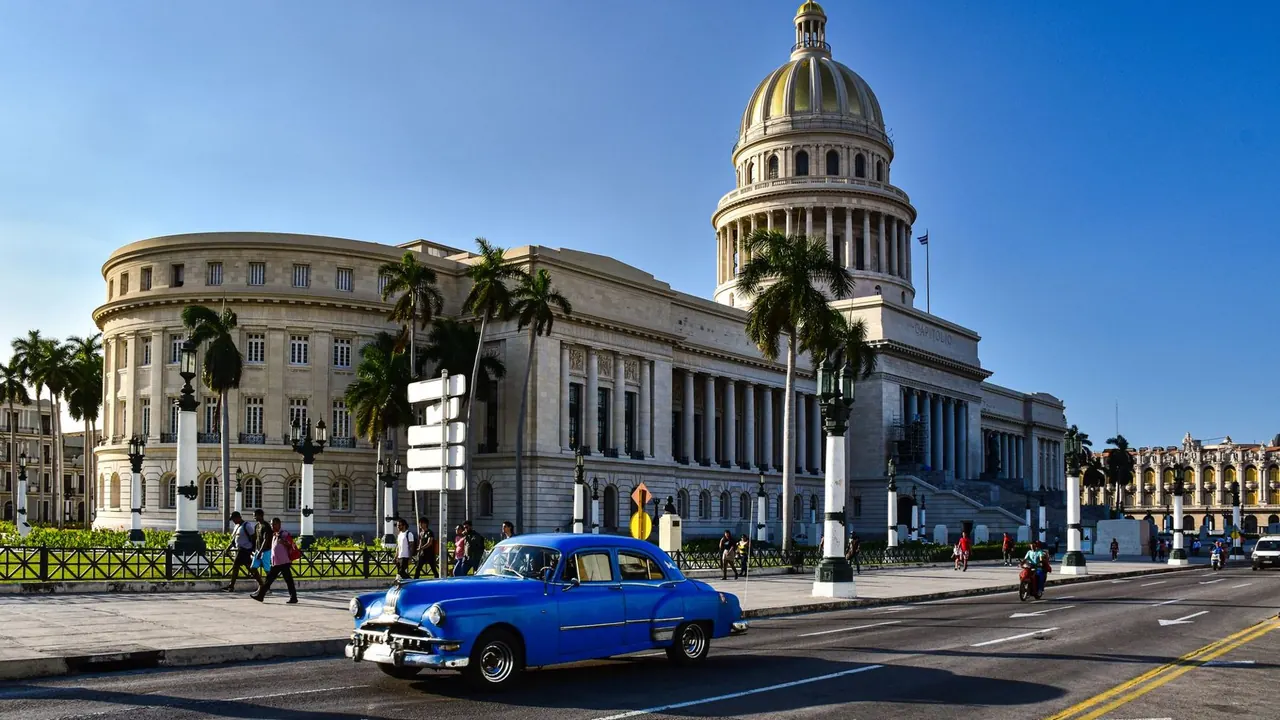
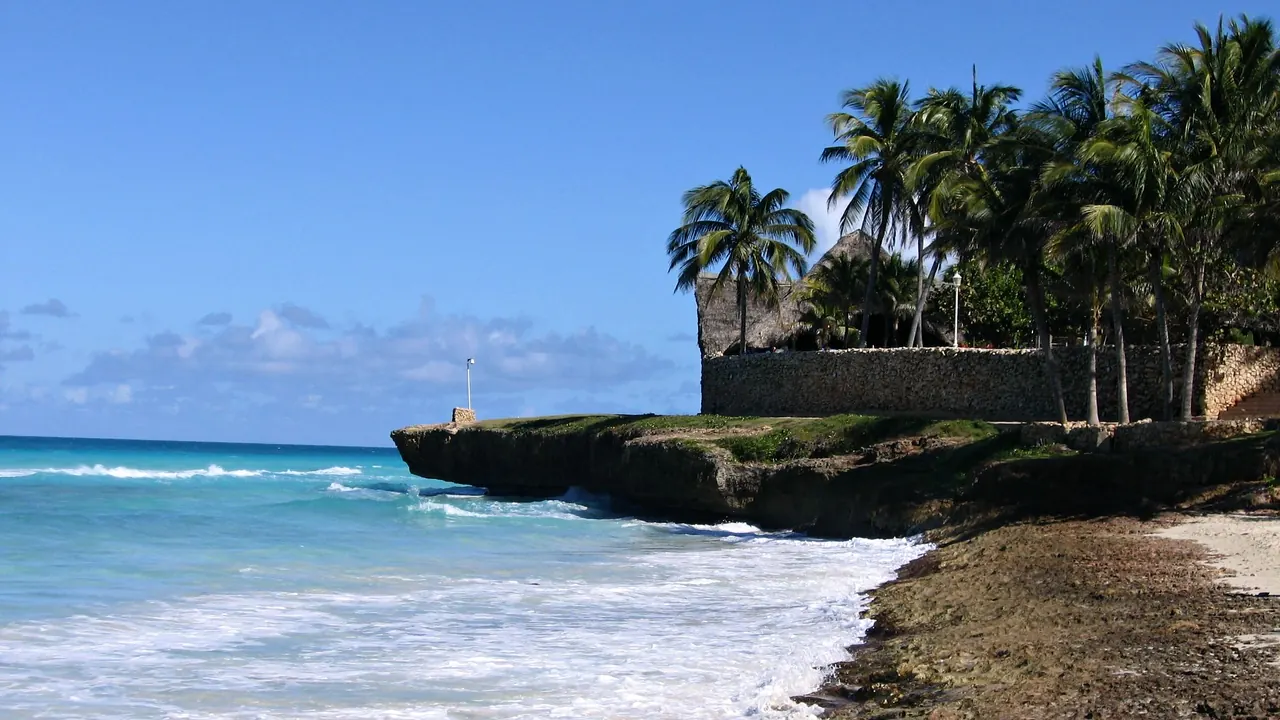
Photos: Havana by AXP Photography, Pexels License; Varadero by Dordelune, Public domain.
Havana or Varadero?
Our verdict in twelve categories, each scored against the same fixed benchmark cities, and the climate month by month, so you can choose for your trip.
Choose Havana for
- culture and sights
- live music and the arts
- nightlife
Havana suits a traveller who wants a city to explore. It has the colonial squares and fortresses of Habana Vieja and the art deco streets of Vedado. Live son and salsa start at midday, the Ballet Nacional dances at the Gran Teatro, and nights run late on the dance floor and along the Malecón. The beach is half an hour away for a day off, but it isn't the point of the trip.
Choose Varadero for
- beaches
- families
- wellness
For a week of sand and warm, calm water, Varadero is the easy winner. The long white shore of the Hicacos Peninsula, the shallow sea and the all-inclusive resorts make for a restful stay with nothing to organise. That suits families and anyone who simply wants to switch off, and Havana is close enough for a long day out when curiosity strikes.
Scoreboard
Twelve categories on one fixed scale from 0 to 100. The shaded stretch is the gap between the two.
Your match
Pick a travel style or drag the sliders, and both match scores follow your weighting.
Wins on culture and sights and live music and the arts with your weighting.
Wins on beaches and families with your weighting.
What matters to you?
Category by category
What the scores mean for a trip.
Beaches & swimming
In Havana, swimming means a half-hour trip. The Malecón meets the sea with rock and a sea wall, so the white sand at Santa María del Mar and Guanabo makes a day out, with basic shade and food stalls.
Varadero is built around its beach. The northern shore of the Hicacos Peninsula is one continuous stretch of powdery sand on shallow, sheltered water, a few steps from the hotel, and it gets quieter and roomier towards the eastern resorts. Winter cold fronts sometimes bring red flags, but for days spent in the sea it is in a different league.
Food & drink
Neither is a place to travel for the food, but Havana gives a curious eater more to work with. Its paladares, in old mansions, on rooftops and in family flats in Vedado, Miramar and Habana Vieja, range from honest ropa vieja to genuinely inventive cooking. The old bars that made the daiquiri famous are a reason to stay out on their own.
In Varadero most meals are eaten at the resort, from buffets and à la carte restaurants that are dependable but forgettable. A handful of private restaurants in town serve the same Cuban staples with less choice. Fresh tropical fruit and a rum cocktail are the simple highlights.
Culture & sights
This is where Havana is furthest ahead. Habana Vieja is a UNESCO-listed grid of colonial plazas and baroque churches, and the Morro and La Cabaña fortresses guard the harbour. Centro and Vedado add art deco streets, the Capitolio and serious museums of art and of the revolution. A week barely covers it all.
Varadero's sights fit into an afternoon. They are the Du Pont family's Xanadu Mansion on its headland, a small museum in an old wooden summer house and pre-Columbian cave drawings in the Varahicacos reserve. Anyone interested in Cuban history ends up going to Havana.
Nightlife
Havana's nights are longer and more varied. Old town bars serve rum until late, salsa clubs in Vedado and Miramar fill with serious local dancers, and arts centres mix galleries with DJs. On warm evenings the whole Malecón becomes an open-air meeting place, though moving between areas means taking taxis.
In Varadero, evenings mostly stay inside the resort, with lobby bars and animation shows. In town, a few open-air bars, salsa clubs and a disco inside a limestone cave make a cheerful outing, but nights usually end well before dawn.
Nature & outdoors
Havana's outdoor life barely leaves the pavement: walking or cycling the Malecón as the waves break, watching the sunset from the fortresses and finding shade in the wooded Almendares park. The nearest real landscape is the Las Terrazas reserve an hour west, with forest trails and waterfalls.
Varadero offers more time outdoors, and most of it is spent on the water. There are catamaran trips to the offshore cays, snorkelling and diving on reefs and wrecks, and kitesurfing when the winter winds blow. On land, the Varahicacos reserve has short trails among giant cactus and caves, and the Cueva de Saturno has a pool for swimming inside a cave.
Day trips
The easy outings from Havana are modest: Hemingway's house at Finca Vigía and the fishing village of Cojímar on the outskirts, with Matanzas an hour and a half east. Cuba's finest towns are too far for a day and need an overnight stay.
Varadero is better placed. Havana itself, about two hours west, makes an outstanding day out. Matanzas, with its theatre and the Bellamar caves, is only forty minutes away, and the colonial town of Cárdenas is a short drive south. The Bay of Pigs is a longer trip with a strong history behind it.
Good for families
Cubans in both places are fond of children, so the difference comes down to practicalities. Havana suits older children who like history and music, with the fortress cannons, the National Aquarium in Miramar and classic-car rides. Broken pavements, heavy summer heat and scarce supplies wear out parents of toddlers.
Varadero is much easier with small children. The sea right off the sand is shallow and usually calm, many resorts have kids' clubs and children's pools, and the all-inclusive format takes care of meals. In either place, families should bring medicines and nappies with them.
Getting around
Both rely on taxis of every kind, including classic cars and round coco-taxis, and Havana is slightly the easier of the two. It has a walkable heart: Habana Vieja is best explored on foot, the Malecón leads to Centro and Vedado in under an hour, and shared almendrones run fixed routes beyond. Pavements are uneven, so take care after dark.
Varadero is one long road of about 20km. The numbered streets at the town end are pleasant to walk, but the eastern resorts are spread out and served by an open-top tourist bus. Leaving the peninsula means booking a transfer, a tour or a driver.
Shopping & style
Havana's best buys are its art. The studios and galleries of Habana Vieja and Vedado sell paintings and prints by working Cuban artists, and the large craft market by the harbour adds guayabera shirts, leather and carved wood. Cigars, aged rum and coffee from the state shops complete the bag, though there is no fashion or department-store shopping and shelves can be sparse.
Varadero offers less of everything. Open-air stalls along the main avenue sell carvings, crochet and Che Guevara T-shirts, resort shops cover the beach essentials and a small mall serves the hotel zone. Rum and cigars from the official shops, where they are sure to be genuine, are the purchases worth making.
Affordability
Costs come out much the same, but the way to spend less differs. Havana rewards independent travellers: a room in a casa particular with breakfast, shared taxis, live music and museum entry all cost little. State hotels and paladares aimed at foreigners push the bill up, and you need plenty of cash.
Varadero's bargain is the all-inclusive package, which undercuts many rival Caribbean resorts for a white-sand week. Once you leave it for taxis, excursions or private restaurants, spending climbs to a middling level.
Live music & performing arts
Music is Havana's strongest suit, and the gap here is wide. Son, bolero and rumba play from midday in old town bars and on street corners, and Vedado has dedicated jazz clubs and the Jazz Plaza festival. The Gran Teatro is home to the Ballet Nacional de Cuba, and the National Symphony plays at the Teatro Amadeo Roldán.
Varadero's music is casual and often good, from trios in hotel lobbies to bands in the town's dance clubs, alongside resort cabaret with feathers. There is no theatre or concert hall, so for ballet or serious jazz you have to head west to Havana.
Wellness & relaxation
Havana offers slowness rather than spas: afternoons on a shaded balcony, a rocking chair in a colonial courtyard and the sea at dusk from the Malecón. Noise, heat and exhaust fumes get in the way of real rest, so a guesthouse in leafy Vedado or Miramar helps.
Varadero is the better place to switch off. The days are long, warm and quiet with nothing to organise, especially in the calmer resorts at the eastern end. The larger hotels have spas with treatments in open-air cabins by the sea, though standards vary.
When should you go?
Pick your month. The climate figures are measured averages, not a forecast.
Havana in July
Varadero in July
Daytime high, °C
Rainfall in the month, mm
Where the figures come from
Varadero has no rain gauge within 25 km of the centre, so its rainfall comes from a gridded climate dataset read at the city rather than from a gauge further away.
Temperature and rainfall are climate normals, averaged over the years shown. Havana: 1991-2020 normals, Casa Blanca, La Habana (3.5 km from centre). Varadero: 2007-2020 (rainfall 1991-2020) normals, Varadero, Matanzas (0.7 km from centre).
Both have a tropical year, but the rain arrives differently. Havana's drier months run from about December to May, with March the driest, and winter is the most comfortable time to walk the old town. From June to November the rain is heavier, and summer highs of 32°C make long walks hard work in the middle of the day.
Varadero has a sharper dry season, from December to March, when some months see barely 25mm of rain. That is its best beach time. From May to October it is wetter than Havana, with close to 190mm in the worst months. In both places the sea is warm enough to swim all year, from about 25°C in winter to 30°C in late summer.
Which traveller are you?
For a culture and arts trip, Havana is the clear choice. Habana Vieja's squares and fortresses, the Bellas Artes collection and art deco Vedado fill several days. Evenings bring jazz clubs, rumba and the Ballet Nacional, and Varadero has nothing like them.
On a beach and sun trip, Varadero is where to go. Unbroken powdery sand runs for about 20km beside shallow turquoise water, right outside the hotel. Havana's beaches are a taxi ride east at the Playas del Este, with only basic shade and food stalls.
On a family trip with young children, Varadero is far easier. Calm, shallow water off the sand, kids' clubs and resort meals spare parents the broken pavements, heavy heat and taxi rides that make Havana better for older children.
Before you go
| Measure | Havana | Varadero |
|---|---|---|
| Official language | Spanish | Spanish |
| Currency | Cuban Peso (CUP) | Cuban Peso (CUP) |
| Sockets | AB110 V, 60 Hz | AB110 V, 60 Hz |
| Driving side | Right | Right |
| Time zone | UTC-5, UTC-4 in summer | UTC-5, UTC-4 in summer |
| Emergency number | Police 106, ambulance 104, fire 105 | Police 106, ambulance 104, fire 105 |
| Elevation | 59 m | 4 m |
| Main airport | José Martí International Airport (HAV)17 km from centre22 non-stop destinations | Juan Gualberto Gomez International Airport (VRA)19 km from centre1 non-stop destination |
| Public holidays this year | 9 days | 9 days |
By the numbers
| Measure | Havana | Varadero |
|---|---|---|
| City population | 2,492,618 | 21,170 |
| People per km² | 3,423 | 662 |
| Museums within 10 km | 13 | 0 |
| UNESCO World Heritage sites within 50 km | 1 | 0 |
| Swim season, months above 21 °C | 12 months | 12 months |
Where else could you go?
Every comparison below shares a destination with this one, so you can follow Havana or Varadero somewhere new.
- Trinidad, Cubavs Varadero
- Trinidad, Cubavs Havana
- Cancunvs Havana
- Cancunvs Varadero
- Montego Bayvs Varadero
- Montego Bayvs Havana