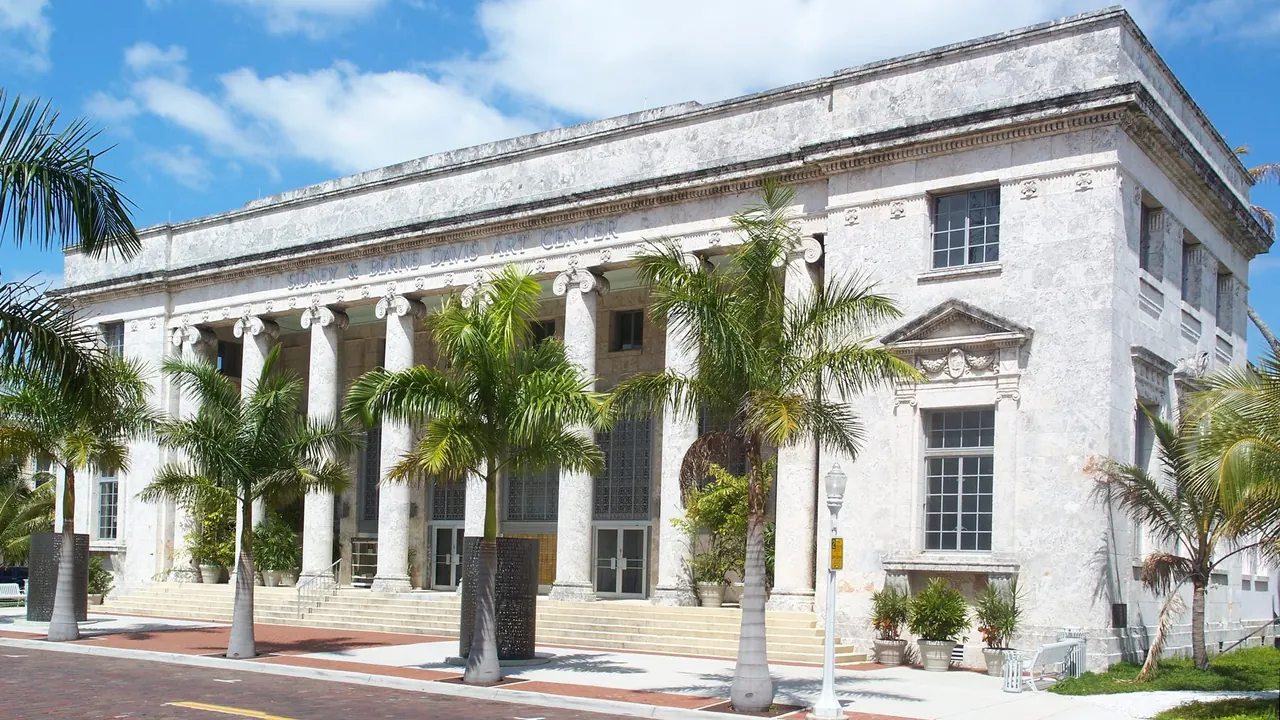
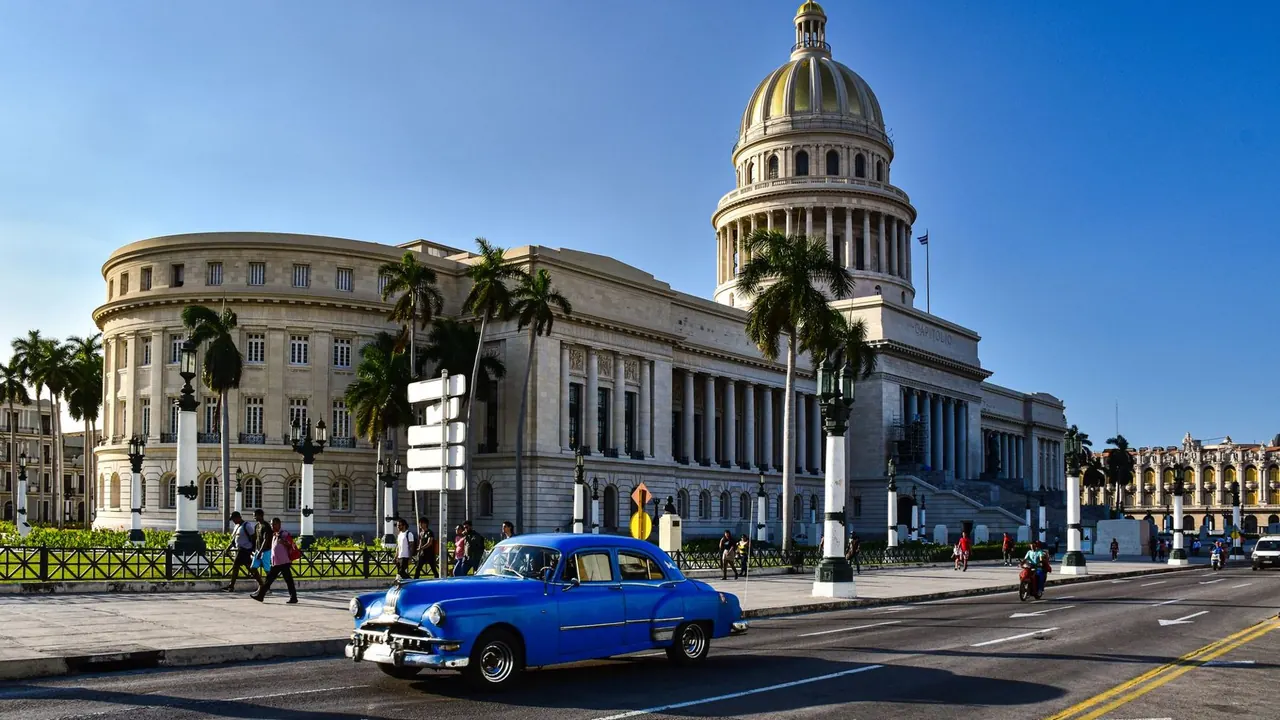
Photos: Fort Myers by Ebyabe, CC BY-SA 3.0, cropped; Havana by AXP Photography, Pexels License.
Fort Myers or Havana?
Our verdict in twelve categories, each scored against the same fixed benchmark cities, and the climate month by month, so you can choose for your trip.
Choose Fort Myers for
- nature and the outdoors
- families
- beaches
Fort Myers is the pick for an easy, sunny beach vacation, especially with young children. It has calm, shallow Gulf water, shelling on Sanibel and some of Florida's best birdwatching in the Ding Darling refuge and Corkscrew Swamp. You need a car, and evenings are quiet, so it suits travellers who want slow days outdoors more than a city to explore.
Choose Havana for
- culture and sights
- live music and the arts
- nightlife
If the place itself is the point, go to Havana. The colonial squares of Habana Vieja, the art deco streets of Centro and Vedado, live son and salsa from midday and late nights of dancing make it a far richer trip for adults who care about history and music. The beaches are a side trip and comforts can be patchy. If you stay in casas particulares, it costs less than Florida.
Scoreboard
Twelve categories on one fixed scale from 0 to 100. The shaded stretch is the gap between the two.
Your match
Pick a travel style or drag the sliders, and both match scores follow your weighting.
Wins on nature and the outdoors and families with your weighting.
Wins on culture and sights and live music and the arts with your weighting.
What matters to you?
Category by category
What the scores mean for a trip.
Beaches & swimming
Fort Myers has the better beach vacation. Its barrier islands offer a choice: the wide, busy sands of Fort Myers Beach, quieter Lovers Key, or the shelling beaches of Sanibel and Captiva. The shallow Gulf suits children well. The drawback is that the sea is cool in the winter months, when most visitors come.
Havana's Malecón is all sea wall, so the sand is at the Playas del Este, half an hour away. The water there is clear and stays warmer through the winter. Facilities are basic, though, and most visitors treat the beach as one day off from the city rather than the heart of the trip.
Food & drink
Neither city is a food destination, but they fall short in different ways. Fort Myers means casual Gulf seafood, such as grouper sandwiches and stone crab claws eaten on waterfront decks, with a small cluster of independent places in the River District and chain dining along the highways.
In Havana the best meals are in paladares set in old mansions, on rooftops and in family apartments, and menus depend on what the kitchen can get hold of. The city's real strength is in the glass: daiquiris, mojitos, aged rum and strong Cuban coffee.
Culture & sights
Fort Myers has one rewarding half day, at the Edison and Ford Winter Estates on palm-lined McGregor Boulevard, plus a few streets of early brick buildings downtown. Most visitors see everything in a day.
Havana could fill a week. The city itself is the sight: the colonial squares and baroque churches of Habana Vieja, the Morro and La Cabaña fortresses across the harbour mouth, the art deco blocks of Centro and Vedado and the Cuban collection at the Bellas Artes museum. Restored and crumbling buildings stand side by side.
Nightlife
Evenings in Fort Myers end early. There are a few pubs and rooftop bars in the River District and sunset crowds around the beach pier, and for much of the winter the crowd is older.
Havana's nights are about dancing. Locals dance seriously in the salsa clubs of Vedado and Miramar, the old town bars pour rum late, and on warm evenings the Malecón becomes an open-air meeting place. The scene is spread out, so you will need taxis, but nights go much later.
Nature & outdoors
Fort Myers is the place for wildlife. Roseate spoonbills and herons at Ding Darling, the old-growth cypress at Corkscrew Swamp, kayaking through the mangrove tunnels of the Great Calusa Blueway and manatees on the Orange River in winter are all within easy reach. The land is flat, and summer brings mosquitoes.
Havana's outdoor life is mostly the sea wall and the shady Almendares river park. The nearest real landscape is Las Terrazas, about an hour west, with forest trails and river pools. Viñales is further away still.
Day trips
With a car, Fort Myers opens up a ring of easy outings. You can visit Naples' pier and old town, the island villages of Sanibel, Captiva and Boca Grande, or go an hour and a half north to Sarasota for the Ringling museum and the Ca' d'Zan mansion.
The outings close to Havana are fewer: Hemingway's Finca Vigía, the fishing village of Cojímar and the port of Matanzas. Cuba's finest places, Trinidad, Cienfuegos and Viñales, are three hours or more away and work better as overnight stays with a hired driver.
Good for families
Fort Myers suits an easy family beach trip. The water is calm and shallow, and there are shell hunts, dolphin boat trips, a hands-on science centre and spring-training baseball in March, with condos and pools everywhere. There is no big theme park, and Orlando is about three hours away.
Havana welcomes children warmly and has the aquarium, rides in classic cars and the cannons at the fortresses. Broken pavements, heavy heat and scarce baby supplies make it better for older children who like music and history.
Getting around
You really need a rental car in Fort Myers. The beaches, Sanibel and the nature reserves are spread across a low-density county, and buses are sparse. In winter the bridges to the islands back up, so start early.
Havana is easier without a car. Habana Vieja is compact enough to walk, and a stroll along the Malecón takes you to Vedado. Classic-car taxis, shared almendrones and rickshaws cover the rest, with the fare agreed before you set off.
Shopping & style
Neither city is somewhere people go for the shops, but Fort Myers gives you far more choice. If you want clothes, shoes or brand-name goods, the outlet and mall strip south of town has the range, the reliable stock and the bargains that Havana can't match. The island shops on Sanibel and Captiva are better for a slow browse among galleries and shells.
Havana is the opposite. You won't find much to shop for, but what you do take home is distinctly Cuban: cigars, aged rum, coffee and, best of all, original paintings and prints bought from the artists in Habana Vieja and Vedado. Don't count on replacing anything you forgot to pack.
Affordability
Fort Myers costs what the United States costs, with tips, a rental car and island parking fees on top. Beachfront rooms on Sanibel are expensive in winter. Staying inland or visiting in summer brings costs down.
Havana can cost much less if you stay in a casa particular with breakfast, eat simply and use shared taxis. State hotels and the smarter paladares charge international rates, and since cards are unreliable, you need to bring plenty of cash.
Live music & performing arts
Fort Myers has a winter season of touring Broadway shows at the Barbara B. Mann hall, a repertory company in a restored 1908 theatre and a regional symphony, but the programme largely stops in summer.
In Havana, music is the reason many people come. Son, salsa and rumba play live in old town bars from midday, and Vedado has jazz clubs. The Ballet Nacional de Cuba dances at the Gran Teatro, and there is weekend rumba in the Callejón de Hamel.
Wellness & relaxation
Neither city has a spa or bathing tradition, so rest here is about pace rather than treatments. Fort Myers does quiet better, with low-rise Sanibel and Captiva, bike paths, condo pools and massages at the resorts. Havana has shaded balconies and rocking chairs in colonial casas, but because of the noise, heat and fumes, real calm means a guesthouse in leafy Vedado or Miramar.
When should you go?
Pick your month. The climate figures are measured averages, not a forecast.
Fort Myers in July
Havana in July
Daytime high, °C
Rainfall in the month, mm
Where the figures come from
Fort Myers has no rain gauge within 25 km of the centre, so its rainfall comes from a gridded climate dataset read at the city rather than from a gauge further away.
Havana has no rain gauge within 25 km of the centre, so its rainfall comes from a gridded climate dataset read at the city rather than from a gauge further away.
Temperature and rainfall are climate normals, averaged over the years shown. Fort Myers: 1991-2020 normals, Fort Myers / Page Park (4.5 km from centre). Havana: 1991-2020 normals, Casa Blanca, La Habana (3.5 km from centre).
Fort Myers is at its best from November to April. Days are warm but not hot and there is little rain, which is ideal for walking and watching wildlife. The Gulf cools to about 20°C in January and February, so a swim is bracing. The sea warms nicely from May, but from June to September highs reach about 33°C and afternoon storms bring more than 200mm of rain a month.
Havana is warmer in winter, and the sea stays near 26°C even in January, so a beach day works in any month. March is the driest month, with about 35mm of rain. The wet season runs from May to October and is heaviest in June and September, and summer heat makes long walks around the streets sticky. In winter both cities are pleasant for walking, but only Havana is really warm enough for swimming.
Which traveller are you?
On a culture and arts trip, Havana wins easily. Habana Vieja's colonial squares, the harbour fortresses, the art deco streets of Vedado, the Bellas Artes museum and live son, jazz and ballet give far more than Fort Myers' half day at the Edison and Ford estates.
On a family trip with young children, Fort Myers is the easier choice. The Gulf is calm and shallow, and shell hunting on Sanibel, dolphin boat trips and condos with pools make for simple days. Havana's broken pavements and scarce baby supplies suit older children better.
For an outdoors trip, Fort Myers puts wildlife on your doorstep. You can watch wading birds at Ding Darling, walk the cypress boardwalk at Corkscrew Swamp and paddle through mangrove tunnels. From Havana, the nearest real trails are at Las Terrazas, about an hour west.
Before you go
| Measure | Fort Myers | Havana |
|---|---|---|
| Official language | - | Spanish |
| Currency | US Dollar (USD) | Cuban Peso (CUP) |
| Sockets | AB120 V, 60 Hz | AB110 V, 60 Hz |
| Driving side | Right | Right |
| Time zone | UTC-5, UTC-4 in summer | UTC-5, UTC-4 in summer |
| Emergency number | 911 | Police 106, ambulance 104, fire 105 |
| Elevation | 3 m | 59 m |
| Main airport | Southwest Florida International Airport (RSW)12 km from centre79 non-stop destinations | José Martí International Airport (HAV)17 km from centre21 non-stop destinations |
| Public holidays this year | 11 days | 9 days |
By the numbers
| Measure | Fort Myers | Havana |
|---|---|---|
| City population | 86,395 | 2,492,618 |
| People per km² | 681 | 3,423 |
| Museums within 10 km | 3 | 12 |
| UNESCO World Heritage sites within 50 km | 0 | 1 |
| Swim season, months above 21 °C | 10 months | 12 months |
Where else could you go?
Every comparison below shares a destination with this one, so you can follow Fort Myers or Havana somewhere new.