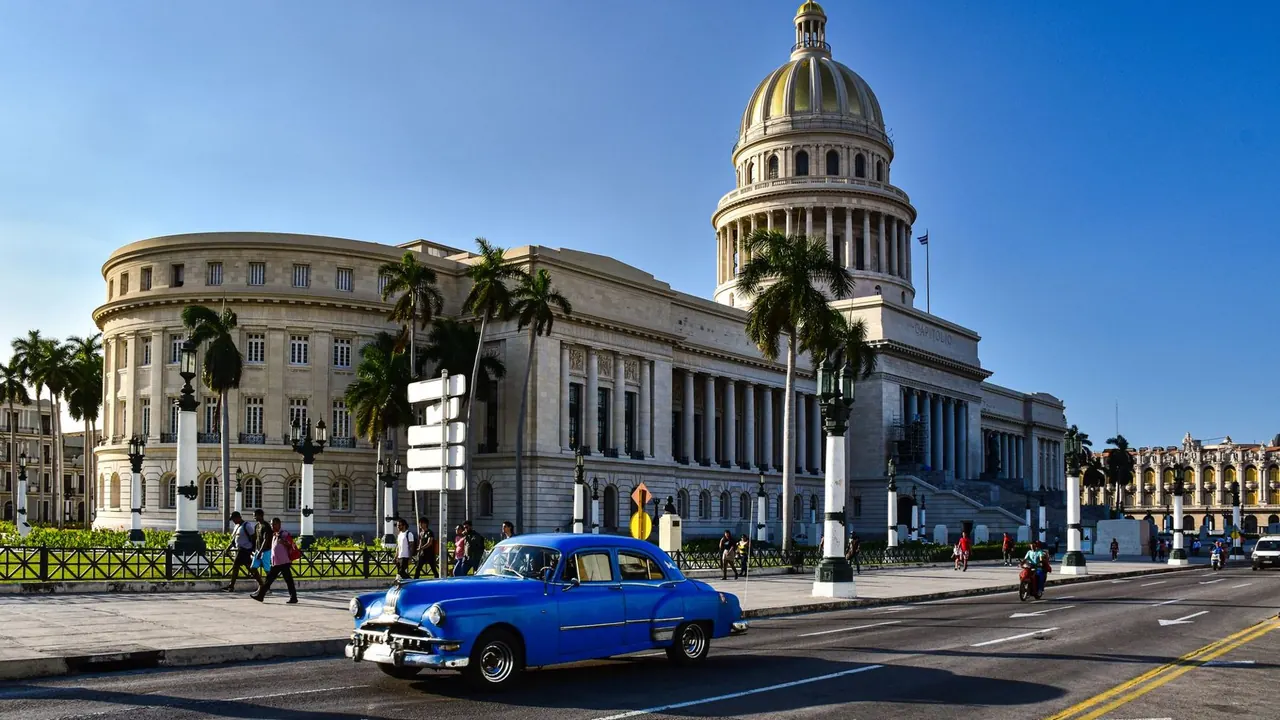
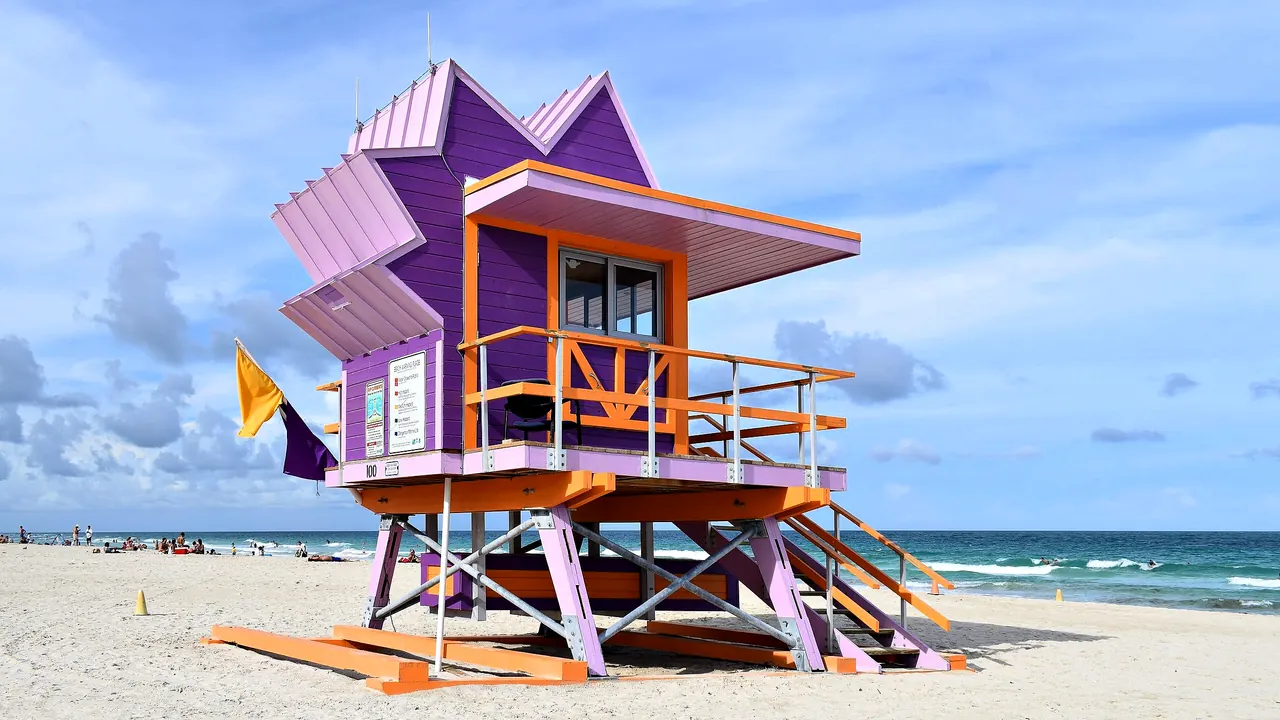
Photos: Havana by AXP Photography, Pexels License; Miami Beach by Radomianin, CC BY-SA 4.0, cropped.
Havana or Miami Beach?
Our verdict in twelve categories, each scored against the same fixed benchmark cities, and the climate month by month, so you can choose for your trip.
Choose Havana for
- prices
- culture and sights
- live music and the arts
Havana suits the traveller who wants a city to explore rather than a resort to rest in. The colonial squares of Habana Vieja, the fortresses over the harbour and the music in every bar and on every corner make it a richer place to look and listen. Staying in private homes keeps costs down, as long as you accept basic comforts, simple meals and a beach that is half an hour away.
Choose Miami Beach for
- beaches
- families
- wellness
Miami Beach is the better pick for a sun-and-sand week with polish. The beach runs the whole length of the island, the clubs of South Beach run until dawn, and resort spas, lifeguarded water and easy walking around South Beach make it the easier place to bring children or to rest. You pay for all of that, and the history and culture here are thinner.
Scoreboard
Twelve categories on one fixed scale from 0 to 100. The shaded stretch is the gap between the two.
Your match
Pick a travel style or drag the sliders, and both match scores follow your weighting.
Wins on prices and culture and sights with your weighting.
Wins on beaches and families with your weighting.
What matters to you?
Category by category
What the scores mean for a trip.
Beaches & swimming
Miami Beach is built around its beach, with about 11km of wide sand right in front of the hotels, lifeguard huts and a beachwalk, and calmer stretches at Mid-Beach and North Beach for anyone escaping the South Beach crowds.
Havana's centre meets the sea with the Malecón's rock and sea wall, so swimming means half an hour east to Santa María del Mar or Guanabo. Their water is clearer than Miami Beach's green-blue Atlantic and the weekends there are lively and local, but there is little shade and the facilities are basic.
Food & drink
Miami Beach eats better and more widely: seafood, chef-led dining rooms, stone crabs in winter and a strong Latin American thread of croquetas, arepas and ceviche. The trick is to leave Ocean Drive for the side streets and North Beach.
Havana's cooking is narrower and depends on supply, with ropa vieja, black beans and roast pork at their best in the paladares of Vedado and Miramar. Its strength is the glass: daiquiris and mojitos in the bars that made them famous, aged rum and strong coffee.
Culture & sights
Havana has far more to see. Habana Vieja's four colonial squares, the cathedral, the Morro and La Cabaña fortresses and the Capitolio fill days on their own, and Centro and Vedado add art deco, the Plaza de la Revolución and a fine Cuban art museum.
Miami Beach has one great sight, its 1930s Art Deco district, which is easy to walk and remarkably complete. Beyond that there are the Wolfsonian, the Bass and the Holocaust Memorial, and for deeper history you have to cross the bay to the mainland.
Nightlife
Miami Beach is the bigger night out: large clubs with guest DJs until dawn, pool parties by day and lobby bars on Collins and Washington Avenues, all glamorous, expensive and run with door policies.
Havana's nights are looser and centre on dancing. Locals fill the salsa clubs of Vedado and Miramar, the old town bars pour rum until late and crowds gather on the Malecón. There are few clubs as such, and getting between neighbourhoods means taxis.
Nature & outdoors
Neither city has hills, but Miami Beach puts more within reach. You can paddle the bay or Oleta River's mangroves, snorkel the offshore reefs, and drive about an hour to the Everglades with their alligators and boardwalks, or to Biscayne National Park.
Havana's outdoors is mostly the Malecón and the Almendares park. The forest trails and river pools of Las Terrazas are about an hour west, and the limestone valley of Viñales is too far for an easy outing.
Day trips
Miami Beach has more easy outings. Mainland Miami gives you Little Havana, Wynwood, Vizcaya and Coral Gables, and Fort Lauderdale, Palm Beach and Key Largo are each within about an hour and a half.
From Havana the short list is Hemingway's Finca Vigía, Cojímar and the rumba port of Matanzas. Cuba's best places, Viñales, Trinidad and Cienfuegos, need overnight stays. In both cities most trips need a car or a tour, but hiring a driver in Cuba takes more arranging.
Good for families
Miami Beach is the easier choice with children, because of its gentle water, lifeguards all along the shore, playgrounds behind the sand and resort pools in Mid-Beach and North Beach. The zoos and museums are on the mainland, though.
Havana gives children a warm welcome, plus the aquarium, classic-car rides and cannons at the fortresses. Its broken pavements, heavy heat and scarce baby supplies and medicines make it better suited to older children than toddlers.
Getting around
Miami Beach is simpler to get around. South Beach is flat and compact, and free trolleys, buses up Collins Avenue and bike share cover the rest of the island. Only leaving it gets awkward, on crowded causeways and with no rail.
In Havana you walk the old town and the Malecón, and for anything further you agree a fare with a classic-car taxi, a shared almendrón or a coco-taxi. The buses are hard for visitors to use, and the uneven pavements and dim streets need care after dark.
Shopping & style
Miami Beach offers more to buy, though little of it is distinctive. Lincoln Road's chain stores and Collins Avenue's swimwear are pleasant to browse, and the European fashion and jewellery houses are at Bal Harbour.
Havana has no fashion shopping at all and its shelves can be sparse. What it does have, which Miami Beach lacks, are things worth carrying home: cigars, aged rum, coffee, and paintings from the studios of Habana Vieja and Vedado.
Affordability
Havana is much easier on the wallet if you stay in a casa particular, eat simply and use shared taxis. State hotels and the smarter paladares charge international prices, and cards are unreliable, so carry cash.
Miami Beach is expensive at nearly every turn: oceanfront rooms in winter, resort and parking fees, tipping and South Beach cocktails. A North Beach hotel, a summer visit and Cuban takeaway windows soften the bill, and the beach costs nothing.
Live music & performing arts
Music fills Havana's days and nights. You hear son, bolero and rumba from midday in bars and courtyards, serious jazz in Vedado, weekend rumba in the Callejón de Hamel, and the Ballet Nacional de Cuba at the Gran Teatro.
Miami Beach's arts life is more formal and comes in seasons. It centres on the New World Symphony in its Gehry hall, sometimes projected for a lawn audience, and on Miami City Ballet. Club music there leans to DJs rather than live bands.
Wellness & relaxation
Miami Beach is the better place to unwind properly, with large resort spas, hydrotherapy circuits, sunrise yoga on the sand and calm pool days in Mid-Beach and towards Surfside, all at a price.
Havana has almost no spas, and its rest comes from slowing down: a rocking chair in a colonial courtyard, a shaded balcony, the sea from the Malecón at dusk. Heat, noise and traffic fumes mean staying in leafy Vedado or Miramar if quiet matters.
When should you go?
Pick your month. The climate figures are measured averages, not a forecast.
Havana in July
Miami Beach in July
Daytime high, °C
Rainfall in the month, mm
Where the figures come from
Havana has no rain gauge within 25 km of the centre, so its rainfall comes from a gridded climate dataset read at the city rather than from a gauge further away.
Temperature and rainfall are climate normals, averaged over the years shown. Havana: 1991-2020 normals, Casa Blanca, La Habana (3.5 km from centre). Miami Beach: 1991-2020 normals, Miami International Airport (18.8 km from centre).
Havana is the warmer of the two in winter. From December to March its daytime highs sit around 27°C, against 25 to 26°C in Miami Beach, and its sea stays about a degree warmer too, so both are warm enough for the beach all year. December to April is the best time in either city. The air is dry, and walking Habana Vieja or the Art Deco district is comfortable at any hour. From June to September both have highs in the low thirties, and the humidity makes long walks hard work by midday.
In both cities the wet season runs from May to October and the rain comes mostly as afternoon storms. Miami Beach gets more of it, up to 267mm in June, while Havana's wettest month brings 181mm. Havana's October is still as wet as its summer, and both cities dry out sharply in November.
Which traveller are you?
On a beach and sun trip, Miami Beach wins clearly. The sand starts at the hotel door and runs the length of the island, with lifeguards and calm water. In Havana the beaches mean a taxi ride out to the Playas del Este.
For a culture and arts trip, Havana is the richer choice. Its UNESCO-listed old town, its fortresses and Cuban art collections come with live son, rumba and jazz every night, and the Ballet Nacional performs at the Gran Teatro. Miami Beach offers Art Deco facades and a smaller arts scene.
On a trip with a tight budget, Havana goes much further. Rooms in casas particulares with breakfast, shared taxis, cheap museums and free street music keep costs low. Miami Beach's hotel fees, parking charges and cocktail prices add up quickly even outside the winter peak.
Before you go
| Measure | Havana | Miami Beach |
|---|---|---|
| Official language | Spanish | - |
| Currency | Cuban Peso (CUP) | US Dollar (USD) |
| Sockets | AB110 V, 60 Hz | AB120 V, 60 Hz |
| Driving side | Right | Right |
| Time zone | UTC-5, UTC-4 in summer | UTC-5, UTC-4 in summer |
| Emergency number | Police 106, ambulance 104, fire 105 | 911 |
| Elevation | 59 m | 1 m |
| Main airport | José Martí International Airport (HAV)17 km from centre21 non-stop destinations | Miami International Airport (MIA)16 km from centre198 non-stop destinations |
| Public holidays this year | 9 days | 11 days |
By the numbers
| Measure | Havana | Miami Beach |
|---|---|---|
| City population | 2,492,618 | 82,890 |
| People per km² | 3,423 | 2,109 |
| Museums within 10 km | 12 | 14 |
| UNESCO World Heritage sites within 50 km | 1 | 0 |
| Swim season, months above 21 °C | 12 months | 12 months |
Where else could you go?
Every comparison below shares a destination with this one, so you can follow Havana or Miami Beach somewhere new.