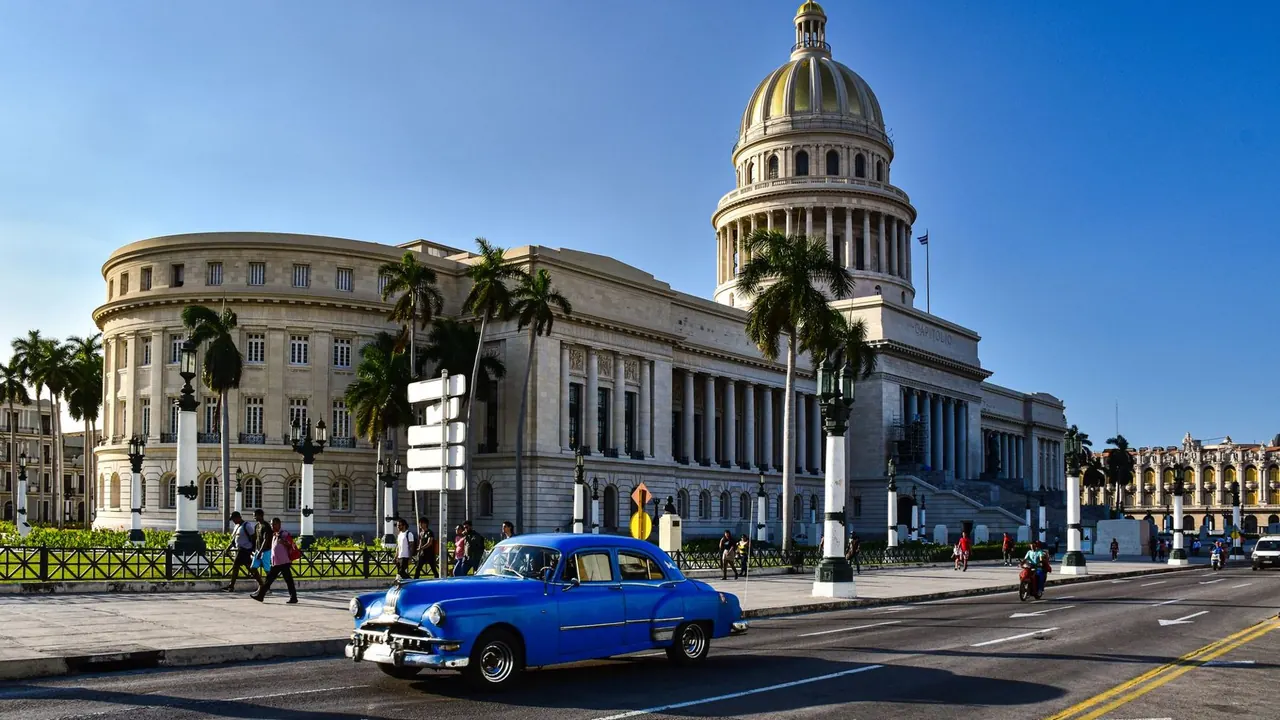
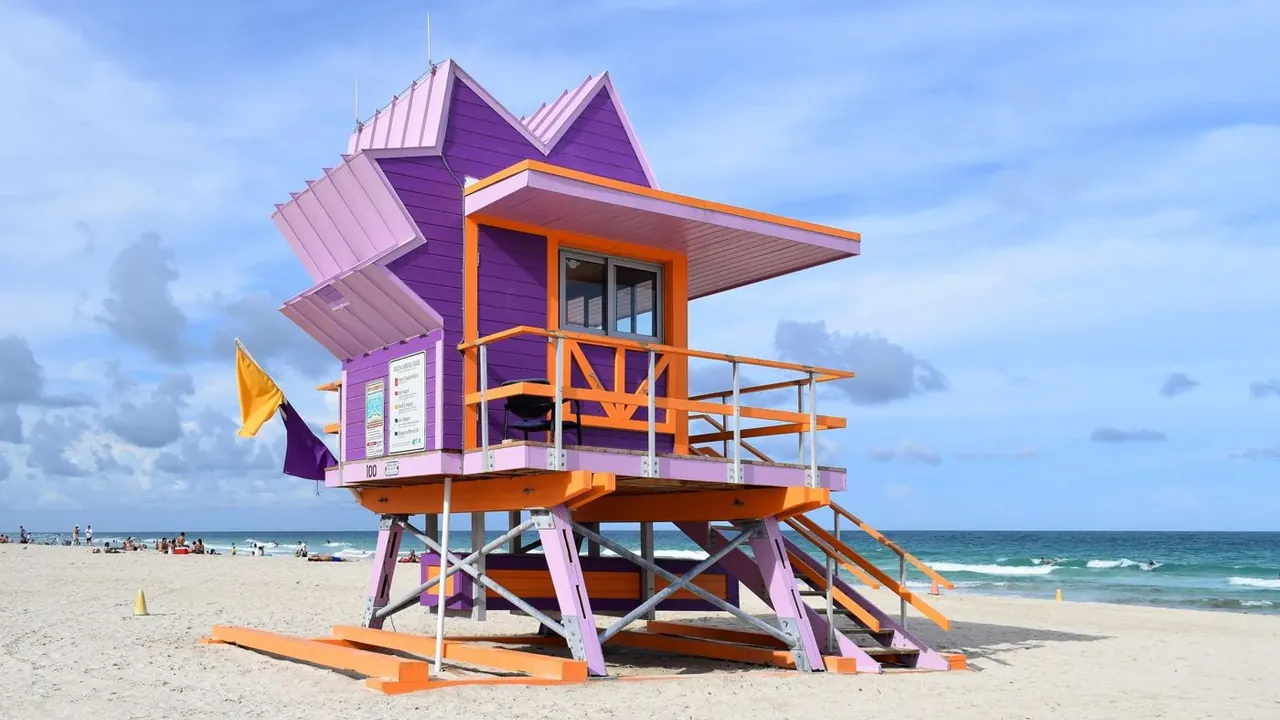
Photos: Havana by AXP Photography, Pexels License; Miami by Radomianin, CC BY-SA 4.0, cropped.
Havana or Miami?
Our verdict in twelve categories, each scored against the same fixed benchmark cities, and the climate month by month, so you can choose for your trip.
Choose Havana for
- prices
- culture and sights
- live music and the arts
Havana suits travellers who want a city to explore on foot and by ear. It has the colonial squares and fortresses of Habana Vieja, the faded art deco streets of Centro and Vedado, and live son and salsa in almost every bar. It rewards people who will trade polish and easy comforts for atmosphere, who don't mind simple food and a taxi ride to the beach, and who keep costs down by staying in private homes.
Choose Miami for
- shopping
- food and drink
- nature and the outdoors
Pick Miami when the beach, the restaurants and the night out come first. The sand starts at the hotel door, Cuban and Latin American cooking is excellent across the city, the clubs run until dawn and the Everglades are close by. It costs a good deal more and needs a car or ride-hailing to string it together, but families, shoppers and anyone after comfort will find it far easier going.
Scoreboard
Twelve categories on one fixed scale from 0 to 100. The shaded stretch is the gap between the two.
Your match
Pick a travel style or drag the sliders, and both match scores follow your weighting.
Wins on prices and culture and sights with your weighting.
Wins on shopping and food and drink with your weighting.
What matters to you?
Category by category
What the scores mean for a trip.
Beaches & swimming
Miami is a beach city in a way Havana is not. The pale sand of Miami Beach starts at the hotels and runs from South Beach up to quieter Surfside, and Key Biscayne has calmer, shallower water. A swim fits easily around everything else in the day.
Havana's own seafront is the rock and sea wall of the Malecón. Its sandy beaches, Santa María del Mar and Guanabo, are half an hour east by taxi or hired car. The water there is just as warm and very clear, but with only basic shade and food stalls it works as a day out rather than a daily routine.
Food & drink
Oddly, Miami is the better place to eat Cuban food. Little Havana's ventanitas and lunch counters serve croquetas, pastelitos, Cuban sandwiches and cafecito. Around them are Venezuelan, Peruvian, Haitian and Nicaraguan kitchens, stone crab and grouper, and a serious upscale tier in Brickell and the Design District.
Havana's cooking is narrower and depends on what the kitchen can get hold of. The best of it is ropa vieja, beans and roast pork in paladares set in old mansions and on rooftops. Havana does hold its own in the glass, with daiquiris, mojitos and aged rum in the bars that made them famous.
Culture & sights
Havana has far more to see. Habana Vieja's colonial squares, baroque churches and harbour fortresses carry centuries of history. The Capitolio, the Gran Teatro and the Cuban collection at the Bellas Artes add to them, and the half-restored, half-crumbling streets are part of the sight.
Both cities have art deco, but in Miami it is close to the whole story. The pastel hotels of South Beach and Vizcaya on the bay are the highlights, backed by good museums such as the Perez and the murals of Wynwood. Little is older than a century, and a few days covers it.
Nightlife
Miami is the bigger night out. South Beach has glossy clubs with dress codes and international DJs, downtown venues run until dawn, Brickell has rooftop cocktail bars and Wynwood has warehouse parties. It suits people with money to spend and the stamina to go late.
Havana's nights are about dancing more than clubbing. Old-town bars pour rum late, locals dance seriously in the salsa clubs of Vedado and Miramar, and the Malecón becomes an open-air meeting place. It is looser and less polished, and you need taxis between neighbourhoods.
Nature & outdoors
Miami has wild country on its doorstep. The Everglades are within an hour for airboats, alligators and the Anhinga Trail boardwalks. Biscayne National Park has mangroves to kayak and reefs to snorkel, and the bay is ready-made for paddleboarding and fishing, best done in winter before the summer heat and mosquitoes arrive.
Havana's outdoors is mostly the Malecón and the shaded Almendares park. Real landscape starts an hour west at Las Terrazas, with forest trails and river pools, and Viñales is around three hours away.
Day trips
Neither city is a great base for excursions, but the outings differ in kind. From Havana they are about history and Cuban life: Hemingway's Finca Vigía, the fishing village of Cojímar and the rumba port of Matanzas. They usually mean a car with a driver or an organised tour, and Viñales and Trinidad are far enough to need a night away.
From Miami you get Gilded Age mansions in Palm Beach, the canals of Fort Lauderdale or seafood shacks in the Upper Keys. All are easy drives in a hire car, but they are pleasant rather than memorable, and Key West is too far for a single day.
Good for families
Miami is much easier with children. It has calm water at Key Biscayne and North Beach, the large open-air Zoo Miami, and a planetarium and aquarium at the Frost Science Museum. Many hotels are built around pools, and the main effort is long drives and summer heat.
Cubans are openly fond of children, and the aquarium, the fortress cannons and classic-car rides in Havana go down well. Broken pavements, heavy heat and scarce baby supplies make it a better fit for older children curious about music and history.
Getting around
Both cities leave visitors relying on cars, but in different ways. Havana's old town is compact and best walked, and the Malecón links it on foot to Vedado. Beyond that, travellers take classic-car taxis, shared almendrones or coco-taxis, agreeing the fare first.
Miami has more infrastructure, with the free Metromover and the Metrorail, but neither reaches Miami Beach. Visitors walk South Beach, use ride-hailing for other neighbourhoods and hire a car for the Everglades or the Keys. Watch for uneven pavements in Havana and heavy traffic in Miami.
Shopping & style
For shopping there is no contest. Miami has the Design District's fashion flagships, the exclusive open-air mall at Bal Harbour, the vast Aventura Mall and outlet centres on the western edge, with Lincoln Road for mainstream brands.
Havana sells what Cuba makes: cigars, aged rum, coffee and, best of all, work from the artists' studios in Habana Vieja and Vedado. The harbour craft market adds woodwork and guayaberas, but fashion and brands are essentially absent.
Affordability
Havana is the cheaper trip if you travel its way. Rooms in casas particulares come with breakfast, and shared taxis, live music and museum entry cost little. State hotels and the paladares that price for foreigners can cost as much as Southern Europe, and you should bring cash because cards are unreliable.
Miami is expensive almost everywhere, with resort fees, parking, tax and tips on every bill and very dear club drinks. Free beaches, Cuban lunch counters, the free Metromover and a room on the mainland rather than the beach all soften it.
Live music & performing arts
Havana is the place to hear music. Son, salsa, bolero and rumba play live from midday in old-town bars and courtyards, and the Vedado jazz clubs host the island's best players. The Ballet Nacional de Cuba performs at the Gran Teatro, and there is weekend rumba in the Callejón de Hamel.
Miami's offer is more conventional. The Arsht Center has opera and touring Broadway shows, Miami City Ballet is a company of real standing, and the New World Symphony plays in its Gehry building. Its Little Havana bands echo the Cuban sound, but the season is concentrated in winter.
Wellness & relaxation
Miami is better for being looked after. It has resort spas with ocean views on Miami Beach and Key Biscayne, sunrise yoga on the sand and a long-established Russian and Turkish bath house. For real calm, stay in Surfside or on Key Biscayne rather than in loud South Beach.
Havana has few spas and no bathing culture. Rest there means a rocking chair in a colonial courtyard or a shaded balcony in leafy Vedado or Miramar, away from the heat and fumes of the centre.
When should you go?
Pick your month. The climate figures are measured averages, not a forecast.
Havana in July
Miami in July
Daytime high, °C
Rainfall in the month, mm
Where the figures come from
Havana has no rain gauge within 25 km of the centre, so its rainfall comes from a gridded climate dataset read at the city rather than from a gauge further away.
Temperature and rainfall are climate normals, averaged over the years shown. Havana: 1991-2020 normals, Casa Blanca, La Habana (3.5 km from centre). Miami: 1991-2020 normals, Miami International Airport (10 km from centre).
Both cities are warm all year, and the sea never really cools. Havana's water stays at about 26°C or above and Miami's is only slightly cooler, so you can swim in every month. The best stretch for both runs from November to April, when days are warm rather than hot and rain is light. March is Havana's driest month, at 35mm. Miami's winter afternoons are a degree or two cooler, which makes them pleasant for walking.
From May the rainy season sets in, and daytime highs reach 32°C or more in both cities. Miami's summer is much the wetter, with rainfall passing 250mm in June and September. Havana's wet months are clearly lighter, but the heat and humidity still make long walks through the old town hard going until October.
Which traveller are you?
For a culture and arts trip, Havana is the stronger choice. Its colonial old town, harbour fortresses and fine Cuban art collection go deeper than Miami's 1930s architecture. Live son, rumba and the national ballet also give its evenings more weight than Miami's stages.
On a trip on a tight budget, Havana makes the money go further. A room in a casa particular with breakfast included, shared taxis, cheap live music and low museum entry keep costs down. In Miami, hotel rates, resort fees and restaurant bills add up quickly.
For a beach and sun trip, Miami is the easy choice. Its long sandy strip lies right outside the hotels, and Key Biscayne has calm water for swimming all year. Havana's beaches are half an hour east by taxi and have only basic facilities.
Before you go
| Measure | Havana | Miami |
|---|---|---|
| Official language | Spanish | - |
| Currency | Cuban Peso (CUP) | US Dollar (USD) |
| Sockets | AB110 V, 60 Hz | AB120 V, 60 Hz |
| Driving side | Right | Right |
| Time zone | UTC-5, UTC-4 in summer | UTC-5, UTC-4 in summer |
| Emergency number | Police 106, ambulance 104, fire 105 | 911 |
| Elevation | 59 m | 2 m |
| Main airport | José Martí International Airport (HAV)17 km from centre21 non-stop destinations | Miami International Airport (MIA)7 km from centre198 non-stop destinations |
| Public holidays this year | 9 days | 11 days |
By the numbers
| Measure | Havana | Miami |
|---|---|---|
| City population | 2,492,618 | 442,241 |
| People per km² | 3,423 | 3,046 |
| Museums within 10 km | 12 | 17 |
| UNESCO World Heritage sites within 50 km | 1 | 0 |
| Swim season, months above 21 °C | 12 months | 12 months |
Where else could you go?
Every comparison below shares a destination with this one, so you can follow Havana or Miami somewhere new.