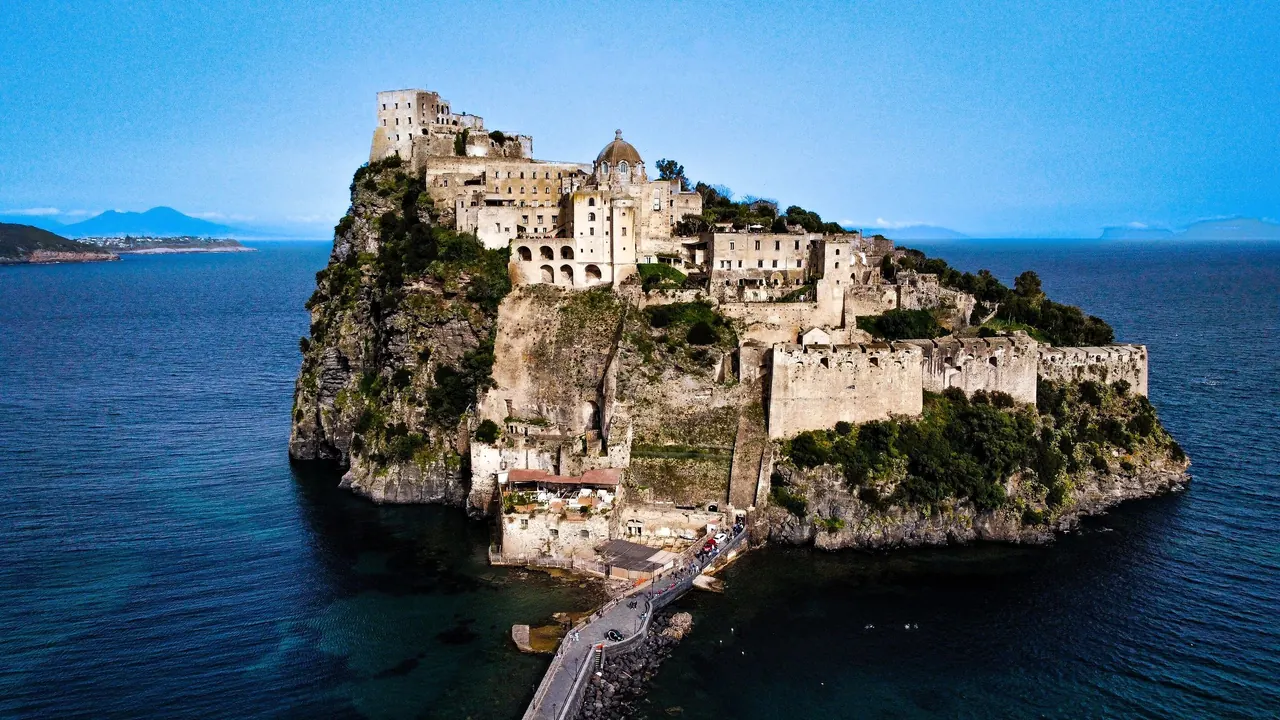
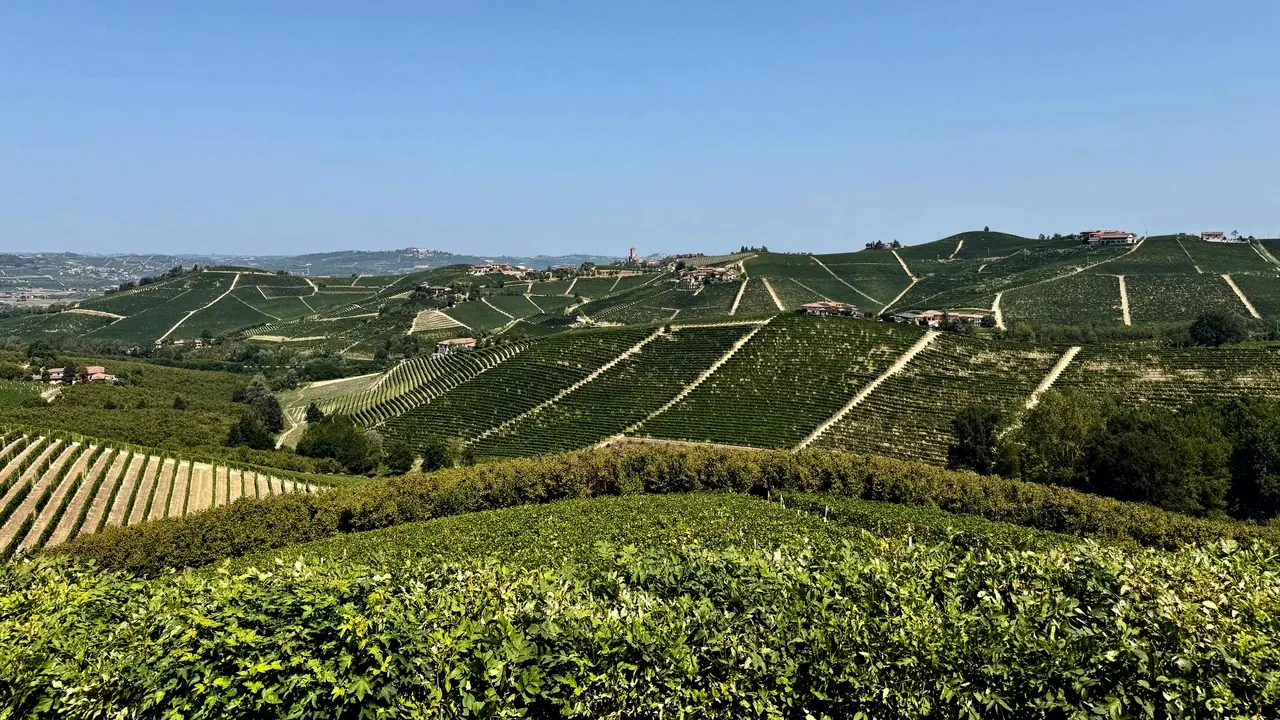
Photos: Ischia by Pipito93, CC BY-SA 4.0, cropped; Piedmont by Martina Amaro, Pexels License.
Ischia or Piedmont?
Our verdict in twelve categories, each scored against the same fixed benchmark cities, and the climate month by month, so you can choose for your trip.
Choose Ischia for
- beaches
- wellness
Ischia is the pick for a summer of sea and hot water. You get warm swimming off the dark sand at Maronti and the sheltered bay of San Montano, terraced thermal parks where whole days go by between pools, and wild springs like Sorgeto in the rocks by the shore. It suits travellers who want one base, a slow pace and the odd ferry to Procida, Naples or Capri, and who won't miss museums, varied cooking or much to do after dinner.
Choose Piedmont for
- culture and sights
- live music and the arts
- food and drink
If you plan a trip around what you'll eat, see and do, Piedmont gives you far more. There's Barolo and white truffles in the Langhe, Turin's Egyptian Museum, royal palaces and opera house, and the real Alps under Monte Rosa for hiking or skiing. The cost is more moving about, often by car, and lakes in place of the sea.
Scoreboard
Twelve categories on one fixed scale from 0 to 100. The shaded stretch is the gap between the two.
Your match
Pick a travel style or drag the sliders, and both match scores follow your weighting.
Wins on beaches and wellness with your weighting.
Wins on culture and sights and live music and the arts with your weighting.
What matters to you?
Category by category
What the scores mean for a trip.
Beaches & swimming
Salt water against fresh is the real choice here, and Ischia comes out well ahead. Its sea runs a degree or two warmer than the lakes at their best and keeps its warmth about a month longer, so September is still a proper swimming month. The shore mixes dark volcanic sand with rocky coves, many of them easiest to reach by water taxi, and Cartaromana lets you swim with the Aragonese Castle in view. The catch is the crowd. In high summer the popular bays fill with rows of sunbeds and anchored day boats, so the start and end of the season are more comfortable.
In Piedmont you swim from small lidos, wooden bathing platforms and pebble shores at Meina or Cannero on Lake Maggiore, or from the grassy banks of Lake Orta, which is quieter and feels cleaner. The water is cooler and the season ends with the summer. Higher up, the Alpine lakes are only good for a quick cold dip, so swimming is a pleasant extra on a lake stay rather than a reason to come.
Food & drink
Piedmont is one of Italy's great places to eat, and Ischia can't compete. The Langhe hills around Alba bring Barolo, Barbaresco and the autumn white truffle, with tajarin, agnolotti del plin and long Sunday lunches. Turin adds historic coffee houses, bicerin, vermouth and the huge Porta Palazzo market.
Ischia has good things of its own: rabbit braised the island way, grilled fish in Sant'Angelo and Forio, and white wines from Epomeo's terraces. But the range is narrow, many guests eat half-board in their hotel, and you have to go looking for the best meals in the hill villages.
Culture & sights
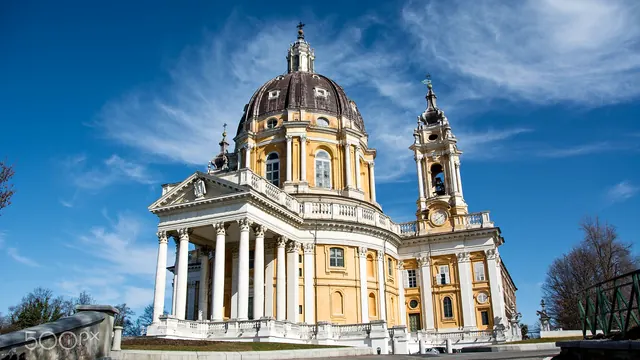
Piedmont has much more to see. Turin alone has the Egyptian Museum, the Royal Palace, Palazzo Madama and the Cinema Museum in the Mole Antonelliana. Around it are the Savoy residences at Venaria Reale and Stupinigi, and further out the Sacra di San Michele and the Sacri Monti chapels.
Ischia's heritage fits into a couple of days. You can explore the Aragonese Castle on its rock, see Nestor's Cup from Greek Pithekoussai in the Villa Arbusta museum, and wander the lanes of Ischia Ponte. After that, most visitors take the ferry to Naples for more.
Nightlife
Neither is a party place, but Piedmont has more going on after dark, and nearly all of it is in Turin. Aperitivo leads on to the student-filled bar streets of San Salvario and Vanchiglia and the summer riverside along the Po, with clubs for those who want them.
Ischia's evenings are a long dinner and a stroll. Ischia Porto has wine bars, cocktail terraces and a couple of discos in July and August, and the harbours at Sant'Angelo and Forio go quiet after sunset drinks.
Nature & outdoors
The difference is one of scale: a single volcano against the Alps. On Ischia the walking centres on Monte Epomeo, 789m high, with paths through chestnut woods and vineyards. Add the steam vents on the south coast and snorkelling or diving in the protected waters shared with Procida, and it's a lovely landscape, but a week covers it.
Piedmont's mountains are a trip in themselves. Monte Rosa rises above Alagna and Macugnaga, Gran Paradiso has its ibex, the Val Grande is truly wild, and the slopes around Sestriere hosted Olympic events. Lower down, Lake Maggiore suits sailing and the Langhe hills suit road cycling, though the high country needs a base of its own.
Day trips
Both make good bases, but Piedmont gives you more choice and more directions to go in. From Turin, fast trains reach Milan in about an hour, and Genoa and Aosta aren't much further. Within the region you have the Barolo villages, Alba and Asti, and from Lake Maggiore boats run to the Swiss shore and Orta San Giulio is a short drive.
Every outing from Ischia starts at the ferry quay. That's still a fine list: pastel Procida, Naples and its archaeological museum, the Phlegraean Fields via Pozzuoli, and Capri or Sorrento in summer. Pompeii and Herculaneum are possible, but it makes a long day.
Good for families
The two are about equal for children but suit different trips. Ischia is a simple beach-and-pool vacation, with gentle water at San Montano and warm thermal pools around Forio. But nothing there is built for children, and the stepped villages are hard going with a pushchair.
Piedmont needs more planning but gives more variety. Children enjoy the mummies and the Cinema Museum in Turin, boat rides to the islands on Lake Maggiore and ski schools in the Via Lattea, while the wine hills will bore most of them.
Getting around
Piedmont is easier to travel without a car, but only along its main lines. Turin is flat and arcaded, with trams and a metro, and regional trains reach Alba, Asti and Stresa on Lake Maggiore. The Langhe hilltops and the Alpine valleys really need a car, though the roads are good.
On Ischia it's the other way round: a car is more trouble than it's worth. One coastal road loops the island, and its buses are slow and crowded in summer, so most people pick a base and add microtaxis or water taxis.
Shopping & style
The gap here is between one evening stroll and a whole city's worth of streets. On Ischia, shopping means the long walk from Ischia Porto to Ischia Ponte along Via Roma and Corso Vittoria Colonna, past linen, leather sandals and jewellery. The villages add ceramics, limoncello and thermal cosmetics. It's pleasant after dinner, but not a reason to go.
Turin gives Piedmont proper shopping streets in its own Via Roma and the pedestrian Via Garibaldi, and on Saturdays the Balon flea market fills up beside Porta Palazzo. Most of what visitors take home is edible: gianduiotti, hazelnuts and Barolo bought at the cellar door. Cashmere from the Biella mills is the other good buy.
Affordability
Piedmont is generally a little kinder on the wallet. Turin's hotels, generous aperitivo and countryside trattorias keep costs moderate, though the Langhe gets expensive in truffle season and the ski resorts charge Alpine prices.
Ischia is an ordinary Italian resort rather than a luxury one, and half-board spa hotels are good value. In July and August, though, rooms fill up and sunbeds, thermal park entry and boat trips add up over a week. Spring and autumn are noticeably cheaper.
Live music & performing arts
Here Piedmont is far ahead, thanks to Turin. The Teatro Regio runs a full opera and ballet season, the RAI National Symphony Orchestra has its own auditorium, and the Teatro Carignano stages drama. The Stresa festival brings classical concerts to the lake in summer.
Ischia offers summer chamber music in William Walton's Mortella gardens, film screenings at the castle and village saints' processions. For opera you have to cross to Naples.
Wellness & relaxation
Ischia is built around its hot springs, and it beats Piedmont clearly here. Hotels pipe the water into their own pools, terraced thermal parks at Citara, Lacco Ameno and Casamicciola step down to the sea, and you can bathe at Sorgeto even on winter evenings or try the steam caves at Cavascura.
Piedmont has real thermal water too, at Acqui Terme with its Bollente spring and at mountain baths near Cuneo. But there the rest comes more from a Langhe farm stay or a quiet shore on Lake Orta than from the spas.
When should you go?
Pick your month. The climate figures are measured averages, not a forecast.
Ischia in July
Piedmont in July
Daytime high, °C
Rainfall in the month, mm
Where the figures come from
Ischia's temperatures are measured 36 km from the centre, at Grazzanise.
Ischia has no rain gauge within 25 km of the centre, so its rainfall comes from a gridded climate dataset read at the destination rather than from a gauge further away.
Piedmont has no weather station within reach, so its figures come from a gridded climate model rather than a measured record, and read a broad area rather than one spot.
Temperature and rainfall are climate normals, averaged over the years shown. Ischia: 1991-2020 normals, Grazzanise (36 km from centre). Piedmont: 1991-2020 normals, TerraClimate 4 km grid at the town, no weather station within 90 km.
Ischia is a summer island. The sea is warm enough for swimming from June to early October and reaches about 26°C in August. July and August are very dry and sunny, with highs around 31°C, which is better for the beach and the thermal pools than for climbing village steps. Spring and late September are kinder for walking on Monte Epomeo. From October the rain sets in, peaking at about 148mm in November. The winter is mild but grey, though the hot springs still work in the cold.
Piedmont has a wider spread of seasons. Summer highs of about 29°C suit the lakes and the high mountain trails. Late spring and early autumn are the best times to walk Turin and tour the wine hills, though May and October bring a fair share of showers. Winter is much colder than on Ischia, with highs near 9°C, and that's when the Alpine ski season runs. November is the wettest month in both places, but Piedmont's rain is lighter.
Which traveller are you?
For a beach and sun trip, choose Ischia. It has real sea swimming, warm water from June to early October and volcanic sand at Maronti and Citara. Piedmont has only lake lidos and pebble shores on Maggiore and Orta, with a short summer season.
On a culture and arts trip, Piedmont is the clear choice. Turin's Egyptian Museum, its Baroque squares and the Savoy palace at Venaria Reale lead the way, and the Teatro Regio adds opera. Ischia's Aragonese Castle and Greek finds take a couple of days at most.
For a relaxing and wellness trip, go to Ischia. Most hotels have their own thermal pools, there are big terraced spa parks, and you can bathe in hot springs among the sea rocks at Sorgeto. Piedmont's Acqui Terme and quiet Langhe farm stays are restful, but the waters there are a side attraction, not the point of the trip.
Before you go
| Measure | Ischia | Piedmont |
|---|---|---|
| Official language | Italian | Italian |
| Currency | Euro (EUR) | Euro (EUR) |
| Sockets | CFL230 V, 50 Hz | CFL230 V, 50 Hz |
| Driving side | Right | Right |
| Time zone | UTC+1, UTC+2 in summer | UTC+1, UTC+2 in summer |
| Emergency number | 112 | 112 |
| Main airport | Naples International Airport (NAP)131 non-stop destinations | Turin Airport (TRN)65 non-stop destinations |
| Public holidays this year | 13 days | 13 days |
By the numbers
| Measure | Ischia | Piedmont |
|---|---|---|
| Population | 62,027 | 4,341,375 |
| People per km² | 1,340 | - |
| Swim season, months above 21 °C | 5 months | 4 months |
Where else could you go?
Every comparison below shares a destination with this one, so you can follow Ischia or Piedmont somewhere new.
- Procidavs Ischia
- Caprivs Ischia
- Amalfi Coastvs Ischia
- Lake Maggiorevs Piedmont
- Cinque Terrevs Piedmont
- French Rivieravs Piedmont