
Photos: Kansas City by Dean Hochman from Overland Park, Kansas, U.S., CC BY 2.0, cropped; New Orleans by Bernard Spragg, CC0.
Kansas City or New Orleans?
Our verdict in twelve categories, each scored against the same fixed benchmark cities, and the climate month by month, so you can choose for your trip.
Choose Kansas City for
- families
- prices
Kansas City suits a family road trip, or a visitor who wants barbecue, a major art museum and jazz without the crowds. With a car, children can fill several days with an amusement park, a large zoo, a science centre and an aquarium, and the wide roads and easy parking make the driving between them painless. It is quieter and more spread out, better for a relaxed few days than for big nights.
Choose New Orleans for
- nightlife
- getting around
- food and drink
Choose New Orleans if you want to eat, drink and listen to music. Its Creole and Cajun cooking, its nights on foot with no closing time and the bands on Frenchmen Street go well beyond anything Kansas City offers, and the French Quarter gives it a historic centre you can walk end to end. Adults on a long weekend get the most from it. Families can manage, but the summer heat and Bourbon Street after dark take some planning.
Scoreboard
Twelve categories on one fixed scale from 0 to 100. The shaded stretch is the gap between the two.
Your match
Pick a travel style or drag the sliders, and both match scores follow your weighting.
Wins on families and prices with your weighting.
Wins on nightlife and getting around with your weighting.
What matters to you?
Category by category
What the scores mean for a trip.
Beaches & swimming
Neither city is a beach destination. Kansas City is far inland, so summer swimming means the sandy lake beaches in county parks at the edge of the metro area, or a pool.
New Orleans has a little more to offer. Well over an hour's drive away, at Bay St. Louis or Gulfport, the Gulf is warm in summer, though it is shallow and brownish rather than clear. Nobody bathes in Lake Pontchartrain or the Mississippi, so in town you swim in a hotel pool.
Food & drink
Kansas City is a food city with one subject, and that subject is barbecue: meat smoked over hickory, a thick sweet sauce and burnt ends. Locals argue over the best of it, from old counters near 18th and Vine to petrol-station joints, and the steakhouses carry on the cattle-town past. Away from the smoke, the River Market counters and the Westside's Mexican cooking help, but much of the rest will feel familiar.
New Orleans eats on another level. Creole and Cajun cooking give it a whole cuisine of its own, from gumbo and étouffée in century-old French Quarter dining rooms to po'boys in Mid-City, crawfish in spring and oysters in the cooler months, and the Sazerac was invented here. The food is rich and sticks to its own tradition, but for a trip planned around meals it is the stronger choice.
Culture & sights
Kansas City's strength is its museums. The Nelson-Atkins has its Chinese art and Oldenburg shuttlecocks, the National WWI Museum is a serious visit, and 18th and Vine has the Negro Leagues and jazz museums. Between them there are few historic streetscapes, and the sights are far apart.
New Orleans is the other way round. Its list of museums is shorter, although the National WWII Museum is as weighty as Kansas City's memorial to the earlier war. Here the city itself is the sight: the French Quarter's balconies and courtyards around Jackson Square, the Garden District mansions and the above-ground tombs. For a visitor who likes to wander, that gives it the edge.
Nightlife
This is where the two cities are furthest apart. Kansas City's nights are friendly but split between the Power and Light District, Westport and the Crossroads. You need a car or a ride between them, and the city goes quiet early in the week.
New Orleans has no closing time and lets you carry a drink down the street, so a night drifts on foot from the Frenchmen Street clubs to Bywater dives and old corner bars. Bourbon Street is the loud, crowded end of it, and late at night it is best to take a taxi off the busy streets.
Nature & outdoors
Prairie against swamp sums up the difference. Kansas City sits in gently rolling farmland along the Missouri and Kansas rivers, which is pleasant but plain, so its outdoors happens mostly in town: Swope Park, the Loose Park rose garden, creek trails and reservoirs for boating. Real hiking country in the Ozarks is hours away.
New Orleans has more to go out of your way for, because its watery landscape is unusual. Cypress swamps and bayous lie within an hour, where you can see alligators and herons from a boat or kayak, and the Barataria Preserve has boardwalk trails. Closer in, City Park's live oaks and the levee path along the Mississippi make an easy afternoon, though summer heat keeps outdoor plans to spring and late autumn.
Day trips
From Kansas City, a hired car reaches Truman's home in Independence, the university town of Lawrence, the river town of Weston and St Joseph's Pony Express museum. They make pleasant half days, but nobody comes for them.
New Orleans has a stronger classic outing along the River Road. Oak Alley shows the plantations' grandeur, and the Whitney tells the history of the people enslaved there. Baton Rouge, the small Gulf towns and, at a stretch, Cajun country around Lafayette complete a short but more memorable list.
Good for families
Kansas City is the easier choice for families. Worlds of Fun with its water park, the large zoo, Science City inside Union Station and the aquarium and Legoland centre at Crown Center add up to several full days. Wide roads and easy parking take the strain out of driving between them.
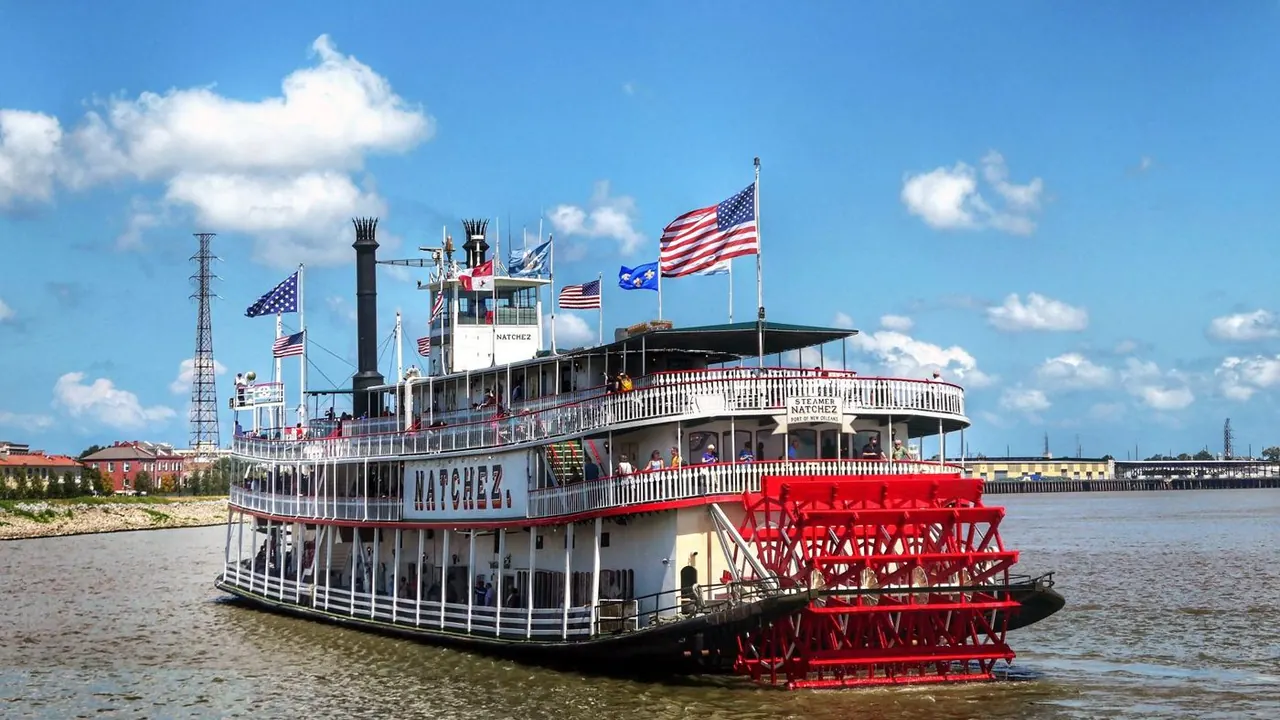
New Orleans has good things for children too, including Audubon Zoo, the riverfront aquarium, City Park's carousel and storybook garden, and paddle-steamer rides. But the summer heat, Bourbon Street at night and the need to choose where you walk after dark make it harder work for parents.
Getting around
Kansas City expects you to drive. The streetcar along Main Street links the River Market, downtown, Union Station and Crown Center, but beyond that line buses are sparse, pavements run out and the main sights lie far apart.
New Orleans is much easier without a car. The French Quarter, the Marigny and the Warehouse District are flat and walkable, and the historic St. Charles streetcar is a pleasure in itself. The streetcars are slow and ride-hailing covers the airport and late nights, but you only need a car for day trips.
Shopping & style
Kansas City's shopping centres on the Country Club Plaza, with chain and upmarket stores set around Spanish-style courtyards. The Crossroads adds vintage and design shops, and most of the rest is in suburban malls.
New Orleans is better for browsing. Royal Street has its antique dealers and galleries, Magazine Street runs for miles of independent boutiques and vintage shops, and Mardi Gras masks and pralines make souvenirs with real local roots. Neither city is the place to hunt for designer labels.
Affordability
Overall, a stay costs about the same in both, roughly what an ordinary American city costs, but the money goes on different things. In Kansas City, hotels are reasonable and the Nelson-Atkins is free to enter, but a hired car and tickets for the theme park, zoo and ball games mount up.
New Orleans needs no car, and much of its pleasure is free, from street musicians to walks through the Quarter. Rooms are the big expense, though, and they climb steeply around Mardi Gras and Jazz Fest. To keep costs down, stay along the streetcar lines or come in summer.
Live music & performing arts
Both are real jazz cities, but they play at different volumes. Kansas City's hard-swinging, blues-based style lives on in small clubs around 18th and Vine, with late jam sessions. The city also has the fuller formal season, with the symphony, opera and ballet at the Kauffman Center.
In New Orleans the music is everywhere: brass bands, zydeco and traditional jazz on Frenchmen Street, street players on Royal Street, Sunday second lines and Jazz Fest in spring. Its orchestra and opera are modest, but for live music this is the city people travel for.
Wellness & relaxation
Spa culture is missing from both cities, so wellness comes down to hotel and day spas. Kansas City's nearest echo of one is the old mineral-water resort at Excelsior Springs, about forty minutes north, and a quiet morning in the Nelson-Atkins sculpture park is easy to find.
New Orleans offers a different sort of rest: a courtyard guesthouse and slow streetcar rides under the oaks of St. Charles Avenue. It works as long as you stay clear of the French Quarter at night.
When should you go?
Pick your month. The climate figures are measured averages, not a forecast.
Kansas City in July
New Orleans in July
Daytime high, °C
Rainfall in the month, mm
Where the figures come from
Kansas City has no rain gauge within 25 km of the centre, so its rainfall comes from a gridded climate dataset read at the city rather than from a gauge further away.
Kansas City's sunshine is measured 30 km from the centre, at Kansas City International Airport.
Temperature and rainfall are climate normals, averaged over the years shown. Kansas City: 1991-2020 (sunshine 1981-2010) normals, Kansas City / Harlem (8.2 km from centre). New Orleans: 1991-2020 (sunshine 1981-2010) normals, New Orleans Airport (2.7 km from centre).
Kansas City has real seasons. Winters are cold, with January afternoons around 5°C, and summers are hot, humid and very sunny, with July near 32°C. Late spring brings the heaviest rain, with May the wettest month. That makes September and October the most comfortable time for walking, parks and outdoor sights, with late April a second choice.
New Orleans is mild when Kansas City is cold. January afternoons reach about 17°C, so it works as a winter escape, and February to April are the best months for the streets. From June to September it is hot, sticky and wet, with June the rainiest month at 194mm. The Gulf warms to about 30°C in high summer, warm enough for a swim on the coast, though not in the city itself. October and November bring a second good spell. Put simply, New Orleans is the winter and spring choice and Kansas City the early autumn one.
Which traveller are you?
On a food and nightlife trip, Kansas City gives you serious barbecue and a calm, friendly night out. New Orleans goes much further, with Creole and Cajun cooking, cocktails invented in the city and bars with no closing time.
On a family trip with children, Kansas City is the safer bet, especially in summer and with a car. Its attractions are built for children and the evenings are calm. New Orleans suits older children better, outside the hottest months and away from the Quarter late at night.
For a short city break, Kansas City asks for more time behind the wheel, because its sights are far apart. In New Orleans the French Quarter, Frenchmen Street and the Garden District are linked on foot or by streetcar, so a few days go further.
Before you go
| Measure | Kansas City | New Orleans |
|---|---|---|
| Currency | US Dollar (USD) | US Dollar (USD) |
| Sockets | AB120 V, 60 Hz | AB120 V, 60 Hz |
| Driving side | Right | Right |
| Time zone | UTC-6, UTC-5 in summer | UTC-6, UTC-5 in summer |
| Emergency number | 911 | 911 |
| Elevation | 277 m | -2 m |
| Main airport | Kansas City International Airport (MCI)30 km from centre57 non-stop destinations | Louis Armstrong New Orleans International Airport (MSY)18 km from centre51 non-stop destinations |
| Public holidays this year | 14 days | 14 days |
By the numbers
| Measure | Kansas City | New Orleans |
|---|---|---|
| City population | 508,090 | 383,997 |
| People per km² | 615 | 423 |
| Museums within 10 km | 12 | 16 |
| UNESCO World Heritage sites within 50 km | 0 | 0 |
| Swim season, months above 21 °C | - | 7 months |
Where else could you go?
Every comparison below shares a destination with this one, so you can follow Kansas City or New Orleans somewhere new.
- Gulf Shoresvs New Orleans
- Orange Beachvs New Orleans
- Pensacolavs New Orleans
- Bransonvs Kansas City
- Destinvs New Orleans
- St. Louisvs Kansas City