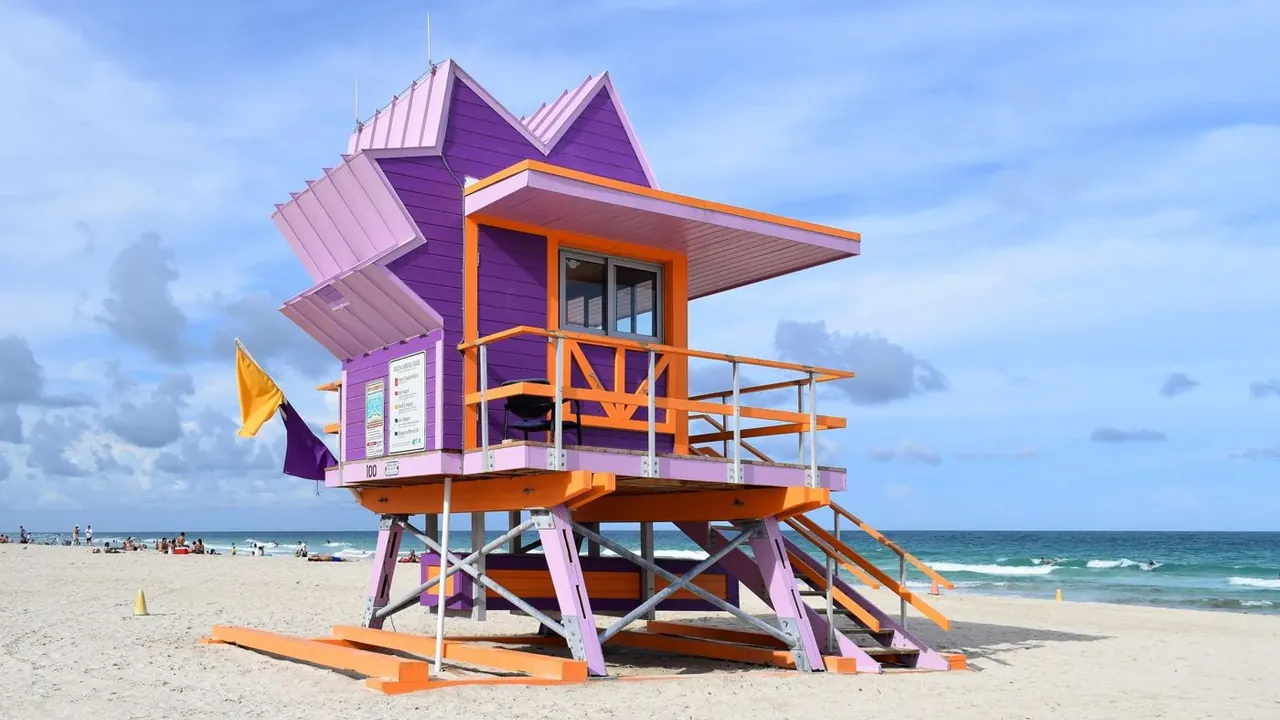
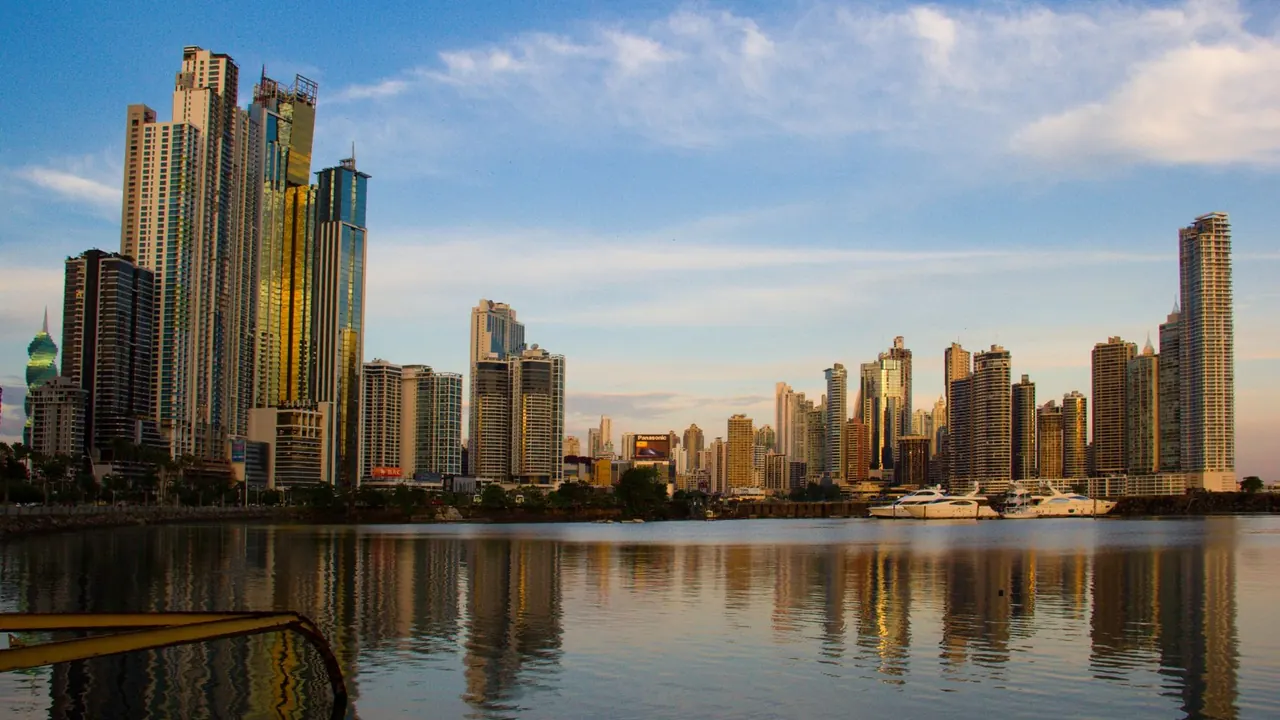
Photos: Miami by Radomianin, CC BY-SA 4.0, cropped; Panama City by Ayaita, CC BY-SA 3.0, cropped.
Miami or Panama City?
Our verdict in twelve categories, each scored against the same fixed benchmark cities, and the climate month by month, so you can choose for your trip.
Choose Miami for
- beaches
- wellness
- live music and the arts
Miami suits a trip built around the sea and the night. A long strip of pale sand and a warm, gentle Atlantic come with Cuban and Latin food, late clubs and luxury shopping, all within a short ride of each other. Families get calm water and big days out. The catch is the cost, and there is little to see beyond the city except suburbs and wetland.
Choose Panama City for
- prices
- nature and the outdoors
- day trips
Travellers more curious about rainforest, colonial history and the Canal than about a sun lounger will get more from Panama City. Sloths and toucans live inside the city limits, Casco Viejo and the ruins of Panamá Viejo carry real history, and the forts at Portobelo make a strong day out. Everyday costs are lower, but nobody swims in the bay, and a beach day means leaving town.
Scoreboard
Twelve categories on one fixed scale from 0 to 100. The shaded stretch is the gap between the two.
Your match
Pick a travel style or drag the sliders, and both match scores follow your weighting.
Wins on beaches and wellness with your weighting.
Wins on prices and nature and the outdoors with your weighting.
What matters to you?
Category by category
What the scores mean for a trip.
Beaches & swimming
This is where the two cities differ most. Miami Beach is one continuous run of pale sand from South Beach up to Surfside. You can swim in the Atlantic in every month, and Key Biscayne has calmer shallows for anyone who wants them.
In Panama City the bay along the Cinta Costera is for looking at, not for swimming. Isla Taboga's small beach is a ferry ride away. The Pacific sand around Coronado and the clearer Caribbean water at Portobelo and Isla Grande are an hour or two away by road, so a beach day usually turns into a night away.
Food & drink
Both cities cook Latin food and both lean on the sea, but Miami has far more to choose from. Cuban food from the ventanitas of Little Havana is the base, with Venezuelan, Peruvian, Haitian and Nicaraguan kitchens across the city. Stone crab and grouper give it a seafood speciality of its own, and Brickell and the Design District add serious upscale dining.
Panama City's food is simpler and more homely: cups of ceviche at the Mercado de Mariscos, sancocho and rice with pigeon peas in the fondas, and chef-led cooking in Casco Viejo. Where it wins is coffee, with highland Geisha beans served in speciality cafés all over the city.
Culture & sights
Neither city needs more than a few days, but the history goes much further back in Panama City. Casco Viejo's colonial streets and the ruins of Panamá Viejo are both UNESCO-listed, and watching ships rise and fall in the Miraflores Locks is a sight you cannot see anywhere else.
Miami's heritage is barely a century old, and its strength is design. The pastel Art Deco blocks of South Beach, the gardens of Vizcaya and Wynwood's murals are the highlights, and its art museums are stronger, led by the Perez on the bay.
Nightlife
Miami has the much bigger night out. South Beach and the downtown clubs run until dawn on international DJs and bottle tables. Wynwood's warehouse bars, Brickell's rooftops and the salsa nights on Calle Ocho offer other moods, and all of it costs a lot.
Panama City also goes out late, mainly from Thursday to Saturday. There are rooftops and cocktail bars in Casco Viejo, and reggaeton and salsa clubs around Calle Uruguay. The scene is smaller and more local, and you take a taxi between districts.
Nature & outdoors
Panama City has the wilder outdoors. Rainforest begins inside the city at Parque Natural Metropolitano, and Pipeline Road in Soberanía draws birdwatchers from around the world. Boats from Gamboa pass monkeys on the banks of Gatún Lake as cargo ships go by.
Miami's nature is flatter and wetter: airboats and alligators in the Everglades, kayaking through mangroves in Biscayne National Park and snorkelling on the reefs off Key Largo. It is best on and under the water, and best kept for winter, before the summer mosquitoes and storms arrive.
Day trips
Panama City has more worth leaving town for. Portobelo's Spanish forts on the Caribbean coast, a boat trip through part of the Canal, the island village on Taboga and dugout canoe trips to Emberá communities each fill a day well.
From Miami the options are pleasant rather than memorable: the canals of Fort Lauderdale, the mansions of Palm Beach and the seafood towns of the Upper Keys. Key West is the famous one, but at three to four hours each way it works far better with a night there.
Good for families
Miami is the easier choice with children. The calm, warm sea at Key Biscayne and North Beach, Zoo Miami, the aquarium and planetarium at Frost Science and the Venetian Pool can fill a week. Plenty of beach hotels are built around families, although most outings need a car.
Panama City has some good single days out, such as ships in the Miraflores Locks, monkeys seen from a boat near Gamboa and bikes on the Amador Causeway. But broken pavements, heavy heat and no beach to swim at make it harder work.
Getting around
Both are car cities, each with one walkable core, and in both the heat cuts walks short. Miami's walkable pocket is South Beach, flat and easy by bike, and the free Metromover links downtown with Brickell. The catch is that the rail lines never cross to Miami Beach, so ride-hailing and hire cars do most of the work.
Panama City's walkable core is the much smaller Casco Viejo. The metro runs along the city's main axis but misses most of the sights. On the other hand, taxis are cheap and easy to find, which makes getting about less of a strain than in Miami.
Shopping & style
Miami is the stronger shopping city, especially at the top end. It has the fashion flagships of the Design District, the exclusive open-air mall at Bal Harbour and the sheer size of Aventura Mall, plus outlets for bargains and Lincoln Road for an easy stroll.
Panama City also shops in big air-conditioned malls, but its best buys are local ones: Guna molas, Emberá and Wounaan baskets, tagua-nut carvings and highland coffee. You find them in Casco Viejo and at the artisan markets.
Affordability
Panama City is clearly the cheaper trip. Lunch at a fonda, ceviche at the fish market, the metro and taxis all cost little. Only the hotels, restaurants and rooftop bars in Casco Viejo and the banking district cost about what they would in a mid-range Western city.
Miami is expensive almost everywhere, and resort fees, parking, tax and tipping push up every bill. Free beaches, Cuban lunch counters and lower summer room rates help, but the gap stays wide.
Live music & performing arts
Miami has the fuller programme. The Adrienne Arsht Center puts on opera and touring Broadway shows, and Miami City Ballet is a respected company. The New World Symphony plays in its Gehry building and screens concerts on the lawn outside, and Latin bands play across Little Havana.
Panama City's ornate Teatro Nacional has only a short season, and the highlight of the year is the Panama Jazz Festival each January. The rest of the time, live music means salsa and típico in bars, which is hard to plan a trip around.
Wellness & relaxation
Neither city is a natural retreat, but Miami does better. Its beach resorts have large spas with ocean views, sunrise yoga on the sand is easy to find, and a long-established Russian and Turkish bath house offers banya and cold plunges. Key Biscayne and Surfside are the places for quieter days.
Panama City has no bathing tradition of its own and little calm beyond hotel spas and early mornings in Casco Viejo. To really rest, visitors leave for the highlands or the islands.
When should you go?
Pick your month. The climate figures are measured averages, not a forecast.
Miami in July
Panama City in July
Daytime high, °C
Rainfall in the month, mm
Where the figures come from
Panama City has no rain gauge within 25 km of the centre, so its rainfall comes from a gridded climate dataset read at the city rather than from a gauge further away.
Temperature and rainfall are climate normals, averaged over the years shown. Miami: 1991-2020 normals, Miami International Airport (10 km from centre). Panama City: 1991-2020 normals, Tocumen (20.4 km from centre).
Miami is at its best from November to April. Highs sit around 25°C in midwinter, the air is drier and the sea stays warm enough to swim. From May the heat builds and the rain arrives as afternoon storms, with about 267mm in June, so summer is sticky for walking and better spent in the water.
Panama City is hot all year and rarely drops much below 30°C, so the question there is rain rather than temperature. January to April is the dry season and the easiest time to walk, with March almost rainless at 19mm. From May the green season brings afternoon downpours, and October to December is the wettest stretch of all, at over 430mm in November. Late winter and early spring suit both cities, while late autumn is far wetter in Panama City.
Which traveller are you?
On a beach and sun trip, Miami is the clear choice. You can swim in every month along miles of pale sand on Miami Beach. Panama City's bay is not for swimming, and its good beaches are an hour or two away.
For an outdoors trip, Panama City comes out ahead. Rainforest trails with sloths and toucans start inside the city, Pipeline Road is a classic for birdwatchers, and boat trips on Gatún Lake pass monkeys. That is wilder than Miami's Everglades and bay.
On a trip on a tight budget, your money goes further in Panama City. Fondas, ceviche at the fish market, the metro and cheap taxis keep daily costs low. In Miami, hotels, resort fees, tipping and hire cars push almost every bill up.
Before you go
| Measure | Miami | Panama City |
|---|---|---|
| Official language | - | Spanish |
| Currency | US Dollar (USD) | Balboa (PAB) |
| Sockets | AB120 V, 60 Hz | AB110 V, 60 Hz |
| Driving side | Right | Right |
| Time zone | UTC-5, UTC-4 in summer | UTC-5 |
| Emergency number | 911 | 911 |
| Elevation | 2 m | 20 m |
| Main airport | Miami International Airport (MIA)7 km from centre198 non-stop destinations | Tocumen International Airport (PTY)20 km from centre92 non-stop destinations |
| Public holidays this year | 11 days | 14 days |
By the numbers
| Measure | Miami | Panama City |
|---|---|---|
| City population | 442,241 | 1,540,000 |
| People per km² | 3,046 | 5,600 |
| Museums within 10 km | 17 | 10 |
| UNESCO World Heritage sites within 50 km | 0 | 2 |
| Swim season, months above 21 °C | 12 months | 12 months |
Where else could you go?
Every comparison below shares a destination with this one, so you can follow Miami or Panama City somewhere new.