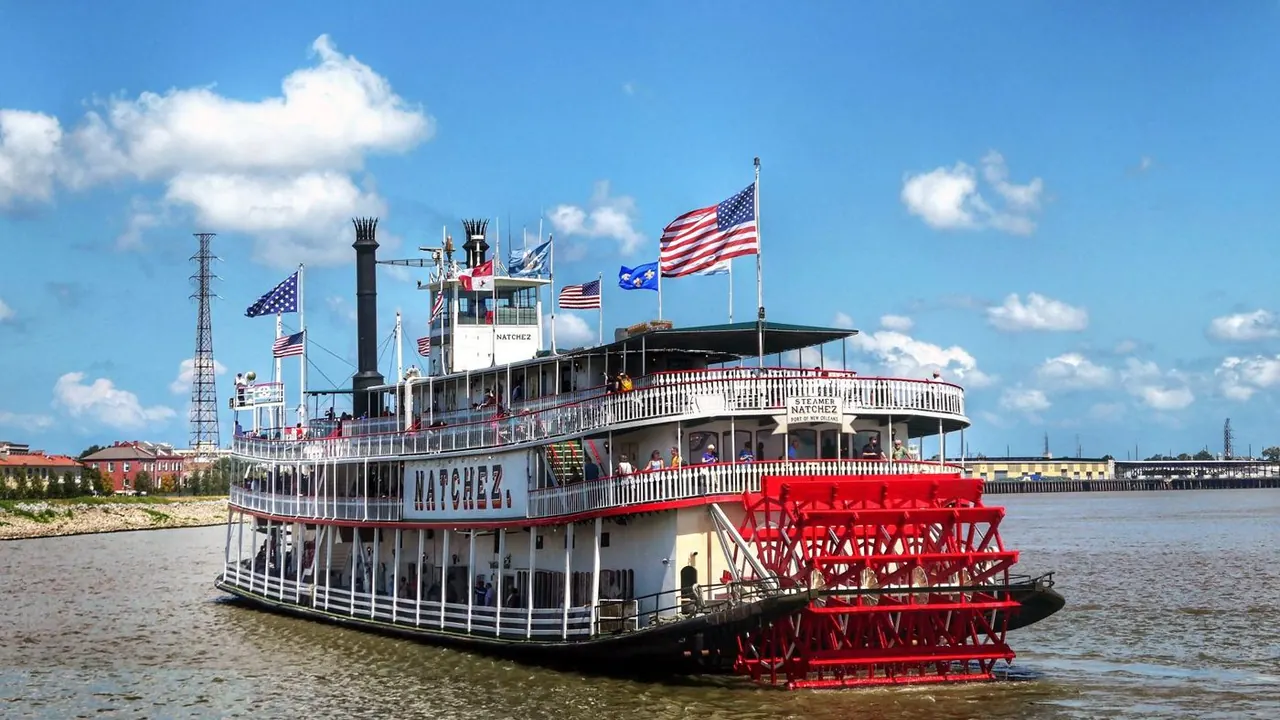
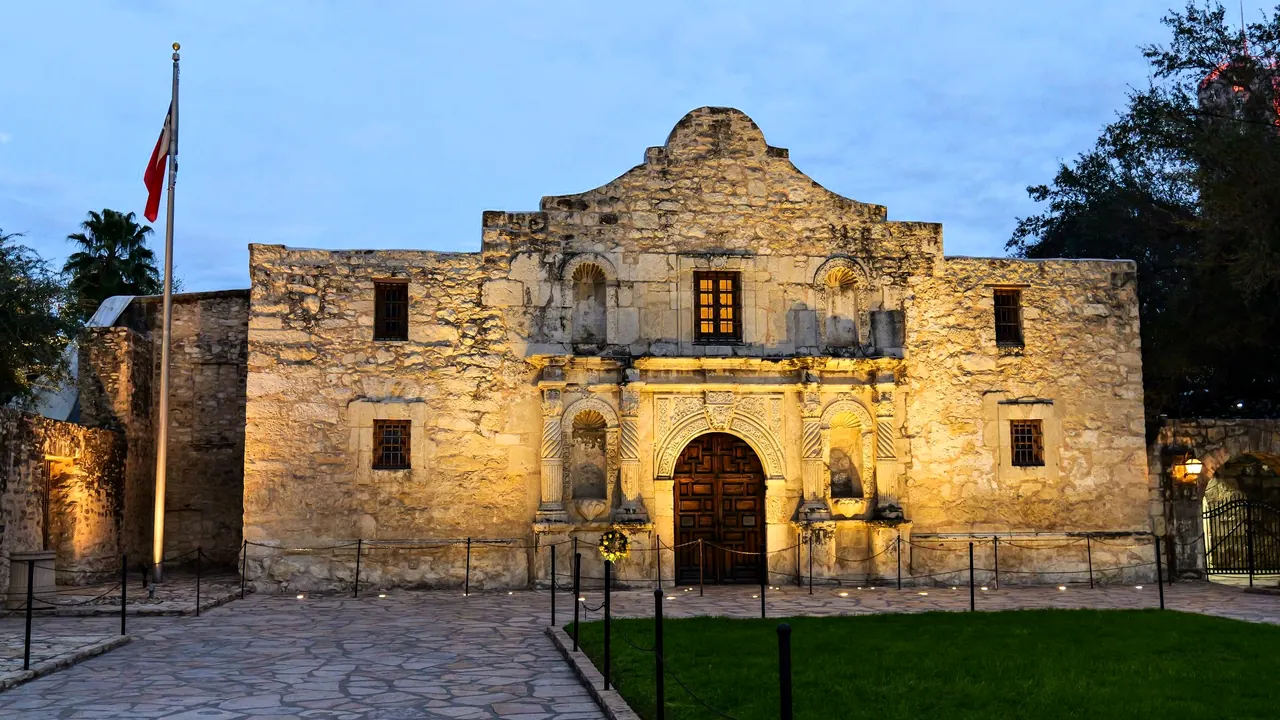
Photos: New Orleans by Bernard Spragg, CC0; San Antonio by Mark Direen, Pexels License.
New Orleans or San Antonio?
Our verdict in twelve categories, each scored against the same fixed benchmark cities, and the climate month by month, so you can choose for your trip.
Choose New Orleans for
- nightlife
- live music and the arts
- food and drink
New Orleans is the choice for adults who travel to eat, drink and listen. Its Creole and Cajun cooking, its late, street-level nights and the jazz and brass bands playing somewhere every evening are all far stronger than anything San Antonio offers. Add the French Quarter, which you can see on foot and by streetcar without a car, and it suits couples and friends on a city break built around evenings.
Choose San Antonio for
- families
- prices
- day trips
San Antonio is the better pick for families and anyone planning a road trip. Two big theme parks, hands-on museums and gentle river cruises make it much easier with children, and the Hill Country towns, rivers and wineries give a car real use. It is also the cheaper of the two, though the nights end earlier and the food is mostly Tex-Mex and barbecue.
Scoreboard
Twelve categories on one fixed scale from 0 to 100. The shaded stretch is the gap between the two.
Your match
Pick a travel style or drag the sliders, and both match scores follow your weighting.
Wins on nightlife and live music and the arts with your weighting.
Wins on families and prices with your weighting.
What matters to you?
Category by category
What the scores mean for a trip.
Beaches & swimming
Neither city is a beach destination, and swimming in both usually means a hotel pool. New Orleans is the closer of the two to salt water, with the Mississippi Gulf Coast at Bay St. Louis and Gulfport just over an hour away, but the sea there is shallow, warm and murky.
San Antonio's answer is fresh water. The clear, cool, spring-fed Comal and San Marcos rivers lie under an hour north for tubing, and there are limestone swimming holes in the Hill Country, which makes a summer afternoon there more appealing than it sounds.
Food & drink
New Orleans has one of the most distinctive cuisines in the country: Creole and Cajun cooking from gumbo and étouffée to turtle soup, old French Quarter dining rooms, beignets by Jackson Square, and the Sazerac and Vieux Carré, both invented here. The menu also changes with the seasons, from spring crawfish boils to oysters in the cooler months.
San Antonio eats well within a narrower range. Breakfast tacos, puffy tacos, barbacoa and smoked brisket are worth seeking out on the West and South Sides, away from the River Walk, and the Pearl adds a farmers' market. It is good enough to plan meals around, but it does not have the depth or the drinking culture of New Orleans.
Culture & sights
The French Quarter gives New Orleans the stronger sightseeing. It is a whole colonial town of iron balconies and courtyards around the Cabildo and St. Louis Cathedral, with the Garden District mansions, the above-ground tombs and the National WWII Museum on top.
San Antonio's heritage is Spanish frontier rather than Creole. The Alamo and the four missions along the river, San José the finest of them, form a UNESCO World Heritage Site, and the McNay and the Museum of Art are worth an afternoon. But the sights are fewer and more spread out, and two or three days covers them.
Nightlife
This is where the two cities differ most. New Orleans has no legal closing time and lets you carry drinks along the street. Its nights run from neon Bourbon Street to Frenchmen Street and the corner bars of the Bywater, and in Carnival season the city parties for weeks.
San Antonio goes out earlier and more quietly: margaritas on River Walk patios, cold beer at icehouses in Southtown and on the St. Mary's Strip, a Tejano dance hall, and last orders at 2am. It makes a pleasant evening rather than a reason to travel.
Nature & outdoors
The two are close here, but the landscapes could hardly be more different. Outdoors in New Orleans means water: boat or kayak trips through cypress swamps to see alligators, the boardwalks of the Barataria Preserve, and the old oaks and lagoons of City Park.
San Antonio has a little more for active travellers because it sits on the edge of the limestone Hill Country. You can hike or ride the trails at Government Canyon, explore caverns, kayak the Guadalupe or climb the granite dome of Enchanted Rock, which is about two hours away.
Day trips
San Antonio has more places worth a day out. Fredericksburg and its wineries, German-rooted Gruene and New Braunfels, small towns like Boerne and Bandera, and Austin within about an hour and a half fill several days, though you need a car for all of them.
From New Orleans, the strongest outing is the River Road to the plantations, where the Whitney's account of slavery stays with you. The quiet Gulf towns are another option, but the Cajun prairie around Lafayette is about as far as a day allows, and after that the list is short.
Good for families
San Antonio is the easier city with children. SeaWorld and Six Flags Fiesta Texas are on the outskirts, Brackenridge Park holds the zoo and the Witte Museum, and the DoSeum and River Walk boat rides suit younger children, although you need a car to link them all.
New Orleans has a good handful of family outings: Audubon Zoo, the riverfront aquarium, the carousel and children's museum in City Park, and parade spots on St. Charles Avenue. But summer is very sticky, and parents need to keep children away from Bourbon Street and some areas after dark.
Getting around
New Orleans is much easier without a car. The French Quarter, the Marigny and the Warehouse District sit close together on flat ground by the river, and the green St. Charles streetcars run on to the Garden District and Uptown, slowly but pleasantly.
In San Antonio, the shaded River Walk links the Alamo, the cathedral and the Pearl, and a bike path runs along the river to the missions. Beyond that you depend on highways, with no rail and slow buses, so most visitors hire a car or use ride-hailing.
Shopping & style
New Orleans has more character in its shops. Royal Street's antique dealers and galleries and the miles of independent and vintage shops on Magazine Street make browsing a pleasure, and Mardi Gras masks and costumes are its own speciality.
San Antonio's highlights are El Mercado at Market Square, with Mexican embroidery, pottery and piñatas, and its specialist shops for boots and Western hats. Most of the rest is malls and the outlet centres up the road in San Marcos.
Affordability
San Antonio is the cheaper of the two. Hotels built for the convention trade keep room rates moderate away from the river, local tacos and barbecue cost little, and the missions are free to visit, although car hire and theme park tickets soon add up.
In New Orleans, rooms in and near the Quarter are the big expense, taxes are high and rates jump on festival weekends. Daily spending can stay modest, though, since the streetcar, po'boys and the music on Royal Street cost little or nothing.
Live music & performing arts
New Orleans is a city people travel to for music. Every night there is traditional jazz, brass bands, funk and zydeco on Frenchmen Street and in the bars of Tremé, Sunday second lines move through the neighbourhoods, and Jazz Fest anchors the spring. Its formal stage is modest, with the Louisiana Philharmonic and touring shows at the Saenger.
San Antonio has the steadier formal programme for its size, with symphony, opera and ballet at the Tobin Center and touring shows at the Majestic. Its own sound is accordion-led conjunto and Tejano, heard at Fiesta and in the dance halls. It is pleasant, but you would not plan a trip around it.
Wellness & relaxation
Neither city has a bathing or spa culture, so wellness in both comes down to hotel spas and a slow pace. In New Orleans, the restful side is a quiet courtyard guesthouse, a streetcar ride under the oaks and a lazy afternoon in City Park.
San Antonio has the resort option: guests who really want rest usually head to the golf and Hill Country resorts on the north side, with the Japanese Tea Garden for a calm morning in town.
When should you go?
Pick your month. The climate figures are measured averages, not a forecast.
New Orleans in July
San Antonio in July
Daytime high, °C
Rainfall in the month, mm
Temperature and rainfall are climate normals, averaged over the years shown. New Orleans: 1991-2020 (sunshine 1981-2010) normals, New Orleans Airport (2.7 km from centre). San Antonio: 1971-2000 (sunshine 1981-2010, rainfall 1991-2020) normals, San Antonio / Lackland Air Force Base (9.6 km from centre).
Through the year the two cities' temperatures run almost in step. Winters are mild, with January highs around 17°C, and March, April, late October and November are the comfortable months for walking the streets. From June to September both are too hot for long days of sightseeing. The real difference is rain. New Orleans is wet in every month and wettest in summer, with about 194mm in June. The Gulf is warm enough to swim from May, and from June to August it reaches about 30°C, if you are willing to drive to the coast.
San Antonio is far drier. Its rainier spells come in May and again in September and October, and even then it gets less rain than New Orleans does in most months. Its summer is fiercer, with July and August reaching 35°C under the sunniest skies of either city, so the spring-fed rivers are the place to be then. In both cities, spring and late autumn are the best times to go, and San Antonio is more likely to give you dry days.
Which traveller are you?
On a food and nightlife trip, New Orleans is the clear choice. Gumbo, oysters and crawfish boils lead into nights with no closing time, drifting between the bars and music clubs of Frenchmen Street, while San Antonio's evenings are relaxed and mostly over by two.
On a family trip with children, San Antonio is the easier city. SeaWorld, Six Flags Fiesta Texas, the Witte Museum's dinosaurs and the DoSeum keep children busy, while New Orleans has fewer attractions for them, very humid summers and a party district to steer around.
On a tight budget, San Antonio goes further. Plentiful convention hotels, cheap tacos and barbecue and free entry to the missions keep costs down. New Orleans hotels near the Quarter are priced like a big American city's, although its street music costs nothing.
Before you go
| Measure | New Orleans | San Antonio |
|---|---|---|
| Currency | US Dollar (USD) | US Dollar (USD) |
| Sockets | AB120 V, 60 Hz | AB120 V, 60 Hz |
| Driving side | Right | Right |
| Time zone | UTC-6, UTC-5 in summer | UTC-6, UTC-5 in summer |
| Emergency number | 911 | 911 |
| Elevation | -2 m | 198 m |
| Main airport | Louis Armstrong New Orleans International Airport (MSY)18 km from centre51 non-stop destinations | San Antonio International Airport (SAT)12 km from centre48 non-stop destinations |
| Public holidays this year | 14 days | 13 days |
By the numbers
| Measure | New Orleans | San Antonio |
|---|---|---|
| City population | 383,997 | 1,434,625 |
| People per km² | 423 | 1,187 |
| Museums within 10 km | 16 | 11 |
| UNESCO World Heritage sites within 50 km | 0 | 1 |
| Swim season, months above 21 °C | 7 months | - |
Where else could you go?
Every comparison below shares a destination with this one, so you can follow New Orleans or San Antonio somewhere new.
- Austinvs San Antonio
- Gulf Shoresvs New Orleans
- Orange Beachvs New Orleans
- Pensacolavs New Orleans
- Houstonvs San Antonio
- Destinvs New Orleans