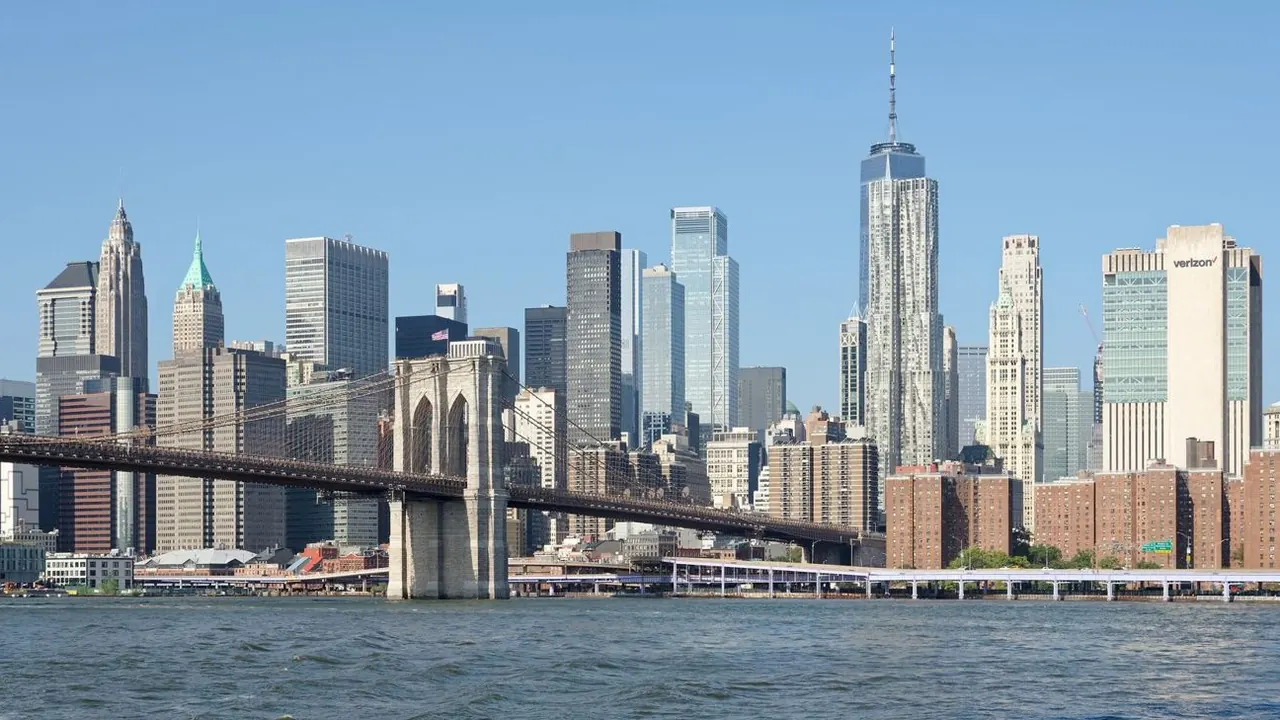
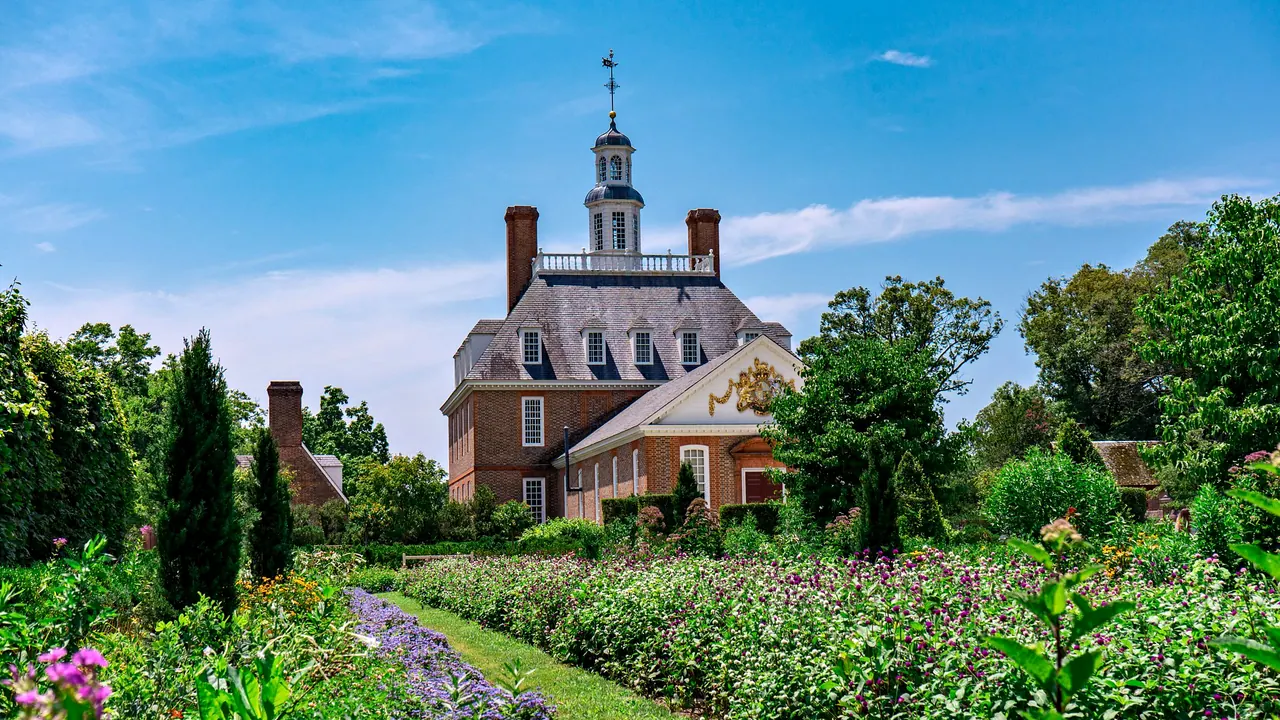
Photos: New York by Jakub Hałun, CC BY 4.0, cropped; Williamsburg, Virginia by Brian Magill, Pexels License.
New York or Williamsburg, Virginia?
Our verdict in twelve categories, each scored against the same fixed benchmark cities, and the climate month by month, so you can choose for your trip.
Choose New York for
- nightlife
- live music and the arts
- food and drink
New York suits a trip built around the city itself: dinners across dozens of cuisines, a Broadway show or a night at the opera, the Met and MoMA by day and bars that keep going until dawn. It is best for adults who want range and intensity and can live with high costs, small hotel rooms and constant noise.
Choose Williamsburg, Virginia for
- prices
- families
Williamsburg makes more sense for a slower, cheaper trip with children, or for anyone drawn to early American history. The restored colonial capital, Jamestown and Yorktown tell the founding story in one tight cluster, and the theme park and water park fill the other days. Bring a car, and don't expect much after dark.
Scoreboard
Twelve categories on one fixed scale from 0 to 100. The shaded stretch is the gap between the two.
Your match
Pick a travel style or drag the sliders, and both match scores follow your weighting.
Wins on nightlife and live music and the arts with your weighting.
Wins on prices and families with your weighting.
What matters to you?
Category by category
What the scores mean for a trip.
Beaches & swimming
New York has the better beach access, simply because the sand is on the subway. Coney Island and Brighton Beach have a boardwalk and old rides, the Rockaways draw surfers, and Jones Beach is about an hour out.
Williamsburg is inland between two rivers, so every beach day means a drive: the small, calm strip at Yorktown, the Chesapeake at Buckroe, or Virginia Beach about an hour away. The water there is a few degrees warmer, though sea nettles can spoil the bay in high summer.
Food & drink
This is one of the widest gaps between the two. New York cooks almost every cuisine on earth in the neighbourhoods that brought it, from Tibetan in Jackson Heights to Polish in Greenpoint, with a deep fine-dining scene above that. At the cheap end there are slices, bagels and deli pastrami.
Williamsburg eats simply and regionally: ham biscuits, peanut soup, crab cakes and bay oysters, plus candlelit colonial taverns where the setting matters more than the cooking. Apart from a few bistros near the college, Richmond Road is mostly pancake houses and family chains.
Culture & sights
New York's museums are on another level. The Met, MoMA, the Natural History museum and the Cloisters could each anchor a trip, and landmarks such as the Brooklyn Bridge and Grand Central are known worldwide. Its history is mostly nineteenth and twentieth century, read in brownstones and tenements.
Williamsburg has something New York lacks: a whole eighteenth-century capital re-created around Duke of Gloucester Street, with costumed printers and wigmakers, the Governor's Palace and the Wren Building at the college. It is narrower, a careful reconstruction rather than an untouched old town, and two or three days cover it properly.
Nightlife
New York's nights suit every mood: East Village dives, West Village wine bars, rooftop bars and the warehouse clubs of Bushwick and Williamsburg (the Brooklyn neighbourhood, not the Virginia town). The trains run all night to get you home.
In Virginia's Williamsburg, a ghost walk or a tavern supper is the usual end of the evening, with student pubs in term time and a few taprooms out of town. For a real night out you drive to Norfolk or Richmond.
Nature & outdoors
Neither city is a base for wild country, but New York reaches better landscapes. Central Park, Prospect Park and the waterfront walks fill an easy day. A train up the Hudson in about ninety minutes reaches the steep, rocky climbs of Breakneck Ridge, which are at their best in October colour.
Williamsburg's landscape is flat Tidewater forest, marsh and wide estuaries. It is lovely by bike along the Colonial Parkway or by kayak on the Chickahominy, where you may see ospreys and bald eagles. But there are no hills, and summer brings heat and mosquitoes.
Day trips
New York has the edge, mainly because its day trips can be done by train. Philadelphia and Independence Hall are about an hour and a half away, Princeton and New Haven are close, and the Hudson Valley estates, Dia Beacon and Storm King lie to the north.
Williamsburg's strength is how close its best outings are. Jamestown and Yorktown are each within about twenty minutes, followed by the James River plantations and Richmond. Nearly all of them need a car, though, and these sites carry national rather than international weight.
Good for families
Williamsburg is the easier family vacation. Children can join a fife-and-drum parade, question a costumed blacksmith and board replica ships at Jamestown, then spend a day on roller coasters and water slides. Family motels with pools are everywhere.
New York has bigger single attractions: the dinosaur halls and planetarium, the Bronx Zoo and the free Staten Island Ferry. But subway stations with only stairs, small rooms and Midtown crowds tire young children quickly. Williamsburg's drawbacks are summer heat and the driving between sites.
Getting around
In New York you never need a car. The Manhattan grid is easy to walk, the subway runs around the clock across four boroughs, and ferries and bike docks fill the gaps. The irritations are confusing express trains, weekend reroutes and the airport journey.
Williamsburg is the reverse. The Historic Area, Merchants Square and the campus make a flat walk of about 20 minutes end to end, and Duke of Gloucester Street is closed to cars by day. But the theme parks, the outlets, most hotels, Jamestown and Yorktown are spread along highways, and the buses are too limited to rely on, so almost everyone rents a car.
Shopping & style
New York is a shopping destination in itself. It has flagship stores on Fifth Avenue, luxury houses on Madison, grand department stores, SoHo fashion, and vintage, records and young designers across the river in Greenpoint.
The Virginia town is far narrower but has a character of its own. Colonial-style shops sell pewter, pottery, tin and books printed the old way, Merchants Square has Virginia gifts and kitchenware, and an outlet centre covers the usual brands. There is no luxury shopping at all.
Affordability
Williamsburg costs less, though it is not cheap. Motel and chain-hotel rooms are reasonably priced outside summer weekends and peak weeks. The costs that bite are the entry tickets for the colonial town, Jamestown, Yorktown and the theme parks, plus a rental car.
New York is among the most expensive cities anywhere, with small, costly rooms, tax and a tip on every meal, and steep theatre and observation-deck tickets. You can spend less on slices, food carts, Queens restaurants and the free parks and ferry, and by staying in Brooklyn, Queens or New Jersey.
Live music & performing arts
Here New York has no real rival. Broadway and Off-Broadway, the opera, the Philharmonic and City Ballet at Lincoln Center, Carnegie Hall, Village jazz basements and Harlem gospel mean every evening of a stay can bring a first-rate show.
Williamsburg's performances are part of the colonial experience: candlelit eighteenth-century recitals, period theatre and evening programmes in the Historic Area, plus student concerts and plays at the college. For opera or an orchestra, you drive to Norfolk or Richmond.
Wellness & relaxation
New York's surprise is its bathing culture. There is a Russian and Turkish bathhouse in the East Village dating from the late 1800s, banyas in Brighton Beach and large Korean-style spas in Queens and New Jersey. Beyond those, the city is loud and fast, and calm means the Cloisters gardens or the Brooklyn Botanic Garden.
Williamsburg has no bathing tradition, only the spas at its historic inn and riverside golf resorts. Its pace is gentler, though, and early mornings on the empty colonial greens are about as restful as a town visit gets.
When should you go?
Pick your month. The climate figures are measured averages, not a forecast.
New York in July
Williamsburg, Virginia in July
Daytime high, °C
Rainfall in the month, mm
Where the figures come from
Williamsburg, Virginia's sunshine is measured 60 km from the centre, at Richmond International Airport.
Temperature and rainfall are climate normals, averaged over the years shown. New York: 1991-2020 normals, LaGuardia Airport (12.9 km from centre). Williamsburg, Virginia: 2006-2020 (sunshine 1981-2010, rainfall 1991-2020) normals, Williamsburg / Kingspoint (3.6 km from centre).
Both cities are at their best in spring and autumn, but Williamsburg's good weather starts earlier in spring and lasts later into autumn. New York's streets are most comfortable in May, June, September and October. Winter there is properly cold, with January highs around 5°C, while July and August are hot and sticky. The Atlantic is only warm enough for swimming from July to early September.
Williamsburg has milder winters, so March and November are still fine for walking the Historic Area, and April, May and October are ideal. Summer is the hard season there: highs reach 33°C in July, the air is humid and August is the wettest month at about 151mm. The reward is warm water, around 26°C in the bay and the ocean in July and August, and long, sunny days all summer.
Which traveller are you?
For a food and nightlife trip, New York wins easily. Each cuisine is cooked by the community it came from, from Flushing to Arthur Avenue, and the bars and Brooklyn clubs run past dawn. In Williamsburg the evening ends with a tavern dinner.
On a family trip with young children, Williamsburg is easier. Busch Gardens keeps gentle rides for small children beside its big coasters, the re-created forts at Jamestown and Yorktown invite exploring, and in a safe, relaxed small town the restaurants are used to children.
On a tight budget, Williamsburg makes the money go further. Days can start with a ham biscuit and finish with a cycle along the Colonial Parkway or the Capital Trail, which costs nothing, and the quiet evenings leave little to spend on, unlike New York's cocktails and shows.
Before you go
| Measure | New York | Williamsburg, Virginia |
|---|---|---|
| Currency | US Dollar (USD) | US Dollar (USD) |
| Sockets | AB120 V, 60 Hz | AB120 V, 60 Hz |
| Driving side | Right | Right |
| Time zone | UTC-5, UTC-4 in summer | UTC-5, UTC-4 in summer |
| Emergency number | 911 | 911 |
| Elevation | 25 m | 15 m |
| Main airport | John F. Kennedy International Airport (JFK)21 km from centre189 non-stop destinations | Newport News Williamsburg International Airport (PHF)24 km from centre1 non-stop destination |
| Public holidays this year | 13 days | 13 days |
By the numbers
| Measure | New York | Williamsburg, Virginia |
|---|---|---|
| City population | 8,804,190 | 15,425 |
| People per km² | 7,256 | 656 |
| Museums within 10 km | 161 | 8 |
| UNESCO World Heritage sites within 50 km | 2 | 0 |
| Swim season, months above 21 °C | 3 months | 4 months |
Where else could you go?
Every comparison below shares a destination with this one, so you can follow New York or Williamsburg, Virginia somewhere new.
- Virginia Beachvs Williamsburg, Virginia
- Philadelphiavs New York
- Atlantic Cityvs New York
- Washington DCvs Williamsburg, Virginia
- Ocean City, Marylandvs Williamsburg, Virginia
- Bethany Beachvs Williamsburg, Virginia