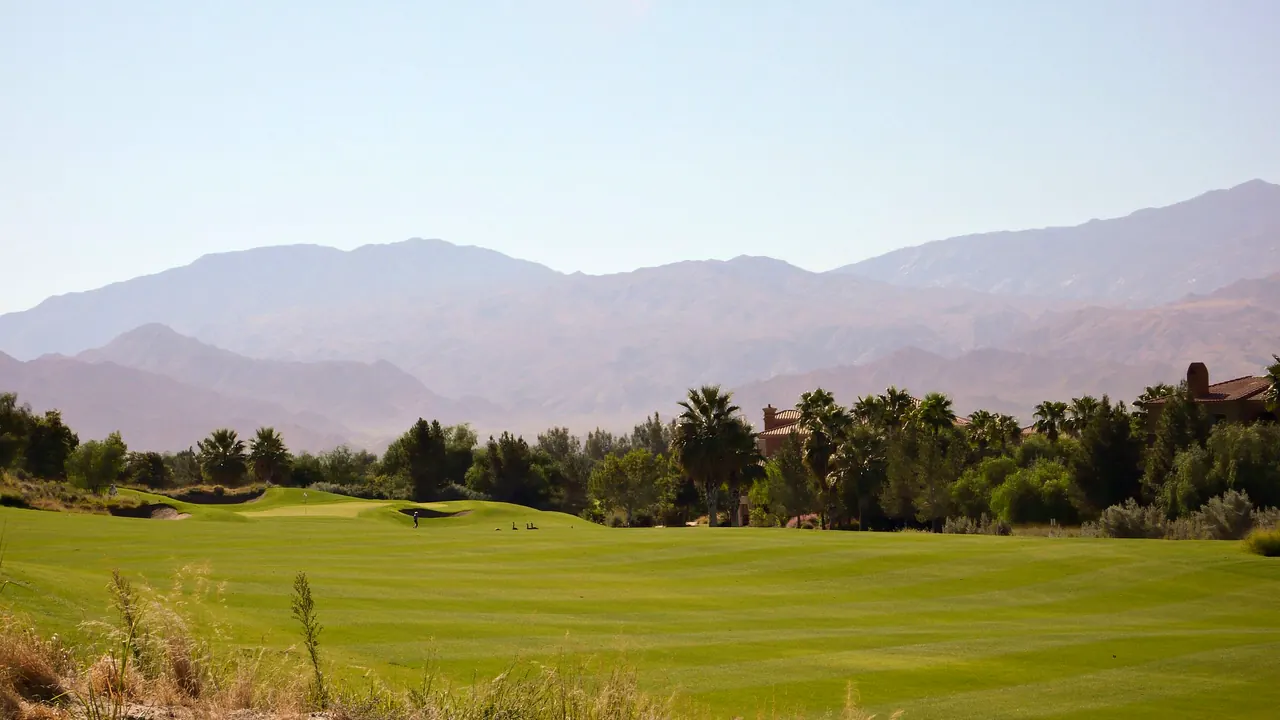
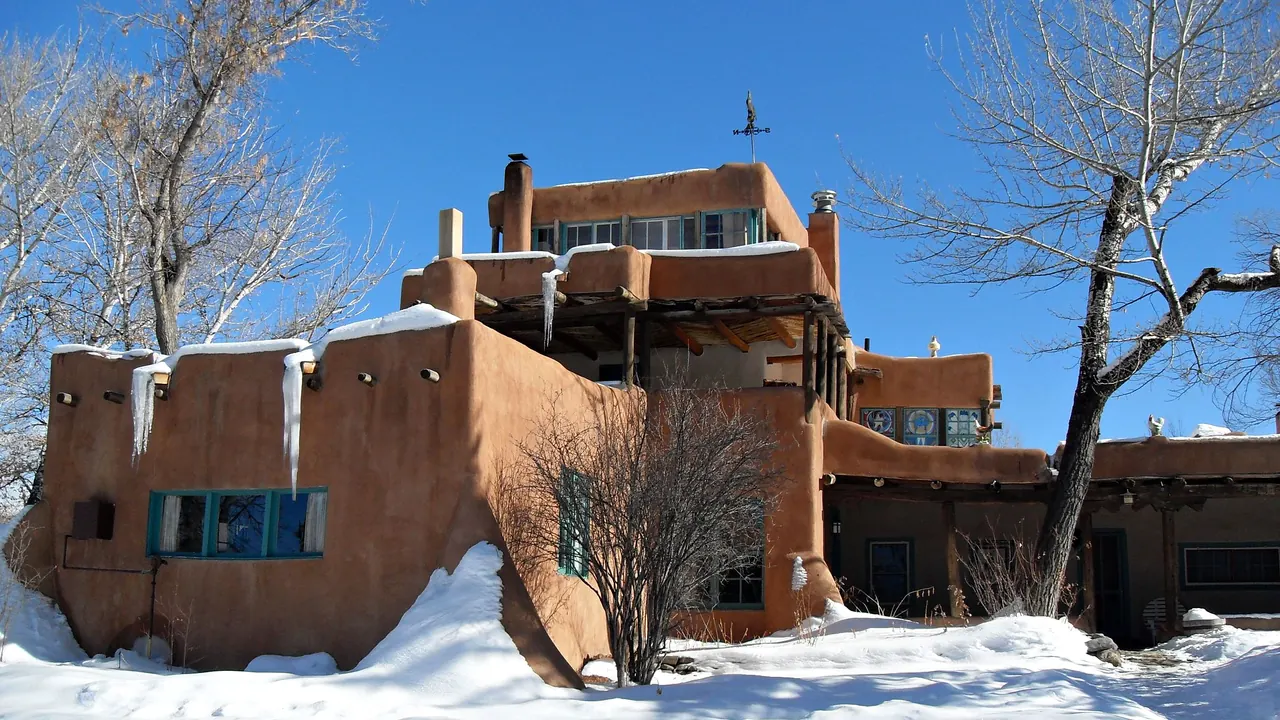
Photos: Palm Desert by David Balmer, CC BY 3.0, cropped; Taos by PhictureGal, CC BY-SA 3.0, cropped.
Palm Desert or Taos?
Our verdict in twelve categories, each scored against the same fixed benchmark cities, and the climate month by month, so you can choose for your trip.
Choose Palm Desert for
- live music and the arts
- families
- nightlife
Palm Desert suits a winter-sun vacation built around comfort. Resort pools, spas, golf and long patio dinners on El Paseo set the pace, and the town does these well. Families also get more here, with The Living Desert on the doorstep, and so do shoppers and anyone who wants a Broadway tour or a big concert in the evening. Expect a polished resort valley rather than history or depth of place.
Choose Taos for
- culture and sights
- day trips
- nature and the outdoors
Taos is the stronger choice for travellers who want landscape and a sense of place. The thousand-year-old adobe of Taos Pueblo, the art-colony museums and the Sangre de Cristo mountains give it a character that Palm Desert lacks, and the skiing, rafting, high trails and the drive along the High Road to Santa Fe fill the days. The price is quiet evenings, few attractions made for children and a long drive in from the airport.
Scoreboard
Twelve categories on one fixed scale from 0 to 100. The shaded stretch is the gap between the two.
Your match
Pick a travel style or drag the sliders, and both match scores follow your weighting.
Too close to call, 1 point apart
Wins on live music and the arts and families with your weighting.
Wins on culture and sights and day trips with your weighting.
What matters to you?
Category by category
What the scores mean for a trip.
Beaches & swimming
Neither town has a beach, so this is not a reason to choose either. The difference is what water means on the trip. In Palm Desert it is the resort pool, often heated in winter and central to the day, with the Pacific a two-hour drive over the mountains. In Taos the Rio Grande is for rafting, the mountain lakes stay cold, and a hot spring or a hotel pool is as close as you get to a swim.
Food & drink
The two are on a par for eating out, but the food itself is very different. Palm Desert offers resort dining: dependable steakhouses and Californian bistros along El Paseo, good for a long outdoor dinner, though one menu looks much like the next. The regional flavour is out east in the Indio taquerias and the date groves, with date shakes as the local treat.
Taos has a clearer identity. Northern New Mexican cooking, with red or green chile on everything, horno bread from the Pueblo and blue-corn dishes, is served with conviction around the plaza and down towards Ranchos. Beyond that kitchen the choice is thin, so variety-seekers will tire of it about as quickly as of Palm Desert's resort menus.
Culture & sights
Taos is far richer here. Taos Pueblo has been lived in for around a thousand years and is still home to a Tiwa-speaking community, and the San Francisco de Asís church painted by O'Keeffe sits a short drive south. Add the Harwood, the Millicent Rogers Museum and the old houses of the art colony, and you have several unhurried days.
Palm Desert is a postwar resort town with little history of its own. Its offer is the sculpture garden at the Palm Springs Art Museum branch and the galleries of El Paseo, which fill a morning. For mid-century modern architecture you drive twenty minutes to Palm Springs.
Nightlife
Both are early-to-bed places, but Palm Desert gives you more options after dark. Its wine bars and patio lounges around El Paseo close early, yet the valley's tribal casinos stay open into the small hours and Palm Springs has livelier bars, including a well-known gay scene.
Taos offers a margarita in an old adobe hotel bar, a brewery taproom or a saloon band, plus après-ski up the canyon in winter. Most nights there end soon after dinner, with nowhere to carry on.
Nature & outdoors
Both are landscape destinations, but Taos is the more complete one. The Sangre de Cristo mountains, the deep Rio Grande gorge and the sagebrush plateau give it demanding skiing in winter, Wheeler Peak and alpine lakes in summer, Taos Box rafting in spring and golden aspens in autumn. The altitude asks for a day or two of rest when you arrive.
Palm Desert has dramatic surroundings of its own: steep trails up the Santa Rosa Mountains, fan-palm oases in the Indian Canyons, the tramway up to pine forest and Joshua Tree an hour away. Its outdoor season stops in summer, though, when the heat confines activity to dawn, and golf takes up much of the valley floor.
Day trips
Taos has the more rewarding excursions. Santa Fe is the main one, best reached along the High Road through Truchas, Las Trampas and the sanctuary at Chimayó, and O'Keeffe country at Abiquiu and Ghost Ranch is a similar distance west. Bandelier's cliff dwellings make a longer but worthwhile day.
From Palm Desert the obvious outing is Palm Springs, only twenty minutes away, and then Temecula's tasting rooms, cool Idyllwild, the old film set at Pioneertown and the odd painted hillside of Salvation Mountain. These are enjoyable but slighter outings, and the big coastal cities are too far for a comfortable day.
Good for families
Palm Desert is the easier choice with children. The Living Desert, with giraffes and cheetahs, is right in town, the Palm Springs tramway thrills older children, and resort pools with slides fill the hours between outings. Summer middays are the one thing to avoid.
Taos works for outdoor families who ski or ride: there is a respected ski school, gentle float trips on the Rio Grande, horse riding and a public pool. It has no zoo or anything else built for young visitors, and the altitude can wear children out at first.
Getting around
Both need a hire car, and neither is much better than the other. Palm Desert is a flat sprawl of boulevards where only a few blocks of El Paseo invite walking, but traffic is light, parking is easy and ride-hailing covers evenings out.
Taos has a small, genuinely walkable historic core around the plaza and Bent Street. Everything else, from the Pueblo to the ski valley, is spread across the valley, and most visitors arrive with a drive of about two and a half hours from Albuquerque.
Shopping & style
Palm Desert has the wider choice. El Paseo is a palm-lined boulevard of upscale boutiques, jewellers and galleries where browsing is a social outing, with a mall for the chains and a big designer outlet half an hour west.
Taos is narrower but more distinctive: turquoise and silver, micaceous Pueblo pottery, Rio Grande weaving, carved santos and painting in the art-colony tradition, sometimes bought straight from the maker at the Pueblo. Collectors will linger, and fashion shoppers will find almost nothing.
Affordability
Both cost what American resort towns cost, with tips on every meal and a hire car on top, and neither is a bargain. Their cheaper windows fall at different times. Palm Desert gets much cheaper in the June to September heat and is dearest in the winter high season. Taos is gentlest in spring and late autumn, between ski and summer seasons, and its simple motels and New Mexican diners keep a modest stay manageable.
Live music & performing arts
Palm Desert offers more to book. The McCallum Theatre brings touring Broadway, ballet, orchestras and well-known singers through the winter, casinos and an arena add big concerts, and Coachella and Stagecoach take over Indio for a few spring weekends.
Taos has less, but what it has is unusual: Pueblo dances on feast days such as San Gerónimo, watched under strict rules, plus a summer chamber music festival and a small community arts centre. On most nights the only live music is a local band in a bar.
Wellness & relaxation
Palm Desert has a slight edge, because the valley is built for this: resort spas, massages, pool afternoons and the mineral-spring hotels of Desert Hot Springs half an hour away, all under dry winter sun.
Taos offers a wilder kind of rest. You can soak in the historic outdoor pools at Ojo Caliente, hike down to the primitive springs beside the Rio Grande, or stay at a retreat centre and take in the silence of the plateau. It is less pampering than Palm Desert, but it is a deeper retreat.
When should you go?
Pick your month. The climate figures are measured averages, not a forecast.
Palm Desert in July
Taos in July
Daytime high, °C
Rainfall in the month, mm
Where the figures come from
Palm Desert has no rain gauge within 25 km of the centre, so its rainfall comes from a gridded climate dataset read at the city rather than from a gauge further away.
Taos has no rain gauge within 25 km of the centre, so its rainfall comes from a gridded climate dataset read at the city rather than from a gauge further away.
Temperature and rainfall are climate normals, averaged over the years shown. Palm Desert: 2006-2020 (rainfall 1991-2020) normals, Palm Springs (17.2 km from centre). Taos: 2006-2020 (rainfall 1991-2020) normals, Taos / Los Cordovas (10.5 km from centre).
The two run on opposite calendars. Palm Desert is at its best from October to May, when days are around 21°C in midwinter and warm enough for the pool well into spring. From June to September highs reach 42°C, too hot for walking or hiking except around dawn. Rain is scarce all year and falls mostly as a light sprinkle in winter.
Taos is a summer and autumn town, with a winter season for skiers. From December to February daytime highs sit near 4°C, which suits the ski valley but makes sightseeing a cold business. June to September brings pleasant highs of about 29°C, ideal for trails and the gorge, though July and August also bring afternoon thunderstorms and the wettest weeks, with up to 47mm a month. September and October, with the aspens turning, are the gentlest compromise. So a winter escape points to Palm Desert, and a summer one to Taos.
Which traveller are you?
For a culture and arts trip, Taos is the clear pick. Taos Pueblo, a living UNESCO site, the buttressed church at Ranchos de Taos and the small art-colony museums give two or three rich days, whereas Palm Desert's culture mostly sits in Palm Springs.
On a family trip with children, Palm Desert works better. The Living Desert zoo fills a morning, resort pools with slides and lawns keep children busy between outings, and there is no altitude to tire small legs, as long as you avoid summer heat.
On an outdoors trip, Taos wins. Steep skiing in winter, Wheeler Peak and alpine lakes in summer, and rafting and rim walks along the Rio Grande gorge offer more than Palm Desert's mountain trails and golf, which summer heat shuts down anyway.
Before you go
| Measure | Palm Desert | Taos |
|---|---|---|
| Currency | US Dollar (USD) | US Dollar (USD) |
| Sockets | AB120 V, 60 Hz | AB120 V, 60 Hz |
| Driving side | Right | Right |
| Time zone | UTC-8, UTC-7 in summer | UTC-7, UTC-6 in summer |
| Emergency number | 911 | 911 |
| Elevation | 67 m | 2,124 m |
| Main airport | Palm Springs International Airport (PSP)17 km from centre29 non-stop destinations | Santa Fe Municipal Airport (SAF)99 km from centre5 non-stop destinations |
| Public holidays this year | 13 days | 13 days |
By the numbers
| Measure | Palm Desert | Taos |
|---|---|---|
| City population | 51,163 | 6,474 |
| People per km² | 731 | 415 |
| Museums within 10 km | 2 | 4 |
| UNESCO World Heritage sites within 50 km | 0 | 1 |
Where else could you go?
Every comparison below shares a destination with this one, so you can follow Palm Desert or Taos somewhere new.
- Palm Springsvs Palm Desert
- Santa Fevs Taos
- Laguna Beachvs Palm Desert
- San Diegovs Palm Desert
- Newport Beachvs Palm Desert
- Huntington Beachvs Palm Desert