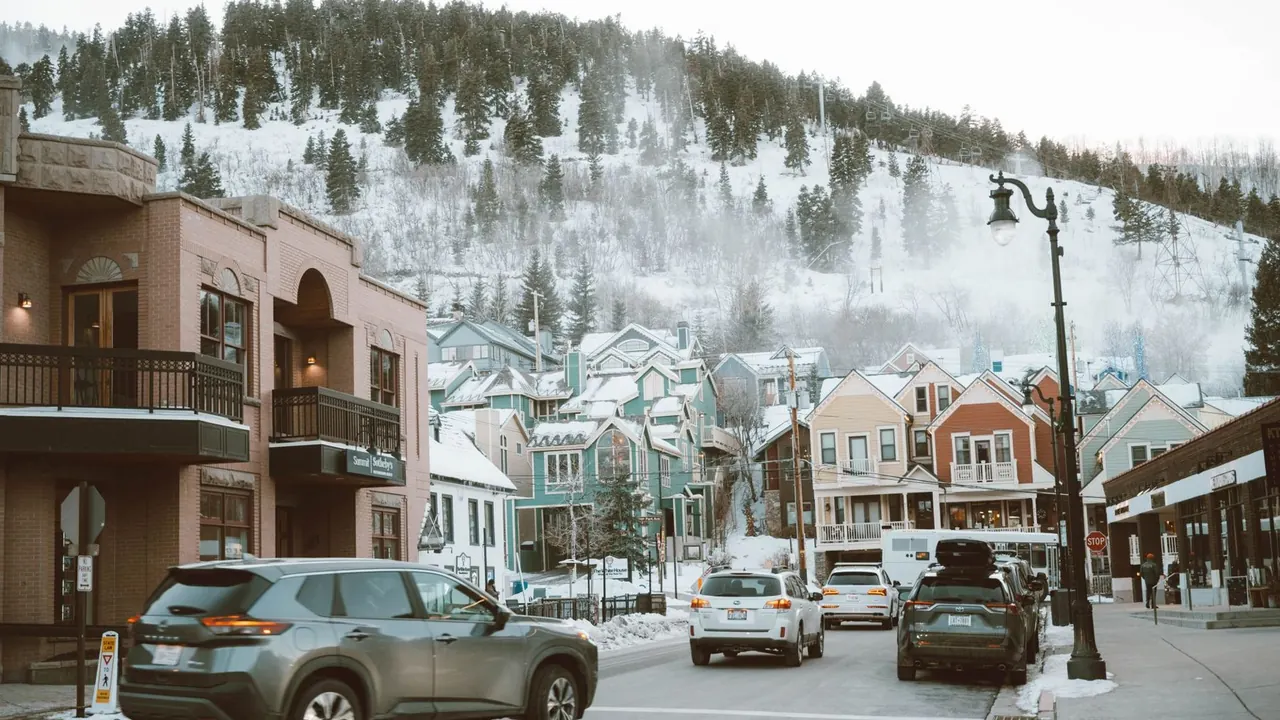
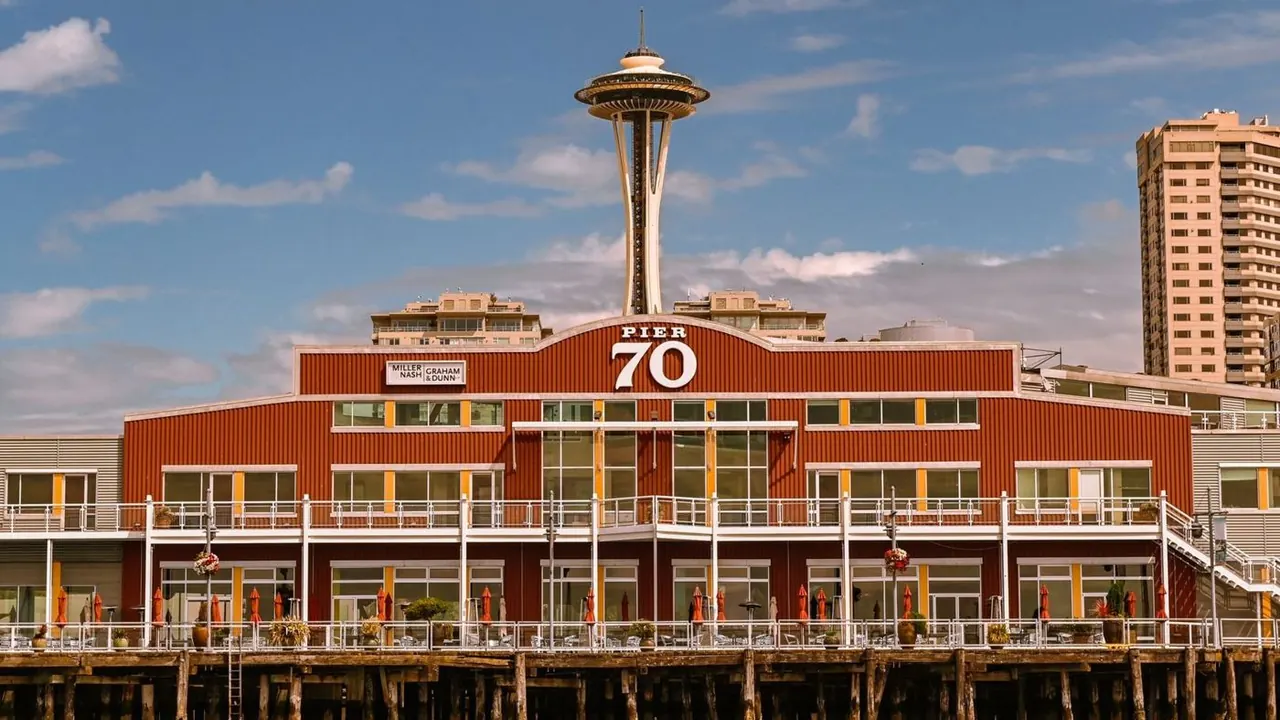
Photos: Park City by Quang Vuong, Pexels License; Seattle by Caio, Pexels License.
Park City or Seattle?
Our verdict in twelve categories, each scored against the same fixed benchmark cities, and the climate month by month, so you can choose for your trip.
Choose Park City for
- wellness
- nature and the outdoors
- families
Park City is for a trip built around the mountains. In winter you ski Utah's dry powder straight from town, in summer you ride and hike trails that start at the end of the street, and every day ends in a lodge spa or a hot tub. It suits active travellers and families learning to ski who don't mind quiet evenings and sights that fit into one afternoon.
Choose Seattle for
- live music and the arts
- culture and sights
- nightlife
Choose Seattle if you want a real city with wild country close by. Seafood and Asian cooking, the Capitol Hill bars, opera, ballet and live bands give it far more to do after dark, and its museums fill two or three days. Mount Rainier, the Cascades and the ferries across Puget Sound still keep serious outdoors within reach. It is also the slightly less punishing of the two on cost.
Scoreboard
Twelve categories on one fixed scale from 0 to 100. The shaded stretch is the gap between the two.
Your match
Pick a travel style or drag the sliders, and both match scores follow your weighting.
Wins on wellness and nature and the outdoors with your weighting.
Wins on live music and the arts and culture and sights with your weighting.
What matters to you?
Category by category
What the scores mean for a trip.
Beaches & swimming
Neither city is a beach destination, but Seattle at least has a shoreline. Its sandy beaches on Puget Sound, such as Alki Beach and Golden Gardens, are for bonfires and sunsets rather than swimming. In July and August, though, the lifeguarded beaches on Lake Washington are warm enough for a proper swim.
Park City has no coast at all. Summer swimming means a drive down to Jordanelle Reservoir, which has pleasant sandy areas but cold water. For most visitors, the hotel pool or hot tub is the only water they get into.
Food & drink
Seattle is the better place to eat because it has a local cuisine of its own. There are oysters, Dungeness crab and wild salmon from the surrounding waters, Pike Place Market to graze through, serious coffee in every neighbourhood and strong Vietnamese, Chinese, Japanese and Korean cooking in the Chinatown-International District.
Park City's restaurants are polished but limited, mostly serving modern American mountain food such as elk, bison and trout on Main Street and at the resort bases. Its real food ritual is après-ski on the slopeside decks, and for more variety you drive down to Salt Lake City.
Culture & sights
Seattle gives a curious visitor two or three days of sights. There are the Space Needle and Seattle Center, with the Chihuly glass and the Museum of Pop Culture, as well as the Seattle Art Museum, the Northwest Coast Indigenous art at the Burke Museum and the huge Museum of Flight.
Park City's heritage fills a single afternoon. The old silver-mining Main Street, the mine headframes on the slopes and the Park City Museum tell a good story, and the Utah Olympic Park covers the 2002 Winter Games. Nobody comes here for the sightseeing, though.
Nightlife
Seattle offers a real night out. It centres on the cocktail bars, dive bars and dance floors along Pike and Pine on Capitol Hill, with brewery taprooms in Ballard and a younger club crowd in Belltown. Even so, last call at 2am stops it running very late.
Park City's evenings begin on the slopeside decks when the lifts close and then move to a short row of saloons and bars on Main Street. It can be lively on winter weekends, but the scene is small and finishes early. Outside ski season, there is little going on after dinner.
Nature & outdoors
Both are superb bases for the outdoors, in different ways. In Park City the mountains start at the edge of town. Two large ski areas rise straight from the streets, steeper resorts such as Alta and Snowbird are within an hour, and in summer hundreds of kilometres of biking and hiking trails leave from town.
Seattle's outdoors mixes land and water. Kayaking on Lake Union, ferries across the Sound with a chance of seeing orcas, and the bluffs of Discovery Park are all in the city. The Cascades, Mount Rainier's glaciers and the Olympic rainforest take a drive of one to two hours or more.
Day trips
Seattle has the more varied day trips, many of them by ferry. Bainbridge Island is half an hour across the water, and Whidbey Island's farm villages and the Victorian seaport of Port Townsend are further on. The Woodinville tasting rooms and Tacoma's Museum of Glass are both within an hour by road.
From Park City, Salt Lake City is the main trip out, with Temple Square and the State Capitol. The Heber Valley steam railway, Swiss-style Midway and the railroad-era street in Ogden give you a day or two more. Beyond those, it is mostly scenery to drive through.
Good for families
A family trip to Park City is about doing things outdoors, while in Seattle it is about places to visit. In Park City, winter means ski schools and gentle learning slopes, and the Utah Olympic Park has an alpine coaster, ziplines and freestyle skiers flipping into a splash pool. In summer, the resort bases add alpine slides and climbing walls. The thin air can tire small children for a day or two, and there is no zoo or aquarium in town.
Seattle has Woodland Park Zoo, the aquarium on the waterfront, the Pacific Science Center and the Museum of Flight with its space shuttle trainer, and children enjoy the monorail and the ferries for their own sake. Those indoor options matter in the wet months. The steep streets up from the waterfront are hard work with a pushchair.
Getting around
Park City runs on free buses, Seattle on light rail. Park City's buses link Old Town and Main Street with both ski bases, the outlying lodges and Kimball Junction, and hotel shuttles fill the gaps. Parking in Old Town is awkward, which is another reason to leave the car. Getting there is the harder part: there is no rail, the airport is about 40 minutes away by shuttle, and the canyon road slows down in snowstorms.
In Seattle, Link light rail runs from the airport through downtown to Capitol Hill and the University District, and one tap card covers buses, streetcars, the monorail and the water taxis. The centre is walkable, if hilly. Because water splits the city up, Ballard or Alki are a slow bus ride away. You will want a car for the national parks, just as you would for the other Utah ski areas.
Shopping & style
Seattle is the better place to shop, less for its downtown department stores than for its neighbourhoods. Look for record shops and vintage clothing on Capitol Hill, Fremont's Sunday market, the design shops in Ballard and the makers' stalls at Pike Place. Its big outdoor gear stores serve the same mountain culture as Park City's, on a larger scale.
Park City's Main Street is pleasant for browsing galleries, Western wear, cowboy boots and ski fashion between meals, and there are outlet stores at Kimball Junction. There is little beyond that.
Affordability
Neither city is cheap, but Park City is harder on the wallet. In ski season, lodging, lift tickets and ski school all cost what you would pay at the top North American resorts, and the Christmas weeks cost more still. Summer and autumn are much easier, and many visitors on a budget stay in Salt Lake City or the Heber Valley instead.
Seattle's hotels and restaurant bills are also high. Public transport, the counters at Pike Place and the teriyaki shops keep daily costs easier to manage, though, and the outer neighbourhoods along the light rail are cheaper places to sleep.
Live music & performing arts
Here Seattle is far ahead. Seattle Opera and Pacific Northwest Ballet share McCaw Hall, the symphony plays a full season at Benaroya Hall, and the 5th Avenue and the Paramount put on musicals and touring shows. Above all it is a music city, the home of Jimi Hendrix and grunge, with bands playing in Belltown, Capitol Hill and Ballard most nights.
Park City has the 1920s Egyptian Theatre on Main Street and touring shows at the Eccles Center. In summer the Utah Symphony plays on the lawns at Deer Valley, but outside summer there is little on.
Wellness & relaxation
Park City is the better place for rest and treatments. The big ski lodges at Deer Valley and the Canyons run polished spas with massages for tired legs, and an outdoor hot tub in the snow comes with most stays. At the Homestead Crater in Midway, you swim in warm spring water inside a limestone dome.
Seattle's spas are mostly in downtown hotels, with a few Korean-style bathhouses in the suburbs, and its hot springs are a long drive away. Its calm is of a different kind: slow mornings in coffee houses and walks in the Japanese Garden and the Arboretum.
When should you go?
Pick your month. The climate figures are measured averages, not a forecast.
Park City in July
Seattle in July
Daytime high, °C
Rainfall in the month, mm
Where the figures come from
Park City's temperatures are measured 79 km from the centre, at Evanston.
Park City has no rain gauge within 25 km of the centre, so its rainfall comes from a gridded climate dataset read at the city rather than from a gauge further away.
Temperature and rainfall are climate normals, averaged over the years shown. Park City: 1999-2020 (rainfall 1991-2020) normals, Evanston (78.8 km from centre). Seattle: 1991-2020 normals, Seattle-Tacoma Airport (17.3 km from centre).
Park City has two clear seasons. From December to March, daytime highs hover around freezing, about -1°C in midwinter, and that is the snow season for skiing. June to September is warm and fairly dry, with highs near 28°C in July, which is ideal for biking and hiking. April, May, October and November are cool in-between months.
Seattle stays mild all year but is very wet from October to March, with about 160mm of rain in November. July and August are its best months: warm, pleasant for walking and nearly dry, with only 15mm in July. The sea is still only about 12°C then, so swimming means the lakes. In summer both cities are pleasant. In winter, Park City has snow and Seattle has grey rain.
Which traveller are you?
For a culture and arts trip, Seattle is the clear choice. Its museums, from the Seattle Art Museum to the Museum of Flight, fill several days, and the opera, ballet, symphony and live bands fill the evenings. Park City's mining heritage takes an afternoon.
On a food and nightlife trip, Seattle also wins easily. Oysters, crab and salmon, Pike Place Market and excellent Asian cooking come before a night in the bars and on the dance floors of Capitol Hill. Park City has good mountain dining and après-ski, but its evenings end early.
On a relaxing and wellness trip, Park City is the better fit. Large lodge spas, outdoor hot tubs in the snow and swimming in the warm Homestead Crater spring make rest part of the stay. In Seattle, slowing down means coffee houses and garden walks rather than treatments.
Before you go
| Measure | Park City | Seattle |
|---|---|---|
| Currency | US Dollar (USD) | US Dollar (USD) |
| Sockets | AB120 V, 60 Hz | AB120 V, 60 Hz |
| Driving side | Right | Right |
| Time zone | UTC-7, UTC-6 in summer | UTC-8, UTC-7 in summer |
| Emergency number | 911 | 911 |
| Elevation | 2,134 m | 40 m |
| Main airport | Salt Lake City International Airport (SLC)43 km from centre108 non-stop destinations | Seattle–Tacoma International Airport (SEA)18 km from centre135 non-stop destinations |
| Public holidays this year | 12 days | 11 days |
By the numbers
| Measure | Park City | Seattle |
|---|---|---|
| City population | 8,396 | 737,015 |
| People per km² | 185 | 1,996 |
| Museums within 10 km | 1 | 27 |
| UNESCO World Heritage sites within 50 km | 0 | 0 |
| Swim season, months above 21 °C | - | None |
Where else could you go?
Every comparison below shares a destination with this one, so you can follow Park City or Seattle somewhere new.