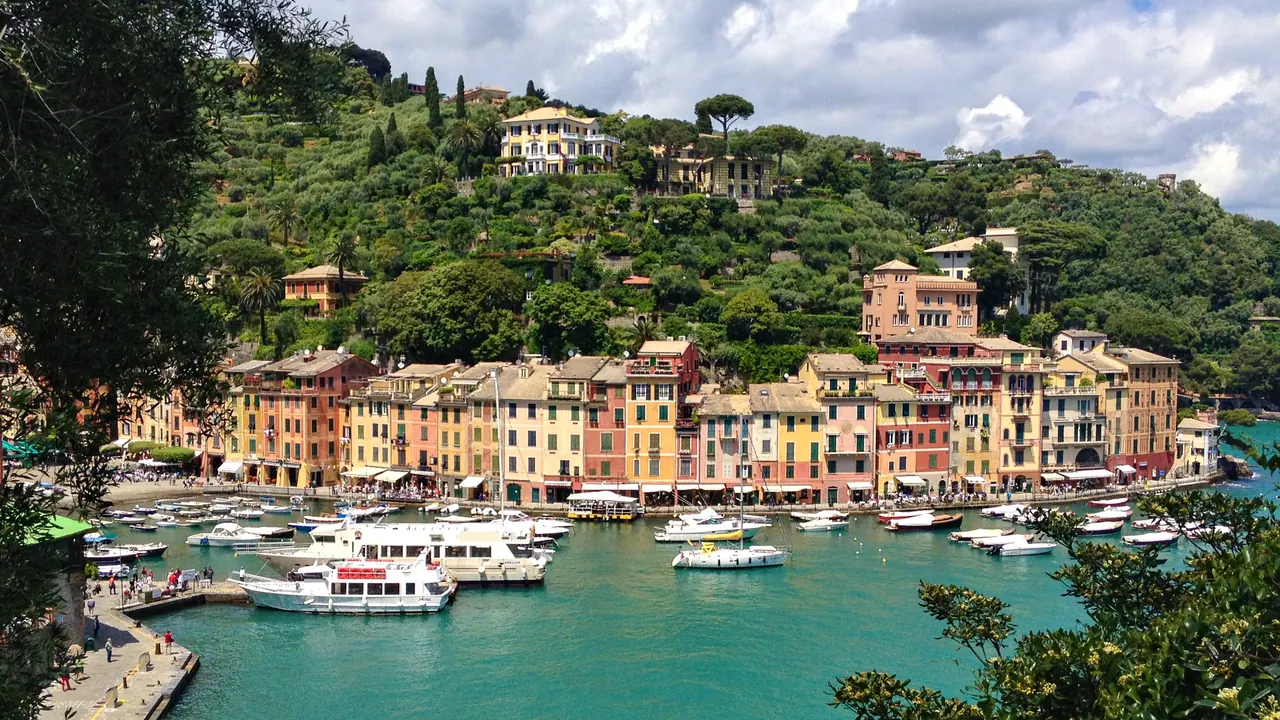
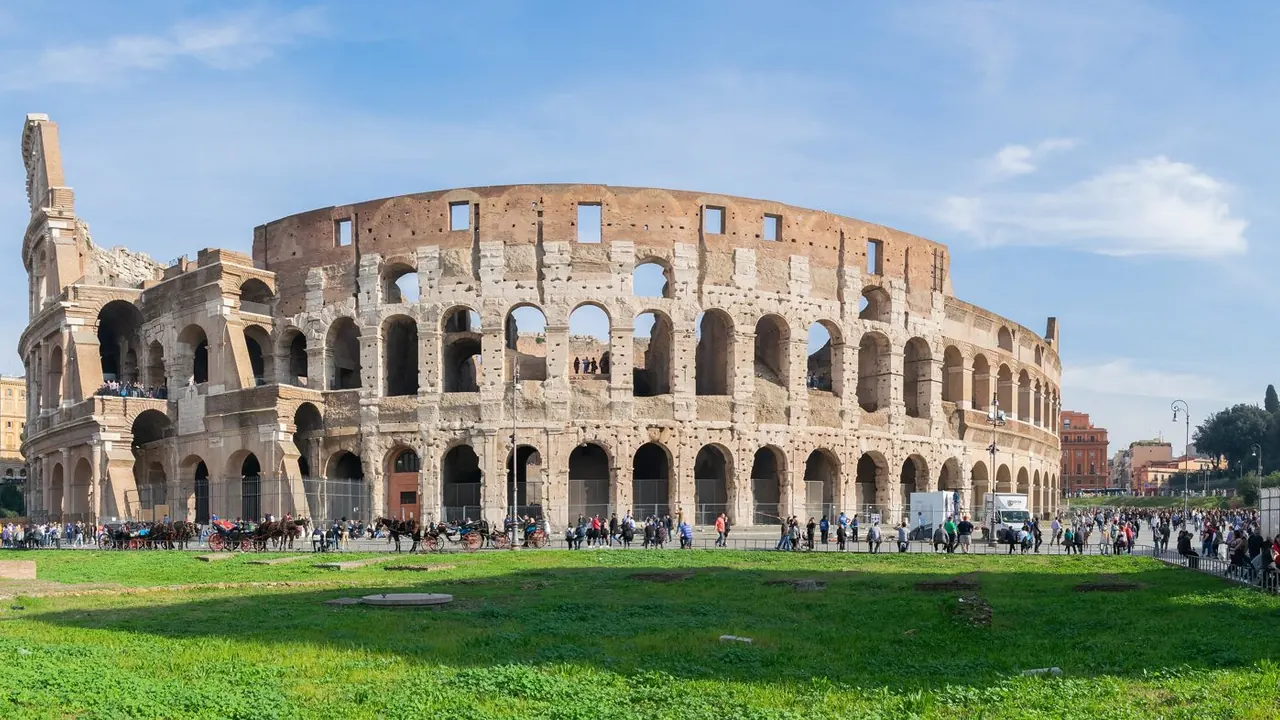
Photos: Portofino by Michal Osmenda, CC BY 2.0, cropped; Rome by Tournasol7, CC BY-SA 4.0, cropped.
Portofino or Rome?
Our verdict in twelve categories, each scored against the same fixed benchmark cities, and the climate month by month, so you can choose for your trip.
Choose Portofino for
- nature and the outdoors
- beaches
- wellness
Portofino is for a slow, scenic stay on the Ligurian coast: walking the headland trails, swimming off the rocks in clear water, taking ferries along the Riviera and lingering over lunch by the harbour. It suits couples and walkers who care more about the setting than about sights. They also need to afford a room in the village, or be happy to sleep in Santa Margherita or Camogli instead.
Choose Rome for
- culture and sights
- live music and the arts
- food and drink
Rome is the choice for anyone who wants a full city: ancient ruins, great museums, Baroque churches, trattoria cooking and evenings in the lanes of Trastevere. First-time visitors to Italy, food lovers and anyone with a week to fill will find far more to do there. The trains also open up Tivoli, Orvieto, Florence and Naples.
Scoreboard
Twelve categories on one fixed scale from 0 to 100. The shaded stretch is the gap between the two.
Your match
Pick a travel style or drag the sliders, and both match scores follow your weighting.
Wins on nature and the outdoors and beaches with your weighting.
Wins on culture and sights and live music and the arts with your weighting.
What matters to you?
Category by category
What the scores mean for a trip.
Beaches & swimming
Neither has a proper town beach, but Portofino has the swimming closer to hand and in prettier places. You climb down ladders from the rocks on the lighthouse path into very clear, deep water, or go to the small bay at Paraggi, the pebble cove at San Fruttuoso or the beaches around Camogli. The catch is size: every spot is small and fills up in summer.
Rome's sea is a train ride away at Ostia, where the long dark volcanic sand is lined with paid lidos and the water is rarely clear. It works for an afternoon's escape from the heat, but the coves worth the trip, at Sperlonga or Sabaudia, take a full day.
Food & drink
Rome is one of Italy's great eating cities, with a cooking style of its own. There is carbonara and cacio e pepe in neighbourhood trattorias, Jewish-style artichokes in the Ghetto, offal in Testaccio, and supplì and pizza al taglio on the street. You can eat well at every price, as long as you walk away from the big sights.
Portofino's Ligurian dishes are worth trying: trofie with pesto, pansoti and Recco's cheese focaccia. But the village has only a handful of harbourfront terraces, where you pay for the view of the yachts. Serious eaters there head to Camogli or the trattorie in the hills.
Culture & sights
This is the widest gap between the two. Rome has the Colosseum, the Forum, the Pantheon, St Peter's and the Sistine Chapel, along with Bernini's piazzas and the Borghese and Capitoline collections, and a week only makes a start.
Portofino's sights are its painted harbour, the church of San Giorgio, Castello Brown and the abbey of San Fruttuoso around the point. They make a lovely day out, but there is no museum of any size, and the appeal is the setting itself.
Nightlife
Rome has proper evenings out. Aperitivo spills into the piazzas, Trastevere's wine bars stay full until late, Monti has cocktail bars, San Lorenzo has cheap student bars, and there is a modest club scene in Testaccio and Ostiense. It is a city for drinking outdoors more than for dancing.
Portofino's evening is a smart aperitivo facing the yachts and a long dinner, after which the village goes quiet, especially outside July and August. For anything more you have to go to Santa Margherita, Rapallo or Genoa.
Nature & outdoors
Portofino is the better place to be outdoors. The whole headland is a regional park, with trails through holm oak and pine up to Monte di Portofino and down the cliffs to San Fruttuoso, some of them exposed and fitted with chains. Offshore, the marine reserve has coral walls, seagrass meadows and the sunken Christ of the Abyss for divers.
Rome's green spaces are gentler, and most of them are inside the city: the villa parks of Villa Borghese and Villa Pamphili, and the cobbled Appian Way, a fine bike ride past tombs and aqueduct arches. Just beyond the ring road, the Alban Hills hold the crater lakes of Albano and Nemi. For mountain hiking, the Apennines are about ninety minutes away.
Day trips
Both make good bases, but Rome's range is hard to match. Ostia Antica and Hadrian's Villa at Tivoli are close, the Etruscan tombs, Orvieto and Civita di Bagnoregio lie to the north, and fast trains reach Florence and Naples in about ninety minutes.
Portofino's outings mostly stay on one stretch of coast, but they are lovely ones: Camogli, Santa Margherita and Sestri Levante, Genoa within the hour, and summer ferries to the Cinque Terre and Portovenere. Out of season the boats stop and you rely on the trains.
Good for families
Rome gives families more to do, though Portofino is the calmer place to be. In Portofino the village is safe, and children enjoy the boats, the walk up to the castle and swimming off the rocks. But there are no playgrounds, the sand at Paraggi is mostly paid beach clubs and the steep steps defeat a pushchair, so families usually stay in Rapallo or Santa Margherita.
In Rome there are gladiators and catacombs, the Bioparco zoo and rowing boats in Villa Borghese, a children's museum near Piazza del Popolo, and pizza and gelato every day. Queues at the big sights, summer heat and cobbles still make it tiring, so an unhurried plan in spring or autumn works best.
Getting around
Rome is easier to get about once you are there. You can walk the historic centre from the Colosseum to Trastevere, and the metro, buses and trams reach the Vatican and Termini, even if traffic slows the buses and trams down.
Portofino takes minutes to cross on foot, apart from the steep paths, but getting there is the problem. There is one narrow coast road from Santa Margherita, little parking and crowded buses in summer. From spring to autumn the ferries are the pleasant way in.
Shopping & style
Rome is good for a proper shopping trip. There are fashion houses on Via Condotti below the Spanish Steps, chain stores on Via del Corso, young designers and vintage in Monti, antiques around Via dei Coronari and the Porta Portese flea market on Sundays.
Portofino has a surprising number of luxury boutiques for its size, plus resort wear, lace and jars of pesto, but you can see it all in under an hour. For markets and a longer browse, go to Rapallo, Chiavari or Genoa.
Affordability
Portofino costs far more than Rome, at almost every turn. Its few hotels are luxury properties priced like the most expensive addresses in Europe's big cities, and harbour meals, loungers at Paraggi, boat hire and parking all add up. Walking the trails and riding the local bus are about the only cheap things, which is why so many visitors sleep further along the coast and come for the day.
Rome's central rooms are costly and small, and the big museums charge substantial entry fees, but daily spending is much kinder. An espresso standing at the bar, pizza by weight and water from the city's fountains are cheap or free, and churches full of masterpieces cost nothing to enter.
Live music & performing arts
Rome has a full season of music and opera. The Teatro dell'Opera stages opera and ballet, with summer opera in the ruins of the Baths of Caracalla. The Santa Cecilia orchestra plays at the Auditorium Parco della Musica, and there are organ concerts in churches and a jazz club scene.
Portofino has only the occasional summer concert in the piazzetta or at the castle. For a night at the opera, the nearest choice is the Teatro Carlo Felice in Genoa.
Wellness & relaxation
Neither has a bathing culture today, so in both places a spa means a hotel spa. The difference is the kind of rest on offer. In Portofino it is quiet mornings, shaded paths and long lunches by the water, though tour-boat crowds fill the harbour in the middle of the day in high summer.
Rome's centre is loud, but there is thermal water within reach: the Acque Albule pools at Bagni di Tivoli and the free hot springs around Viterbo. In the city, the villa gardens and the Aventine are the places to find some calm.
When should you go?
Pick your month. The climate figures are measured averages, not a forecast.
Portofino in July
Rome in July
Daytime high, °C
Rainfall in the month, mm
Where the figures come from
Portofino's temperatures are measured 31 km from the centre, at Genova / Sestri.
Portofino has no rain gauge within 25 km of the centre, so its rainfall comes from a gridded climate dataset read at the city rather than from a gauge further away.
Rome's sunshine is measured 31 km from the centre, at Vigna Di Valle.
Temperature and rainfall are climate normals, averaged over the years shown. Portofino: 1991-2020 normals, Genova / Sestri (31 km from centre). Rome: 1991-2020 normals, Roma / Ciampino (15.1 km from centre).
Portofino's swimming season runs from June to September, when the sea is warm and August highs reach about 28°C. July is the driest month. Spring and late September are the times for the headland trails, before the autumn rains arrive in earnest. October and November are by far the wettest months, with October bringing about 225mm.
Rome runs hotter. July and August reach about 31°C, which makes midday sightseeing hard work despite the long, sunny days. April, May, late September and October suit walking the streets better. Through the autumn Rome gets less rain than Portofino, with the wettest month in November. Winters in both are mild but cool, with January highs around 12°C to 13°C.
Which traveller are you?
For a culture and arts trip, Rome wins by a distance. The Colosseum, the Vatican Museums, the Borghese Gallery and churches hung with Caravaggios fill a week, and opera at the Baths of Caracalla fills the evenings. Portofino's castle and abbey take a day.
On an outdoors trip, Portofino is the stronger choice. Its protected headland has cliff trails from Monte di Portofino down to San Fruttuoso and Camogli, and the marine reserve offers diving on coral walls, kayaking and clear-water swimming. Rome's green is mostly villa parks.
For a food and nightlife trip, choose Rome. The trattorias, markets and street food of Testaccio, Monti and Trastevere offer a cuisine of their own, and evenings run late in the piazzas and wine bars. Portofino offers costly harbour dinners and an aperitivo, then quiet.
Before you go
| Measure | Portofino | Rome |
|---|---|---|
| Official language | Italian | Italian |
| Currency | Euro (EUR) | Euro (EUR) |
| Sockets | CFL230 V, 50 Hz | CFL230 V, 50 Hz |
| Driving side | Right | Right |
| Time zone | UTC+1, UTC+2 in summer | UTC+1, UTC+2 in summer |
| Emergency number | 112 | 112 |
| Elevation | 20 m | 21 m |
| Main airport | Genoa Cristoforo Colombo Airport (GOA)32 km from centre25 non-stop destinations | Rome–Fiumicino Leonardo da Vinci International Airport (FCO)23 km from centre242 non-stop destinations |
| Public holidays this year | 13 days | 13 days |
By the numbers
| Measure | Portofino | Rome |
|---|---|---|
| City population | 355 | 2,748,109 |
| People per km² | 142 | 2,135 |
| Museums within 10 km | 14 | 178 |
| UNESCO World Heritage sites within 50 km | 2 | 7 |
| Swim season, months above 21 °C | 4 months | 5 months |
Where else could you go?
Every comparison below shares a destination with this one, so you can follow Portofino or Rome somewhere new.