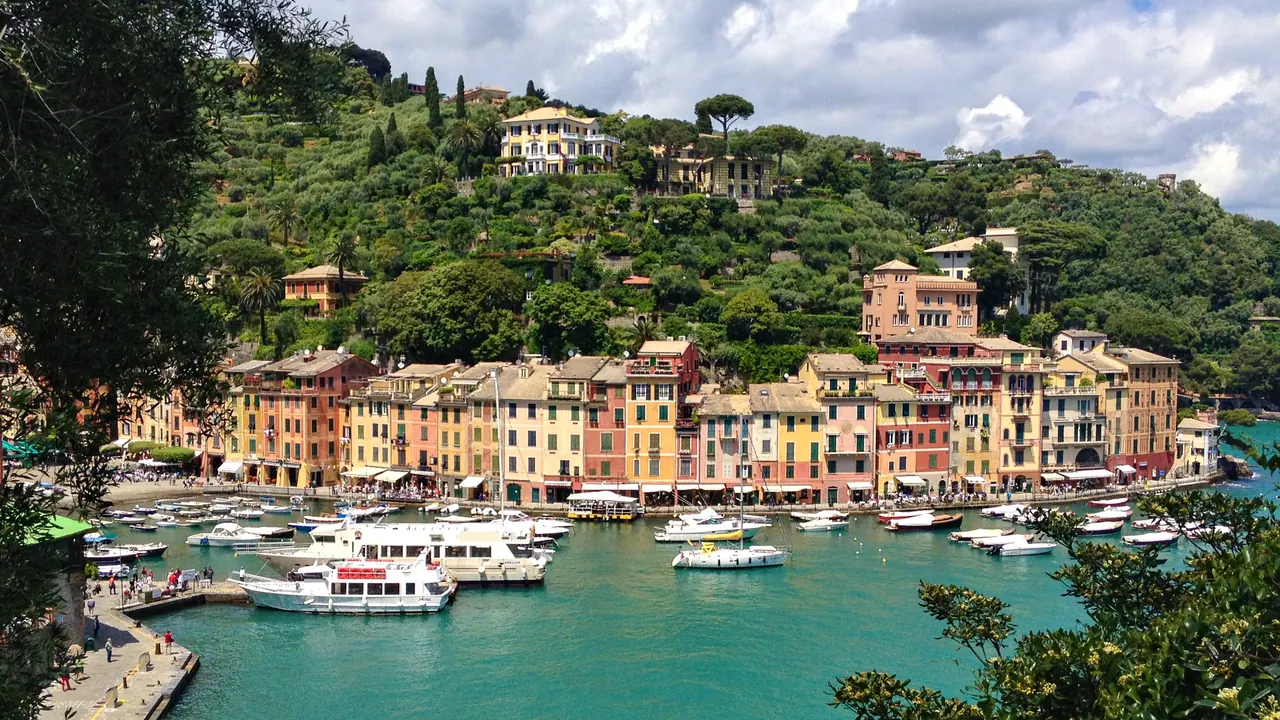
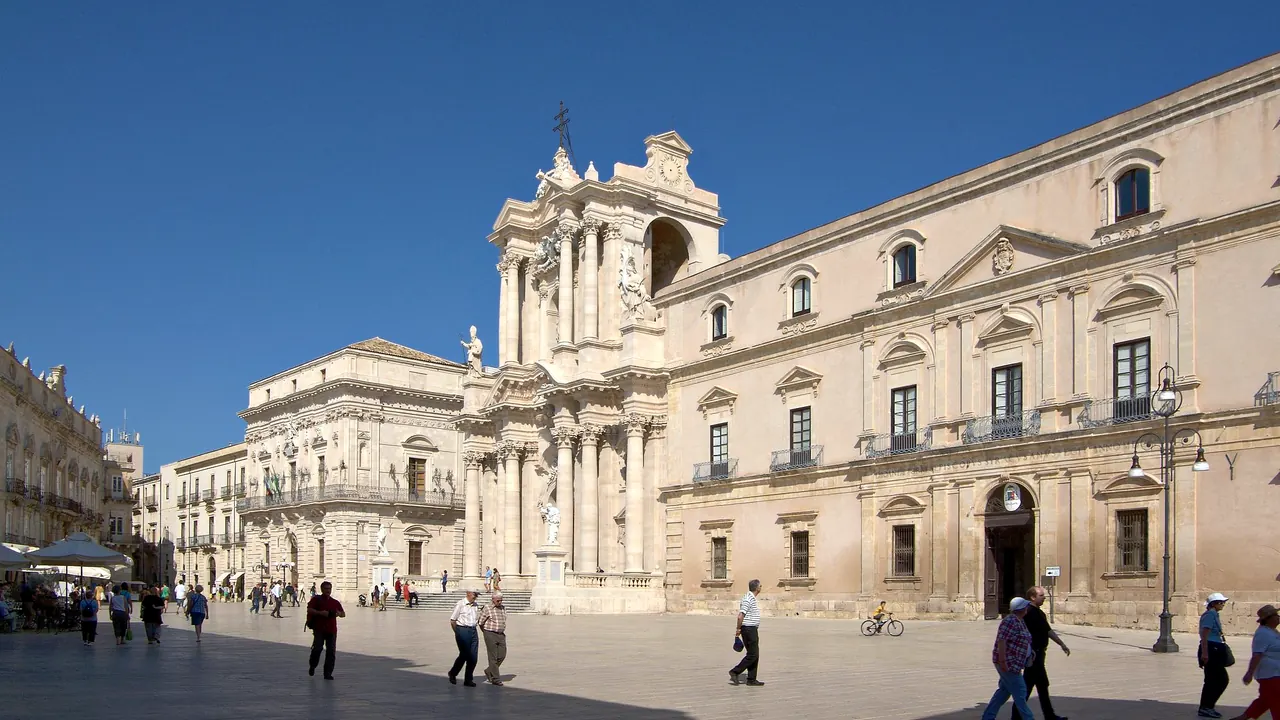
Photos: Portofino by Michal Osmenda, CC BY 2.0, cropped; Syracuse, Sicily by Berthold Werner, CC BY-SA 3.0, cropped.
Portofino or Syracuse, Sicily?
Our verdict in twelve categories, each scored against the same fixed benchmark cities, and the climate month by month, so you can choose for your trip.
Choose Portofino for
- nature and the outdoors
- getting around
- wellness
Portofino suits a short, scenic stay where the setting is the point. Walkers and divers get a protected headland with cliff paths, coral walls and boat trips around the point. The Riviera towns, Genoa and the Cinque Terre are a ferry or train ride away, so you never need a car. You need a generous budget, though, and you should not expect much from the sights, the food or the evenings. Many people sleep in Santa Margherita and come over for the day.
Choose Syracuse, Sicily for
- culture and sights
- prices
- food and drink
Syracuse is the stronger choice for almost any longer trip. Ortigia packs Greek temples, baroque squares and a serious food market into an island you can cross on foot, and there are sandy beaches to the south. It also costs a good deal less. It works well as a base for the baroque towns of the Val di Noto and Etna, but to get the most out of it you will want a car for part of the stay.
Scoreboard
Twelve categories on one fixed scale from 0 to 100. The shaded stretch is the gap between the two.
Your match
Pick a travel style or drag the sliders, and both match scores follow your weighting.
Wins on nature and the outdoors and getting around with your weighting.
Wins on culture and sights and prices with your weighting.
What matters to you?
Category by category
What the scores mean for a trip.
Beaches & swimming
Portofino has no beach of its own. You swim from rock ladders on the way to the lighthouse, in very clear, deep water. The nearest sand is at Paraggi, where paid beach clubs take up most of the bay, and the pebbles at San Fruttuoso are reached by boat or on foot.
Syracuse has more choice and more sand. You can swim off the platforms under Ortigia's sea walls in town, families use the gently shelving bays at Arenella and Fontane Bianche, and the beaches of the Vendicari reserve are pale sand with nothing built behind them. The sea there is a degree or so warmer in summer, but you will want a car to reach the best of it.
Food & drink
Both coasts cook regional food. Portofino's Ligurian menu means pesto with trofie, walnut sauce on pansoti and the thin cheese focaccia from Recco. You pay for the view of the yachts, though, and serious eaters head to Camogli or the hill trattorie.
Syracuse offers far more. The morning market on Ortigia sells swordfish, sea urchins, capers and citrus, and makes sandwiches to order. From the same ingredients come pasta with sardines, spaghetti alla siracusana, almond granita for breakfast, and Nero d'Avola or Moscato di Siracusa to drink, at prices well below the north.
Culture & sights
Portofino's sight is the village itself: the painted horseshoe of houses round the harbour, San Giorgio above it, Castello Brown with its gardens, and the medieval abbey of San Fruttuoso in a cove with no road. It is lovely, but it takes about a day, and there are no museums to speak of.
Syracuse was a great Greek city and still shows it. The Doric columns of a temple to Athena stand inside the cathedral walls on Ortigia, a huge Greek theatre is carved into the rock at Neapolis, and the Paolo Orsi museum holds one of Italy's best archaeological collections. Add Caravaggio's Burial of Saint Lucy and the catacombs, and there is enough for several full days.
Nightlife
Neither town is for clubbing, but Syracuse gives you more evening. In Portofino you dress up for an aperitivo and dinner at the harbour bars, and outside July and August the village goes quiet early. A real night out means Santa Margherita, Rapallo or Genoa.
On Ortigia people move from drinks on the sea walls to small wine and cocktail bars in the lanes. On summer weekends this keeps going well past midnight, and the beach clubs to the south add some dancing. For serious clubbing, people from Syracuse go to Catania.
Nature & outdoors
Both have excellent outdoors, but of different kinds. Portofino is one compact headland, protected on land and at sea. Trails climb through holm oak to Monte di Portofino and drop along cliffs to San Fruttuoso, some of them with chains. Under the water there are red coral walls and the bronze Christ of the Abyss, all within walking distance.
Around Syracuse the outdoors is spread out and needs transport. There are the limestone gorges of the Hyblaean plateau with the green pools of Cavagrande, the lagoons at Vendicari where flamingos stop on migration, the papyrus-lined Ciane river, snorkelling at Plemmirio, and Etna for a day on a volcano.
Day trips
From Portofino, getting out is part of the fun. Ferries and buses reach Santa Margherita, Rapallo and Camogli, Genoa's medieval centre is under an hour away, and in summer boats go to the Cinque Terre and Portovenere. Outside the ferry season you rely on the trains.
Syracuse has the richer list. Noto, Modica, Ragusa Ibla and Scicli make up the baroque towns of the Val di Noto, each worth a full day. Catania and Taormina are within reach to the north, and the Roman mosaics at Piazza Armerina reward a longer drive. Most of these are far easier by car than by bus.
Good for families
Portofino is safe and calm, and children like the boats and the castle walk. But almost all the little sand is in paid clubs, steep steps defeat pushchairs, and nothing is built for children. Families tend to stay in Rapallo and go into Genoa for its aquarium.
Syracuse works better with children, mainly because of its gentle sandy beaches and Ortigia's largely car-free lanes, with gelato along the way. The echo in the Ear of Dionysius, the papyrus boat trips and a puppet show all go down well. Summer heat means doing your sightseeing early and late.
Getting around
In Portofino the trouble is getting there, not getting about. The village takes a few minutes to walk across, though the paths up to the church, the castle and the lighthouse are steep. Only one narrow, winding road comes in, about 5km from Santa Margherita, and there is almost nowhere to park. The bus to Santa Margherita station and the ferries that run from spring to autumn are the way in, and a car is more trouble than it is worth. In summer the road jams and the buses fill.
Ortigia takes about fifteen minutes to cross on foot, and the archaeological park is a longish walk or a short taxi ride over the bridges. Regional buses and slow trains do reach Noto, Modica and Catania, but not often, so the baroque towns are simply easier by car. Vendicari and the inland gorges are different: in practice you can only reach them by car, so a hire car for part of the stay is worth it.
Shopping & style
Portofino's shopping is a few short lanes behind the piazzetta. Big fashion and jewellery houses and resort clothes for people coming off the yachts take up most of them, with a little Ligurian lace, ceramics and pesto at the edges. It takes under an hour. For a market or a longer browse, people go to the arcaded streets of Chiavari or into Genoa.
Syracuse is slightly the better place to shop, because more of what it sells is made locally. Ortigia's lanes have hand-painted ceramics, coral and silver jewellery, and papyrus paintings from the plant that grows on the Ciane river. The morning market is the place to buy capers, almonds and pistachio products to take home. On the mainland, Corso Gelone has ordinary high-street chains but no luxury street.
Affordability
This is where the two differ most. Portofino ranks among Italy's most expensive places to stay. The harbour hotels, the piazzetta tables, the Paraggi loungers and the parking all cost a great deal, and many visitors sleep in Camogli or Rapallo to make the trip affordable.
Syracuse is reasonable by Mediterranean standards, and food is the best value of all. Rooms on Ortigia do get expensive in high summer, so stay on the mainland or come in spring or autumn. Remember to budget for car hire.
Live music & performing arts
Portofino has almost nothing beyond the odd summer concert in the piazzetta or at the castle. For opera or theatre you go to the Teatro Carlo Felice in Genoa.
Syracuse has one thing found almost nowhere else. In late spring and early summer, Greek tragedies and comedies are staged in the ancient theatre, as they have been since 1914, and seeing one at sunset on the stone seats stays with you. Ortigia's small family puppet theatres, with their Charlemagne knights, keep going for the rest of the year.
Wellness & relaxation
Neither has a bathing tradition, and both are restful mainly for their pace rather than for treatments. In Portofino, pampering means the spas and pools of the hillside luxury hotels and quiet shaded paths at either end of the day. At midday in high summer the tour boats fill the harbour.
Syracuse has a few day spas on Ortigia and hotel treatment rooms. The calm comes from long lunches and sunset walks on the sea walls in the cooler months, while August heat and crowds take much of it away.
When should you go?
Pick your month. The climate figures are measured averages, not a forecast.
Portofino in July
Syracuse, Sicily in July
Daytime high, °C
Rainfall in the month, mm
Where the figures come from
Portofino's temperatures are measured 31 km from the centre, at Genova / Sestri.
Portofino has no rain gauge within 25 km of the centre, so its rainfall comes from a gridded climate dataset read at the city rather than from a gauge further away.
Syracuse, Sicily's temperatures are measured 45 km from the centre, at Cozzo Spadaro.
Syracuse, Sicily has no rain gauge within 25 km of the centre, so its rainfall comes from a gridded climate dataset read at the city rather than from a gauge further away.
Temperature and rainfall are climate normals, averaged over the years shown. Portofino: 1991-2020 normals, Genova / Sestri (31 km from centre). Syracuse, Sicily: 1991-2020 normals, Cozzo Spadaro (45 km from centre).
Portofino has a fairly short warm season. The sea is good for swimming from June to early October and reaches about 25°C in August. Summer days get to around 28°C, which makes the exposed hill paths hard going at midday. Autumn is the wet season. Rain picks up in September, October is the wettest month at about 225mm and November is nearly as wet, so May and June are the most reliable months for combining walks with a swim. Winters are cool and damp.
Syracuse is hotter, drier and sunnier all year. July and August are almost rainless and long hours of sun are close to guaranteed, but highs of about 31°C mean you should sightsee early and late and spend the afternoon in the water. The sea stays warm enough to swim through October. Spring and late September are the best times to walk the lanes and the archaeological park. Winter is milder than on the Ligurian coast, with days around 16°C. Rain is heaviest in October and November, though it never comes close to Portofino's autumn downpours.
Which traveller are you?
On a culture and arts trip, choose Syracuse. Its cathedral is built into a Greek temple, and the Neapolis theatre, the Paolo Orsi museum and a Caravaggio fill two or three days. Portofino's castle, church and abbey take about a day.
For a trip on a tight budget, Syracuse is the realistic option. Market sandwiches, granita and trattoria meals cost little, and mainland rooms are reasonable. In Portofino, hotels, harbour tables and beach loungers are all expensive, and only walking and the buses are cheap.
For a food and nightlife trip, Syracuse again comes out ahead. The Ortigia market feeds into sea urchin pasta and swordfish rolls, and the island's wine bars stay busy past midnight in summer. In Portofino you get an expensive aperitivo by the yachts, and then the village goes quiet.
Before you go
| Measure | Portofino | Syracuse, Sicily |
|---|---|---|
| Official language | Italian | Italian |
| Currency | Euro (EUR) | Euro (EUR) |
| Sockets | CFL230 V, 50 Hz | CFL230 V, 50 Hz |
| Driving side | Right | Right |
| Time zone | UTC+1, UTC+2 in summer | UTC+1, UTC+2 in summer |
| Emergency number | 112 | 112 |
| Elevation | 20 m | 17 m |
| Main airport | Genoa Cristoforo Colombo Airport (GOA)32 km from centre25 non-stop destinations | Catania-Fontanarossa Airport (CTA)48 km from centre96 non-stop destinations |
| Public holidays this year | 13 days | 13 days |
By the numbers
| Measure | Portofino | Syracuse, Sicily |
|---|---|---|
| City population | 355 | 115,515 |
| People per km² | 142 | 556 |
| Museums within 10 km | 14 | 11 |
| UNESCO World Heritage sites within 50 km | 2 | 2 |
| Swim season, months above 21 °C | 4 months | 5 months |
Where else could you go?
Every comparison below shares a destination with this one, so you can follow Portofino or Syracuse, Sicily somewhere new.
- Genoavs Portofino
- Cataniavs Syracuse, Sicily
- La Speziavs Portofino
- Taorminavs Syracuse, Sicily
- Pisavs Portofino
- Luccavs Portofino