Photos: San Jose by Roxanna Salceda, CC BY-SA 2.0, cropped; Sedona by dconvertini, CC BY-SA 2.0, cropped.
San Jose or Sedona?
Our verdict in twelve categories, each scored against the same fixed benchmark cities, and the climate month by month, so you can choose for your trip.
Choose San Jose for
- nightlife
- live music and the arts
- food and drink
San Jose is the better pick when you want a base for the wider Bay Area rather than a destination in itself. San Francisco is a train ride away, Monterey, Carmel and Santa Cruz are easy drives, and in between you get some of the best Vietnamese cooking in the country, a few downtown streets for an evening out and plenty of attractions to keep children busy. Its own sights take a couple of days, so it suits a trip built around excursions.
Choose Sedona for
- wellness
- nature and the outdoors
Sedona is for travellers who want the landscape to be the whole point. The red rock buttes, canyon trails and slickrock bike routes start at the edge of town, and the resort spas, yoga studios and sunrise walks make it one of the most natural places in the country to slow down. Evenings are quiet, the food is limited and there is little to do indoors, so come for walking, riding and resting rather than for city life.
Scoreboard
Twelve categories on one fixed scale from 0 to 100. The shaded stretch is the gap between the two.
Your match
Pick a travel style or drag the sliders, and both match scores follow your weighting.
Wins on nightlife and live music and the arts with your weighting.
Wins on wellness and nature and the outdoors with your weighting.
What matters to you?
Category by category
What the scores mean for a trip.
Beaches & swimming
Neither is a beach destination, but San Jose at least has real beaches within reach. Over the Santa Cruz Mountains, Santa Cruz, Capitola and the Monterey Bay coves offer sand, sunshine and a proper beach-town atmosphere, although the cold water means wetsuits, surfing and sitting on the sand rather than swimming.
Sedona's version is Oak Creek. Sliding down the sandstone chute at Slide Rock or cooling off in the pools at Grasshopper Point is great fun after a summer hike. The spots are small and crowded, though, and they are only for the warm months.
Food & drink
San Jose has the more rewarding table, as long as you are willing to drive for it. Pho and broken-rice plates in Little Saigon, taquerias, Indian and Korean places along the corridors to Santa Clara and Sunnyvale, and the old family restaurants of Japantown give it a depth that Sedona cannot approach.
In Sedona the meal is often about the view: Southwestern menus on terraces facing the red rocks, plenty of vegetarian options, and not much else once you have tried the better kitchens. Both have wine country close by, the Santa Cruz Mountains for San Jose and the Verde Valley tasting rooms for Sedona.
Culture & sights
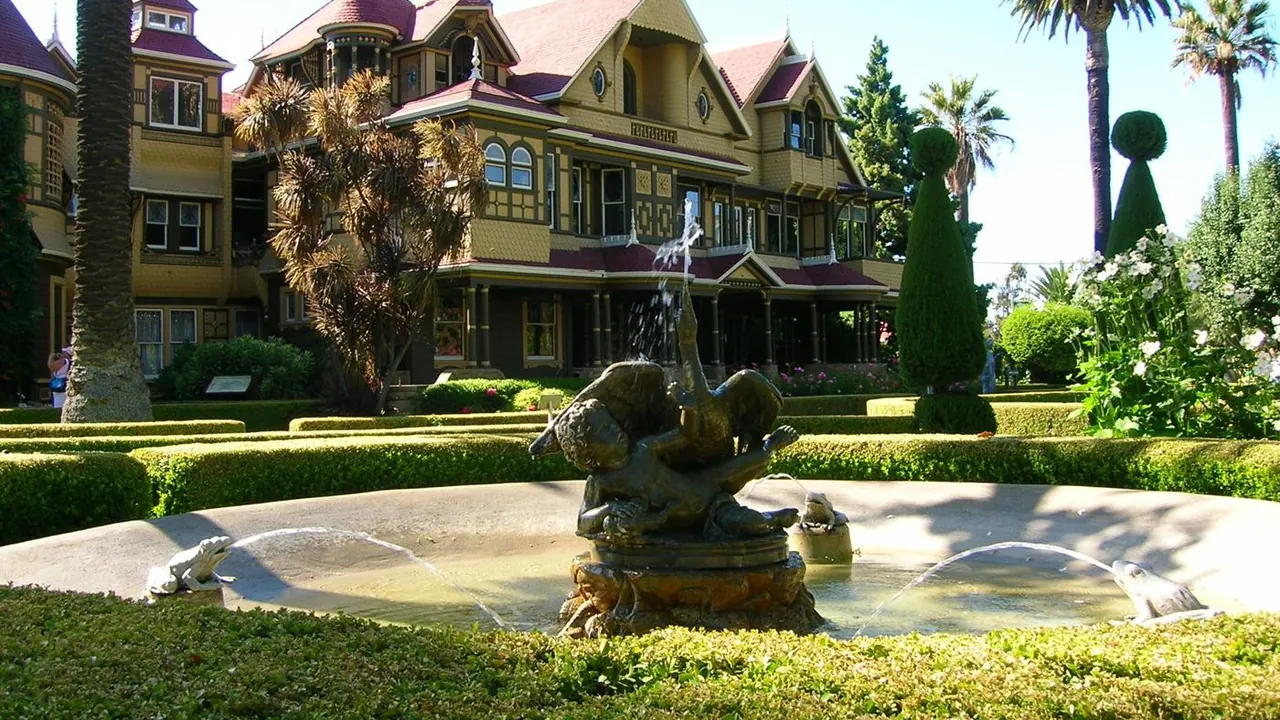
San Jose gives you more to visit indoors, and its oddities are memorable. The Winchester Mystery House with its staircases to nowhere, the Egyptian antiquities at the Rosicrucian museum, Mission Santa Clara and the Computer History Museum fill a couple of days well.
Sedona's culture lies mostly in the landscape. The Chapel of the Holy Cross, built into a butte, is its one landmark, and the Sinagua cliff dwellings at Palatki and Honanki give a much older story than anything around San Jose. In between you have galleries rather than museums.
Nightlife
San Jose's scene is modest, but it does exist. Beer halls and the covered market at San Pedro Square fill up around arena events, and the cocktail bars, dive bars and a few dance clubs along South First Street stay busy on weekends.
Sedona barely has a night out at all. A few brewpubs and resort lounges in Uptown suit one drink after dinner, the town goes to bed early ahead of dawn hikes, and the best thing to do after dark is look up at the stars.
Nature & outdoors
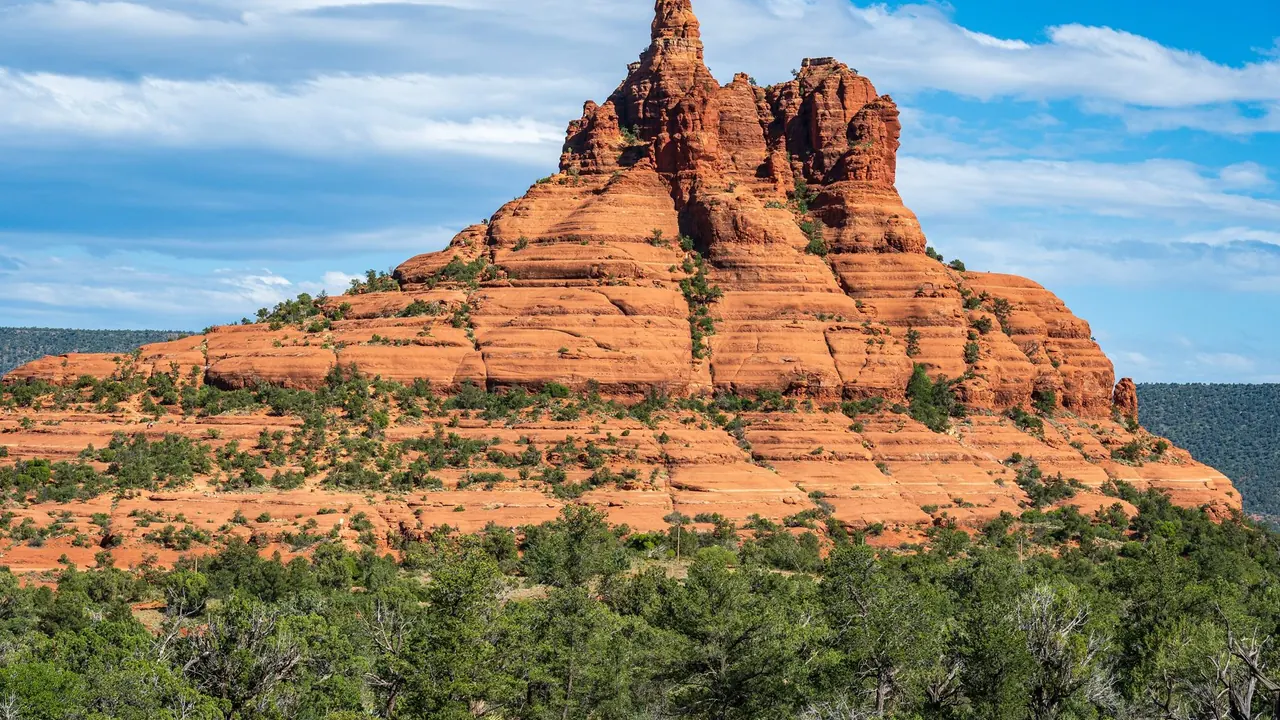
Sedona's scenery is in another class. Cathedral Rock, Bell Rock, Devil's Bridge and the West Fork of Oak Creek are reached by trails that start almost in town, the slickrock singletrack draws mountain bikers from far away, and the Grand Canyon's South Rim is about two hours north.
San Jose's outdoors is more varied but further from the door. Old redwoods at Big Basin and Henry Cowell, foothill walks at Alum Rock and kayaking among sea otters on Monterey Bay all mean time in the car. The sea, the forest and the cypress headlands of Point Lobos are things Sedona's desert cannot give you.
Day trips
San Jose's position is its strongest asset. San Francisco is about an hour away by Caltrain, Stanford and Berkeley are close, and Monterey, Carmel, Santa Cruz and even Napa and Sonoma give you enough for a week of very different days out.
Sedona's outings are pleasant but smaller. The hillside mining town of Jerome, Montezuma Castle and Tuzigoot, the Verde Canyon Railroad and Flagstaff are all worth a few hours each, and a few days covers them.
Good for families
San Jose is much better stocked for children. California's Great America, Happy Hollow's gentle zoo, a discovery museum and an IMAX dome are all close, with the Santa Cruz Boardwalk and the Monterey Bay Aquarium as bigger outings. Suburban hotels with pools make the logistics easy.
Sedona suits outdoorsy families for a few days of creek sliding, short trails and jeep rides over the rocks. With no zoo or theme park, hotels aimed at couples and summer heat on exposed trails, most families treat it as a stop on a Grand Canyon trip.
Getting around
You will want a car in both places, though San Jose gives you a little more without one. Its flat downtown is walkable, light rail runs north and south, and Caltrain is a reliable link to Palo Alto and San Francisco. Outside those lines, expect freeways and rush-hour traffic.
Sedona has walkable Uptown, a shuttle to some of the busiest trailheads, and very little else. Trailhead car parks fill early, the roads around the Y junction clog on weekends, and most visitors fly into Phoenix and drive up.
Shopping & style
For brands and range, San Jose is the place: the big regional mall and the open-air boutique street beside it cover most international and luxury labels, and Japantown and the Asian plazas are fun to browse.
Sedona sells a different kind of thing. Tlaquepaque's courtyards and the galleries along the main road deal in Western art and Native American jewellery, pottery and rugs, alongside the town's crystal and metaphysical shops. It is more distinctive, but there is no fashion shopping at all.
Affordability
Both are expensive, and they are expensive in different ways. San Jose's hotels are priced for business travel, so weekends can be cheaper than midweek, and the Vietnamese and Mexican eateries in the suburban plazas are still fair value, while car hire and parking add up.
Sedona's costs come from resorts, jeep tours, balloon flights and spa treatments, and peak in spring and autumn. The usual way to save is to sleep in Cottonwood or Flagstaff and drive in, and with picnics on the trails the days themselves cost little.
Live music & performing arts
San Jose has a proper, if small, arts calendar. Opera San José performs in the restored California Theatre, the symphony and touring Broadway shows play at the Center for the Performing Arts, and the arena and the summer jazz festival bring bigger names.
Sedona offers occasions rather than a season: chamber concerts, local theatre, the long-running film festival in late winter and Native American flute music at some resorts. There is no concert hall to plan an evening around.
Wellness & relaxation
Sedona was made for this. Destination spas face the red rock canyons, yoga, breathwork and alternative therapies are offered all over town, and quiet sunrise walks to the vortexes are part of the routine. The slow pace and dark nights help as much as any treatment.
San Jose is a busy working city where unwinding takes some effort: hotel spas, the gardens at Hakone and Kelley Park, and an afternoon in Los Gatos. Its Korean-style bathhouses do offer soaking pools, which is the one thing Sedona's treatment-based scene lacks.
When should you go?
Pick your month. The climate figures are measured averages, not a forecast.
San Jose in July
Sedona in July
Daytime high, °C
Rainfall in the month, mm
Where the figures come from
Sedona's station stands 153 m above the city centre, so the centre is likely a little warmer than the figures say.
Sedona has no rain gauge within 25 km of the centre, so its rainfall comes from a gridded climate dataset read at the city rather than from a gauge further away.
Temperature and rainfall are climate normals, averaged over the years shown. San Jose: 1991-2020 normals, San Jose / Santa Clara Trailer Village (8.2 km from centre). Sedona: 2009-2025 (rainfall 1991-2020) normals, Sedona / West Sedona (1.3 km from centre).
San Jose has a dry season and a wet one. From May to October it hardly rains, and daytime highs settle around 27°C from June to September, warm enough for the coast but never harsh for walking. Rain comes from November to March and peaks in February at about 78mm, though even midwinter days stay mild. The Pacific off Santa Cruz is cold all year and never warms much beyond 15°C, so it is for paddling in late summer rather than swimming.
Sedona swings much further. June to August reaches around 34°C, so hikes need dawn starts, and July and August also bring the summer storm rains. The best months are April, May and October, when days are warm and dry. Winter is crisp, with highs near 12°C in January and some rain, which still makes good walking weather but is too cool for the creek. San Jose is the easier choice in high summer, and Sedona is at its best in spring and autumn.
Which traveller are you?
On a relaxing and wellness trip, Sedona is the clear choice. Resort spas look out over the red canyons, yoga, meditation and massage are available all over town, and the slow pace, clear air and dark nights do the rest. San Jose has hardly anything like it.
For a food and nightlife trip, San Jose wins comfortably. The Vietnamese kitchens of Little Saigon, the taquerias and Japantown give you real range, and San Pedro Square and SoFA keep weekends lively. Sedona's dining rooms and lounges wind down early.
On a family trip with children, San Jose has far more to offer: a theme park in Santa Clara, a small zoo, a children's museum and the Monterey Bay Aquarium within reach. In Sedona, after Slide Rock and the jeep tours, there is not much made for children.
Before you go
| Measure | San Jose | Sedona |
|---|---|---|
| Currency | US Dollar (USD) | US Dollar (USD) |
| Sockets | AB120 V, 60 Hz | AB120 V, 60 Hz |
| Driving side | Right | Right |
| Time zone | UTC-8, UTC-7 in summer | UTC-7 |
| Emergency number | 911 | 911 |
| Elevation | 25 m | 1,319 m |
| Main airport | Mineta San Jose International Airport (SJC)8 km from centre38 non-stop destinations | Phoenix Sky Harbor International Airport (PHX)160 km from centre148 non-stop destinations |
| Public holidays this year | 13 days | 12 days |
By the numbers
| Measure | San Jose | Sedona |
|---|---|---|
| City population | 1,013,240 | 9,684 |
| People per km² | 2,167 | 195 |
| Museums within 10 km | 19 | 0 |
| UNESCO World Heritage sites within 50 km | 0 | 0 |
| Swim season, months above 21 °C | None | - |
Where else could you go?
Every comparison below shares a destination with this one, so you can follow San Jose or Sedona somewhere new.