Bequia
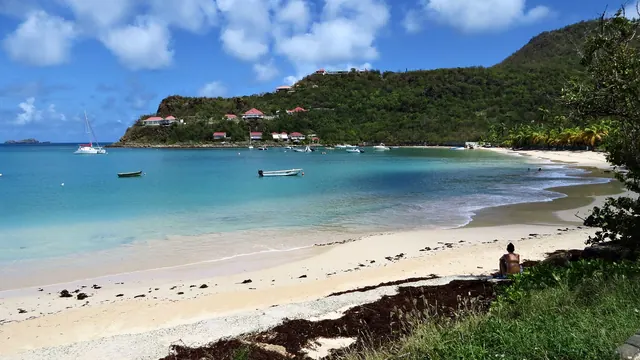
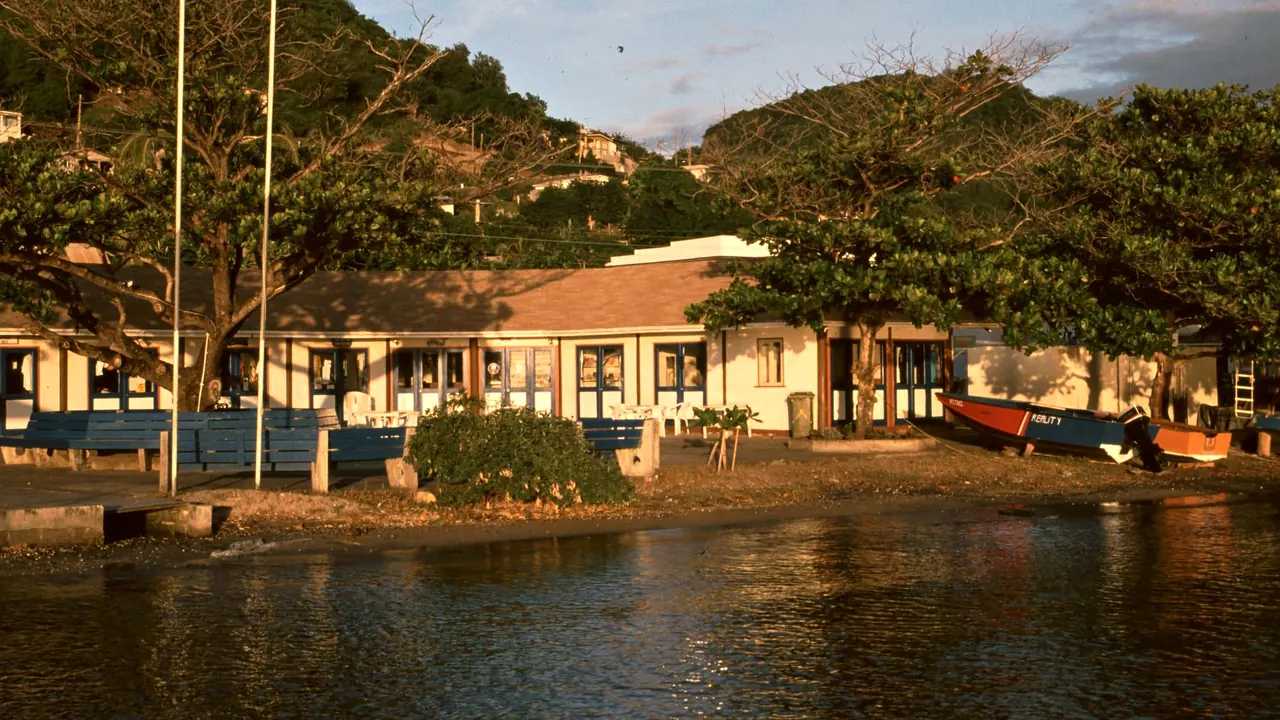
Friendship Bay on Bequia in warm evening light
- Beaches85
- Nature & outdoors66
- Getting around55
Photo: qwesy qwesy, CC BY 3.0, cropped
Match
39
Every category weighted equally
- Beach & sun46
- Culture & arts33
- Food & nightlife34
- Family trip46
- Outdoors46
- Relax & unwind46
- Shopping & style34
- On a budget38
Bequia in twelve categories
Our verdict on each, scored 0 to 100 against the same fixed benchmark cities, so a score means the same thing on every page.
Beaches & swimming. Scores 85 out of 100.
Food & drink. Scores 38 out of 100.
Culture & sights. Scores 20 out of 100.
Nightlife. Scores 14 out of 100.
Nature & outdoors. Scores 66 out of 100.
Day trips. Scores 36 out of 100.
Good for families. Scores 45 out of 100.
Getting around. Scores 55 out of 100.
Shopping & style. Scores 18 out of 100.
Affordability. Scores 28 out of 100.
Live music & performing arts. Scores 20 out of 100.
Wellness & relaxation. Scores 45 out of 100.
Bequia category by category
Beaches & swimming
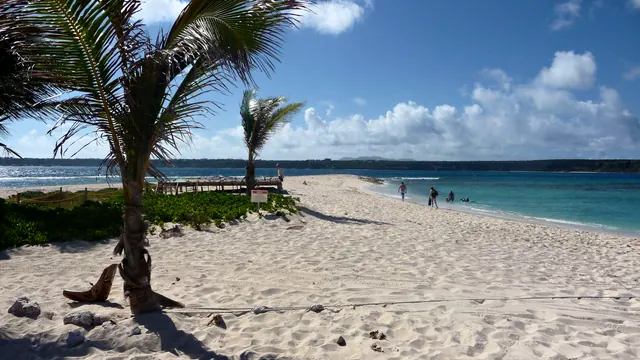
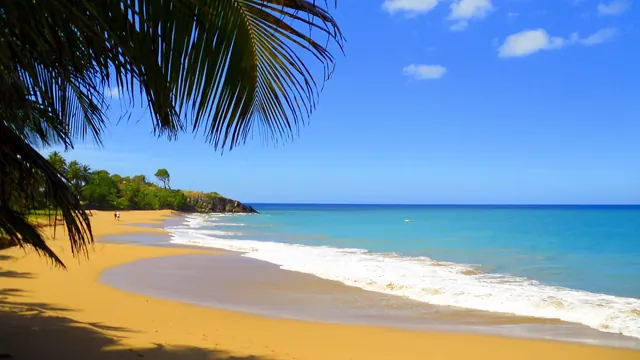
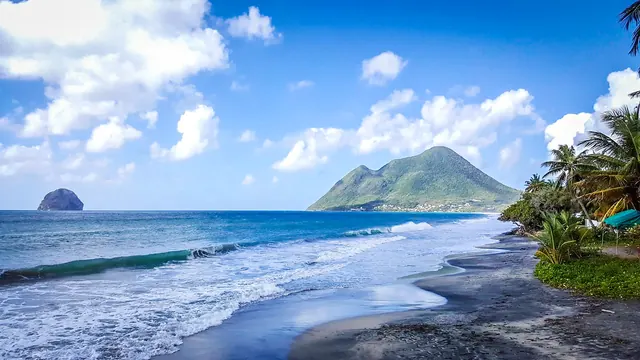
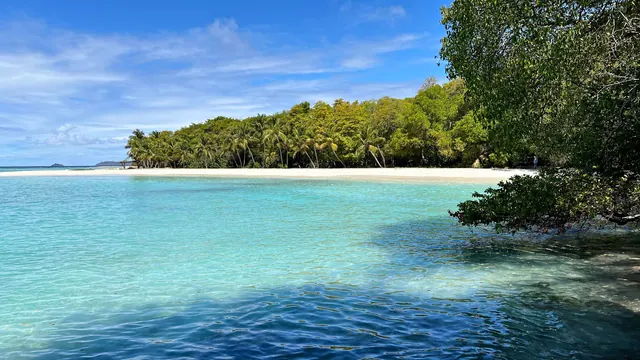
85Beach days are the point of a stay on Bequia, and the island's best beaches are on Admiralty Bay, within walking distance of Port Elizabeth. Princess Margaret Beach is a long curve of golden sand backed by trees, with clear, calm water and yachts moored offshore. Lower Bay, just beyond it, has a few beach bars and a livelier feel. On the east and south coasts, Friendship Bay and Industry Bay are quieter, and Hope Bay can only be reached by a walk downhill through the bush.
The sea stays around 26°C to 28°C all year and the leeward bays are sheltered and gentle. Windward beaches get rougher with the trade winds. The beaches are small and none of them is a resort strip, so expect sand, shade and a swim, not sunbeds in rows.
Food & drink
38Eating on Bequia means fresh fish, lobster in season, conch, rotis and Creole plates, served in waterfront restaurants on Admiralty Bay and the beach bars at Lower Bay and Friendship Bay. The best food is often the simplest: grilled catch of the day, local rum shops serving sweet rum punch, and fruit and vegetables bought from stalls in Port Elizabeth. A handful of places cook more ambitious dishes for the yachting crowd. There are not many places to choose from, though, so a week's stay will mean going back to the same tables. Most groceries come in by boat, which limits what is available.
Culture & sights
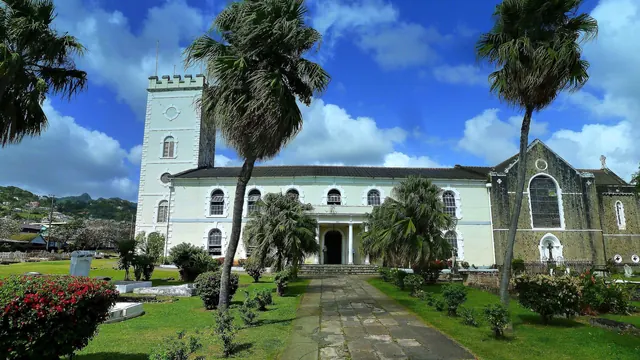
20There isn't much here to see as sights, but what there is comes from the island's seafaring past. Bequia has a long whaling tradition, still carried on in a small way under an indigenous licence, and a modest whaling museum at Paget Farm tells the story. Model boat building is a local craft, and you can watch the builders at work in Port Elizabeth. Moonhole, a settlement of stone houses built into the cliffs at the island's south-west tip, is worth seeing for its strange architecture. There are also the cannons of Fort Hamilton above Admiralty Bay and the old Anglican church in town. Two or three relaxed outings cover the lot.
Nightlife
14Going out on Bequia is a sundowner, not a night on the town. The evening gathers along the Belmont Walkway on Admiralty Bay, where waterfront bars fill with yacht crews coming ashore by dinghy, and at Lower Bay, where beach bars and small rum shops serve rum punch and cold beer to sailors and locals alike. On a few nights of the week one bar or another holds a barbecue with a DJ or a band, and these jump-ups are the closest the island comes to a late night.
There are no clubs, and on most evenings the island is quiet soon after dinner, with visitors back in their guesthouses or out on their boats. The exception is the Easter regatta, when visiting crews bring beach parties and a few genuinely late nights. Anyone who wants a real night out should treat Bequia as a place to rest from one.
Nature & outdoors
66The best of Bequia's nature is out on the water. The island sits in the middle of the Grenadines, where steady trade winds, short hops between islands and sheltered anchorages make some of the best sailing in the Caribbean, and Admiralty Bay is full of yachts all through the dry season. Diving and snorkelling are good on the reefs and walls off the island's west and south coasts. A day charter reaches the Tobago Cays marine park, with its turtles in the shallows and its reef-fringed islets.
On land, the island is green and hilly but small. Paths lead up to Mount Pleasant and Peggy's Rock for the views, and down to quiet windward bays. A sanctuary on the north-east coast raises hawksbill turtles. The dry season, from December to May, is the best time to visit for walking and sailing.
Day trips
36The easiest day out is the ferry to St Vincent, about an hour away, which runs several times a day. There you can walk the market streets of Kingstown, see the old botanic garden and the view from Fort Charlotte. Further down the Grenadines, the towns get smaller and the boat trips get longer. Mustique, with its private villas and beach bar, and Mayreau, a single small hilltop village above famous bays, are usually reached by charter boat or on a sailing day trip. They are pleasant outings, but each island is tiny and none adds much to see beyond its setting.
Good for families
45Bequia works for a quiet family beach vacation. The leeward bays at Princess Margaret and Lower Bay have soft sand and calm, shallow water for younger swimmers, the island is small and relaxed, and children are welcome in the island's restaurants and guesthouses. The turtle sanctuary and a boat trip to snorkel with turtles are the main outings for kids. Beyond that there is nothing designed for children, the hills are steep for pushchairs, medical facilities are basic, and getting here takes a connecting flight or a ferry ride after the long-haul journey. It suits families who are happy to spend most of the day on the sand.
Getting around
55On the island itself, getting around takes little effort. Port Elizabeth is walkable, and a waterside path runs from town to Princess Margaret Beach and Lower Bay. Shared minibuses and open-backed taxis go to the rest of the island in a few minutes, and water taxis cross Admiralty Bay to the yachts and beaches. Few visitors rent a car. The roads are narrow and steep, and there is little need. Getting to Bequia is harder: it is a small-plane hop or a ferry from St Vincent after a connection elsewhere. Visiting the other Grenadines usually means booking a boat.
Shopping & style
18The one real reason to shop here is the island's model boats. They are hand-carved copies of local whalers, schooners and yachts, made in workshops in Port Elizabeth, and some sell to collectors. Along the waterfront you will also find a few stalls and small boutiques selling batik, scrimshaw-style carving, T-shirts and beachwear, plus chandleries for the yachts. There are no shopping streets, malls or markets worth the name. Most everyday goods are imported and limited, so bring what you need.
Affordability
28Bequia is not a cheap island. Almost everything arrives by boat. That pushes up the cost of food and drink, and the better hotels, villas and waterfront restaurants charge typical Caribbean prices, especially in the dry-season high months. Boat charters to the Tobago Cays and the other Grenadines add a lot to a trip. You can keep costs down: family-run guesthouses and apartments, lunch at local roti and rum shops, and the shared minibuses all cost much less than the resort options. Still, expect prices well above those of a typical European beach destination.
Live music & performing arts
20There are no theatres or concert halls on Bequia. Live music means a steel pan band or a string band on a bar's weekly barbecue night, or a local group playing at Lower Bay. The main event of the year is the Bequia Music Fest in late January, with several days of blues, jazz, reggae and soca at outdoor stages around the island. The Easter Regatta also brings bands. For the rest of the year, music comes as part of an evening out, not as something to plan around.
Wellness & relaxation
45Bequia's wellness offer is mostly its pace. The island is quiet and slow, with little traffic and long empty afternoons, and evenings that end early. It is an easy place to switch off for a week. There are a few small spas, massage rooms at some hotels and guesthouses, and occasional yoga sessions, but there is no bathing tradition, thermal springs or anything like a retreat centre. Come for the calm, not for treatments.
When should you go?
Pick a month to see what it is like. The climate figures are measured averages, not a forecast.
Bequia in July
Daytime high, °C
Rainfall in the month, mm
The whole year
Shaded against this destination’s own year: the deepest cell is its best month for that figure and the palest its weakest.
Where the figures come from
Bequia has no weather station within reach, so its figures come from a gridded climate model rather than a measured record, and read a broad area rather than one spot.
Temperature and rainfall are climate normals, averaged over the years shown. Bequia: 2001-2020 normals, NASA POWER reanalysis grid, no weather station within 90 km.
Before you go
| Measure | Bequia |
|---|---|
| Official language | English |
| Currency | East Caribbean Dollar (XCD) |
| Sockets | ACEGIK230 V, 50 Hz |
| Driving side | Left |
| Time zone | UTC-4 |
| Emergency number | Police 911/999, fire 911/999 |
| Main airport | J F Mitchell Airport (BQU)6 non-stop destinations |
| Public holidays this year | 12 days |
By the numbers
| Measure | Bequia |
|---|---|
| Population | 4,300 |
| People per km² | 238 |
| Swim season, months above 21 °C | 12 months |
Compare Bequia with
Every comparison with a written verdict behind it.