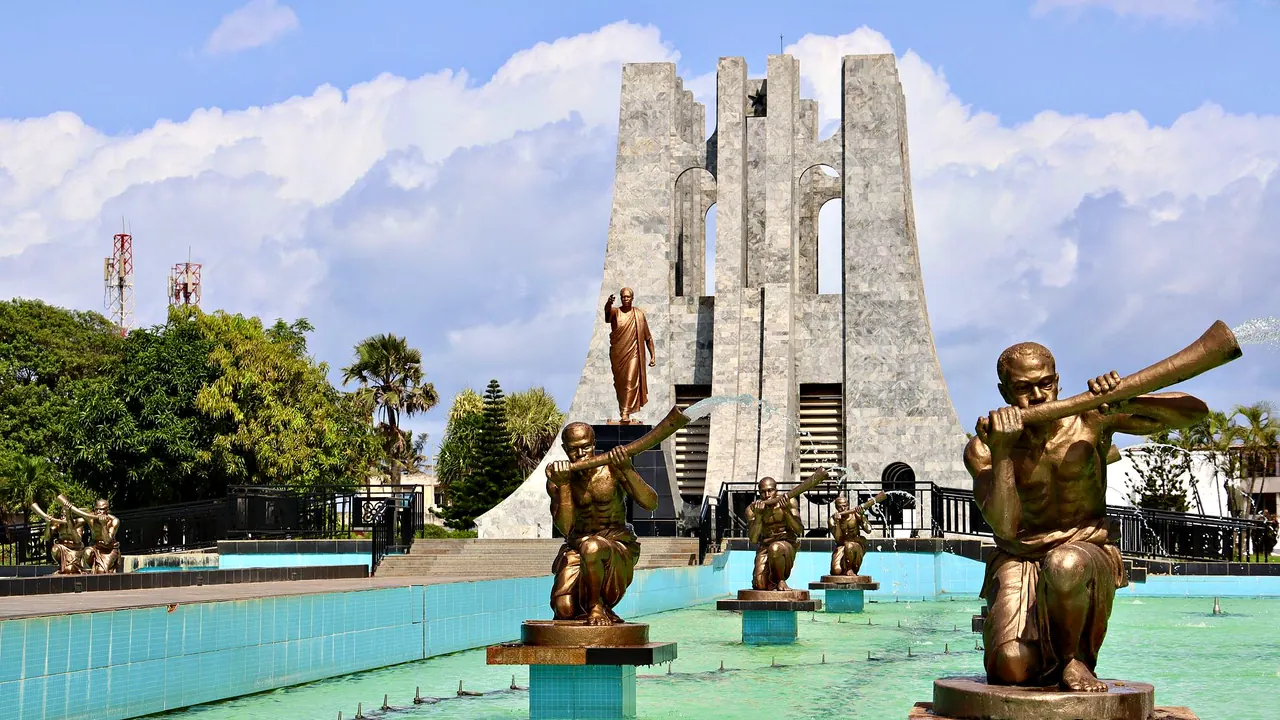
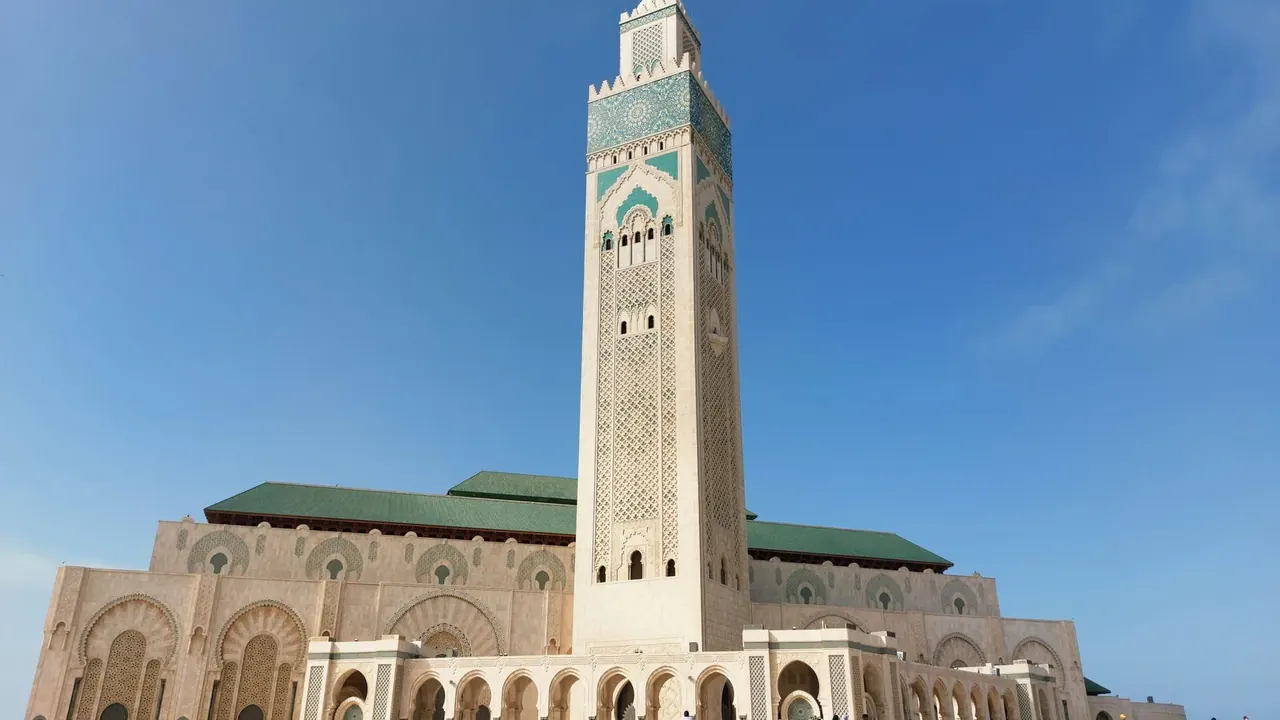
Photos: Accra by Ana Kenk, Pexels License; Casablanca by Samir Bakkah, Pexels License.
Accra or Casablanca?
Our verdict in twelve categories, each scored against the same fixed benchmark cities, and the climate month by month, so you can choose for your trip.
Choose Accra for
- nightlife
- live music and the arts
- nature and the outdoors
Accra is for travellers who come for the evenings and the music: rooftop bars in Osu, Afrobeats clubs that run past midnight, highlife band nights and, above all, the December run of parties and concerts. It suits a sociable, self-assured visitor who doesn't mind sitting in taxis through heavy traffic or finding few sights and rough beaches. In return you get warm sea water, cheap street food and a city that really goes out.
Choose Casablanca for
- wellness
- day trips
- getting around
Casablanca makes for an easier and more rounded stay. A tram reaches the Corniche, the Hassan II Mosque and the Art Deco downtown are worth the visit, fast trains make Rabat and El Jadida easy days out, and there is a hammam in every neighbourhood when you want to slow down. Everyday costs are lower too, and the city works well as the first or last stop on a longer journey through Morocco.
Scoreboard
Twelve categories on one fixed scale from 0 to 100. The shaded stretch is the gap between the two.
Your match
Pick a travel style or drag the sliders, and both match scores follow your weighting.
Wins on nightlife and live music and the arts with your weighting.
Wins on wellness and day trips with your weighting.
What matters to you?
Category by category
What the scores mean for a trip.
Beaches & swimming
Neither city is a beach destination, and both face a heavy Atlantic swell with dangerous currents. Accra has much warmer water, around 27°C all year. But litter washes up on its city beaches, and Labadi is better for drumming and horse rides than for swimming. The calmer spots, such as Bojo across its short canoe crossing and the surf village of Kokrobite, are outside town.
Casablanca is a little ahead for ease of use. Ain Diab's long stretch of sand sits on the tram line, and its beach clubs have pools for days when the sea is too rough. The water is much cooler, though, and the better sands at Dar Bouazza and Bouznika need a short drive.
Food & drink
Both are good cities for eating cheaply where locals eat, but the cooking is very different. Accra's food is hearty and peppery, served at chop bars and roadside stalls: fufu with groundnut soup, waakye for breakfast, kelewele after dark and jollof rice that people argue about with feeling. Beyond Ghanaian and Lebanese food, though, the choice narrows quickly.
Casablanca has a wider range, and seafood is its strength. You can pick fish at the Marché Central and have it grilled next door, and French-style brasseries and pâtisseries line the streets of Maarif and Gauthier. Drink is another difference: palm wine and beer are served openly in Accra, while in Casablanca alcohol stays inside licensed venues.
Culture & sights
Neither city needs more than two or three days, but Casablanca has more to see. Accra's sights tell the story of independence: the Nkrumah mausoleum, the Black Star Gate on Independence Square and the Du Bois Centre. Jamestown's lighthouse and crumbling forts and the painted fantasy coffins of Teshie stay in the memory, but the museums are thin.
Casablanca has a real landmark in the Hassan II Mosque on its platform over the ocean, which non-Muslims can enter on guided tours. The Art Deco and neo-Moorish boulevards around Mohammed V show the French protectorate period, and the Habous quarter and the Museum of Moroccan Judaism fill out a visit.
Nightlife
Accra is the clear choice for going out. Nights move from roadside grills to rooftop lounges in Osu and Labone, then on to clubs playing Afrobeats and amapiano, with late weekend beach parties at Labadi and Kokrobite. In December, when the diaspora comes home for Christmas, the whole city becomes one long festival.
Casablanca goes out more than any other Moroccan city, but quietly. Most of the action is in the lounges and beach clubs along the Ain Diab Corniche, plus the hotel bars and old protectorate-era bars downtown, and there is little life on the street. Both cities expect you to dress well and take a taxi between districts.
Nature & outdoors
Within an hour of Accra the land rises to the Akuapem ridge at Aburi, cooler and greener than the coast, with colonial-era botanical gardens and walking and mountain-bike routes along the top. East of town the Shai Hills mix rocky outcrops and caves with open savannah, and boat trips on Lake Volta at Akosombo are about two hours away. Inside the city itself, heat and traffic leave little beyond the shaded trails of Achimota Forest.
Casablanca has no hills to speak of, and its outdoors is the Atlantic instead. Runners follow the Corniche path out to the El Hank lighthouse, and the breaks at Ain Diab, Dar Bouazza and Bouznika make it the better base for learning to surf. The eucalyptus trails of Bouskoura forest give some shaded walking, but real mountain country is too far for an easy day.
Day trips
Accra's one great excursion, the slave-trade castles at Cape Coast and Elmina, is about three hours away on a slow road and really needs an overnight stay. Closer outings, such as the bead-making villages near Somanya, the woodcarvers at Aburi or the Volta at Akosombo, are pleasant but not essential.
Casablanca is much better placed. Rabat, with the Kasbah des Oudayas and the Chellah ruins, is an easy hour by train. El Jadida's Portuguese cistern and the whitewashed riverside medina of Azemmour lie down the coast, and the lagoon at Oualidia makes a longer day.
Good for families
Children are warmly welcomed in both places, and in both the traffic and broken pavements make life hard with small ones. Accra has little built for families. Hotel pools have to stand in for the rough sea, the outings are Achimota Forest, the Aburi gardens and the Shai Hills baboons, and malaria precautions add to the planning.
Casablanca has more to fill a day: an aquarium and indoor rides in the Corniche mall, the amusement park and zoo at Ain Diab, and calm beach-club pools. It works best for a few days with older children as part of a wider trip around Morocco.
Getting around
Accra makes getting around hard work. There is no metro or tram, so visitors rely on ride-hailing apps and taxis that crawl through rush-hour traffic. The trotro minibuses are confusing for a newcomer, walking only works in parts of Osu and Jamestown, and most people hire a car with a driver for outings.
Casablanca is far easier. The tram connects downtown, the main stations and the Ain Diab Corniche, red petits taxis are everywhere, and the centre around the Marché Central is walkable. Fast trains reach the rest of the country without a car.
Shopping & style
The two differ more in what they sell than in how much there is. Accra is the place for cloth. You can buy wax-print fabric at Makola Market and have a tailor make it up within days, bargain for kente and drums at the Arts Centre, or browse a handful of Ghanaian designers in Osu and Labone.
Casablanca is Morocco's modern shopping city, with international brands in the Corniche mall and fashion streets in Maarif. The Habous quarter sells leather, brass lamps and babouches with little pressure from sellers. Neither city is strong on luxury, and serious carpet hunters will do better elsewhere in Morocco.
Affordability
Both cities follow the same pattern of cheap daily life and expensive rooms, but Casablanca costs less overall. In Accra, street food, chop bars and ride-hailing are cheap. Hotels with reliable power and air-conditioning are expensive for the region, though, imported goods cost a lot, and prices climb in December.
In Casablanca, the tram, petits taxis, café terraces and market fish all cost little, and the mosque is the only real sightseeing expense. The expensive parts are the business hotels and dining on the Corniche.
Live music & performing arts
Accra has more live music woven into daily life. Highlife bands still play in bars and garden venues, Afrobeats stars fill arenas in December, drumming carries from Labadi beach, and the Chale Wote festival fills Jamestown with performance every year. The ship-shaped National Theatre is the main formal stage, though its programme is irregular.
Casablanca depends more on scheduled events: the large theatre on Place Mohammed V, the foreign cultural institutes, a long-running jazz festival and an urban music festival that grew out of the city's hip-hop scene. Outside those dates, an ordinary week may offer little to see.
Wellness & relaxation
Accra has no bathing tradition of its own, only hotel spas and massage salons. The heat, noise and traffic make it a tiring city to unwind in, so visitors who need rest usually head out to a beach lodge at Kokrobite or the cooler Aburi hills.
Here the gap between the two is at its widest. In Casablanca the hammam is part of everyday life, from neighbourhood steam baths with black soap and the kessa glove to quieter spa versions in Maarif. Thalassotherapy centres along the Corniche use Atlantic seawater for treatments.
When should you go?
Pick your month. The climate figures are measured averages, not a forecast.
Accra in July
Casablanca in July
Daytime high, °C
Rainfall in the month, mm
Temperature and rainfall are climate normals, averaged over the years shown. Accra: 1991-2020 normals, Accra (5.9 km from centre). Casablanca: 1991-2020 normals, Casablanca (5.6 km from centre).
Accra is hot all year, with highs of about 33°C for much of it, so rain matters more than temperature. The long rains run from April to June and peak at around 167mm in June. A shorter wet spell follows in October. December to February is the driest stretch, and October to December brings the most sunshine. You can swim in the sea in any month, but the midday heat makes walking the streets tiring whenever you go.
Casablanca is mild by comparison. Winter highs are around 18°C, and most of the year's rain falls from November to January. Summer is dry and very sunny and peaks at about 27°C in August. The Atlantic only reaches about 23°C in late summer, so July to September are the beach months. Spring and early autumn are the most comfortable times for exploring the city on foot.
Which traveller are you?
On a food and nightlife trip, Accra is the better choice. Evenings start with grilled meat and beer at roadside spots and move on to rooftop bars and clubs. The city goes out openly and late, while in Casablanca a night out is discreet and stays mostly along the Corniche.
For a relaxing and wellness trip, Casablanca wins easily. Hammams are part of everyday life, from neighbourhood steam baths to quiet spas in Maarif, and there are seawater treatments along the Corniche. Accra offers little beyond hotel spas, and its heat and noise make it hard to rest.
For a short city break, choose Casablanca. The tram links the main sights, the Art Deco centre is easy to walk, and Rabat is an hour away by train. In Accra, the traffic and the lack of public transport eat into a short stay.
Before you go
| Measure | Accra | Casablanca |
|---|---|---|
| Official language | English | Arabic, Standard Moroccan Tamazight |
| Currency | Ghana Cedi (GHS) | Moroccan Dirham (MAD) |
| Sockets | G230 V, 50 Hz | CE50 Hz |
| Driving side | Right | Right |
| Time zone | UTC | UTC+1 |
| Emergency number | 999 | Police 19/112, ambulance 15, fire 15 |
| Elevation | 61 m | 115 m |
| Main airport | Kotoka International Airport (ACC)6 km from centre36 non-stop destinations | Mohammed V International Airport (CMN)26 km from centre112 non-stop destinations |
| Public holidays this year | 11 days | 11 days |
By the numbers
| Measure | Accra | Casablanca |
|---|---|---|
| City population | 1,782,150 | 3,215,935 |
| People per km² | 10,301 | 8,375 |
| Museums within 10 km | 3 | 3 |
| UNESCO World Heritage sites within 50 km | 1 | 0 |
| Swim season, months above 21 °C | 12 months | 5 months |
Where else could you go?
Every comparison below shares a destination with this one, so you can follow Accra or Casablanca somewhere new.
- Rabatvs Casablanca
- Marrakechvs Casablanca
- Fesvs Casablanca
- Chefchaouenvs Casablanca
- Tangiervs Casablanca
- Essaouiravs Casablanca