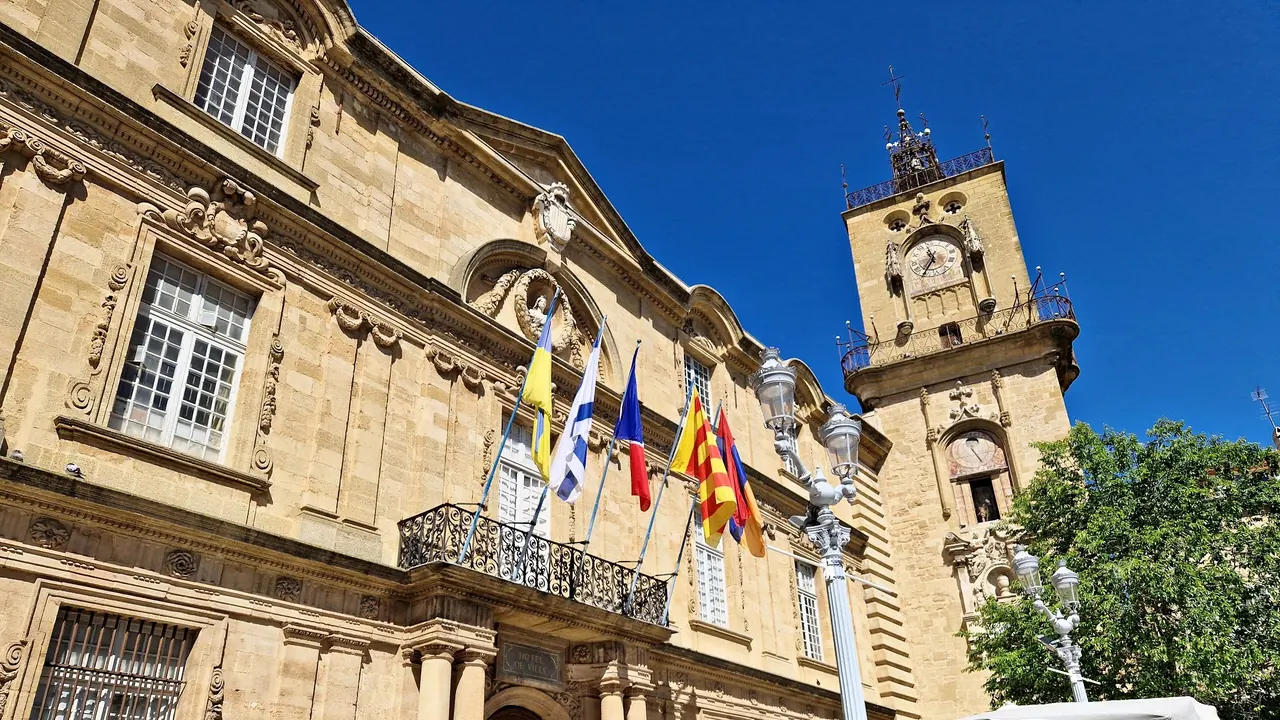
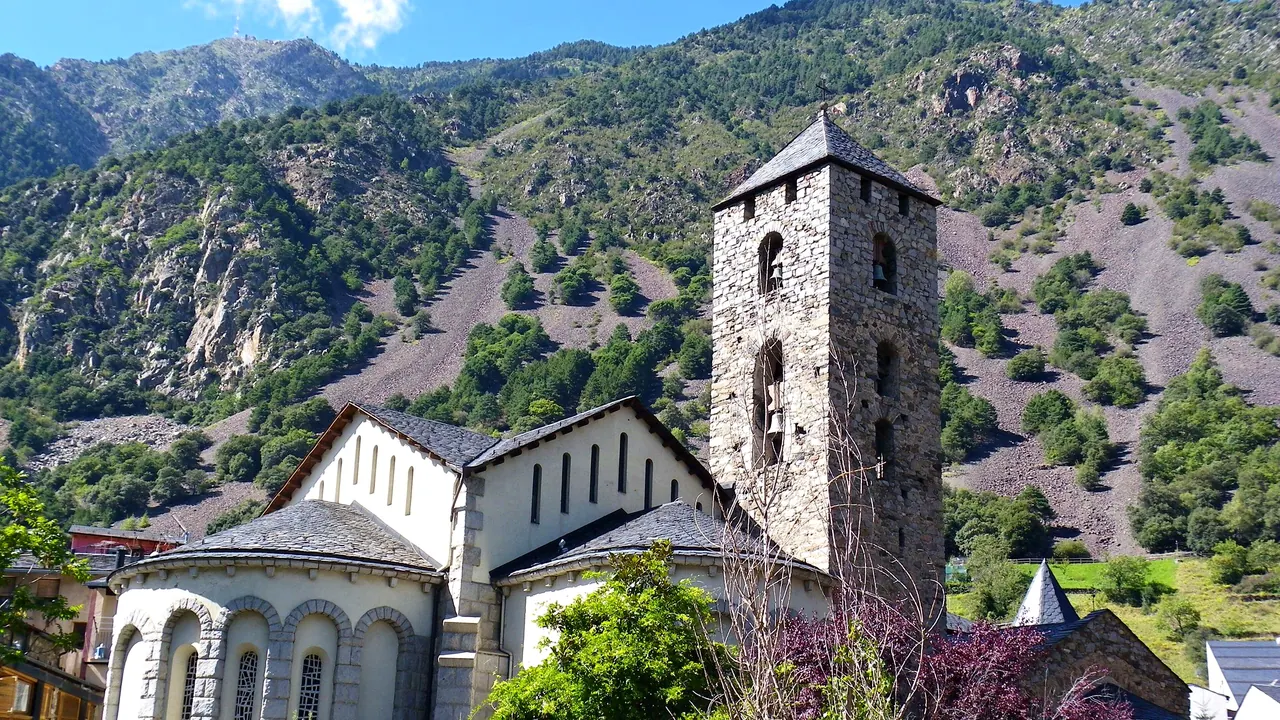
Photos: Aix-en-Provence by Hanay, CC BY-SA 4.0, cropped; Andorra la Vella by KRLS, CC BY-SA 3.0, cropped.
Aix-en-Provence or Andorra la Vella?
Our verdict in twelve categories, each scored against the same fixed benchmark cities, and the climate month by month, so you can choose for your trip.
Choose Aix-en-Provence for
- day trips
- live music and the arts
- beaches
Aix-en-Provence suits a slower trip with more culture in it: market mornings, long terrace lunches, Cezanne's studio, the mansions of the Mazarin quarter and, in July, an evening at the opera. Its greatest strength is as a base. Marseille, Avignon, Arles, the Luberon villages and the calanques are all within easy reach, so a week of varied outings works well here, ideally with a car.
Choose Andorra la Vella for
- prices
- nature and the outdoors
- families
Andorra la Vella makes more sense when your days will be spent in the mountains. The ski areas, the Madriu-Perafita-Claror valley and the high trails start almost from town, Caldea is there for an evening soak, and the low-tax avenues are good for a shopping list. Families who ski or hike do well here, and it costs less than Aix, but there is little to see in town and the evenings are quiet.
Scoreboard
Twelve categories on one fixed scale from 0 to 100. The shaded stretch is the gap between the two.
Your match
Pick a travel style or drag the sliders, and both match scores follow your weighting.
Wins on day trips and live music and the arts with your weighting.
Wins on prices and nature and the outdoors with your weighting.
What matters to you?
Category by category
What the scores mean for a trip.
Beaches & swimming
Neither city is a beach destination, but from Aix the sea is at least within reach. The coves of the Cote Bleue, the Marseille beaches and Cassis are all within about an hour's drive. The beaches are small and pebbly, but the water is pleasant in summer, and a villa pool fills the gap on other days.
Andorra la Vella is three hours from the nearest shore, and its mountain lakes are too cold for a proper swim. Warm water there means a hotel pool or Caldea.
Food & drink
Aix is the better place to eat. The daily markets on Place Richelme, Provencal lunches of daube and vegetable tians with local rose, and calissons from the old confiseries make food a real part of the trip, though there is little choice beyond French cooking.
Andorra serves hearty Catalan mountain food, at its best in the wood-fired bordas of the side valleys, while the restaurants on the shopping avenues vary a lot in quality. It feeds you well after a day outdoors, but it is not a reason to come.
Culture & sights
Aix has far more to see. The Cours Mirabeau and its fountains, the 17th and 18th-century mansions of the Mazarin quarter, the Cathedrale Saint-Sauveur with its Merovingian baptistery and the Cezanne sites fill two or three unhurried days.
In Andorra la Vella the heritage fits into the Barri Antic and the Casa de la Vall, the old parliament house, with the round-towered Romanesque church of Santa Coloma a short ride away. Most of the town is modern, and one day is enough.
Nightlife
Neither is a going-out town, but Aix has more life after dark thanks to its students, who fill the terraces around the Forum des Cardeurs on warm nights. It also has a few cocktail bars and small clubs, and Marseille is close for a proper club night.
In Andorra la Vella, the pubs and wine bars of the centre and Escaldes-Engordany empty early, because most people are tired from the slopes. What après-ski scene there is stays up in the resort villages.
Nature & outdoors
Both are excellent for the outdoors, but Andorra la Vella has the edge because the mountains start at the door. Skiing in winter, the UNESCO-listed Madriu-Perafita-Claror valley on the edge of town and summer trails to glacial lakes and refuges take little planning, and road cyclists come for the long climbs.
Aix offers variety rather than height: Sainte-Victoire to climb, the Calanques for coastal walking and kayaking, and the Verdon gorges further off. Most of it needs a car, and because of summer fire closures, spring and autumn are the best seasons.
Day trips
This is where the two differ most. From Aix, Marseille is half an hour away and the TGV reaches Avignon in about twenty minutes. Arles and its Roman arena are about an hour away, and so are the Luberon villages from Gordes to Lourmarin.
Andorra la Vella has a shorter list: the cathedral town of La Seu d'Urgell half an hour to the south, Puigcerda and Llivia in the Cerdanya, and the castle at Foix about two hours away in France. These are pleasant outings, but they are not a reason to stay there.
Good for families
Andorra la Vella is the better choice for families who come to be active. In winter there are ski schools and gentle beginner slopes. In summer there are toboggan runs, rope courses and a park with Pyrenean animals, and Caldea's family pools are there for a wet day, though the busy main street is no pleasure with children.
Aix is safe, and its pedestrian centre and fountains are easy with small children, but the sights are aimed at adults and summer afternoons are hot. Families there tend to rely on a pool and on days out to the zoo at La Barben or the coast.
Getting around
Both centres are small enough to walk, but Aix is easier to get around overall. Its old town is compact and mostly pedestrian, local trains and buses run to Marseille and its airport, and there is a TGV station, though you need a shuttle bus to reach it.
Andorra la Vella has no train at all, so arriving means a long road journey from airports in Spain or France, and the valley road is often jammed at weekends. National buses link the parishes and the ski slopes. In both places, a car is the easy way into the countryside.
Shopping & style
The two are evenly matched but very different. In Aix, shopping is part of a stroll: fashion boutiques and delicatessens around Rue d'Italie and Rue Fabrot, market stalls of fabrics and flowers, and Provencal things to take home such as santons, olive-wood ware and Marseille soap.
Andorra la Vella is a long strip of low-tax stores and department stores selling perfume, electronics and ski gear. Go to Aix for character and crafts, and to Andorra for bargains and outdoor kit.
Affordability
Andorra la Vella is the cheaper of the two. Rooms are often good value outside the peak ski weeks, set lunches are fair and low taxes make drinks cheap, though ski passes and Caldea cost what such things cost in any mountain resort.
Aix is one of the dearer towns in southern France, with few central hotels and steep rates in July. Back-street lunch menus and market picnics help, but a hire car adds to the bill.
Live music & performing arts
Aix is far ahead here. Its July opera festival in the courtyard of the Archbishop's Palace draws the opera world. Through the rest of the year, the Grand Theatre de Provence, Ballet Preljocaj at the Pavillon Noir and the Theatre du Jeu de Paume keep a steady programme going.
Andorra la Vella has a small national orchestra and a few summer festivals, with jazz in Escaldes-Engordany and classical music in Ordino. Outside summer, an evening of live music is hard to find.
Wellness & relaxation
Aix has one spa with Roman roots and a slow pace of life. Andorra la Vella has one large modern thermal complex. The Thermes Sextius stands where the baths of Aquae Sextiae once stood, and some of the fountains still run warm. In Aix, though, it is the market mornings and the quiet afternoons under the plane trees that really help you unwind.
Caldea, fed by the hot springs of Escaldes-Engordany, is far bigger. It has lagoons, saunas and a quieter adults-only section, and it suits a long soak after the trails. Outside it, the traffic on the avenues breaks the calm, and for real quiet you have to go to the stone villages of the side valleys.
When should you go?
Pick your month. The climate figures are measured averages, not a forecast.
Aix-en-Provence in July
Andorra la Vella in July
Daytime high, °C
Rainfall in the month, mm
Where the figures come from
Andorra la Vella has no weather station within reach, so its figures come from a gridded climate model rather than a measured record, and read a broad area rather than the city itself.
Temperature and rainfall are climate normals, averaged over the years shown. Aix-en-Provence: 1991-2020 normals, Marseille / Marignane (19.2 km from centre). Andorra la Vella: 1991-2020 normals, TerraClimate 4 km grid at the town, no weather station within 90 km.
Aix is a warm-weather town. May, June and September are its best months: warm and very sunny, good for walking the old town and for days out on the coast. July is the hottest and driest month, at around 31°C, which makes afternoons in the streets hard going. The sea is warmest in August, at about 22°C, so July to September is the time for swimming. Rain comes with the autumn, about 82mm in September, and keeps coming through November. Winters are cool but often sunny.
Andorra la Vella follows a mountain calendar. Summer highs of around 23°C in July and August are ideal for hiking, just when Aix is at its hottest. Winter days near 5°C bring the snow season. Rain is spread through the year and is heaviest in late spring and November. So the two barely compete: go to Aix in spring and early autumn, and to Andorra in high summer or for the snow.
Which traveller are you?
For a culture and arts trip, choose Aix-en-Provence. You can follow Cezanne from his studio to the Bibemus quarries, spend a morning in the Musee Granet and end the day at the ballet or, in July, the opera. Andorra la Vella has about a day of sights.
On a trip on a tight budget, Andorra la Vella makes the money last longer because its best days are free. You can walk out of town into the Madriu-Perafita-Claror valley and up to the lakes. The pleasures of Aix are terraces and boutiques, and they eat into a small budget.
For skiers, Andorra la Vella is the only one of the two that works. The lift-linked pistes are a short bus ride away, and ski touring or snowshoeing fills a day off the runs, all while you stay in a proper town rather than a resort village. Aix has no snow.
Before you go
| Measure | Aix-en-Provence | Andorra la Vella |
|---|---|---|
| Official language | French | Catalan |
| Currency | Euro (EUR) | Euro (EUR) |
| Sockets | CE230 V, 50 Hz | CF220 V, 50 Hz |
| Driving side | Right | Right |
| Time zone | UTC+1, UTC+2 in summer | UTC+1, UTC+2 in summer |
| Emergency number | 112 | 112 or 118 |
| Elevation | 73 m | 1,022 m |
| Main airport | Marseille Provence Airport (MRS)21 km from centre126 non-stop destinations | Josep Tarradellas Barcelona-El Prat Airport (BCN)142 km from centre235 non-stop destinations |
| Public holidays this year | 11 days | 14 days |
By the numbers
| Measure | Aix-en-Provence | Andorra la Vella |
|---|---|---|
| City population | 149,695 | 24,042 |
| People per km² | 804 | 801 |
| Museums within 10 km | 8 | 13 |
| UNESCO World Heritage sites within 50 km | 1 | 4 |
| Swim season, months above 21 °C | 2 months | - |
Where else could you go?
Every comparison below shares a destination with this one, so you can follow Aix-en-Provence or Andorra la Vella somewhere new.
- Marseillevs Aix-en-Provence
- Arlesvs Aix-en-Provence
- Avignonvs Aix-en-Provence
- Saint-Tropezvs Aix-en-Provence
- Carcassonnevs Andorra la Vella
- Gironavs Andorra la Vella