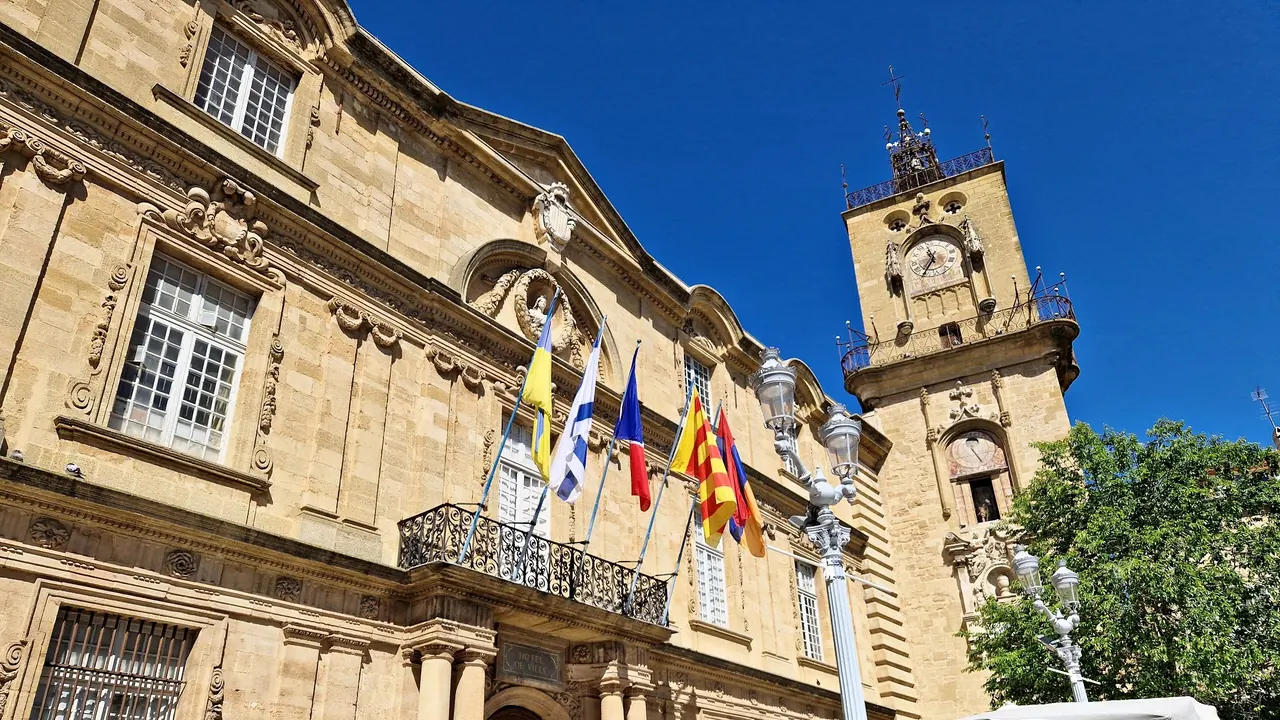
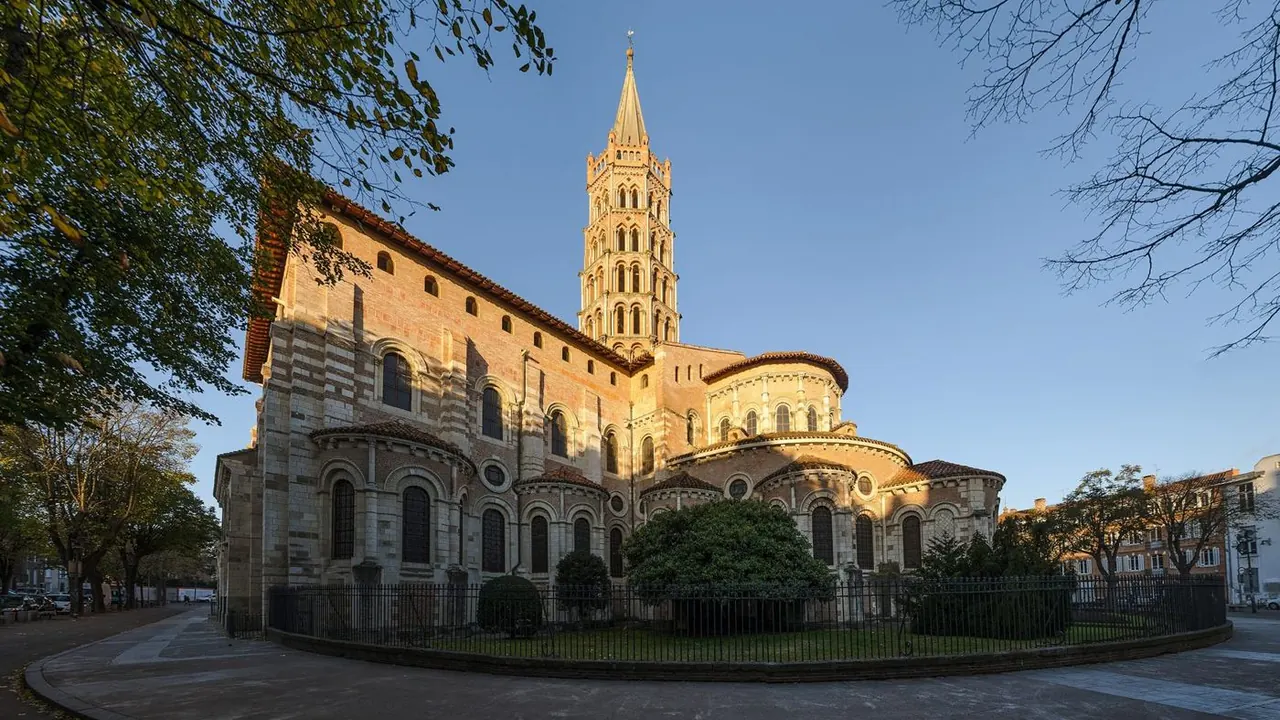
Photos: Aix-en-Provence by Hanay, CC BY-SA 4.0, cropped; Toulouse by ZbebVial, CC BY-SA 3.0, cropped.
Aix-en-Provence or Toulouse?
Our verdict in twelve categories, each scored against the same fixed benchmark cities, and the climate month by month, so you can choose for your trip.
Choose Aix-en-Provence for
- beaches
- wellness
- nature and the outdoors
Aix-en-Provence suits a slower, more scenic trip. It is a superb base for touring Provence, with the Luberon villages, Avignon, Arles and the Calanques all close, Sainte-Victoire on the doorstep and the Mediterranean near enough for a swim. It rewards travellers who have a car, enjoy long market lunches and can afford a higher bill, and it is at its best for opera lovers in July.
Choose Toulouse for
- nightlife
- families
- prices
For a real city stay that carries on after dark and keeps children busy, Toulouse is the better pick. Students fill Place Saint-Pierre at night, the space centre and aircraft museums give families whole days out, metro lines cross the town and prices are gentler. Choose it for cassoulet, brick-red streets and train trips to Carcassonne and Albi rather than for the sea.
Scoreboard
Twelve categories on one fixed scale from 0 to 100. The shaded stretch is the gap between the two.
Your match
Pick a travel style or drag the sliders, and both match scores follow your weighting.
Wins on beaches and wellness with your weighting.
Wins on nightlife and families with your weighting.
What matters to you?
Category by category
What the scores mean for a trip.
Beaches & swimming
Neither city is a beach destination, but Aix is much closer to the water. The coves of the Côte Bleue, Marseille's city beaches and Cassis with its calanques are all within about an hour by car. That makes a swim in the Mediterranean an easy day out, though the beaches are pebbly and crowded in August.
From Toulouse the nearest sea, around Narbonne and Gruissan, is about two hours away, so it is a long excursion. In practice, swimming there means the supervised lakes at Sesquières and La Ramée or a hotel pool.
Food & drink
Both cities eat well, but in different ways. Aix cooks the Provençal way: morning markets on Place Richelme, olives, goat's cheese, tians and grilled fish over a long lunch with Coteaux d'Aix rosé, and calissons to finish.
Toulouse cooks heavier, heartier food, built on cassoulet, duck confit, foie gras and Fronton reds, and the counters upstairs at the Victor Hugo market let you eat among the stallholders. Its set lunches and student quarters also make eating out cheaper than on Aix's expensive terraces.
Culture & sights
Either city gives about two days of unhurried sightseeing, but the character differs. Aix is a town of elegance and painting: the fountains and plane trees of the Cours Mirabeau, the honey-stone mansions of the Mazarin quarter, and Cézanne's studio, family house and quarries.
Toulouse is built of rose-red brick and has the larger monuments, led by the Romanesque basilica of Saint-Sernin and the palm-tree vault of the Jacobins. Its aircraft museums and space centre add a modern side that Aix has nothing to match.
Nightlife
Toulouse has the livelier evenings. Its very large student population fills Place Saint-Pierre and the quays on warm nights, Carmes and the Daurade have wine and cocktail bars for an older crowd, and there are clubs and a solid electronic scene.
Aix has students too, but an evening there means a drink on the terraces around Place des Cardeurs and an early night. Anyone wanting a club goes to Marseille. Both cities get noticeably quieter when the students leave for the summer.
Nature & outdoors
Aix has the more dramatic outdoors close at hand. Montagne Sainte-Victoire rises just east of town, and the Calanques, some of the best coastal walking in the Mediterranean, are within an hour. The Luberon, the Alpilles and the Gorges du Verdon add cycling, kayaking and hiking. Spring and autumn are the seasons for all of this, as the hills often close on high fire-risk days in midsummer.
Around Toulouse the land is mostly flat farmland, good for long rides along the Canal du Midi towpaths. Its great asset is the Pyrenees, with serious hiking and winter skiing, but they are one and a half to two hours away.
Day trips
Both make good bases, but Aix is exceptional. Marseille is about half an hour away, the TGV reaches Avignon in about twenty minutes, and Arles and the Pont du Gard are also within reach. The Luberon hill villages of Gordes, Roussillon and Lourmarin are within an hour, though you need a car for them.
Toulouse has fewer outings, but two excellent ones are each about an hour by train: walled Carcassonne, and brick-built Albi with its cathedral and Toulouse-Lautrec museum. Moissac's cloister and the hilltop village of Cordes-sur-Ciel complete a shorter list.
Good for families
Toulouse gives children far more to do. The Cité de l'espace, with its Ariane rocket and Mir module, can fill a whole day. The aircraft museum lets families walk inside a Concorde, and there is a drive-through safari park on the western edge of the city.
Aix is safe and mostly pedestrian, with fountains and ice cream to keep younger children happy, but its sights are aimed at adults. Families there usually rely on a pool and drive out to the zoo at La Barben, the coast or the walking trails.
Getting around
Both centres are easy to walk, but Toulouse has better transport. Two automated metro lines, trams and a bike-share scheme cover the city, and the main station is a short walk from the centre.
Aix's old town is small and mostly pedestrian, but its TGV station is out on the plateau and needs a shuttle bus, and the Provence villages are hard to reach without a hire car. Toulouse also needs a car for the Pyrenees, but trains reach more of its main day trips.
Shopping & style
Neither city is a serious shopping destination, and the difference is one of style. Aix is better for browsing: French fashion boutiques and delicatessens in the lanes around Rue d'Italie, flower and textile stalls on market days, and Provençal things to take home such as santons, olive-wood ware and printed fabrics.
Toulouse is more mainstream, with chain stores and a department store on Rue d'Alsace-Lorraine. Its best souvenirs are edible: violet sweets, Armagnac and cassoulet in jars, with the big Sunday market around Saint-Sernin as well.
Affordability
Aix is the more expensive of the two, and most of the difference goes on where you sleep. Rooms in and around the old town are scarce and lean towards boutique hotels and country houses, and in July the opera festival pushes rates higher still. Eating on the Cours Mirabeau also means paying for the view. Lunch menus in the back streets and picnics from the market are where the town gives fair value.
Toulouse is a much larger city, with more beds that cost noticeably less than Aix's, except in the weeks of big trade fairs. Its everyday costs are lower too. The set lunch is something locals eat every day rather than a bargain you have to seek out, the student districts keep drinks and simple meals cheap on a scale Aix cannot match, and getting around by metro costs little. Neither is a cheap destination, but the same week leaves more money in your pocket in Toulouse.
Live music & performing arts
The two are evenly matched, but their strengths differ. Aix has its big moment in July, when the opera festival fills the courtyard of the Archbishop's Palace. For the rest of the year it has Ballet Preljocaj at the Pavillon Noir and touring companies at the Grand Théâtre de Provence.
Toulouse offers more through the whole year. There is a full opera and ballet season at the Théâtre du Capitole, and the Orchestre National du Capitole plays in the round Halle aux Grains. A piano festival fills the Jacobins cloister in late summer, and Rio Loco brings world music to the riverside in early summer.
Wellness & relaxation
Aix is the better place to unwind. The warm springs the Romans found still run through some of its fountains and feed the Thermes Sextius spa. Outside July the town is calm, with market mornings and long afternoons under the plane trees.
Toulouse has hotel spas, a few hammam-style day spas, open-air pools in summer and slow walks along the Garonne and the canal. For thermal water you have to go to Luchon or Ax-les-Thermes in the Pyrenees, which works best with a night away.
When should you go?
Pick your month. The climate figures are measured averages, not a forecast.
Aix-en-Provence in July
Toulouse in July
Daytime high, °C
Rainfall in the month, mm
Temperature and rainfall are climate normals, averaged over the years shown. Aix-en-Provence: 1991-2020 normals, Marseille / Marignane (19.2 km from centre). Toulouse: 1991-2020 normals, Toulouse / Blagnac (7 km from centre).
Aix is the hotter, sunnier and drier of the two. Summer is properly hot, with July highs around 31°C and almost no rain. That is good for pool days and trips to the coast, where the sea is warmest in August at about 22°C, but tiring for afternoon sightseeing. May, June and September are the best months for walking the old town and the hills. Autumn brings the heaviest rain, with September close to 82mm. Winters are mild and fairly bright for the season.
Toulouse is a few degrees cooler and tops out around 28°C in July and August, so high summer is easier for walking, though still hot. Its rain is spread more evenly through the year and peaks in late spring, at about 74mm in May. It also gets clearly less sunshine than Aix in every month. Late spring and September suit both cities. For reliably dry, sunny weather from June to August Aix is the safer bet, and in the worst of the midsummer heat Toulouse is the gentler choice.
Which traveller are you?
On a family trip with children, Toulouse is the stronger choice. The Cité de l'espace, the walk-through Concorde and the giant mechanical creatures can fill whole days. In Aix the sights are mansions and museums, so families end up driving out for entertainment.
For a relaxing and wellness trip, Aix wins clearly. Its warm springs still feed the Thermes Sextius on the site of the Roman baths, and market mornings and quiet afternoons under the plane trees set a slow pace. From Toulouse, thermal water means a trip into the Pyrenees.
On a food and nightlife trip, Toulouse is the better bet. Its cassoulet, duck and Victor Hugo market are a match for Aix's Provençal lunches, and its evenings run later, with student bars on Place Saint-Pierre and clubs. Aix's terrace evenings wind down early.
Before you go
| Measure | Aix-en-Provence | Toulouse |
|---|---|---|
| Official language | French | French |
| Currency | Euro (EUR) | Euro (EUR) |
| Sockets | CE230 V, 50 Hz | CE230 V, 50 Hz |
| Driving side | Right | Right |
| Time zone | UTC+1, UTC+2 in summer | UTC+1, UTC+2 in summer |
| Emergency number | 112 | 112 |
| Elevation | 73 m | 115 m |
| Main airport | Marseille Provence Airport (MRS)21 km from centre126 non-stop destinations | Toulouse-Blagnac Airport (TLS)7 km from centre84 non-stop destinations |
| Public holidays this year | 11 days | 11 days |
By the numbers
| Measure | Aix-en-Provence | Toulouse |
|---|---|---|
| City population | 149,695 | 514,819 |
| People per km² | 804 | 4,352 |
| Museums within 10 km | 8 | 24 |
| UNESCO World Heritage sites within 50 km | 1 | 2 |
| Swim season, months above 21 °C | 2 months | - |
Where else could you go?
Every comparison below shares a destination with this one, so you can follow Aix-en-Provence or Toulouse somewhere new.
- Marseillevs Aix-en-Provence
- Avignonvs Aix-en-Provence
- Carcassonnevs Toulouse
- Saint-Tropezvs Aix-en-Provence
- Montpelliervs Aix-en-Provence
- Cannesvs Aix-en-Provence