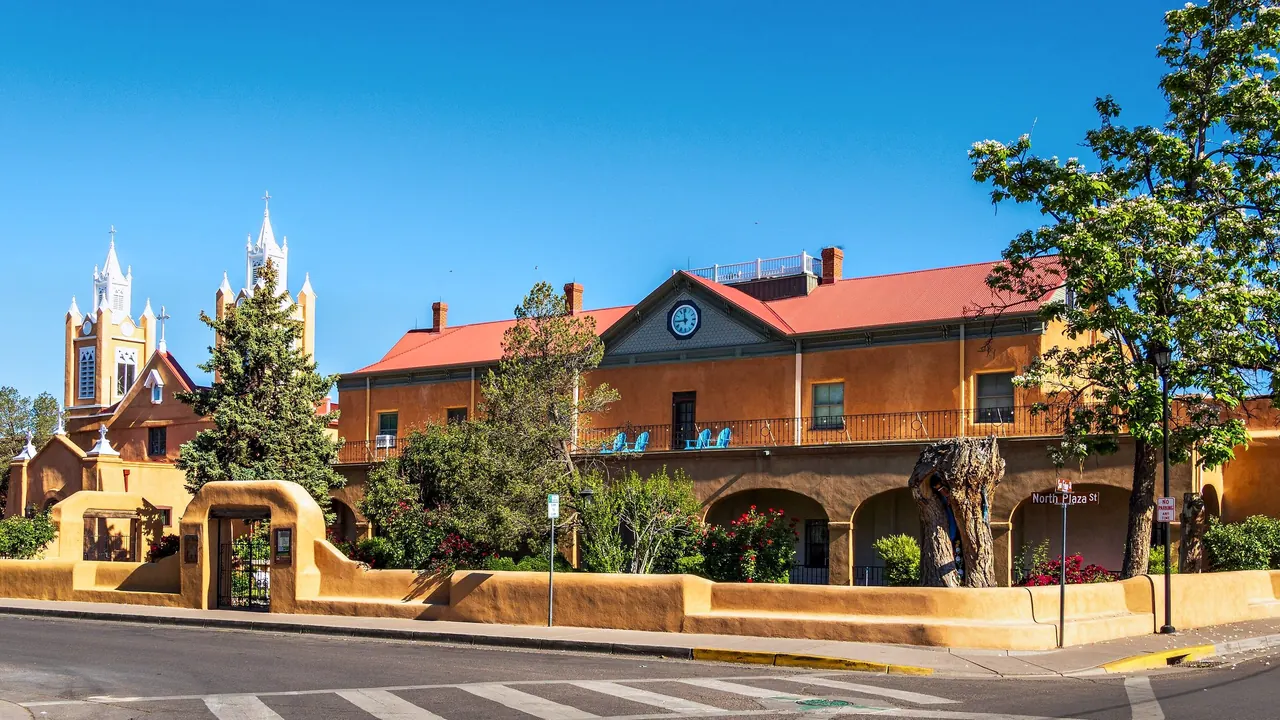
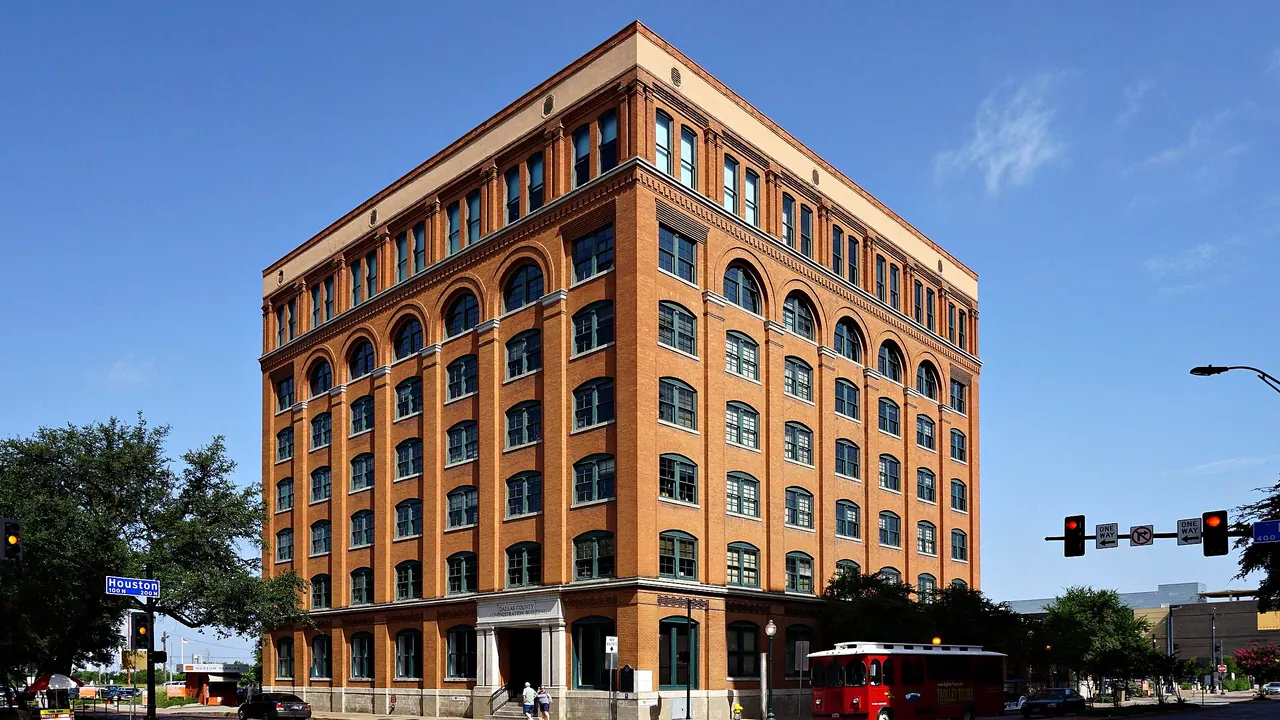
Photos: Albuquerque by dconvertini, CC BY-SA 2.0, cropped; Dallas by Michael Barera, CC BY-SA 4.0, cropped.
Albuquerque or Dallas?
Our verdict in twelve categories, each scored against the same fixed benchmark cities, and the climate month by month, so you can choose for your trip.
Choose Albuquerque for
- nature and the outdoors
- day trips
- wellness
Albuquerque is for travellers who want the landscape to be the trip. The Sandia Mountains rise from the edge of the suburbs, the bosque follows the Rio Grande, and the volcanic escarpments carry their petroglyphs. On top of that come chile-driven New Mexican cooking and Native culture you won't meet in Texas, plus Santa Fe and the pueblos within reach. It suits hikers, photographers and anyone happy to drive out each morning and come back for a plate of red and green.
Choose Dallas for
- shopping
- live music and the arts
- nightlife
Dallas works better for a city vacation built around eating, shopping and going out. It has brisk barbecue counters, suburban strips of Vietnamese and Korean food, the luxury centres that grew up around Neiman Marcus and lively nights in Deep Ellum. Its symphony and opera houses are stronger, and there is more to entertain children. The countryside is flat and the summers are punishing, so this is a trip spent mostly indoors and in districts rather than out in the open.
Scoreboard
Twelve categories on one fixed scale from 0 to 100. The shaded stretch is the gap between the two.
Your match
Pick a travel style or drag the sliders, and both match scores follow your weighting.
Wins on nature and the outdoors and day trips with your weighting.
Wins on shopping and live music and the arts with your weighting.
What matters to you?
Category by category
What the scores mean for a trip.
Beaches & swimming
Both cities are a long way inland, and neither is a place for sand and sea. Albuquerque's swimming means pools or a summer afternoon at Cochiti Lake, since the Rio Grande is too silty and fast.
Dallas has a little more choice of water. The big reservoirs to the north, such as Lewisville and Grapevine, have plain park beaches and warm water all summer, and the Arlington water parks suit children. The Gulf coast is still too far for a day out.
Food & drink
The two cities lean on very different regional traditions. Albuquerque's appeal is narrow and particular: carne adovada, blue corn enchiladas and stuffed sopaipillas in family places in the valleys and along Route 66, with chile roasting in the streets in late summer. Beyond that the choice thins out quickly.
Dallas offers more variety and more depth. Smoked brisket sold by weight, Tex-Mex, steakhouses and chef-led rooms in Bishop Arts and the Design District come on top of serious Vietnamese, Korean and South Asian cooking in the suburbs. Both cities make you drive to eat well.
Culture & sights
Dallas has the bigger sights. Visitors come from everywhere for Dealey Plaza and the Sixth Floor Museum, and the Arts District puts the Dallas Museum of Art, the Nasher and the Crow within a few walkable blocks. Fair Park's Art Deco halls add architecture.
Albuquerque's culture is smaller but more rooted in place. There is the adobe plaza of Old Town around its 1793 church, Native history explained by the Pueblos themselves at the Indian Pueblo Cultural Center, the Route 66 neon along Central Avenue and the carvings at Petroglyph National Monument. Each city fills about two days.
Nightlife
Evenings in Albuquerque are low-key. A downtown bar strip livens up at weekends, Nob Hill has cocktail bars, and much of the social life happens in brewery taprooms and on patios on dry, warm nights.
Dallas has a far larger scene spread across districts with distinct crowds. Deep Ellum has dive bars and late crowds, Uptown has polished patio and cocktail bars, and Lower Greenville has rooftops. You will usually need a ride-hail between them, and the 2am last orders give every night a firm end.
Nature & outdoors
This is where Albuquerque pulls well ahead. The Sandia Mountains form its eastern edge, with a tramway to forest trails above 3,000m and foothill paths starting right where the suburbs end. Add the Rio Grande bosque with its wintering cranes, the volcanic cones to the west and the Jemez Mountains and canyon country a couple of hours out.
Dallas has pleasant green spaces rather than scenery. There is the White Rock Lake loop, the Katy Trail and the Great Trinity Forest, with Cedar Ridge Preserve for the nearest proper hike. Summer heat pushes everything into the early morning.
Day trips
Both cities have one standout day out and a scattering of lesser ones, but the character is quite different. From Albuquerque, Santa Fe's adobe plaza and Canyon Road galleries lie an hour north, and the wider list leans towards ancient places: Acoma's Sky City, the Bandelier cliff dwellings and the ruined Salinas missions.
From Dallas, Fort Worth is closer, with the cattle-town Stockyards and the Kimbell Art Museum in its Louis Kahn building. After that come courthouse squares and small-town main streets such as Grapevine, McKinney and Granbury. Both lists need a car.
Good for families
Dallas has more to keep children busy. There are the theme and water parks in Arlington, two large zoos, the Perot Museum, the rainforest aquarium in the West End, and the State Fair rides at Fair Park every autumn. The catch is the June to September heat.
Albuquerque offers a smaller but well-rounded set: the BioPark, Explora and the dinosaur halls, and the tramway ride up the Sandias. In October it has the Balloon Fiesta, when hundreds of balloons lift off at dawn, which is a memory children keep.
Getting around
Both are car cities, and most visitors to either will rent one. Albuquerque is the simpler drive: its airport sits close to the centre, parking is easy, and the Central Avenue bus links Old Town, downtown and Nob Hill.
Dallas covers far more ground, but DART light rail runs from both airports to downtown, Deep Ellum and Fair Park. The free McKinney Avenue streetcar ties Uptown to the Arts District, so a car-free stay in the core is more realistic there.
Shopping & style
Dallas is the stronger shopping city, especially for luxury. Neiman Marcus was born here, the European fashion houses gather at the 1930s Highland Park Village, and the city has big malls and custom Western boot and hat makers.
Albuquerque's shopping is about craft rather than fashion. Look for silver and turquoise jewellery, Pueblo pottery, Navajo weaving and kachina carvings around Old Town and the Indian Pueblo Cultural Center, plus a short stretch of Nob Hill boutiques. It is the better place for something handmade and regional, if that is what you are after.
Affordability
Costs are much alike, and in both the hire car is the largest outlay after the room. Albuquerque's free pleasures are outdoors: foothill trails, the petroglyphs, Old Town. Its one trap is Balloon Fiesta week, when rooms become scarce and rates jump.
Dallas offsets its car or ride-hail costs with cheap barbecue and tacos and many free or low-cost museums. Uptown hotels, steakhouses and cocktail bars can push a stay up quickly, though.
Live music & performing arts
Dallas has the more serious stage life. I. M. Pei's Meyerson Symphony Center, the Winspear Opera House and the Wyly Theatre sit together in the Arts District, and Deep Ellum clubs have live bands most nights, in a district rooted in 1920s blues and jazz.
Albuquerque's offer is smaller but has its own character. There is a surprising depth in flamenco, weekend Pueblo dances at the Indian Pueblo Cultural Center, and touring shows at Popejoy Hall or the Pueblo Deco KiMo Theatre. In summer, the open-air Santa Fe opera is an evening drive away.
Wellness & relaxation
Neither city is built around rest, and in both, relaxing within city limits mostly means a hotel spa. Albuquerque's advantage lies outside town, in the mineral pools of Jemez Springs and the bathhouses around Santa Fe, together with the dry air and quiet evenings.
Dallas keeps its one distinctive option inside the city: a large Korean-style bathhouse in the north, with heated rooms and all-day lounging. Otherwise its pace is brisker and more car-bound.
When should you go?
Pick your month. The climate figures are measured averages, not a forecast.
Albuquerque in July
Dallas in July
Daytime high, °C
Rainfall in the month, mm
Temperature and rainfall are climate normals, averaged over the years shown. Albuquerque: 1991-2020 normals, Albuquerque International Airport (7.3 km from centre). Dallas: 1991-2020 (sunshine 1981-2010) normals, Dallas / Oldham (8.5 km from centre).
Albuquerque is at its most comfortable in April and May and again in October. Days are warm, skies are clear, and walking or hiking is easy, and spring is also the driest part of the year. June and July climb to about 33°C. From July into September, afternoon thunderstorms make late summer the wettest stretch, though the rain still comes in short bursts. Winter days reach only about 9°C but stay mostly sunny, so a cold, bright walk round Old Town is still a pleasure.
Dallas is warmer all year round. Its milder winters make December to February reasonable for sightseeing, but July and August reach about 36°C, which makes walking between sights a struggle. It is also much wetter, with heavy downpours peaking in May and October at over 110mm a month. Late March, April and November are its most comfortable months. Albuquerque gets clearly more sunshine through most of the year, and the gap is widest in late spring.
Which traveller are you?
On an outdoors trip, Albuquerque is the clear choice. You can ride the tramway to the Sandia crest, climb the La Luz Trail or walk the bosque, with the Jemez Mountains a drive away. Around Dallas the land is flat prairie, best explored early in the day.
For a food and nightlife trip, Dallas gives more range. Brisket counters, Oak Cliff taco trucks and suburban Asian strips fill the days, and three distinct districts keep going until 2am. Albuquerque's chile cooking is distinctive, but its evenings mostly mean taprooms.
On a shopping trip, Dallas has the depth. Whole days can go on designer fashion and department stores, with Western wear as the local speciality. Albuquerque suits a narrower aim: a few handmade Native pieces, best bought from the artists themselves so you know they are genuine.
Before you go
| Measure | Albuquerque | Dallas |
|---|---|---|
| Currency | US Dollar (USD) | US Dollar (USD) |
| Sockets | AB120 V, 60 Hz | AB120 V, 60 Hz |
| Driving side | Right | Right |
| Time zone | UTC-7, UTC-6 in summer | UTC-6, UTC-5 in summer |
| Emergency number | 911 | 911 |
| Elevation | 1,619 m | 131 m |
| Main airport | Albuquerque International Sunport (ABQ)6 km from centre27 non-stop destinations | Dallas Fort Worth International Airport (DFW)25 km from centre266 non-stop destinations |
| Public holidays this year | 13 days | 13 days |
By the numbers
| Measure | Albuquerque | Dallas |
|---|---|---|
| City population | 564,559 | 1,304,379 |
| People per km² | 1,150 | 1,309 |
| Museums within 10 km | 10 | 20 |
| UNESCO World Heritage sites within 50 km | 0 | 0 |
Where else could you go?
Every comparison below shares a destination with this one, so you can follow Albuquerque or Dallas somewhere new.
- Santa Fevs Albuquerque
- Taosvs Albuquerque
- Durango, Coloradovs Albuquerque
- Austinvs Dallas
- Telluridevs Albuquerque
- Houstonvs Dallas