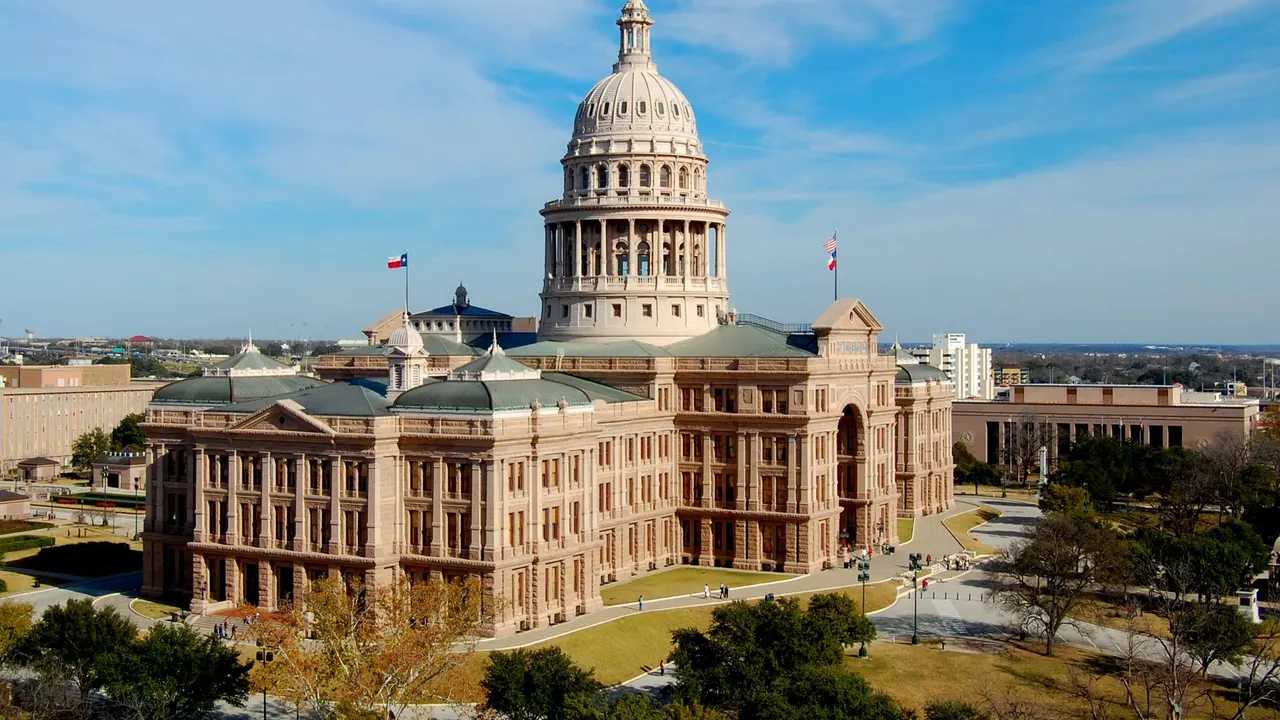
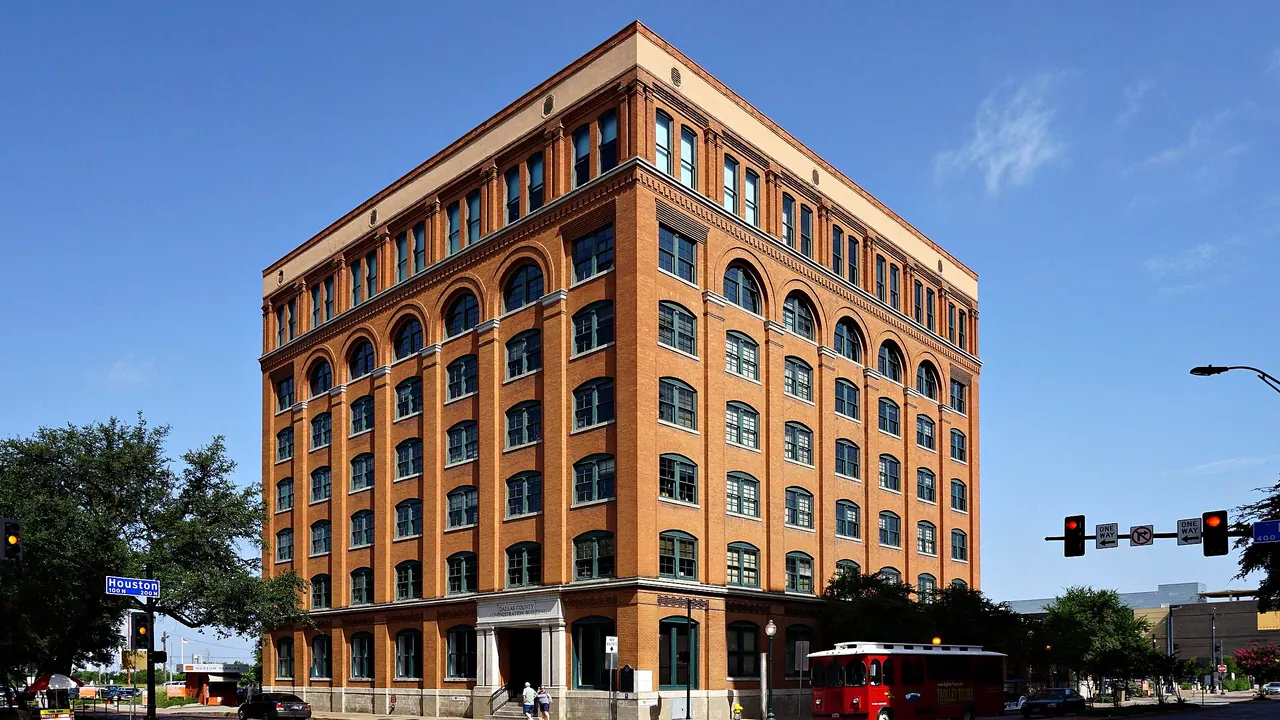
Photos: Austin by LoneStarMike, CC BY 3.0, cropped; Dallas by Michael Barera, CC BY-SA 4.0, cropped.
Austin or Dallas?
Our verdict in twelve categories, each scored against the same fixed benchmark cities, and the climate month by month, so you can choose for your trip.
Choose Austin for
- nature and the outdoors
- beaches
- live music and the arts
Austin suits travellers who want live bands every evening and days spent outdoors: swimming in spring-fed pools, paddling Lady Bird Lake, hiking the Greenbelt and driving out into the Hill Country. It is the looser, more easy-going of the two cities, though staying there costs more.
Choose Dallas for
- shopping
- families
- culture and sights
Pick Dallas for a trip with children or a shopping list. Six Flags, two big zoos and the Perot Museum keep a family busy. NorthPark and Highland Park Village cover luxury fashion, and the Sixth Floor Museum and the Arts District give Dallas the deeper set of sights. Hotel rooms are easier on the budget too.
Scoreboard
Twelve categories on one fixed scale from 0 to 100. The shaded stretch is the gap between the two.
Your match
Pick a travel style or drag the sliders, and both match scores follow your weighting.
Wins on nature and the outdoors and beaches with your weighting.
Wins on shopping and families with your weighting.
What matters to you?
Category by category
What the scores mean for a trip.
Beaches & swimming
Neither city is a beach destination, and the Gulf coast is hours away from both. Austin still makes much more of swimming. Barton Springs Pool stays at about 20°C all year, Deep Eddy is a gentler spring-fed pool, and Lake Travis has rocky coves for boat days.
In Dallas, swimming means the big reservoirs to the north and west, with plain sandy park beaches and muddy-brown water, or else a hotel pool and the Arlington water parks. On a summer afternoon, Austin's cold spring water is the better reason to pack a swimsuit.
Food & drink
Both cities sell brisket by weight and serve Tex-Mex with frozen margaritas, and both do it well. The difference is focus against range. Austin keeps its strengths close: breakfast tacos from trailers, food trucks in beer gardens, a strong craft beer scene, and Lockhart a short drive away for a barbecue pilgrimage.
Dallas adds a steakhouse tradition and, out in the suburbs, a much wider spread of food: Vietnamese and Chinese in Richardson and Garland, a Koreatown in Carrollton and South Asian cooking in Irving. Getting to it means driving, and there is less street life around eating than in Austin's truck lots.
Culture & sights
Dallas has the stronger set of sights. It is led by the Sixth Floor Museum at Dealey Plaza, which people visit from all over the world. The Arts District puts the Dallas Museum of Art, the Nasher and the Crow within a few blocks of each other, and Fair Park adds a large group of 1930s Art Deco buildings.
Austin's best museums are around the university: the Blanton, the Bullock, the LBJ Library and the Harry Ransom Center with its Gutenberg Bible. Add a tour of the pink granite Capitol and you have a good day or two, but no single sight carries the weight of Dealey Plaza.
Nightlife
In Austin, going out is part of the reason for the trip. Sixth Street, the bungalow bars of Rainey Street and the dives and mezcal bars of the east side are close together, and a large student population keeps them full.
Dallas is sociable but spread out. Deep Ellum is for scruffy late nights, Uptown and McKinney Avenue for polished cocktail lounges and Lower Greenville for rooftop patios, and you usually need a ride-hail to get from one to the next. Both cities stop serving at 2am.
Nature & outdoors
Austin sits at the edge of the limestone Hill Country, and you can feel it. The Barton Creek Greenbelt runs through a wooded canyon with trails and climbing walls inside the city, and Enchanted Rock and Pedernales Falls are within about two hours. From spring to autumn, the bats leaving the Congress Avenue Bridge at dusk are a nightly sight.
Dallas is surrounded by flat prairie and post oak woodland. White Rock Lake, the Katy Trail and the Great Trinity Forest are pleasant, and Cedar Ridge Preserve has the nearest real hiking, but nothing compares with the Hill Country. In both cities, summer heat pushes outdoor plans into the early morning.
Day trips
Each city has one standout day out and a ring of small towns around it. From Austin it is San Antonio, about an hour and a half south, for the Alamo, the River Walk and the UNESCO-listed missions. To the west, the Hill Country adds Fredericksburg and its wineries, and Gruene.
From Dallas it is Fort Worth, about forty-five minutes away and reachable by commuter train, which pairs the longhorn drive at the Stockyards with the Kimbell Art Museum. The courthouse squares of McKinney and Denton and the tasting rooms of Grapevine fill out the list. Austin's outings lean towards landscape and Dallas's towards towns and art, and both mostly need a car.
Good for families
Dallas is the easier choice with children. Six Flags Over Texas and a large water park sit side by side in Arlington, and the Dallas and Fort Worth zoos are both big. The Perot Museum and the Dallas World Aquarium are good options on very hot days, and the State Fair fills Fair Park with rides every autumn.
Austin is relaxed and welcoming to children, but it relies on Zilker Park, the Thinkery and the bat flight, and the bigger theme parks are an hour or so away. In both cities, summer days have to be planned around water and air conditioning.
Getting around
Both cities are built for the car, and a hire car makes life easier in either. The differences are at the margins. Dallas has a long DART light-rail network that runs from both airports to downtown, Deep Ellum and Fair Park, plus a commuter train to Fort Worth and a vintage streetcar through Uptown.
Austin has little more than buses and a single commuter line, but its centre is more compact. Downtown, the Capitol and Rainey Street are walkable, and rental bikes, scooters and the lakeside trail connect them to South Congress and East Austin.
Shopping & style
Western wear is the thread that runs through both cities, with boots, hats and belt buckles easy to find in either. In Austin, they sit alongside vintage clothing and antique shops on South Congress, and the east side adds small design stores. Austin shopping happens on the street and has plenty of character. The luxury brands, though, are all in one open-air mall on the northern edge of the city.
Dallas shops in centres rather than on streets, and it goes much further for fashion. Its malls and open-air luxury centres carry a far deeper range of labels, its custom boot makers take Western wear upmarket, and Bishop Arts and Lower Greenville have independent boutiques much like the ones on South Congress. The cost is driving from one centre to the next, and street markets and crafts are thin.
Affordability
Dallas is the cheaper place to stay. Its hotel rooms, especially in the suburbs and near the freeways, cost noticeably less than downtown Austin's, which climb sharply during the big festival and racing weeks. Many Dallas museums are also free or low-cost.
In both cities the cheap part is eating, thanks to barbecue, tacos and Tex-Mex, and the expensive part is the car, along with tax and tip on sit-down meals. Many of Austin's best outdoor sights, from the Greenbelt to the bat flight, cost little or nothing, which narrows the gap a little.
Live music & performing arts
For live music, Austin is the stronger draw. Several acts play each night along Red River Street, Sixth Street, South Congress and in the honky-tonks, often with no cover charge, covering everything from blues and indie to Texas country and conjunto. Austin City Limits still records its concerts in the city.
Dallas is stronger on the formal stage. The Arts District has the Pei-designed Meyerson for the symphony, the Winspear for opera and touring Broadway shows, and the Wyly Theatre, while Austin's Long Center has a modest season. Deep Ellum's clubs give Dallas solid live music too, but without the same pull.
Wellness & relaxation
Austin is the better place to slow down. The most restful stays are at the destination spa resorts on the shores of Lake Austin and in the Hill Country, with treatment rooms, quiet grounds and water views. Away from the downtown bar streets the city has an unhurried pace, with shaded patios, parkland and a strong yoga culture.
Dallas is brisker and built around the car, so unwinding there mostly means a polished hotel spa in Uptown or the suburbs, a day-spa chain or a slow morning at White Rock Lake. Its one real exception is a large Korean-style bathhouse in the north of the city, with heated rooms, pools and a habit of lounging all day. Austin has nothing like it.
When should you go?
Pick your month. The climate figures are measured averages, not a forecast.
Austin in July
Dallas in July
Daytime high, °C
Rainfall in the month, mm
Temperature and rainfall are climate normals, averaged over the years shown. Austin: 1991-2020 normals, Camp Mabry/Austin City Asos (3.7 km from centre). Dallas: 1991-2020 (sunshine 1981-2010) normals, Dallas / Oldham (8.5 km from centre).
The two cities follow the same pattern through the year: mild winters, long hot summers, and the best walking weather in spring and autumn. July and August reach 36°C in both, too hot for much sightseeing after early morning. Those same months are when Austin's spring-fed pools and Lake Travis are at their best. March, April, late October and November are the easiest months for walking the streets in either city.
Austin is a few degrees warmer in winter, around 17°C in January against 14°C in Dallas, so it suits a winter break slightly better. Both get their heaviest rain in late spring and autumn. Austin is wettest in May, at around 130mm, and Dallas is wettest in October. In both cities summer is also the sunniest stretch of the year.
Which traveller are you?
On an outdoors trip, Austin is the clear pick. The Barton Creek Greenbelt starts in town, kayaks fill Lady Bird Lake, and Enchanted Rock and Pedernales Falls are within reach. Around Dallas the land is mostly flat prairie, with lakeside loops and a single preserve for real hiking.
On a family trip with children, Dallas has far more to fill the days: Six Flags and a water park in Arlington, two large zoos, the Perot Museum and an aquarium with a rainforest walk. Austin is relaxed with children, but families go to San Antonio for the big parks.
On a shopping trip, Dallas is the place to go. It has NorthPark Center, the European fashion houses of Highland Park Village and a long tradition of luxury retail that began with Neiman Marcus. Austin's vintage and boot shops on South Congress are fun but cover far less ground.
Before you go
| Measure | Austin | Dallas |
|---|---|---|
| Currency | US Dollar (USD) | US Dollar (USD) |
| Sockets | AB120 V, 60 Hz | AB120 V, 60 Hz |
| Driving side | Right | Right |
| Time zone | UTC-6, UTC-5 in summer | UTC-6, UTC-5 in summer |
| Emergency number | 911 | 911 |
| Elevation | 149 m | 131 m |
| Main airport | Austin Bergstrom International Airport (AUS)13 km from centre91 non-stop destinations | Dallas Fort Worth International Airport (DFW)25 km from centre266 non-stop destinations |
| Public holidays this year | 13 days | 13 days |
By the numbers
| Measure | Austin | Dallas |
|---|---|---|
| City population | 961,855 | 1,304,379 |
| People per km² | 1,217 | 1,309 |
| Museums within 10 km | 21 | 20 |
| UNESCO World Heritage sites within 50 km | 0 | 0 |
Where else could you go?
Every comparison below shares a destination with this one, so you can follow Austin or Dallas somewhere new.
- San Antoniovs Austin
- Houstonvs Austin
- Galvestonvs Austin
- Houstonvs Dallas
- San Antoniovs Dallas
- Galvestonvs Dallas