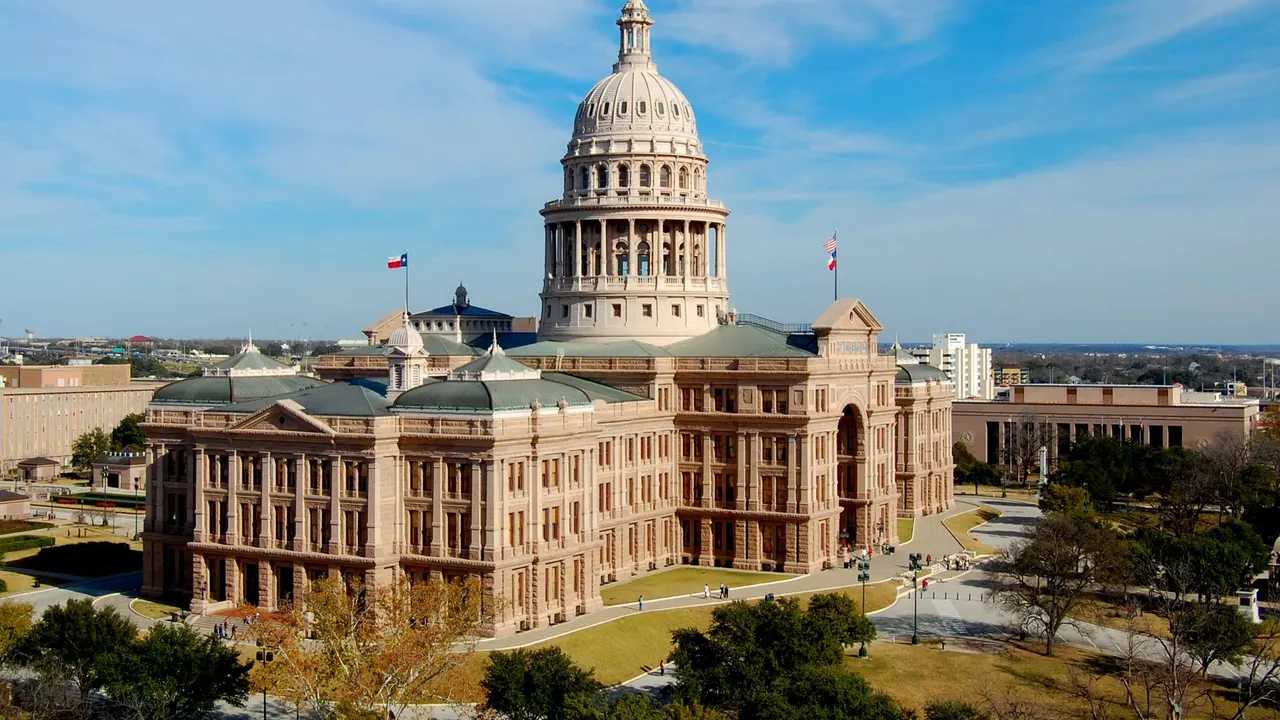
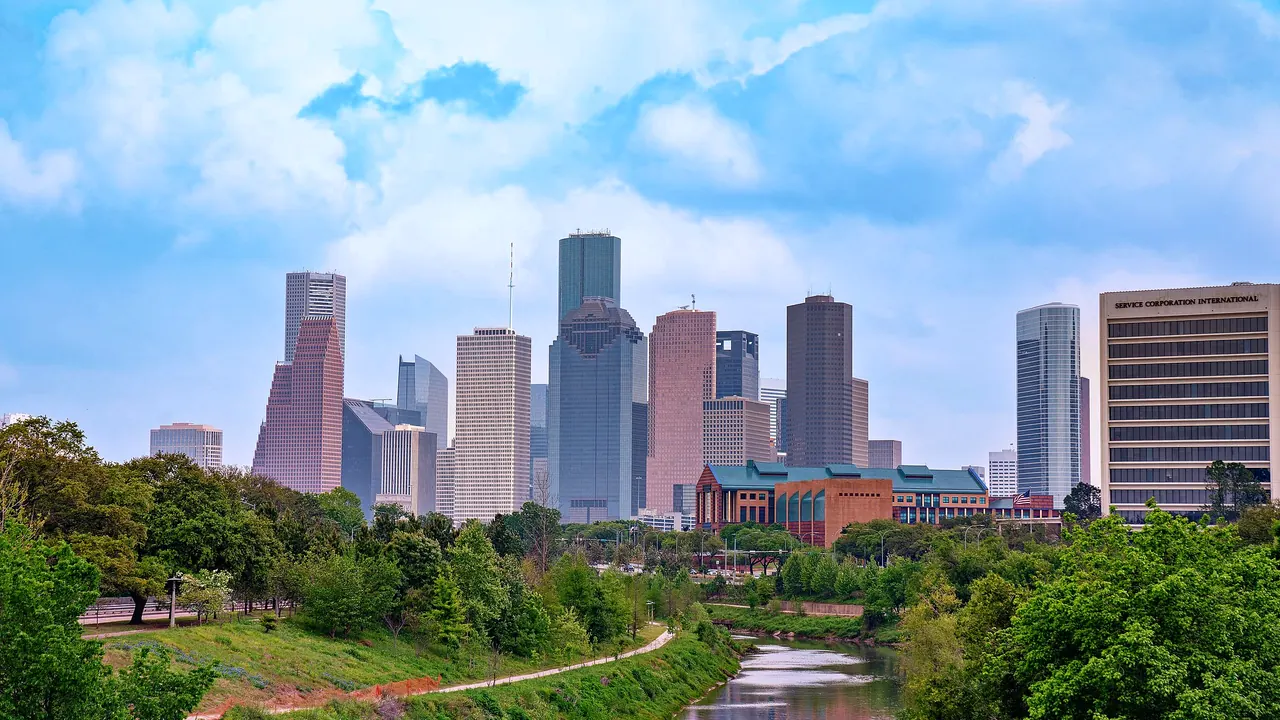
Photos: Austin by LoneStarMike, CC BY 3.0, cropped; Houston by Tony Webster, CC BY 2.0, cropped.
Austin or Houston?
Our verdict in twelve categories, each scored against the same fixed benchmark cities, and the climate month by month, so you can choose for your trip.
Choose Austin for
- nature and the outdoors
- day trips
- wellness
Austin suits travellers who want live bands every evening and time outdoors by day. Small clubs and honky-tonks, a compact bar district, cold spring-fed pools, Greenbelt trails and easy drives to San Antonio and the Hill Country make it the more relaxed and sociable base, especially for a long weekend.
Choose Houston for
- culture and sights
- shopping
- food and drink
Pick Houston if eating and museums matter more than music. Food from Asiatown to Gulf seafood, the Menil Collection and the Museum District, Space Center Houston for the children, serious shopping and a full opera and ballet season reward visitors who don't mind driving. It also costs somewhat less than Austin.
Scoreboard
Twelve categories on one fixed scale from 0 to 100. The shaded stretch is the gap between the two.
Your match
Pick a travel style or drag the sliders, and both match scores follow your weighting.
Too close to call, 2 points apart
Wins on nature and the outdoors and day trips with your weighting.
Wins on culture and sights and shopping with your weighting.
What matters to you?
Category by category
What the scores mean for a trip.
Beaches & swimming
Neither is a beach destination, but only Houston has the sea within easy reach. Galveston Island is about an hour's drive away, with long stretches of sand below the seawall and warm, shallow Gulf water, though the water is cloudy and brown-green. From Austin the coast is three hours or more by car.
Austin swims in fresh water instead: the cold springs of Barton Springs Pool and Deep Eddy, and boat days in the rocky coves of Lake Travis. For a cold plunge on a hot afternoon Austin is the more pleasant choice, but if you want sand and waves, only Houston has them.
Food & drink
Both cities share the Texas staples of brisket, Tex-Mex and breakfast tacos, but Houston eats far more widely. Asiatown along Bellaire Boulevard, the Nigerian, Pakistani and Salvadoran neighbourhoods of the south-west, Vietnamese-Cajun crawfish boils and Gulf oysters and shrimp give it a range Austin can't match.
Austin's strength is focus. Its post-oak barbecue is worth queuing for at dawn, Lockhart and Luling are close by, and daily eating happens at food trucks, beer gardens and taco counters. Houston rewards a curious eater with a car, while Austin rewards the barbecue pilgrim.
Culture & sights
Houston has more to see. The Museum of Fine Arts and the natural science museum in the Museum District, the Menil Collection and the Rothko Chapel in Montrose, and the Saturn V rocket and mission control at Space Center Houston can fill several days.
Austin's list is shorter. It centres on the pink granite State Capitol and the university museums, among them the Blanton and the Harry Ransom Center with its Gutenberg Bible. Neither city has much old architecture, so in both the interest lies indoors.
Nightlife
Austin is the better city for a night out, and the easier one to manage. The shot bars of Sixth Street, the bungalow bars of Rainey Street and the dives and mezcal bars of the east side are close together, and the large student population keeps them busy. Its club scene is small, though, so the night is about bars and patios rather than dancing.
Houston's scene is friendly and has plenty of choice, from Montrose's long-established gay bars to the lounges of Midtown and Washington Avenue. It is split between districts, however, including EaDo, so an evening often means a ride from one to the next. Bars stop serving at 2am in both cities, and both drink outdoors when they can: beer gardens in Austin, open-sided icehouses in Houston.
Nature & outdoors
Austin sits on the edge of the limestone Hill Country, which puts varied outdoor country close at hand. In town there are the canyon trails and climbing walls of the Barton Creek Greenbelt, kayaks on Lady Bird Lake and the bats leaving the Congress Avenue Bridge at dusk. Enchanted Rock and Pedernales Falls are within a couple of hours.
Houston's surroundings are flat prairie, bayou and marsh. Memorial Park and Buffalo Bayou are good for a run, and the alligators of Brazos Bend and the spring migrant birds along the coast reward wildlife lovers. For hiking and scenery, though, Austin is clearly ahead.
Day trips
Austin has a much wider choice of day trips. San Antonio, with the Alamo, the River Walk and its UNESCO-listed Spanish missions, is about an hour and a half away. Fredericksburg and the wineries along the road there, the dance-hall village of Gruene and the river town of New Braunfels fill out the Hill Country.
Houston has one strong outing, Galveston, where the iron-fronted Strand and the Victorian houses of the East End add history to a beach day. Beyond that there are the San Jacinto battlefield and the farm towns around Brenham and Round Top. Every one of these trips, from either city, needs a car.
Good for families
Houston keeps children busier. Space Center Houston is the highlight, and Hermann Park puts the zoo, pedal boats, the Children's Museum and the natural science museum's dinosaur hall side by side. Galveston's glass-pyramid aquarium and its waterparks are about an hour away.
Austin is easy-going with children but has fewer big attractions. Its family outings are Zilker Park's miniature train and Barton Springs, the hands-on Thinkery and the bat flight, and the theme parks are an hour or so away in San Antonio and New Braunfels.
Getting around
You need a car in both cities, but Austin is the easier of the two. Its centre, from the Capitol to Rainey Street, can be walked, South Congress and East Austin are a short ride away, and the lakeside trail, rental bikes and scooters cover much of the core.
Houston is spread over a far larger area, with sights many kilometres apart and joined by multi-lane freeways. The METRORail line from downtown to the Museum District is useful, but almost everything else means a hire car or ride-hailing.
Shopping & style
Houston is the stronger shopping city. Uptown's enormous mall has the luxury houses under one roof, River Oaks has upmarket boutiques on open-air streets, and the Heights and Rice Village have independent stores. Austin's shopping is smaller and more personal, with vintage, antiques and quirky boutiques on South Congress and the east side. Both are good for cowboy boots and Western wear, but anyone after big fashion names should choose Houston.
Affordability
Houston is the easier city on the budget. Its hotels are plentiful and reasonably priced outside convention weeks, and several of its major museums are free. Austin's downtown rooms are priced like those of a major city, and they rise sharply and sell out during the big music, film and racing weeks.
In both cities, taquerias, barbecue and food trucks keep everyday meals reasonable. In both, car hire and parking add a noticeable amount to the cost of the trip.
Live music & performing arts
Austin wins for live music. Clubs on Red River and Sixth Street, honky-tonks where couples two-step and bars across the east side have bands on every night, playing anything from blues and indie to Texas country and conjunto.
Houston's strength is the formal stage. Its downtown Theater District has a well-regarded opera and ballet, the symphony at Jones Hall and the long-established Alley Theatre, a far fuller season than Austin's Long Center offers. Go to Austin to hear bands and to Houston for a night at the opera.
Wellness & relaxation
Austin is the better place to slow down. Its spa resorts on Lake Austin and in the Hill Country, its strong yoga culture and its shaded patios suit an unhurried trip, and away from the bar streets the city moves at an easy pace.
Houston's rhythm is set by freeways. Its wellness offer is hotel and day spas plus a few Korean-style bathhouses in the suburbs, though an hour in the Rothko Chapel is a calm of its own. Neither city has a tradition of thermal bathing.
When should you go?
Pick your month. The climate figures are measured averages, not a forecast.
Austin in July
Houston in July
Daytime high, °C
Rainfall in the month, mm
Where the figures come from
Houston's temperatures are measured 26 km from the centre, at Houston Intercontinental.
Houston has no rain gauge within 25 km of the centre, so its rainfall comes from a gridded climate dataset read at the city rather than from a gauge further away.
Temperature and rainfall are climate normals, averaged over the years shown. Austin: 1991-2020 normals, Camp Mabry/Austin City Asos (3.7 km from centre). Houston: 1991-2020 (sunshine 1981-2010) normals, Houston Intercontinental (26.4 km from centre).
The two cities have almost the same temperatures all year, so the real difference is rain. Both are at their best in March and April, when days reach 23 to 27°C, and again in October and November, good weather for walking and getting outdoors. From June to September afternoons reach about 35°C in both, too hot for much sightseeing. In Austin the spring-fed pools and lakes make that heat bearable, while in Houston it means early starts and air-conditioned museums.
Houston is the wetter city in every month except May, with its heaviest rain in June and September at around 150mm. Austin stays drier for most of the year, but May is its stormiest month, at 130mm. Winters are mild in both, and Houston gets noticeably more sunshine through the spring.
Which traveller are you?
On an outdoors trip, Austin is the obvious pick. The Barton Creek Greenbelt, paddling on Lady Bird Lake and Hill Country outings to Enchanted Rock and Pedernales Falls offer far more than Houston's flat bayou country, though birders may still prefer Houston's coast in spring.
For a shopping trip, Houston is better. Uptown's huge mall and the River Oaks boutiques have the luxury names that Austin keeps to one mall on its northern edge. The Heights and Rice Village have independent stores to rival South Congress.
On a relaxing and wellness trip, choose Austin. Lakeside spa resorts, a strong yoga culture and quiet parkland make it the calmer base. Houston's pace is set by freeways and long drives, and its wellness offer is mostly hotel spas.
Before you go
| Measure | Austin | Houston |
|---|---|---|
| Currency | US Dollar (USD) | US Dollar (USD) |
| Sockets | AB120 V, 60 Hz | AB120 V, 60 Hz |
| Driving side | Right | Right |
| Time zone | UTC-6, UTC-5 in summer | UTC-6, UTC-5 in summer |
| Emergency number | 911 | 911 |
| Elevation | 149 m | 13 m |
| Main airport | Austin Bergstrom International Airport (AUS)13 km from centre91 non-stop destinations | George Bush Intercontinental Airport (IAH)25 km from centre191 non-stop destinations |
| Public holidays this year | 13 days | 13 days |
By the numbers
| Measure | Austin | Houston |
|---|---|---|
| City population | 961,855 | 2,304,580 |
| People per km² | 1,217 | 1,336 |
| Museums within 10 km | 21 | 29 |
| UNESCO World Heritage sites within 50 km | 0 | 0 |
Where else could you go?
Every comparison below shares a destination with this one, so you can follow Austin or Houston somewhere new.
- San Antoniovs Austin
- San Antoniovs Houston
- New Orleansvs Houston
- New Orleansvs Austin
- Gulf Shoresvs Houston
- Orange Beachvs Houston